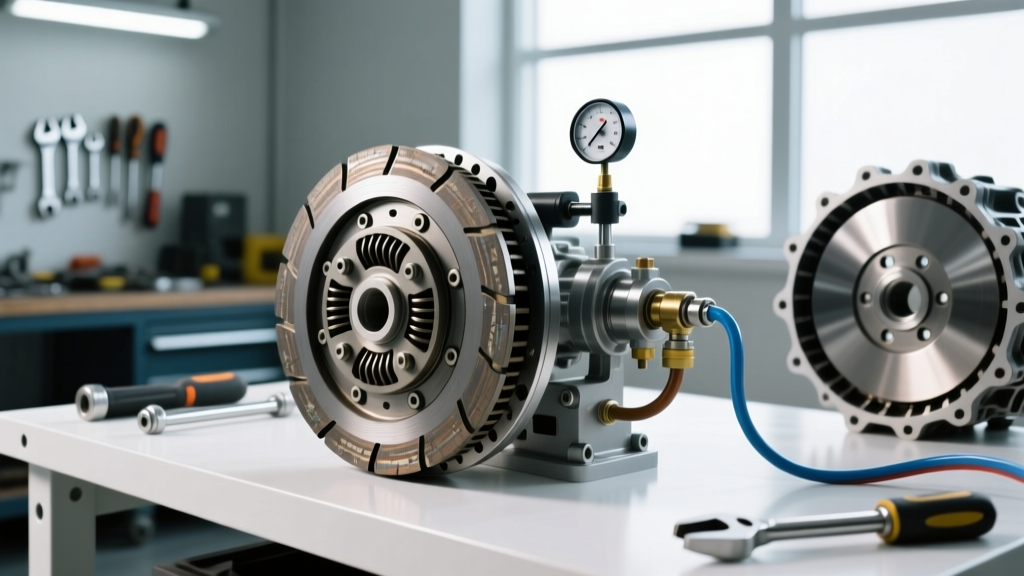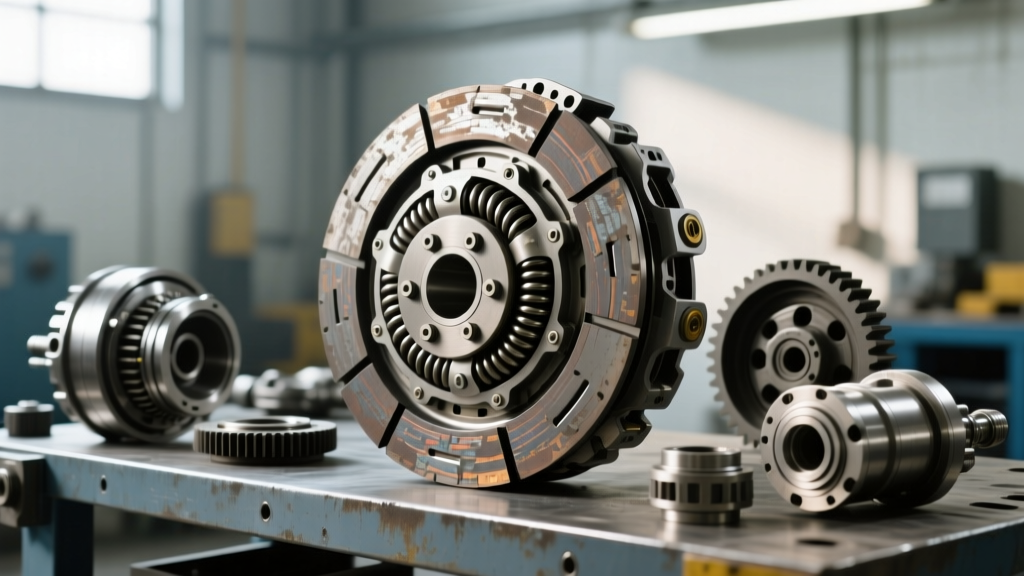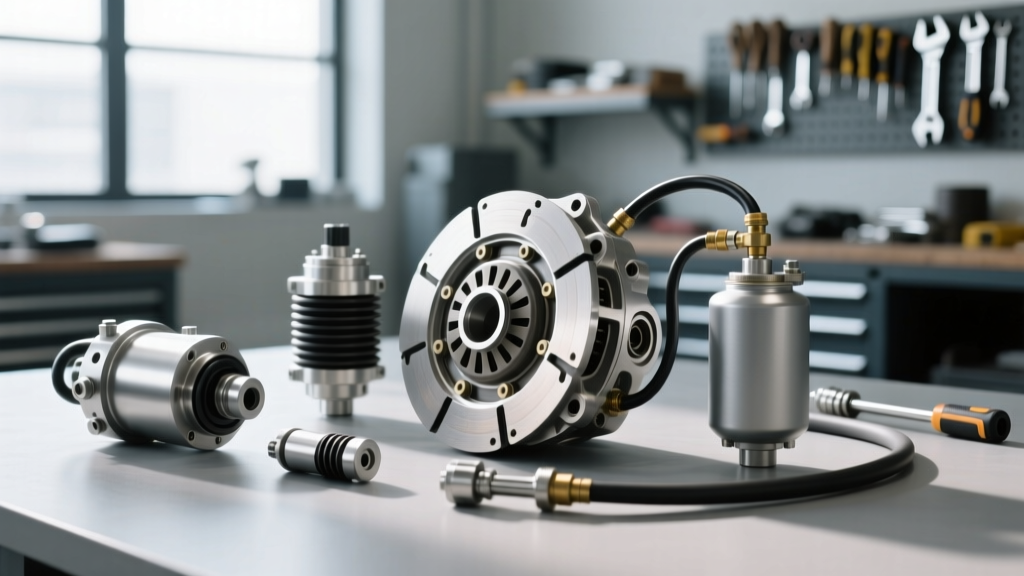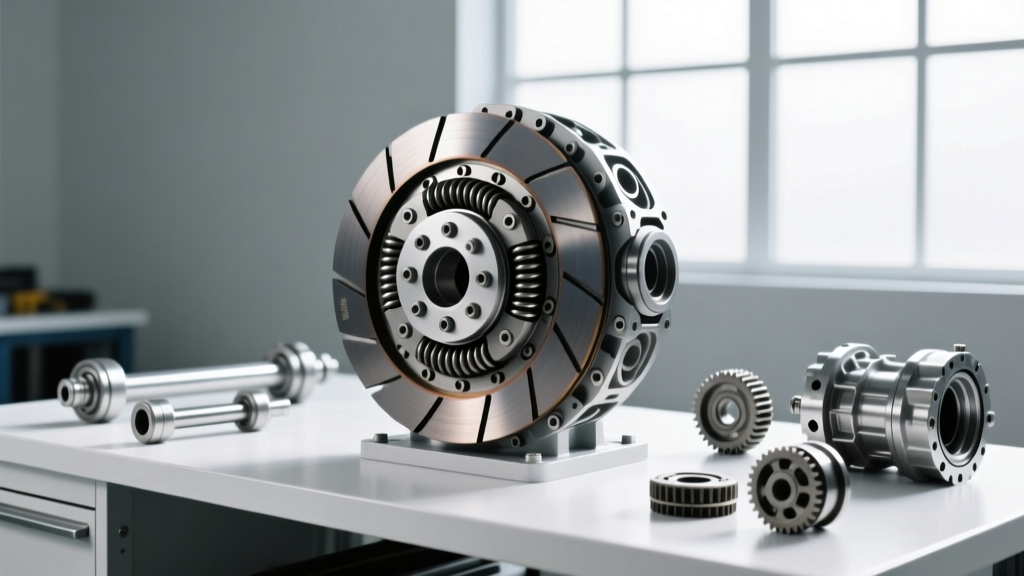
The Evolution of Heavy-Duty Clutch Diagnostics in 2026
As we navigate the 2026 commercial freight landscape, the mechanical stress placed on heavy-duty drivetrains has reached unprecedented levels. Modern Class 8 trucks and vocational rigs equipped with high-output engines—such as the Cummins X15 Efficiency Series or the Detroit DD15—are generating well over 2,050 lb-ft of torque. When diagnosing clutch problems in heavy-duty and commercial vehicles, standard passenger car logic is not just inadequate; it is a recipe for catastrophic drivetrain failure. Commercial clutches, particularly 15.5-inch twin-plate setups found in Eaton Fuller 13- and 18-speed manual transmissions, operate under extreme thermal and mechanical duress.
To tackle complex issues like heavy-load slipping, torsional chatter, and clutch brake drag, we have synthesized diagnostic frameworks and performance upgrade strategies mirroring the exact methodologies utilized by elite Austin transmission and clutch specialists. Whether you are managing a fleet of vocational dump trucks or upgrading an owner-operator rig for heavy-haul towing, understanding the precise tolerances and failure modes of commercial clutches is essential for maximizing uptime and performance.
Diagnosing Heavy-Duty Clutch Slipping Under Load
Clutch slipping in a commercial vehicle rarely presents as the subtle RPM flare seen in light-duty trucks. In a fully loaded Class 8 rig, slipping usually manifests as a severe loss of grade-climbing ability, accompanied by a distinct burning odor from the bellhousing area and rapid fuel economy degradation.
The Free-Play and Release Bearing Diagnostic
The most common cause of premature HD clutch slip is improper pedal free-play. Heavy-duty trucks require exactly 1.5 to 2.0 inches of free-play at the clutch pedal pad before the release bearing engages the clutch brake and pressure plate fingers. If a technician adjusts the linkage to eliminate this free-play, the release bearing remains under constant load. This prevents the pressure plate from applying its full clamp load (often exceeding 3,800 lbs on a Solo clutch) to the friction discs, resulting in micro-slipping that glazes the cerametallic friction material and cracks the cast-iron pressure plate.
- Diagnostic Step 1: Measure pedal free-play with a steel tape measure. Adjust the external linkage or internal cab adjuster to achieve 1.75 inches.
- Diagnostic Step 2: Inspect the release bearing wear pad. If the wear pad is missing or worn past the 0.125-inch threshold, the bearing is riding the clutch brake continuously.
- Diagnostic Step 3: Check for rear main seal leaks. Oil contamination on a 15.5-inch twin-plate clutch requires a complete teardown, flywheel resurfacing, and replacement of the friction discs.
Torsional Vibration, Chatter, and Flywheel Upgrades
Clutch chatter in commercial vehicles—felt as a violent shuddering through the chassis during initial engagement—is frequently misdiagnosed as a warped pressure plate. In reality, modern HD chatter is often a symptom of driveline harmonics and failing torsional dampening. Many medium-duty and automated manual transmission (AMT) setups utilize Dual-Mass Flywheels (DMF) to isolate engine vibrations from the transmission input shaft. When the internal springs of a DMF fatigue, the result is severe engagement chatter.
Performance Upgrade: Solid Flywheel Conversions
For severe-duty vocational applications where PTO (Power Take-Off) usage and heavy towing are common, upgrading from a failing DMF to a Solid Flywheel Conversion is the industry standard for durability. According to drivetrain engineering data from Eaton Vehicle Group, solid flywheels eliminate the internal spring failure point entirely, provided the clutch disc features an upgraded poly-coil or multi-stage torsional damper.
| Feature | OEM Dual-Mass Flywheel (DMF) | Solid Flywheel Conversion (Upgrade) |
|---|---|---|
| Torsional Dampening | Internal flywheel springs | Clutch disc multi-stage dampeners |
| Weight & Rotational Mass | Lighter, faster revving | Heavier, maintains momentum under load |
| NVH Transfer to Cab | Minimal at idle | Moderate gear rattle at idle (normal) |
| Average Replacement Cost | $1,800 - $2,500 (Flywheel only) | $900 - $1,400 (Flywheel only) |
| Best Application | Highway cruising, AMT setups | Vocational, heavy towing, PTO usage |
Friction Material Upgrades: Ceramic vs. Organic
When replacing a heavy-duty clutch, selecting the correct friction material is critical for performance. Standard organic friction discs are suitable for light regional hauling, but they cannot withstand the thermal shock of heavy-haul starts on inclines. For performance upgrades, specialists recommend Cerametallic (ceramic button) friction discs.
Ceramic buttons, such as those found in high-end BorgWarner or Eaton EverTough 15.5-inch twin-plate kits, offer a coefficient of friction that remains stable up to 800°F. However, ceramic discs are aggressive. They require a perfectly resurfaced or new cast-iron flywheel and pressure plate to prevent severe chatter. When installing a heavy-duty ceramic clutch kit, precise torque specifications must be followed to prevent warping under thermal expansion:
Cummins X15 Flywheel Bolt Torque Spec: Tighten in a star pattern to 150 lb-ft, followed by a 90-degree angle turn. Never reuse TTY (Torque-to-Yield) flywheel bolts.
Eaton Solo Pressure Plate Torque Spec: 70 to 85 lb-ft in a crisscross pattern, ensuring the pressure plate seats evenly against the flywheel step.
The Clutch Brake: A Commercial Exclusive Diagnostic
Unlike passenger vehicles, heavy-duty trucks with non-synchronized lower gears utilize a clutch brake. This is a small friction disc mounted on the transmission input shaft that stops the shaft's rotation when the clutch pedal is depressed fully to the floor, allowing the driver to engage first or reverse gear without grinding.
If a driver complains of grinding when shifting into first gear from a dead stop, the clutch brake is failing to engage. This is diagnosed by measuring the pedal travel at the floor. The clutch brake should only engage in the final 0.5 to 0.5625 inches (1/2 to 9/16 of an inch) of pedal travel. If the linkage is over-adjusted, the clutch brake drags while driving, causing rapid wear and eventual input shaft seizure. Proper adjustment requires a specialized clutch brake gauge and meticulous linkage calibration.
Bellhousing Runout: The Hidden Killer of HD Clutches
The most overlooked aspect of commercial clutch diagnostics is bellhousing runout. When a transmission is removed and reinstalled, the bellhousing must be checked for Total Indicator Runout (TIR). The maximum allowable TIR for heavy-duty SAE #1 bellhousings is 0.005 inches. If the runout exceeds this tolerance, the transmission input shaft will bind inside the pilot bearing and release bearing tube. This causes premature release bearing failure, uneven clutch disc wear, and severe vibration that mimics a bad U-joint or driveshaft issue.
Elite shops utilize magnetic-base dial indicators mounted to the engine crankshaft flange to measure the inner bore of the bellhousing. If runout exceeds 0.005 inches, offset dowel pins must be installed to realign the bellhousing to the crankshaft centerline. Skipping this step will void the warranty on even the most expensive Allison Transmission or Eaton manual clutch kits.
Cost Analysis and Final Verdict for Fleet Managers
Upgrading and repairing a heavy-duty commercial clutch is a significant capital expenditure. In 2026, a complete 15.5-inch twin-plate ceramic clutch kit ranges from $1,800 to $3,200. A solid flywheel conversion adds $900 to $1,400. Labor for dropping the axle assembly, splitting the bellhousing, and performing dial-indicator alignments typically runs between $1,500 and $2,500. While the total investment can reach $6,300 or more, executing the upgrade with precision—verifying free-play, checking bellhousing runout, and utilizing high-temp cerametallic materials—ensures the drivetrain can handle the immense torque of modern commercial diesels for 500,000 miles or more.