The Search Intent: Fan Clutch Removal vs. Transmission Diagnostics
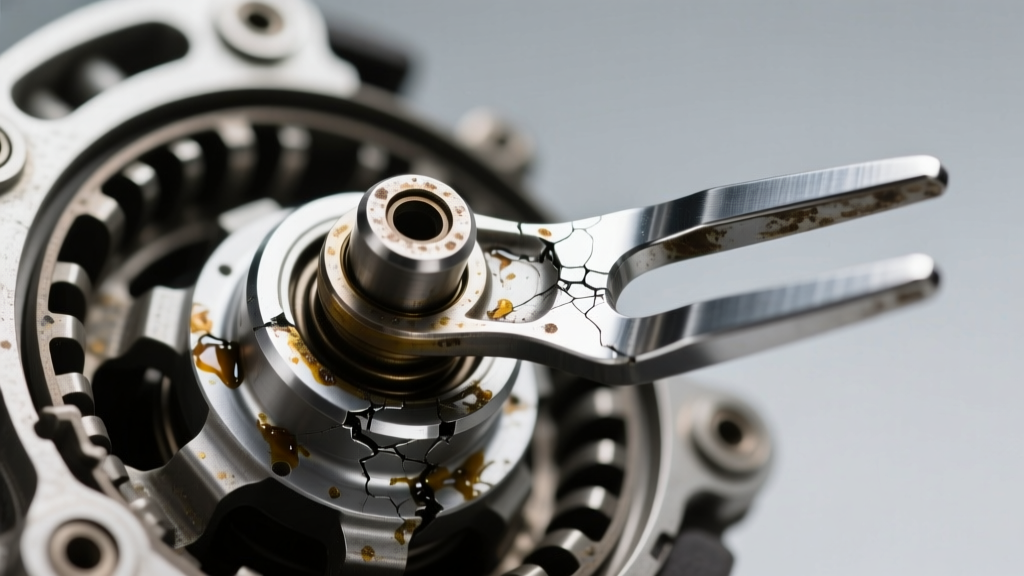
When DIYers and fleet technicians experience erratic RPM behavior, overheating, or a sudden loss of power transfer, a common internet search is how to take off a fan clutch. Why? Because a seized or failing viscous engine fan clutch creates massive parasitic drag on the engine. This drag causes the engine to labor, RPMs to hang or flare unpredictably, and the vehicle to feel as though the transmission is slipping out of gear. Before tearing into your drivetrain, it is critical to differentiate between an engine cooling component failure and true transmission clutch slipping symptoms.
To quickly rule out the engine fan clutch (such as the widely used Hayden 2728 or equivalent OEM viscous units), you need to remove it. Learning how to take off a fan clutch requires a specific fan clutch wrench set—typically a 32mm or 36mm thin-profile wrench, depending on your water pump pulley nut. You must secure the water pump pulley with a strap wrench to prevent the engine from turning over, then break the fan clutch nut loose (note: many Chrysler and Ford models use reverse left-hand threads, while most GM LS applications use standard right-hand threads). Once the fan assembly is off the water pump snout, perform a road test. If the RPM flares under load persist without the fan attached, you have successfully isolated the issue to the drivetrain, and it is time to diagnose true transmission clutch slipping.
Identifying True Transmission Clutch Slipping Symptoms
With the engine's parasitic drag ruled out, we must focus on the mandated subtopic: clutch slipping symptoms and diagnosis. Whether you are driving a manual vehicle with a traditional friction disc or an automatic equipped with complex internal clutch packs and a Torque Converter Clutch (TCC), slipping occurs when the friction material can no longer hold the applied torque. In 2026, with modern powertrains producing immense low-end torque, clutch degradation happens faster if preventive maintenance is ignored.
Manual Transmission: Friction Disc Degradation
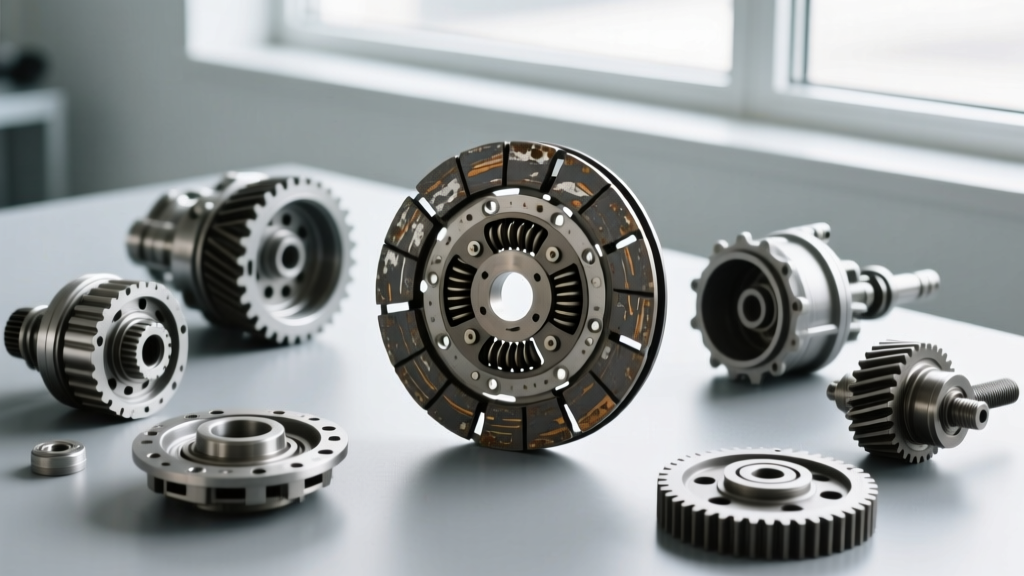
In manual applications like the Tremec T-56 Magnum or the Getrag G56 found in heavy-duty diesels, clutch slipping is almost exclusively a mechanical wear issue. The primary symptoms include:
- RPM Flare Under Load: Accelerating in 3rd or 4th gear at wide-open throttle (WOT) results in engine RPMs climbing without a proportional increase in vehicle speed.
- Glazing and Burnt Odor: A distinct acrid smell resembling burnt brakes, caused by the friction material overheating and glazing the flywheel surface.
- Pedal Freeplay Anomalies: If the clutch hydraulic system lacks proper freeplay (typically 1 to 1.5 inches at the pedal), the throw-out bearing remains in constant contact with the pressure plate diaphragm fingers. This prevents full clamping force, leading to premature slip.
Diagnostic Step: Perform a stall test in a safe environment. Put the vehicle in 4th gear, apply the parking brake, and slowly release the clutch pedal while giving it moderate throttle. If the engine does not stall immediately and instead continues to run while the clutch pedal is fully released, the friction disc (e.g., LuK RepSet or Sachs equivalent) has reached its wear limit. Inspect the flywheel for hot spots and ensure runout does not exceed 0.005 inches.
Automatic Transmission: TCC and Internal Clutch Pack Failure
Automatic transmissions do not have a single 'clutch pedal,' but they rely on multiple internal friction clutch packs and the TCC to lock the engine to the transmission input shaft. Slipping here is often a hydraulic or mechatronic issue rather than simple wear.
GM 6L80 / 6L90 Applications
The GM 6L80 is notorious for 3-5-R clutch wave plate failure. When this wave plate fractures, it sends metal debris through the valve body, scoring the clutch apply pistons. The symptom is a harsh slip or flare during the 3-4 or 4-5 upshift, followed by a loss of reverse. Diagnosis requires dropping the pan and inspecting for fine metallic glitter in the fluid. Preventive replacement of the Sonnax 104740-09K TCC regulator valve kit during a fluid service can prevent torque converter shudder, a common precursor to total TCC failure.
ZF 8HP (Chrysler 8-Speed / BMW / Audi)
The ZF 8HP relies heavily on precise hydraulic line pressure managed by the mechatronic unit. A common cause of clutch slip in these units is the degradation of the mechatronic sealing sleeves. When these plastic sleeves crack, line pressure drops, and the 'A' or 'B' clutch packs cannot fully engage, resulting in a 'flare' during the 2-3 shift. Diagnosis requires a bi-directional OBD2 scanner capable of reading live TCC slip speed and clutch pack adaptation values. If TCC slip exceeds 50 RPM while cruising at steady throttle, the converter or hydraulic circuit is failing.
Preventive Maintenance Specifications & Torque Data
Preventing clutch slip requires strict adherence to fluid specifications and service intervals. Using the wrong fluid friction modifier will cause immediate TCC shudder and clutch pack glazing. Below is a 2026 preventive maintenance matrix for common transmissions prone to slipping.
| Transmission Model | Fluid Specification | Pan Drop Capacity | Pan Bolt Torque Spec | Preventive Service Interval |
|---|---|---|---|---|
| GM 6L80 / 6L90 | Dexron ULV / HP | 6.0 Quarts | 106 lb-in (9 lb-ft) | 45,000 Miles (Severe Duty) |
| ZF 8HP (8-Speed) | ZF LifeguardFluid 8 | ~5.5 Liters | 10 Nm (7.4 lb-ft) | 60,000 Miles |
| Tremec T-56 Magnum (Manual) | GM Synchromesh / Tremec HP | 3.5 Quarts | N/A (Fill Plug 20 lb-ft) | 30,000 Miles |
| Ford 10R80 | Mercon ULV | 6.5 Quarts | 89 lb-in (7.4 lb-ft) | 60,000 Miles |
Note: Always verify torque specifications with the factory service manual. Over-torquing aluminum transmission pans, especially on the ZF 8HP and GM 6L80, will warp the sealing surface and cause internal cross-leaks that lead directly to clutch pack slip.
Diagnostic Tools for the Modern Drivetrain
Gone are the days of diagnosing transmission slip purely by 'feel.' In 2026, proper diagnosis requires mechanical and electronic verification.
- Transmission Pressure Gauge: Hook up a 300 PSI gauge (like the Actron CP7838) to the main line pressure port. If line pressure drops below 90 PSI at idle in gear, the internal clutch packs will slip. This points to a worn front pump or a leaking pressure regulator valve.
- OBD2 Live Data (TCC Slip): Monitor 'TCC Slip Speed' via a scan tool. Under steady-state highway cruising, the TCC should be fully locked, showing a slip speed between -10 and +10 RPM. If you see consistent slip of 40+ RPM, the torque converter clutch friction lining is worn, or the TCC PWM solenoid is failing to command full apply pressure.
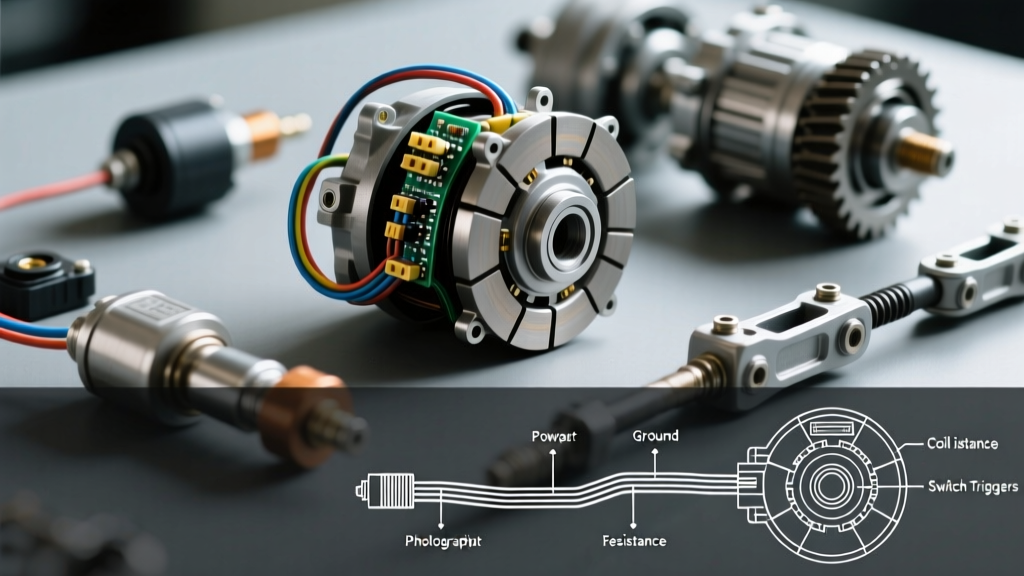
- Clutch Pedal Position (CPP) Sensor Data: On modern manual vehicles, the ECU monitors the CPP sensor. If the clutch hydraulic master cylinder is bypassing internally, the pedal may not fully return, tricking the ECU into cutting torque or causing engagement issues that mimic a slipping disc.
Repair Costs and Rebuild Thresholds
Understanding the financial threshold of repair is vital for preventive maintenance planning. If you catch clutch slip early, you can often save the hard parts (drums, planetary gears, and flywheels).
- Manual Clutch Replacement: A standard LuK or Sachs clutch kit replacement (including flywheel resurfacing) ranges from $1,200 to $2,500 depending on labor rates and whether the subframe must be dropped (common in modern AWD platforms).
- Automatic TCC Solenoid / Valve Body: If the slip is isolated to the torque converter or a worn valve body bore (like the Sonnax TCC regulator fixes), a drop-pan repair will cost between $600 and $1,100. However, the torque converter must usually be replaced or rebuilt ($400-$800 part cost) if the friction lining has disintegrated.
- Full Transmission Rebuild: If clutch slip was ignored, the resulting heat will weld the clutch discs to the steel separator plates and destroy the planetary gears. A full rebuild for a 6L80 or ZF 8HP will range from $3,500 to $6,500 in 2026.
Conclusion
Whether you are searching for how to take off a fan clutch to eliminate engine parasitic drag, or you are hooking up a line pressure gauge to diagnose a slipping 3-5-R clutch pack in a GM 6L80, accurate diagnosis requires a methodical approach. Do not assume an RPM flare is a transmission failure until the engine's cooling and intake systems are verified. Once isolated to the drivetrain, rely on live data, fluid analysis, and precise hydraulic testing to address clutch slipping symptoms before they escalate into catastrophic, wallet-draining hard-part failures.
Sources & Further Reading: