The Shift Paradigm: Wet DCT vs. Traditional Automatics
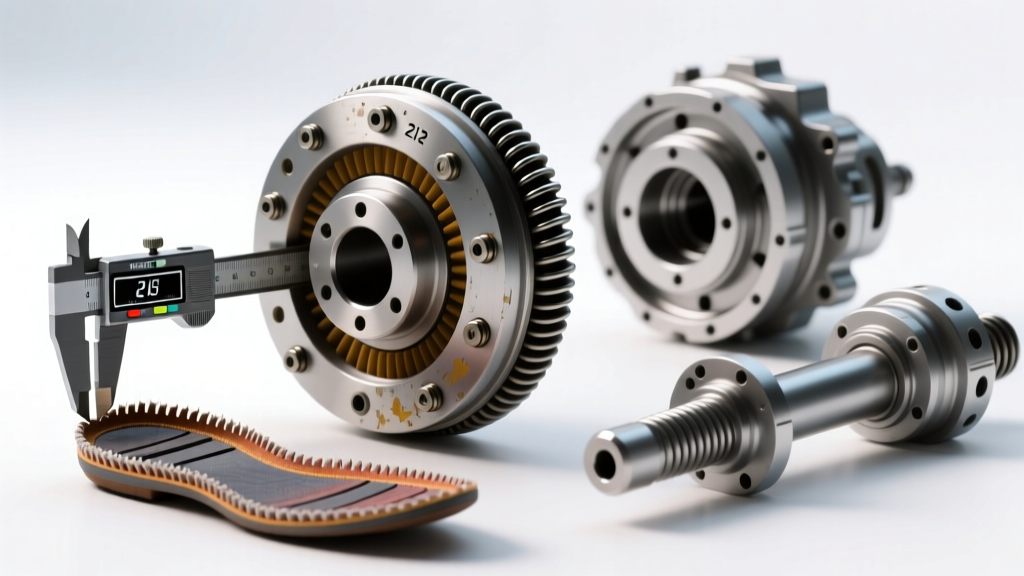
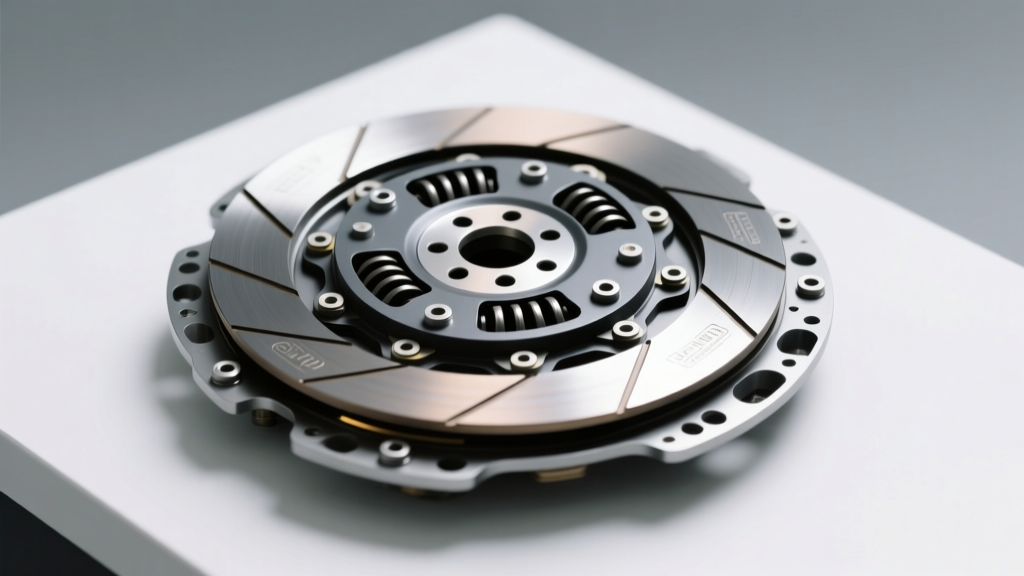
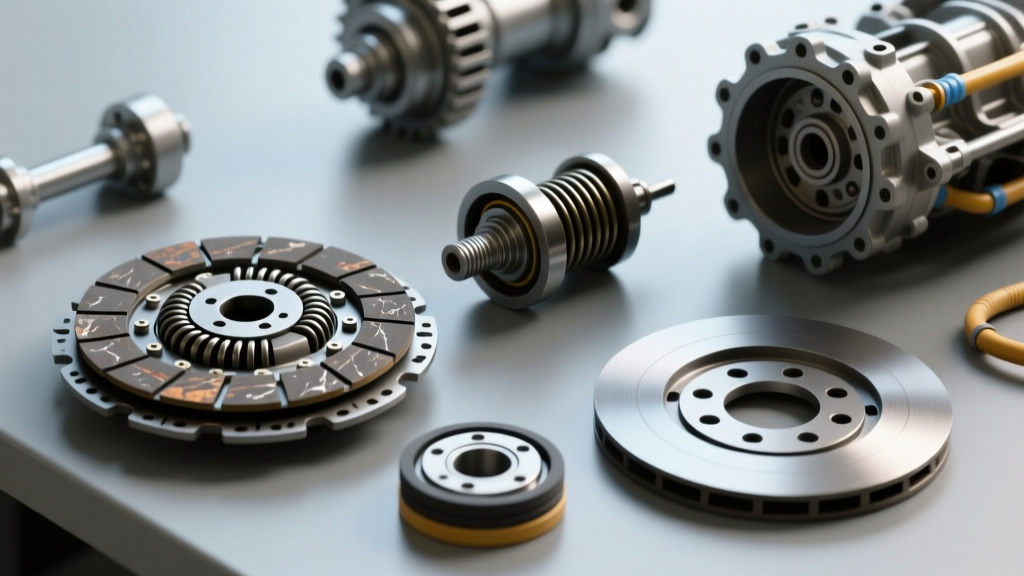
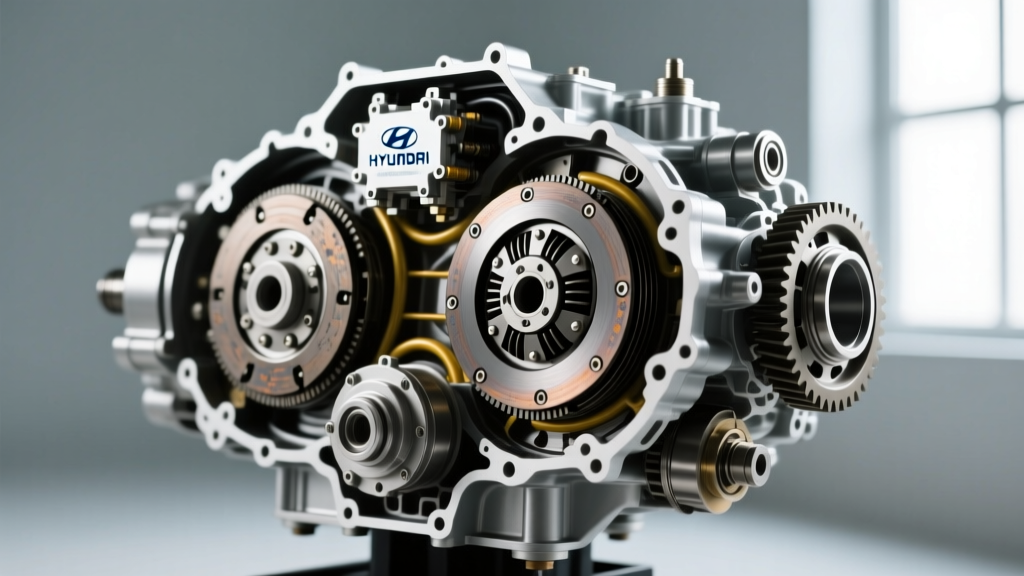
When consumers shop for performance vehicles or modern crossovers, they often group all non-manual gearboxes under the umbrella of 'automatic transmissions.' However, diagnosing clutch problems in automatic transmissions requires a fundamental understanding of what is actually inside the casing. The Hyundai/Kia Smartstream 8-speed Wet Dual Clutch Transmission (8WDCT)—and its performance-tuned variant, the Hyundai N 8-speed wet dual clutch transmission (N DCT)—is not a traditional planetary automatic. It is an automated manual. While a ZF 8HP or Aisin 8-speed relies on a fluid-coupled torque converter to multiply torque and manage low-speed creep, the 8WDCT relies on two physically overlapping, oil-bathed multi-plate clutch packs.
This architectural difference means that the friction materials in an N DCT are subject to physical wear, glazing, and thermal degradation in a way that torque converter automatics simply do not experience. As we move through 2026, the secondary market is seeing an influx of out-of-warranty Elantra N, Veloster N, and Sonata N-Line models. For buyers and technicians alike, recognizing the distinct failure modes of these wet clutches is critical to avoiding catastrophic drivetrain repair bills.
Architectural Comparison: Hyundai N DCT vs. ZF 8HP Torque Converter
To understand why the Hyundai N 8-speed wet dual clutch transmission exhibits specific symptoms, we must compare its mechanical reality to the industry-standard torque converter automatic.
| Specification | Hyundai N 8-Speed Wet DCT (8F40) | ZF 8HP45 Torque Converter |
|---|---|---|
| Coupling Mechanism | Dual Wet Multi-Plate Clutches | Hydrodynamic Fluid Torque Converter |
| Shift Execution Speed | <100ms (N Track Mode) | ~200ms (Sport Mode) |
| Low-Speed Creep | Simulated via Clutch Slip | Native via Fluid Dynamics |
| Friction Material Wear | High (Continuous Slip in Traffic) | Low (Only TCC Lockup Clutch) |
| Fluid Capacity & Type | 4.7L (Hyundai DCTF) | 9.0L+ (ZF Lifeguard 8 ATF) |
| Weight | ~195 lbs (Lighter) | ~225 lbs (Heavier) |
As noted in Car and Driver's extensive testing of the Elantra N DCT, the shift speeds and direct mechanical connection provide an unparalleled driving experience on a track. However, that same mechanical connection is exactly what causes clutch system symptoms when subjected to daily stop-and-go traffic.
Top 3 Clutch System Symptoms in the Hyundai N 8-Speed Wet DCT
Because the N DCT uses wet clutches, the transmission fluid acts as both a lubricant and a coolant. When the fluid degrades, or when the mechatronic unit begins to fail, the symptoms manifest differently than the hard 'limp-mode' shifts of a traditional automatic.
1. Low-Speed Shudder and 'Kangaroo' Hopping
The most common complaint among 8WDCT owners is a violent shudder or hopping sensation when pulling away from a stoplight or navigating a drive-thru. In a torque converter automatic, a failing torque converter clutch (TCC) might cause a high-speed highway shudder. In the Hyundai N 8-speed wet dual clutch transmission, shudder happens at 1-5 mph. This occurs because the Transmission Control Module (TCM) is attempting to slip Clutch Pack 1 (Odd gears) to simulate creep. If the DCT fluid has lost its frictional modifiers due to thermal breakdown, or if the friction plates have become glazed, the clutch rapidly grabs and releases, causing the drivetrain to oscillate.
2. DCT Overheat Warnings in Stop-and-Go Traffic
Unlike dry DCTs (like the early Ford PowerShift or VW DSG dry units) which can overheat in minutes, wet DCTs are submerged in oil, granting them vastly superior thermal capacity. However, if a driver frequently holds the vehicle on a steep incline using the throttle instead of the brake, the micro-slipping of the clutches generates immense heat. The TCM will trigger a 'DCT Overheat' warning on the dash, deliberately delaying shifts and reducing engine torque to protect the friction material. If this warning appears during normal, flat-road traffic, it indicates a failing internal fluid circulation pump or a clogged mechatronic filter.
3. Mechatronic Solenoid Sticking (1-2 and 3-4 Shifts)
The mechatronic unit is the brain and nervous system of the DCT, housing the solenoids that route hydraulic pressure to engage the clutch packs. As clutch material naturally wears, microscopic metallic and friction debris circulates through the fluid. Over 60,000 miles, this debris can clog the fine mesh screens inside the mechatronic valve body. The result is a delayed, sluggish 1-2 or 3-4 upshift, often accompanied by a metallic 'clunk' from the transaxle housing as the hydraulic pressure finally overcomes the sticking solenoid.
Buyer’s Diagnostic Checklist: Evaluating a Used 8WDCT Vehicle
If you are in the market for a used Hyundai Elantra N, Sonata N-Line, or Kia K5 GT equipped with the 8-speed wet DCT, a standard test drive is not enough. You must perform a targeted clutch system diagnostic. According to Hyundai's official powertrain specifications, these transmissions are robust, but they require specific evaluation protocols.
- The Incline Creep Test: Find a steep hill. Come to a complete stop. Release the brake without applying the throttle. The car should hold itself or creep backward slightly. If the engine RPM flares but the car doesn't move, Clutch Pack 1 is severely worn or slipping.
- OBD2 PID Monitoring: Use a bi-directional scanner (such as an Autel MaxiSYS or Snap-on Zeus) to access the TCM data stream. Monitor the Clutch Touch Point (CTP) and Clutch Drag Torque parameters. If the CTP adaptation value has deviated more than 15% from the factory baseline, the friction material is nearing the end of its service life.
- The 'N Grin Shift' Thermal Test: If testing an Elantra N, activate N Grin Shift (NGS). This feature maximizes turbo boost and holds the clutches at maximum line pressure for 20 seconds. Perform a hard 1-2-3 pull. If you smell a distinct 'burnt toast' odor (friction material off-gassing) or experience immediate slip on the 2-3 shift, the clutch packs are glazed and require replacement.
Maintenance, Fluid Specs, and Real-World Repair Costs
Preventative maintenance is the only way to maximize the lifespan of the Hyundai N 8-speed wet dual clutch transmission. Unlike traditional automatics that claim 'lifetime' fluid, DCT fluid is a high-wear consumable.
Fluid Specifications and Service Intervals
The 8WDCT requires specialized Dual Clutch Transmission Fluid (DCTF) that balances gear lubrication with precise clutch friction coefficients. Using standard ATF will destroy the clutch packs within 500 miles.
- Fluid Type: Hyundai/Kia Genuine Dual Clutch Transmission Fluid
- Part Number: 04300-2H100 (Sold in 1-Liter quarts)
- Total Capacity: 4.7 Liters (5.0 US Quarts)
- Drain Plug Torque: 24-26 Nm
- Level Check Plug Torque: 10-12 Nm
- Service Interval: 60,000 miles for street use; 30,000 miles for track/N-Mode heavy use.
2026 Repair Cost Matrix
When diagnosing clutch problems in automatic transmissions of the DCT variety, owners must be prepared for specialized labor costs. Dropping a transaxle to access the clutch packs requires separating the mechatronic unit and realigning the dual-input shafts.
| Repair Procedure | Estimated Parts Cost | Estimated Labor (Hours) | Total Estimated Cost |
|---|---|---|---|
| DCT Fluid Drain & Fill | $80 - $110 | 1.0 | $150 - $220 |
| Mechatronic Unit Replacement | $1,800 - $2,600 | 4.5 | $2,500 - $3,400 |
| Dual Clutch Pack Replacement | $1,100 - $1,500 | 8.0 - 10.0 | $2,800 - $3,800 |
| Complete Remanufactured 8WDCT | $4,500 - $6,000 | 9.0 | $6,000 - $7,500 |
Final Verdict for the 2026 Used Market
The Hyundai N 8-speed wet dual clutch transmission remains a masterpiece of modern shift logic and track-day durability, entirely eliminating the parasitic power loss associated with torque converters. However, buyers must treat it as a high-performance manual transmission that happens to shift itself. If you are willing to adhere to strict 30k-60k mile DCT fluid intervals and avoid using the throttle to hold the car on inclines, the wet clutch packs can easily exceed 100,000 miles. If a pre-purchase OBD2 scan reveals maxed-out clutch adaptation values, use the $3,000+ clutch replacement estimate as a powerful negotiating tool to offset the vehicle's purchase price.