The Diagnostic Dilemma: Input Speed Sensor vs. Transmission Range Sensor Circuit
When a modern automatic transmission drops into limp mode, the immediate reaction for many DIYers and even some generalist mechanics is to scan for codes and start throwing parts at the problem. Two of the most frequently confused diagnostic trouble codes (DTCs) in the powertrain control module (PCM) are P0715 (Input/Turbine Speed Sensor Circuit Malfunction) and the P0705/P0706 series (Transmission Range Sensor Circuit Malfunction). While both can trigger fail-safe modes and harsh shifting, their root causes, physical locations, and replacement costs are entirely different.
As of 2026, the integration of transmission electronics into complex mechatronic units and electro-hydraulic control modules (TEHCM) has blurred the lines for consumers browsing aftermarket parts catalogs. This comprehensive buyer's guide and diagnostic comparison will help you accurately distinguish between a failing transmission input speed sensor (TISS) and a transmission range sensor circuit fault, ensuring you buy the exact component your vehicle actually needs.
Core Functional Differences: TISS vs. TRS
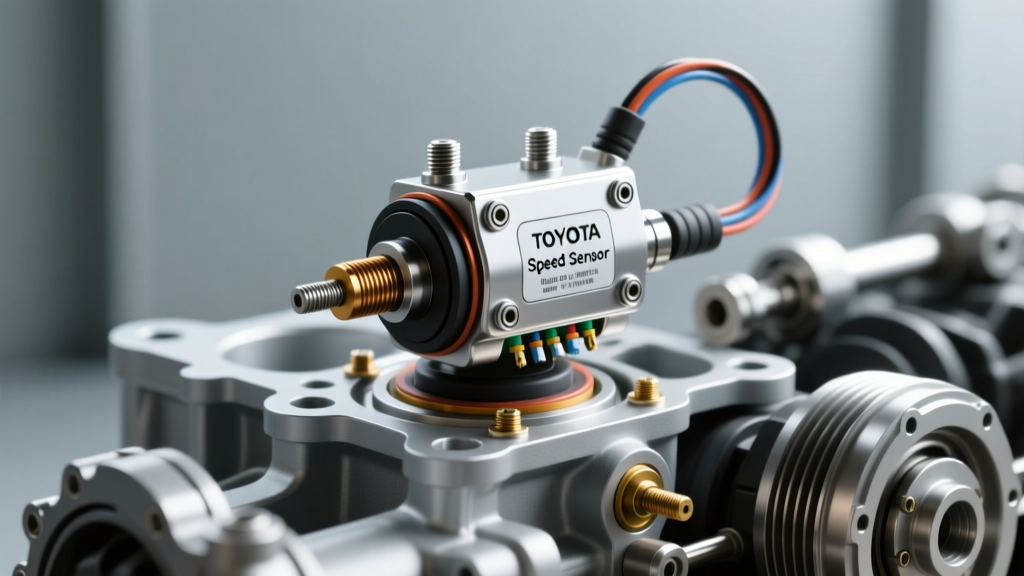
To make an informed purchasing decision, you must understand what these sensors actually measure. The Transmission Input Speed Sensor (TISS) is a dynamic electromagnetic or Hall-effect device that monitors the rotational speed of the transmission's turbine shaft. The PCM compares this data against the Output Speed Sensor (OSS) and engine RPM to calculate slip, dictate shift timing, and control line pressure via the shift solenoids.
Conversely, the Transmission Range Sensor (TRS)—often called the PRNDL switch or neutral safety switch—is a static position sensor. It tells the PCM what gear the driver has manually selected via the shift linkage. A 'transmission range sensor circuit' fault usually indicates an open or short in the switch's internal contacts, a misaligned shift linkage, or corroded wiring harness pins, rather than a rotational speed anomaly.
Symptom & Code Comparison Matrix
| Diagnostic Parameter | Input Speed Sensor (TISS) | Transmission Range Sensor (TRS) |
|---|---|---|
| Primary OBD-II Codes | P0715, P0716, P0717 | P0705, P0706, P0707, P0708 |
| Common Symptoms | Harsh 1-2 shifts, torque converter clutch (TCC) slip, speedometer erratic, limp mode (3rd gear only). | No crank/no start, reverse lights stuck on, shift indicator mismatch, inability to exit 'Park'. |
| Physical Location | Internal: Valve body, pump housing, or integrated into the TEHCM/Mechatronic unit. | External: Mounted on the transmission case exterior, aligned with the manual shift lever shaft. |
| Average 2026 Part Cost | $35 - $280 (Highly dependent on TEHCM integration) | $45 - $160 |
| Fluid Drain Required? | Yes (Pan drop and filter change mandatory) | No (External mounting) |
2026 Buyer’s Guide: Top Transmission Input Speed Sensors
If your scan tool confirms a P0715 code and live data shows the input RPM dropping to zero while the engine is revving in gear, you need a new TISS. The aftermarket landscape in 2026 is dominated by OEM-tier suppliers. Avoid unbranded 'white box' sensors from dubious online marketplaces; they frequently suffer from poor heat resistance and fail within 5,000 miles due to degraded internal epoxy.
Top-Tier Replacement Recommendations
- Delphi Technologies (e.g., SS10918 for GM 4L60E/4L80E): Delphi remains the gold standard for GM applications. Their Hall-effect sensors feature OEM-spec connector seals that prevent ATF wicking into the harness. Price Range: $45 - $65.
- Motorcraft (e.g., SW-6854 for Ford 6R80/6F35): For Ford's ZF-derived 6R80, the ISS and OSS are mounted directly to the valve body. Motorcraft replacements guarantee the correct magnetic reluctance gap. Price Range: $55 - $85.
- ZF Original (Mechatronic Sleeve/Sensors for 8HP45/70/90): In ZF 8-speed applications, the speed sensors are often integrated into the Mechatronic unit or the rear housing sleeve. Buying the ZF OEM sleeve (Part # 24117507831) is critical, as aftermarket alternatives often cause adaptive shift errors. Price Range: $180 - $260.
For verified fitment and cross-referencing OEM part numbers, databases like RockAuto remain an invaluable resource for DIYers comparing Delphi, Standard Motor Products (SMP), and Bosch catalogs.
Diagnostic Framework: Testing Before You Buy
Before ordering a replacement, verify the sensor is actually dead. Transmission wiring harnesses—especially those routed near the exhaust or through the TRS circuit—often suffer from chafing or internal corrosion.
Variable Reluctance (VR) vs. Hall-Effect Testing
Older transmissions (like the Ford AOD or early GM 4L60E) use 2-wire Variable Reluctance sensors. You can test these with a digital multimeter (DMM) set to Ohms. Disconnect the sensor and measure resistance across the two pins. A healthy VR sensor typically reads between 200 and 2,000 ohms. If it reads infinite (open) or zero (shorted), the internal coil is dead. Furthermore, setting the DMM to AC Volts and spinning the engine over should yield a fluctuating AC voltage signal.
Modern 3-wire Hall-effect sensors (found in the GM 6L80, 8L90, and most CVTs) require a different approach. These require a 5V reference, a ground, and output a digital square wave. According to engineering documentation from Bosch Mobility Solutions, testing a Hall-effect TISS requires an oscilloscope or a DMM with a frequency/duty-cycle setting. If you have 5V and ground at the harness plug but no square wave signal on the output wire while the turbine spins, the sensor is confirmed faulty.
Installation Protocol & Torque Specifications
Replacing an internal TISS requires dropping the transmission pan, draining the fluid (expect 6 to 9 quarts depending on the torque converter drain plug), and often removing the valve body. Precision during reassembly is non-negotiable.
Critical Installation Steps
- O-Ring Lubrication: Always lubricate the new sensor's O-ring with the exact ATF specified for your transmission (e.g., Dexron VI, Mercon LV, or ZF Lifeguard 8). Installing it dry will cause the O-ring to pinch and leak immediately upon pressurization.
- Debris Clearance: Use a dedicated electrical contact cleaner to blast out the sensor bore. Metal shavings from clutch wear will stick to the new sensor's magnetic tip, causing immediate P0716 ( erratic signal) codes.
- Fastener Torque: Over-tightening the mounting bolt can crack the sensor's plastic housing or strip the aluminum valve body threads.
- GM 4L60E / 4L80E TISS Bolt: 9 Nm (80 lb-in).
- Ford 6R80 ISS/OSS Manifold Bolt: 10 Nm (89 lb-in).
- GM 6L80 TEHCM Fasteners: 6 Nm (53 lb-in) - use a calibrated inch-pound torque wrench.
Edge Cases: When the Sensor Isn't the Problem
In the GM 6L80 and 6L90 platforms, the Input Speed Sensor is integrated directly into the Transmission Electro-Hydraulic Control Module (TEHCM). If your TISS fails, you cannot simply buy a $40 sensor; you must replace or rebuild the entire TEHCM assembly (often exceeding $600), which requires programming the VIN and adaptation data via a GM MDI2 or high-end bidirectional scan tool.
Similarly, a 'transmission range sensor circuit' code (P0705) can sometimes be triggered by a failing TISS if the PCM detects an impossible logical state—for example, if the TRS indicates the vehicle is in 'Drive', but the TISS reads 0 RPM while the OSS reads 40 MPH. The PCM may flag the range sensor circuit as a secondary fault due to the conflicting data. Always read the freeze frame data and check the TISS live data PID before condemning the external PRNDL switch.
Final Verdict for the DIY Mechanic
Understanding the boundary between rotational speed monitoring (TISS) and gear position logic (Transmission Range Sensor Circuit) is the hallmark of an advanced drivetrain diagnostician. By investing in OEM-tier components from Delphi, Motorcraft, or ZF, adhering to strict inch-pound torque specifications, and validating your wiring harness with a multimeter before tearing into the valve body, you can confidently resolve P07xx codes and restore seamless shift quality to your vehicle.