Understanding the Grenadier's Drivetrain Architecture
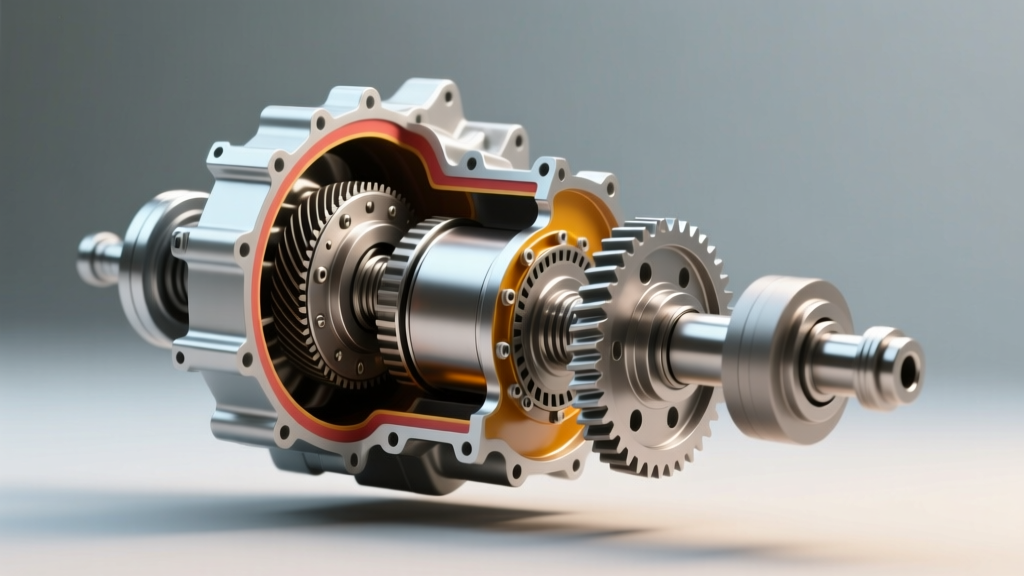
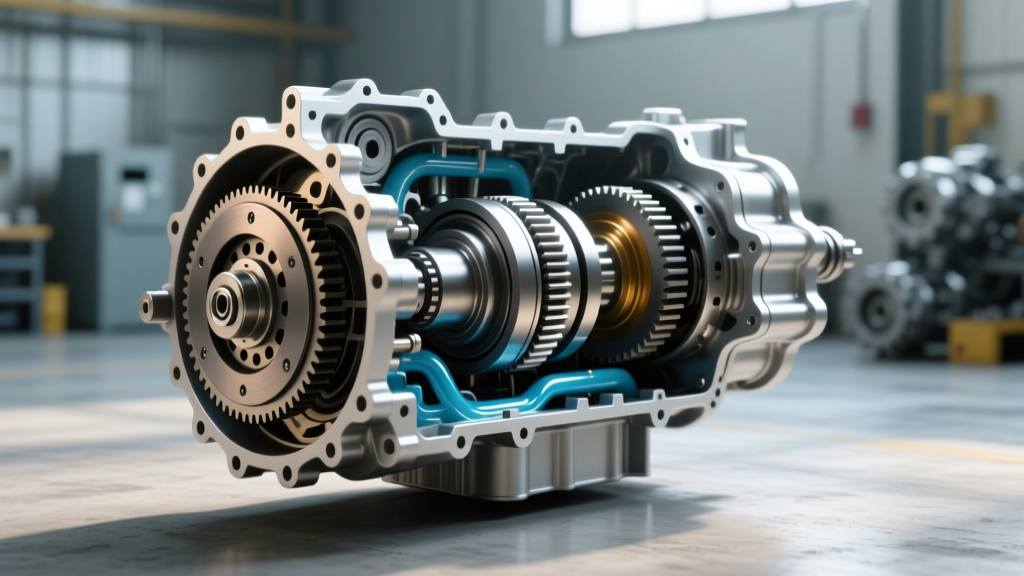
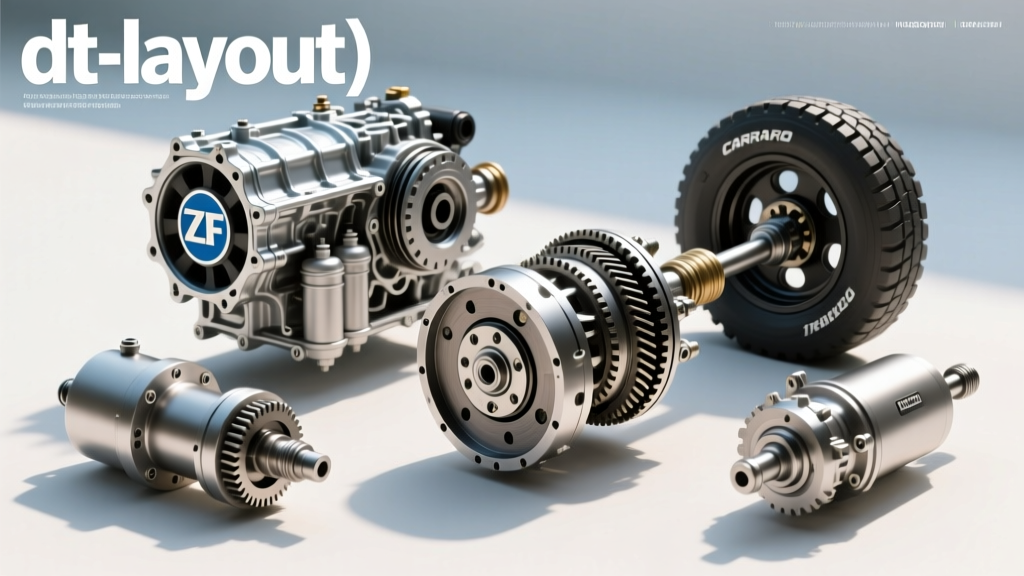
Diagnosing NVH (Noise, Vibration, and Harshness) in the Ineos Grenadier requires a fundamental understanding of its unique, heavy-duty powertrain layout. Unlike unibody crossovers, the Grenadier utilizes a traditional body-on-frame architecture with a longitudinally mounted BMW powerplant (either the B58 3.0L inline-six petrol or B57 3.0L diesel), mated to a ZF 8HP 8-speed automatic transmission. Power is then routed through a Tremec two-speed transfer case to Carraro front and rear solid axles via heavy-duty driveshafts.
When an ineos grenadier drivetrain exhibits abnormal whining, clunking, or grinding, the sheer mass of the vehicle and the robust nature of its components can mask the exact origin of the fault. This step-by-step guide provides professional-grade diagnostic protocols, exact torque specifications, and fluid data to accurately isolate and resolve drivetrain noise issues in the field or the shop bay.
Step 1: Acoustic Mapping and Road Test Protocols
Before placing the Grenadier on a lift, you must perform a structured road test to map the noise against vehicle speed, engine RPM, and load state. Drivetrain noises generally fall into three categories: gear whine, bearing howl, and mechanical clunking.
- Drive vs. Coast Testing: Accelerate under moderate load (Drive) to 60 mph, then lift off the throttle and coast in gear (Coast). Hypoid gear whine in the Carraro axles that changes pitch or disappears between Drive and Coast indicates ring-and-pinion backlash issues or improper gear tooth contact patterns.
- Neutral Coast-Down: Shift into neutral at highway speeds. If the howling noise persists identically while the driveline is unloaded, the issue is likely a wheel bearing or tire tread harmonics, not the drivetrain.
- Static Revving: With the vehicle parked and the transmission in Park, rev the engine to 3,000 RPM. Any high-frequency whine here points to the ZF transmission torque converter stator or the engine accessory drive, completely isolating it from the downstream Tremec transfer case and axles.
Step 2: ZF 8HP Transmission and Torque Converter Isolation
The Grenadier uses the ZF 8HP50 (for the petrol B58) and the 8HP70 (for the diesel B57). A common complaint is a low-frequency shudder or moaning noise occurring between 1,200 and 1,800 RPM during light throttle application.
Torque Converter Lock-Up Shudder
The ZF 8HP utilizes an early lock-up torque converter strategy to improve fuel economy. Over time, the degradation of the friction modifiers in the transmission fluid causes the torque converter clutch (TCC) to slip and grab microscopically, creating a shudder that mimics a failing engine mount or driveline U-joint.
The Fix: Perform a ZF 8HP fluid exchange using the exact OEM fluid. Do not use generic multi-vehicle ATFs. The required fluid is ZF LifeguardFluid 8 (Part # S671 090 312). A complete flush and fill, followed by an adaptation reset via an advanced OBD2 scanner (like Autel or ZF-specific software), resolves this NVH issue in 85% of cases.
Mechatronic Sleeve Leaks
Inspect the rear of the transmission bellhousing area. The ZF mechatronic sealing sleeve (Part # 1068.327.073) is known to degrade, allowing fluid to weep. Low fluid levels cause the transmission pump to cavitate, producing a distinct, high-pitched whine that correlates directly with engine RPM. If fluid is present on the inspection cover, replace the sleeve and top up the fluid to the exact level plug specification at 40°C (104°F).
Step 3: Tremec Transfer Case and Driveshaft Phasing
The Tremec transfer case in the Grenadier is a robust, shift-on-the-fly unit. However, its chain-driven design is susceptible to specific noise profiles.
Chain Stretch and Bearing Preload
A rhythmic 'slapping' or low-end rumble under heavy acceleration that vanishes when the throttle is lifted is a classic symptom of transfer case chain stretch. While the Tremec unit is over-engineered for the Grenadier's torque output, aggressive off-road use and frequent towing can accelerate wear. Checking the chain deflection requires dropping the rear output housing; if deflection exceeds 12mm, chain replacement is mandatory to prevent case rupture.
Driveshaft U-Joint and Center Support Bearing (CSB)
The Grenadier features a multi-piece driveshaft setup with a center support bearing. A worn CSB will produce a growling noise that increases with vehicle speed and is often accompanied by a vibration felt in the cabin floorboards. Furthermore, incorrect U-joint phasing during a previous driveshaft removal will cause a cyclical vibration and humming noise at specific harmonic speeds (usually between 45-55 mph). Always verify that the slip yoke alignment marks are perfectly matched before torquing the flange bolts.
Step 4: Carraro Solid Axle and Differential Diagnosis
Carraro supplies the heavy-duty front and rear solid axles for the Grenadier. These axles utilize massive hypoid gear sets and optional electronic locking differentials. Axle noise is frequently misdiagnosed as transmission whine due to the sound traveling through the rigid ladder-frame chassis.
Pinion Bearing Howl
A continuous, high-pitched howl that tracks perfectly with vehicle speed (regardless of throttle position or transmission gear) almost always points to a failing pinion bearing. The pinion bearing supports the rotational force of the driveshaft; when its internal race develops spalling, it generates severe NVH. Diagnosing this requires a chassis ear or a stethoscope placed directly on the pinion yoke while the vehicle is on a dyno or lift.
Locker Engagement Clunks
Owners often report a loud metallic 'bang' or clunk when engaging or disengaging the front or rear cross-axle differential locks. While some mechanical backlash is normal in heavy-duty locking diffs, excessive clunking indicates worn actuator shift forks or degraded detent springs inside the differential carrier. If the clunk is accompanied by a failure to fully lock, the axle must be dropped and the electronic actuator assembly inspected for corrosion and mechanical binding.
Grenadier Drivetrain Noise Diagnostic Matrix
| Noise Type | Load Condition | Probable Component | Diagnostic Action |
|---|---|---|---|
| High-Pitch Whine | RPM Dependent (Neutral) | ZF Transmission Pump / Torque Converter | Check ZF fluid level at 40°C; inspect mechatronic sleeve for leaks. |
| Shudder / Moan | Light Throttle (1200-1800 RPM) | ZF Torque Converter Clutch (TCC) | Flush with ZF LifeguardFluid 8; perform TCC adaptation reset. |
| Cyclical Growl | Speed Dependent (45-55 mph) | Driveshaft Center Support Bearing | Inspect CSB rubber for tearing; check U-joint phasing marks. |
| Rhythmic Slap | Heavy Acceleration | Tremec Transfer Case Chain | Drop rear housing; measure chain deflection (replace if >12mm). |
| Coast/Drive Whine | Throttle On vs. Throttle Off | Carraro Axle Ring & Pinion | Drain diff fluid to check for metal glitter; check gear tooth pattern. |
| Continuous Howl | Speed Dependent (All Gears) | Carraro Pinion Bearing | Use chassis ear on pinion yoke; check pinion nut torque. |
Step 5: Fluid Specifications and Critical Torque Values
Proper servicing is critical to maintaining the acoustic baseline of the Grenadier's drivetrain. Using incorrect fluid viscosities will immediately introduce gear whine and shift harshness. Below are the exact specifications and torque values required for 2026 model-year servicing.
| Component | Fluid Specification | Capacity (Approx.) | Critical Torque Spec |
|---|---|---|---|
| ZF 8HP50/70 Trans | ZF LifeguardFluid 8 | 8.5 - 9.5 Liters | Pan Bolts: 10 Nm (89 lb-in) *Aluminum threads! |
| Tremec Transfer Case | ATF Dexron VI / Specific OEM | 2.8 Liters | Fill/Level Plugs: 35 Nm |
| Carraro Front Axle | 75W-90 GL-5 Synthetic | 3.5 Liters | Diff Cover Bolts: 45 Nm |
| Carraro Rear Axle | 75W-90 GL-5 Synthetic | 4.0 Liters | Diff Cover Bolts: 45 Nm |
| Driveshaft Flanges | N/A | N/A | M10x1.5 Flange Bolts: 85 Nm |
Expert Insight: The ZF 8HP transmission pan is constructed of lightweight alloy and integrates the filter and mechatronic wiring. Over-torquing the pan bolts beyond the strict 10 Nm specification will strip the threads in the aluminum transmission casing, resulting in a catastrophic leak and requiring a costly case repair or replacement. Always use a calibrated inch-pound torque wrench for this procedure.
Edge Cases: Break-In Harmonics and Tire Interference
When diagnosing the ineos grenadier drivetrain, technicians must account for external variables that mimic internal mechanical failures. The Carraro axles feature heavy-duty hypoid gears that require a meticulous break-in period. It is entirely normal for new Grenadiers (under 5,000 miles) to exhibit a mild, low-frequency axle whine during deceleration. This is the sound of the gear teeth lapping into their final wear pattern. Prematurely tearing down a whining axle with less than 5,000 miles on the odometer is a common diagnostic error.
Furthermore, the Grenadier is frequently equipped with aggressive All-Terrain (A/T) or Mud-Terrain (M/T) tires. Cupped tires or tires with staggered wear patterns generate a resonant howl between 35 and 50 mph that is acoustically indistinguishable from a failing pinion bearing to the untrained ear. Before authorizing any drivetrain teardown, always perform a tire rotation test. If the noise shifts locations or changes pitch after rotating the wheels, the tires—not the drivetrain—are the culprit.
For further technical documentation on ZF transmission servicing protocols, refer to the ZF Group Aftermarket Portal. For axle-specific torque diagrams and locker actuator schematics, consult Carraro Drivetech or your local INEOS Automotive dealership service department.