The Short Answer: Yes, But It Is Integrated
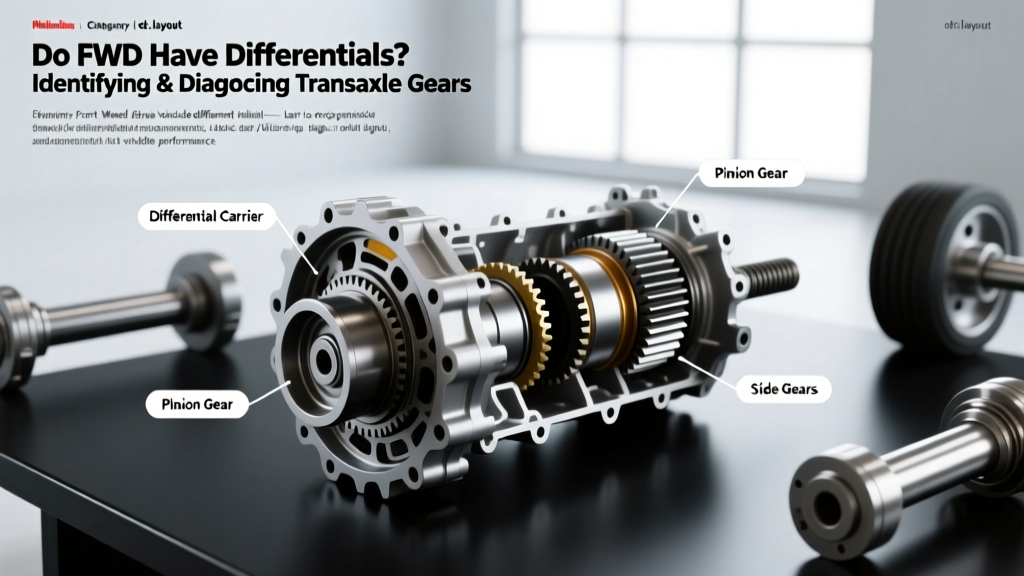
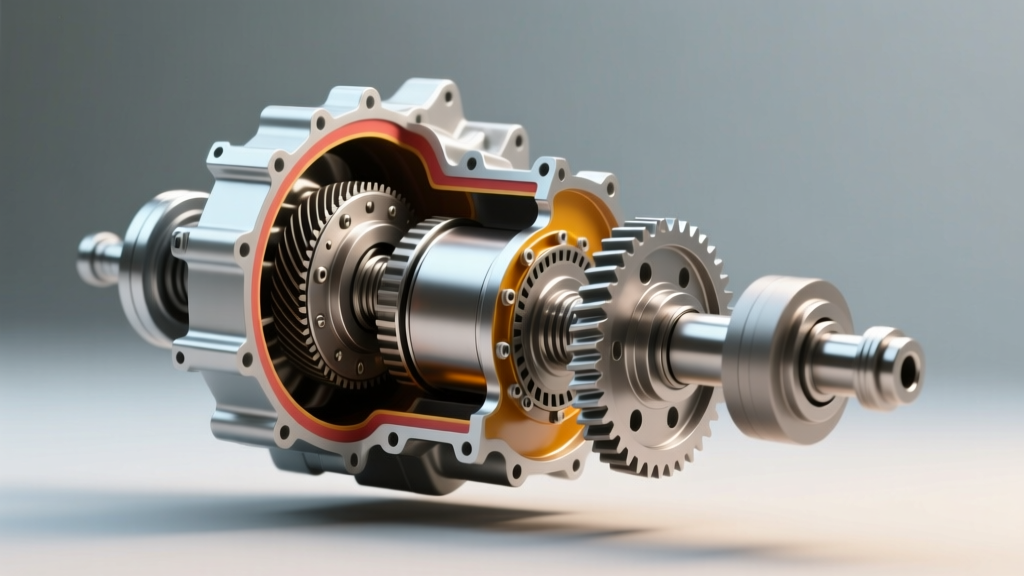
When automotive enthusiasts and DIY mechanics ask, do front wheel drive cars have a differential, the answer is an absolute yes. However, unlike rear-wheel-drive (RWD) or traditional four-wheel-drive (4WD) vehicles where the differential is a distinct, pumpkin-shaped housing bolted to the rear axle, front-wheel-drive (FWD) vehicles package the differential directly inside the transmission case. This integrated unit is universally known as a transaxle.
Because the differential shares space—and often fluid—with the transmission's gearsets, torque converter, and clutch packs, maintaining a FWD differential requires a highly specific approach. Neglecting transaxle service doesn't just risk your gear shifts; it directly starves the ring and pinion gears, leading to catastrophic differential failure. In this expert guide, we break down the architecture of FWD differentials, precise maintenance protocols, and the exact torque specifications you need for modern 2026 drivetrain service.
Transaxle Architecture: Shared vs. Isolated Sumps
To properly service a FWD differential, you must first identify whether your vehicle utilizes a shared-sump or isolated-sump transaxle design. This distinction dictates the type of fluid required and the service procedure itself.
Shared Sump Designs (GM, Toyota, Ford, VW)
In a shared sump transaxle, the differential ring gear dips directly into the same automatic transmission fluid (ATF) or dual-clutch fluid that lubricates the planetary gearsets and hydraulic valve body. While this saves space and reduces manufacturing costs, it means the differential must rely on ATF—which is optimized for hydraulic pressure and friction modification—rather than dedicated hypoid gear oil. Contaminants from degrading clutch packs can circulate through the differential bearings, accelerating wear.
Isolated Sump Designs (Honda, Acura, Hyundai)
Automakers like Honda and Hyundai frequently engineer their FWD transaxles with a physical barrier separating the transmission case from the differential housing. The transmission side uses specialized ATF, while the differential side requires a dedicated hypoid gear oil or specialized differential fluid (like Honda's DPSF-II) to handle the extreme shearing forces of the ring and pinion gears.
| Manufacturer | Transaxle Model | Sump Type | Differential Fluid Spec | Diff. Capacity (Approx.) |
|---|---|---|---|---|
| General Motors | 9T50 (9-Speed FWD) | Shared | Dexron ULV | ~4.2 qts (Drain/Fill) |
| Honda / Acura | 10AT (e.g., Accord) | Isolated | Honda DPSF-II / SAE 75W-85 | ~1.6 qts |
| Toyota / Lexus | UA80E (8-Speed FWD) | Shared | Toyota ATF WS | ~3.5 qts (Drain/Fill) |
| Ford | 8F35 (8-Speed FWD) | Shared | Motorcraft Mercon ULV | ~4.5 qts (Drain/Fill) |
Expert Maintenance Protocols for FWD Differentials
According to Car and Driver's transmission fluid guide, the industry push toward 'lifetime' fluids has severely shortened the lifespan of modern transaxle differentials. For severe duty (city driving, towing, hilly terrain), fluid degradation occurs rapidly due to thermal breakdown and mechanical shearing.
Shared Sump Service Procedure (Drain and Fill)
For shared sump transaxles like the GM 9T50 or Toyota UA80E, you are servicing the entire transaxle, which inherently services the differential. Never use a pressurized flush machine on modern FWD transaxles; the high pressure can dislodge clutch material and force it into the differential pinion bearings.
- Preparation: Level the vehicle on jack stands. The transaxle must be perfectly level to ensure the differential gets the correct fluid volume.
- Drain: Remove the magnetic drain plug. Inspect for fine metallic paste (normal) versus chunky spalling (impending ring gear failure).
- Refill: Pump the exact OEM-specified fluid into the fill port. For GM 9-speeds, this is Dexron ULV (Ultra Low Viscosity). Using standard Dexron VI will cause hydraulic slip and differential overheating.
- Torque Specs: Reinstall the drain plug with a new crush washer. GM 9T50 drain plug torque: 28 lb-ft (38 Nm). Toyota UA80E overflow plug torque: 15 lb-ft (20 Nm).
Isolated Sump Service Procedure (Honda/Acura Focus)
If you are maintaining an isolated FWD differential, you will actually perform two separate drain-and-fill procedures. The transmission gets its ATF DW-1, while the differential gets its own fluid.
- Locate the secondary differential drain and fill plugs on the transaxle housing (usually facing the passenger side wheel well).
- Drain the old hypoid fluid. Note the smell; a burnt, sulfur-heavy odor indicates extreme thermal stress on the ring and pinion.
- Refill with Honda DPSF-II or an exact SAE 75W-85 Hypoid equivalent. Capacity is typically 1.6 quarts.
- Torque the differential drain plug to 32 lb-ft (44 Nm) and the fill plug to 32 lb-ft (44 Nm).
Diagnosing Transaxle Differential Wear and Failure
Because the differential is buried inside the transaxle casing, diagnosing failure requires a trained ear and an understanding of FWD load dynamics. As noted in Hagerty's technical breakdown of drivetrain acoustics, isolating differential noise from transmission whine is a critical diagnostic skill.
- Deceleration Whine: A high-pitched howl that occurs specifically when you lift off the throttle between 30-50 mph points to pinion bearing wear or improper ring-and-pinion backlash. In a FWD car, lifting off the throttle reverses the load on the hypoid gears, exposing wear on the 'coast' side of the gear teeth.
- Cornering Shudder (LSD Models): Some performance FWD cars (like the Honda Civic Type R or Ford Focus ST) feature electronic or mechanical limited-slip differentials (LSD) integrated into the front transaxle. If you feel a violent shudder or 'chatter' from the front tires during tight, low-speed turns, the LSD clutch packs are starved of friction modifiers or physically glazed. A drain, fill, and friction-modifier additive treatment is the first line of defense.
- Speedometer Sensor Errors: In many modern FWD layouts, the transmission speed sensor reads a reluctor ring mounted directly on the differential carrier. If differential bearings wear out and allow excessive carrier runout, the sensor will read erratic data, triggering Check Engine Lights (e.g., P0720 Output Speed Sensor Circuit) and harsh transmission shifts.
The 'Lifetime Fluid' Myth and Best Practices
Many OEMs claim their FWD transaxle fluid is 'lifetime,' meaning it is designed to last through the warranty period (typically 60,000 to 100,000 miles). However, independent tribology studies and Mobil's fluid interval recommendations suggest that ATF and hypoid fluids lose their critical anti-wear additives (like zinc and phosphorus) long before the vehicle's mechanical life ends.
Establish a Proactive Service Interval
To ensure your FWD differential survives past 150,000 miles, adopt the following expert maintenance schedule:
- First Service (Break-in): Drain and fill at 30,000 miles. Manufacturing micro-shavings from the ring gear and clutch packs are highest during the initial break-in period. Removing these prevents them from embedding into the differential's soft babbitt bearings.
- Ongoing Interval: Perform a drain-and-fill every 45,000 to 60,000 miles using strictly OEM-certified fluids.
- Fluid Analysis: For fleet vehicles or track-driven FWD cars, send a fluid sample to a lab (like Blackstone Laboratories) every 30,000 miles. High iron levels indicate ring gear wear, while high copper/bronze levels point to differential thrust washer degradation.
Understanding that your FWD car absolutely does have a differential—and treating it with the targeted, fluid-specific maintenance it requires—is the difference between a transaxle that fails at 90,000 miles and one that seamlessly crosses the 250,000-mile threshold.