The Illusion of the Pedal-less Automatic
When automotive enthusiasts and engineering students ask, do prototype hypercars have a clutch pedal, the answer in the 2026 automotive landscape is a resounding no. Modern flagship vehicles—from the Koenigsegg Jesko to the Bugatti Tourbillon—have entirely abandoned the third pedal. Instead, they rely on highly complex Automated Manual Transmissions (AMT) or Dual-Clutch Transmissions (DCT). However, the absence of a foot-operated pedal does not mean the absence of a clutch. In fact, these "automatic" hypercars rely on internal multi-plate wet clutch packs that are fundamentally similar to, yet vastly more stressed than, the clutch packs found in standard passenger car automatic transmissions.
As a transmission diagnostic specialist, understanding the bridge between hypercar automated clutches and everyday automatic transmission clutch problems is critical. Both systems suffer from friction material degradation, hydraulic mechatronic failures, and fluid shear breakdown. This buyer’s guide and diagnostic comparison breaks down how clutch problems manifest in automatic transmissions, contrasting the exotic engineering of hypercars with the ubiquitous ZF 8HP and GM 6L80 architectures.
Architecture Comparison: Torque Converters vs. Hypercar DCTs
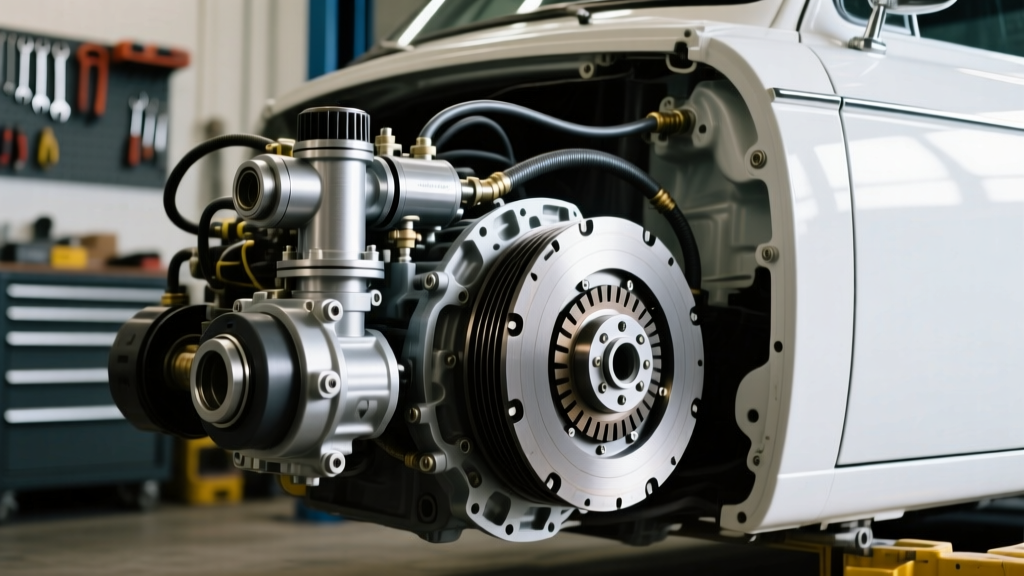
To diagnose clutch slip or shudder, you must first understand the hardware. A standard automatic transmission, like the ZF 8HP76, uses a hydrodynamic torque converter paired with internal Schaeffler friction clutch packs to achieve gear ratios. The torque converter absorbs low-speed slip and multiplies torque, shielding the internal clutches from the brutal friction of launching a 4,500-pound vehicle from a dead stop.
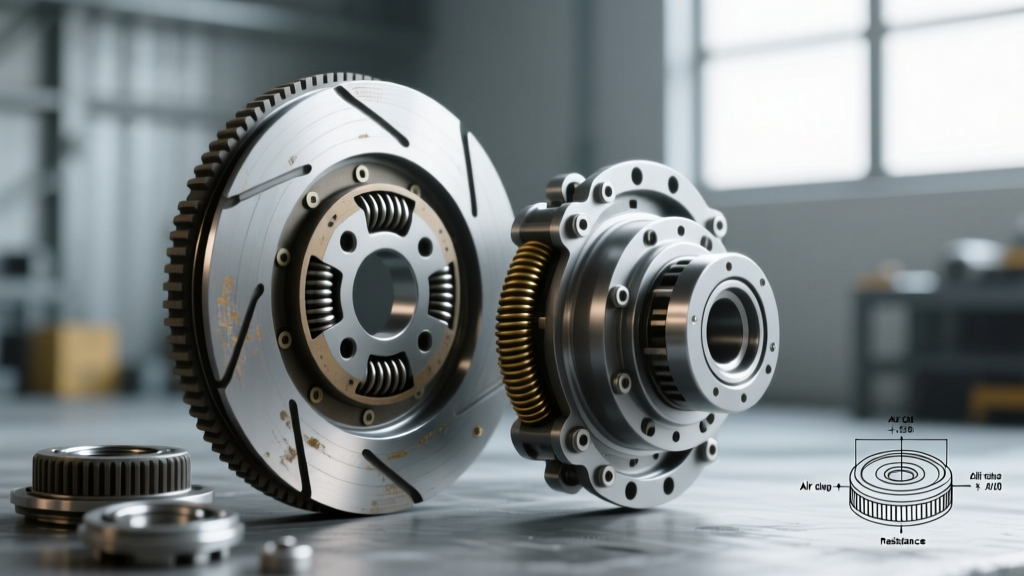
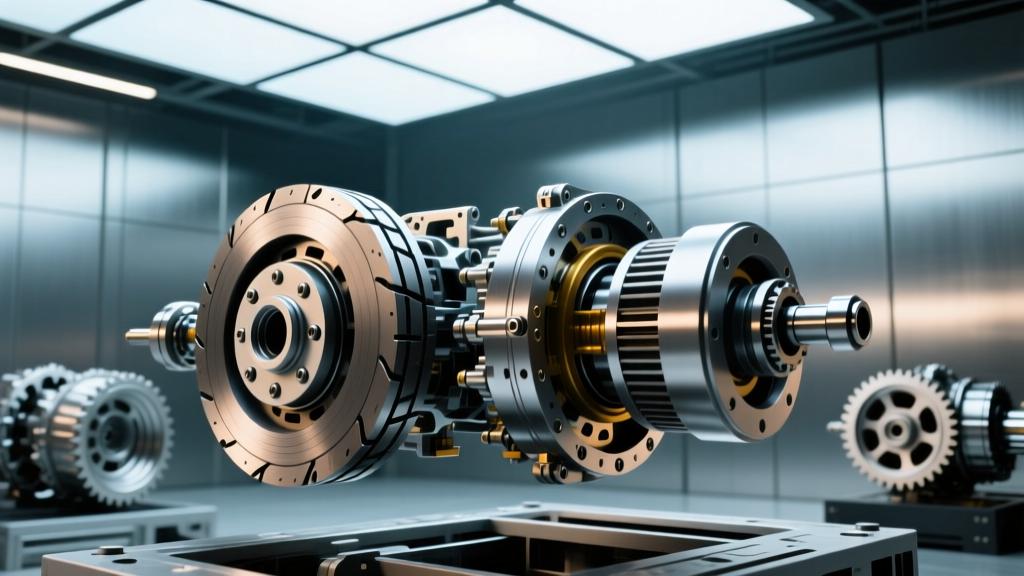
Conversely, prototype hypercars utilize DCTs or multi-clutch AMTs. The Tremec TR-9077 (Light Speed Transmission) used in the Koenigsegg Jesko features nine forward gears and utilizes a multi-clutch wet setup without a traditional torque converter. Similarly, Ricardo engineers the 8-speed DCTs found in Bugatti hypercars. Because there is no fluid-coupling torque converter to absorb launch energy, the wet clutch packs in these hypercars must handle immense thermal loads, making them highly susceptible to specific failure modes that mimic standard automatic transmission clutch problems.
2026 Engineering Note: While the latest hybrid hypercars (like the Aston Martin Valkyrie or Mercedes-AMG ONE) use electric motors to fill low-end torque gaps—thereby reducing clutch slip during launch—the internal friction packs remain the primary failure point for high-RPM shift quality and engagement diagnostics.
Diagnosing Clutch Problems in Automatic Transmissions
Whether you are troubleshooting a daily-driver SUV or a track-focused exotic, clutch problems in automatic transmissions generally present in three distinct ways. Here is how to diagnose them using modern bidirectional scan tools and hydraulic pressure gauges.
1. Low-Speed Shudder and Chatter
Standard Automatics (ZF 8HP / GM 8L90): Shudder during light throttle application (usually in 3rd or 4th gear) is often caused by torque converter clutch (TCC) slip or degraded friction modifiers in the fluid. For the GM 8L90, this is a well-documented issue requiring a fluid flush and the installation of an updated TCC apply valve.
Hypercars (DCT/AMT): Shudder during takeoff indicates wet clutch pack glazing. Because hypercars lack a torque converter, the launch clutches must slip precisely to move the car. If the hydraulic actuation pressure drops below the commanded 12-15 bar threshold, or if the carbon-fiber friction material becomes glazed from overheating, severe chassis chatter occurs.
2. RPM Flare (Clutch Slip)
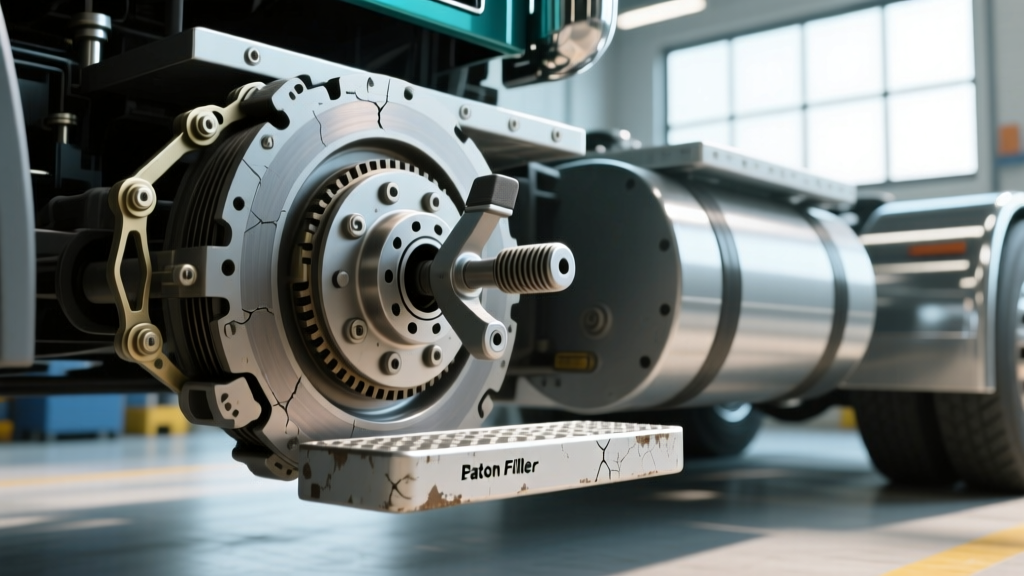
RPM flare between shifts means a clutch pack is failing to hold engine torque. In a standard automatic, this is often due to worn piston seals or a cracked clutch drum. For example, the GM 6L80 is notorious for 3-5-R clutch wave plate failure (Part #24239185), which shreds metal into the valve body and destroys the friction plates.
In a hypercar DCT, RPM flare usually points to a failing mechatronic unit. The solenoid valves controlling the clutch apply pressure degrade over time, leading to a delayed pressure ramp-up. The ECU commands a shift, the hydraulic pressure drops prematurely, and the engine flares before the next gear's clutch pack fully engages.
3. Harsh Engagements and Shift Shock
Ironically, harsh shifting is often a symptom of a failing clutch control system, not a healthy one. When adaptive shift learning maxes out to compensate for thinning friction materials, the transmission will slam into gear. Resetting the adaptive values via OBD-II will temporarily mask the issue, but the physical wear remains.
Failure Metrics: ZF 8HP vs. Hypercar Multi-Clutch Systems
| Diagnostic Metric | Standard Auto (ZF 8HP76) | Hypercar DCT (Ricardo / Tremec) |
|---|---|---|
| Primary Friction Material | Cellulose / Kevlar blends | Sintered Bronze / Carbon-Fiber |
| Operating Temp Limit | 130°C (266°F) continuous | 160°C (320°F) continuous |
| Common Failure Point | Mechatronic adapter sleeve leaks | Throw-out bearing / Actuator wear |
| Clutch Pack Clearance | 0.50mm - 0.75mm per pack | 0.25mm - 0.40mm (tighter tolerances) |
| Fluid Shear Stability | Degrades ~60k miles | Degrades ~15k track miles |
Buyer’s Guide & Repair Economics: Rebuild vs. Replace
When clutch problems in automatic transmissions reach the point of no return, the financial reality of repairs varies wildly between consumer vehicles and prototype hypercars. If you are evaluating a used vehicle or planning a drivetrain overhaul, consider these 2026 market realities.
Standard Automatic Transmission Rebuilds
Rebuilding a standard automatic is a well-documented science. A master rebuild kit for a ZF 8HP (including all friction plates, steel separators, and piston seals) typically costs between $450 and $700. The infamous ZF mechatronic adapter sleeve (Part #68304405AA for FCA applications) is a $35 part that requires dropping the valve body. When reassembling the ZF 8HP valve body to the transmission case, strict adherence to torque specifications is mandatory: 8 Nm plus a 90-degree turn for the mechatronic-to-case bolts. Total labor and parts for a professional 8HP rebuild generally range from $2,800 to $4,500.
The Hypercar DCT Reality
You cannot simply buy a "master rebuild kit" for a Bugatti or Koenigsegg transmission. These units are sealed, nitrogen-purged, and require factory-clean environments to rebuild due to their microscopic hydraulic tolerances. If the multi-clutch packs in a Ricardo DCT fail, the standard protocol is a complete transmission replacement or a factory-sponsored teardown. Replacement costs for hypercar DCT assemblies range from $45,000 to well over $90,000, excluding the proprietary diagnostic software licenses required to calibrate the clutch bite points post-installation.
Fluid Specifications and Preventative Diagnostics
The lifeblood of any automatic clutch system is its fluid. Standard automatics rely on fluids like ZF LifeguardFluid 8 or GM Dexron VI. These fluids contain specific friction modifiers designed to allow a controlled amount of slip during shifts. If a shop mistakenly tops off a ZF 8HP with a generic multi-vehicle ATF, the altered friction coefficient will cause immediate clutch chatter and premature wear.
Hypercars utilize bespoke, highly shear-stable synthetic fluids designed to maintain viscosity at extreme thermal loads. Diagnostics in 2026 heavily rely on fluid analysis. Sending a 50ml sample to a tribology lab can reveal the exact percentage of friction material loss (measured in parts-per-million of copper, iron, and carbon) long before a driver feels a slip or shudder.
Actionable Diagnostic Checklist
- Monitor Clutch Pressure PIDs: Use a bidirectional scanner to graph commanded vs. actual clutch apply pressure. A variance greater than 15 psi indicates a leaking piston seal or failing solenoid.
- Check Fluid Color and Odor: Burnt-smelling fluid with a dark brown/black hue confirms friction material delamination. Stop driving immediately to save the valve body.
- Inspect Cooler Lines: Restricted transmission coolers cause fluid temperatures to spike, baking the clutch resins. Ensure cooler flow rates meet OEM specifications (typically 1.5 to 2.0 GPM at idle).
Conclusion
So, do prototype hypercars have a clutch pedal? No. But they absolutely have clutches, and those clutches are subject to the same fundamental laws of physics, friction, and hydraulic degradation as the automatic transmission in your daily commuter. Whether you are diagnosing a slipping 3-5-R clutch in a GM 6L80 or evaluating the launch-control shudder of a multi-million-dollar DCT, the diagnostic principles remain identical: verify hydraulic pressure, inspect friction material integrity, and respect the fluid chemistry. Understanding these parallels is the key to mastering modern drivetrain diagnostics.