The Fluid Capacity Dilemma in Modern Automatics
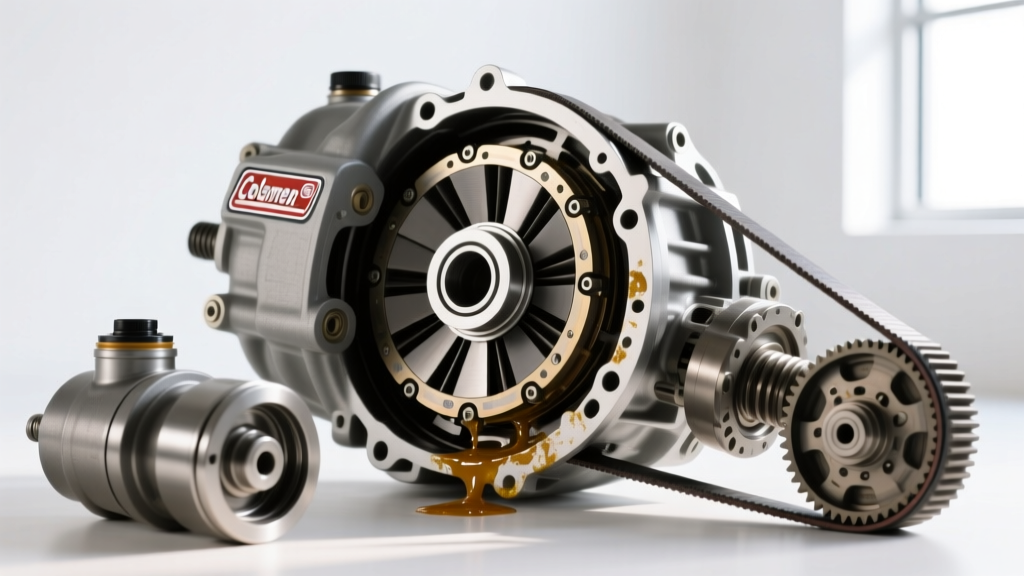
The hydraulic torque converter is the fluid coupling heart of your automatic transmission, serving as both a torque multiplier and a primary fluid reservoir. In modern 8-speed and 10-speed transmissions like the GM 8L90, Ford 10R80, and ZF 8HP series, the torque converter and transmission cooler lines hold up to 70% of the total fluid capacity. A standard gravity drain-and-fill only removes 3 to 5 quarts from the transmission pan, leaving 8 to 12 quarts of degraded fluid and suspended clutch particulate trapped inside the hydraulic torque converter, stator, and cooler circuits.
As we navigate the 2026 automotive landscape, the myth of 'lifetime' transmission fluid has been thoroughly debunked by independent transmission rebuilders. Friction modifiers deplete over time, leading to the infamous torque converter clutch (TCC) shudder, while sheared fluid loses its hydraulic viscosity, causing slip and excessive heat generation. Whether you are maintaining a stock daily driver or a high-stall aftermarket setup, understanding how to properly exchange fluid in the hydraulic torque converter is critical for drivetrain longevity.
Understanding Hydraulic Torque Converter Contamination
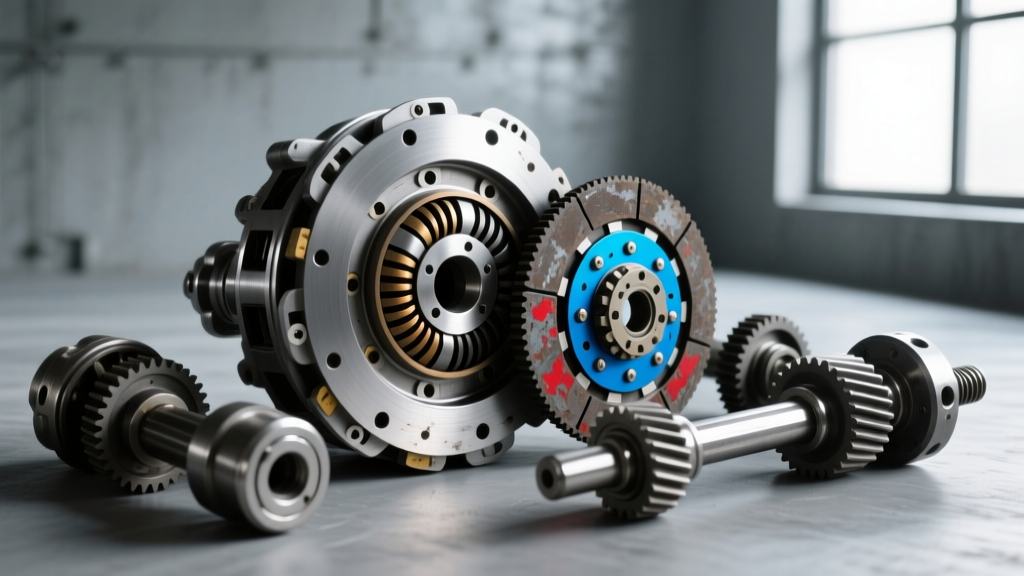
During normal operation, the TCC applies and slips microscopically to maintain smooth lockup and manage heat. This continuous friction sheds microscopic clutch material into the fluid. Because the hydraulic torque converter acts as a centrifuge, heavier metallic particles can become embedded in the stator fins, while lighter clutch material circulates through the valve body. If this debris reaches the TCC PWM (Pulse Width Modulation) solenoid, it can cause erratic apply pressures, resulting in the violent shudder commonly felt at highway speeds. According to Sonnax's technical insights on TCC apply, maintaining clean fluid passages and precise hydraulic pressure is non-negotiable for modern slip-controlled lockup clutches.
Comparing Flush Methods: Machine vs. Dynamic Inline
When addressing hydraulic torque converter maintenance, shops and DIYers generally choose between pressurized machine flushes and dynamic inline cooler-line flushes. Each method carries distinct advantages, risks, and cost profiles.
| Flush Method | Fluid Exchanged | Risk Level | Avg. Cost (2026) | Best Application |
|---|---|---|---|---|
| Pressurized Machine | 95-100% | High (Debris displacement) | $250 - $400 | Low-mileage preventative maintenance |
| Dynamic Inline (DIY/Shop) | 90-95% | Low (Utilizes OEM pump) | $80 - $150 | High-mileage vehicles, TCC shudder fixes |
| Pan Drop & Refill | 30-40% | Very Low | $50 - $120 | Severely neglected, high-slip transmissions |
The Danger of Pressurized Machine Flushes
Professional exchange machines (like those from BG Products or Motorvac) connect to the transmission cooler lines and use external pumps to force new fluid in while pushing old fluid out. While this achieves a near 100% fluid exchange, the external pressure can dislodge accumulated debris from the hydraulic torque converter walls and push it backward into the delicate valve body and solenoid screens. For high-mileage vehicles (over 80,000 miles) that have never seen a fluid change, pressurized flushing is highly discouraged.
The Superiority of the Dynamic Inline Flush
The dynamic inline flush utilizes the transmission's own internal hydraulic pump to push fluid out of the torque converter and cooler return line while you simultaneously add fresh fluid to the dipstick or fill tube. This method operates at normal OEM hydraulic pressures, preventing the violent displacement of debris while effectively purging the hydraulic torque converter. It is the gold standard for resolving GM 8L90 'Chevy Shake' and Ford 10R80 shudder issues.
OEM vs. Aftermarket Fluid Specifications
Selecting the correct fluid is paramount. Modern torque converters rely on highly specific friction modifier packages to manage the TCC lockup phase. Using the wrong fluid will result in immediate shudder and potential clutch glazing.
- GM 6L80 / 8L90: Requires ACDelco Dexron VI (Part # 10-9395) or the newer Dexron ULV for 8-speed applications. For 8L90 shudder, adding a specialized friction modifier like BG ATC is often required alongside the flush.
- ZF 8HP45 / 55 / 70: ZF strictly mandates ZF LifeguardFluid 8 (Part # S671 090 255). Aftermarket alternatives like Valvoline ATF +4 or generic 'Multi-Vehicle' ATFs lack the precise shear stability required for the ZF mechatronic unit and can cause harsh 2-3 shifts and TCC slip.
- Ford 10R80: Requires MERCON ULV (Ultra Low Viscosity). Standard MERCON V or LV will cause severe hydraulic drag and overheating in the torque converter.
Step-by-Step: The DIY Dynamic Inline Flush
This procedure outlines the dynamic flush method for a typical GM 6L80 or Ford 10R80. Always consult your specific factory service manual for exact routing and capacities.
Phase 1: Preparation and Pan Service
- Initial Measurement: Drain the transmission pan into a calibrated catch basin. Measure the exact volume removed (typically 4.5 to 6 quarts). This is your baseline for refilling.
- Filter Replacement: Remove the old filter. For the GM 6L80, the filter is held by a single 10mm bolt. For the ZF 8HP, the filter is integrated into the plastic fluid pan, requiring a complete pan replacement (Torque spec for ZF 8HP pan bolts: 10 Nm / 88 in-lbs in a crisscross pattern).
- Reinstall Pan: Install the new pan/filter. For the GM 6L80, torque the pan bolts to exactly 9 Nm (80 in-lbs). Over-torquing will strip the aluminum case threads.
- Baseline Refill: Pump the exact amount of new, OEM-spec fluid back into the transmission fill tube to replace what was lost in the pan.
Phase 2: The Cooler Line Exchange
- Locate the Return Line: Identify the transmission cooler return line (the line bringing fluid back from the radiator/auxiliary cooler to the transmission). On most modern vehicles, these are secured with quick-connect fittings. Use a specialized release tool (e.g., Lisle 39400 3/8" Quick Connect Tool) to avoid snapping the plastic retainer clips.
- Route to Catch Basin: Attach a clear vinyl hose to the disconnected return line and route it into a large 5-gallon bucket. Clear hose allows you to visually monitor the fluid color transition.
- The Exchange Process: Have an assistant start the engine and let it idle in Park. The transmission pump will push old fluid from the hydraulic torque converter out of the return line. Crucial: You must simultaneously pour new fluid into the dipstick/fill tube at the exact same rate it is exiting. Never let the transmission pump run dry, or you will introduce air into the valve body and torque converter.
- Monitor the Transition: Watch the clear hose. Once the fluid transitions from dark brown/black to bright, translucent red (usually after 10 to 14 quarts have passed), shut off the engine immediately.
- Reconnect and Level Check: Reconnect the cooler line until the quick-connect clicks. Start the engine, cycle through all gears (P-R-N-D), and perform the OEM temperature-dependent fluid level check procedure using a scan tool to read the Transmission Fluid Temperature (TFT). Fluid must typically be between 86°F and 122°F (30°C - 50°C) for an accurate level reading.
When NOT to Flush: High-Mileage Risks
While a dynamic inline flush is safe for most vehicles, there is a critical exception. If a vehicle has exceeded 150,000 miles on the original fluid and is already exhibiting severe TCC slip, delayed engagements, or burnt-smelling fluid, flushing is contraindicated. The suspended clutch material in the degraded fluid may be the only thing providing enough friction for the worn TCC lining to grab. Flushing the hydraulic torque converter in this state will strip away those friction particles, resulting in total lockup failure and necessitating a complete transmission teardown. In these edge cases, perform a gentle pan drop and refill only, and consider adding a high-viscosity friction modifier to extend the unit's remaining lifespan.
Final Verdict for 2026
Maintaining the hydraulic torque converter requires moving past the outdated 'lifetime fluid' marketing and embracing proactive, dynamic maintenance. By utilizing the inline cooler-line flush method and strictly adhering to OEM fluid specifications—whether that means sourcing ZF Lifeguard 8 or MERCON ULV—you preserve the microscopic tolerances of the TCC solenoid and stator assemblies. Invest in a quality quick-connect tool set, a calibrated fluid catch basin, and an OBD2 scanner capable of reading TFT data, and you can execute a dealership-quality hydraulic torque converter flush in your own garage for a fraction of the cost.