The Intersection of Hydraulics and Overrunning Mechanics
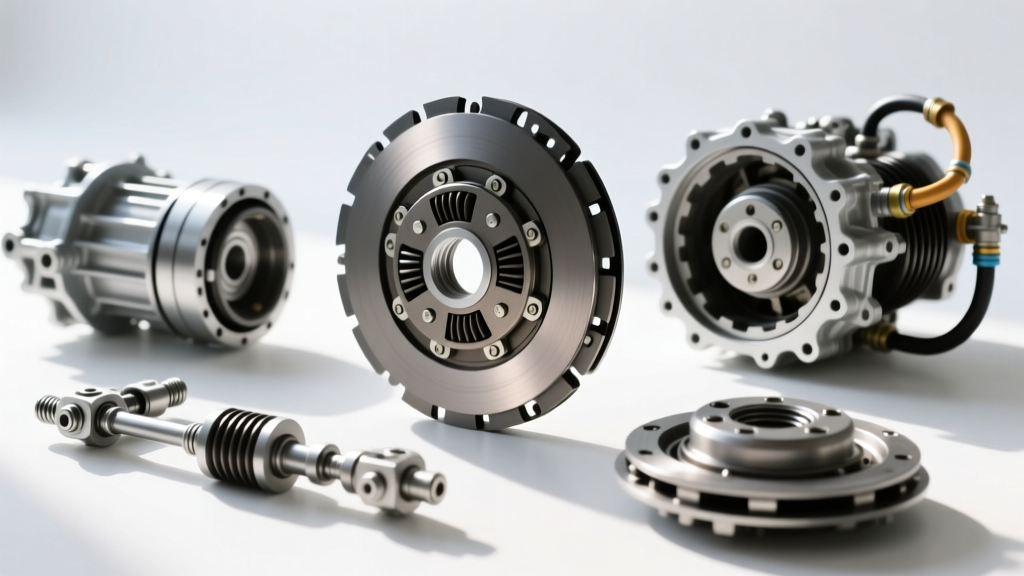
In heavy-duty vocational trucks, agricultural tractors, and industrial power units, the Power Take-Off (PTO) system is the critical bridge between the transmission and auxiliary implements. Modern setups frequently utilize a hydraulically actuated wet clutch pack integrated with an over running PTO clutch mechanism. This overrunning component—typically a sprag or ramp-and-roller assembly—allows the PTO shaft to freewheel when the driven implement's rotational momentum exceeds the engine's output speed. Without it, a heavy implement like a rotary mower or a high-inertia pump would drive the engine during deceleration, leading to catastrophic transmission torsion failure or severe loss of vehicle braking.
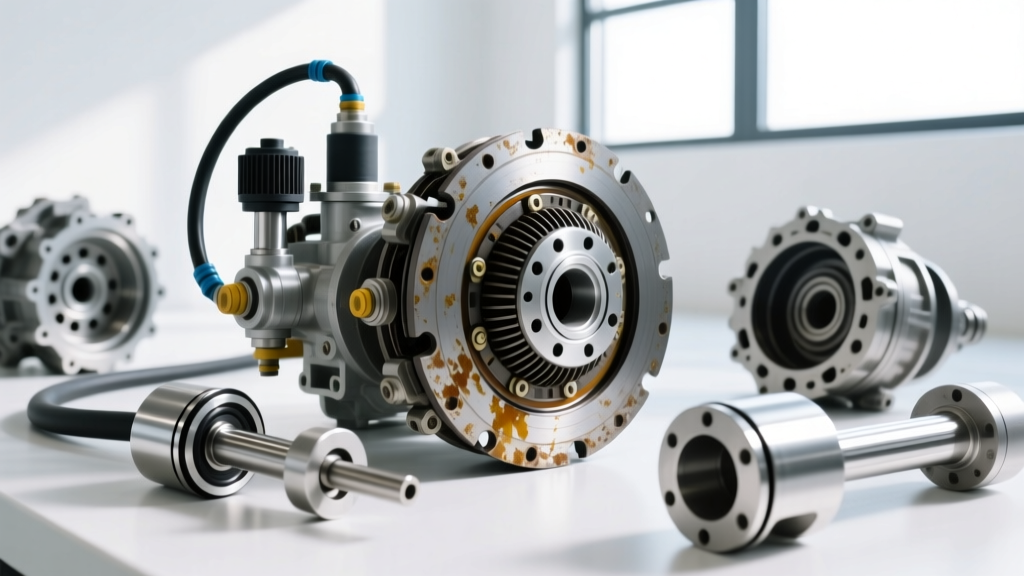
However, when hydraulic clutch system diagnosis is overlooked, the delicate balance between hydraulic clamping force and mechanical freewheeling is compromised. A dragging hydraulic piston or degraded fluid can cause the wet friction discs to partially engage, generating immense heat. This heat transfers to the overrunning sprag, cooking the lubricant and causing the sprag to bind. In this 2026 preventive maintenance guide, we will dissect the hydraulic failure modes that destroy over running PTO clutches and outline precise diagnostic protocols to keep your fleet operational.
Critical Hydraulic Symptoms and Failure Modes
Diagnosing an over running PTO clutch requires separating hydraulic actuation faults from mechanical sprag wear. Because the hydraulic piston and the mechanical overrunning hub share the same oil bath (usually Universal Tractor Fluid or a dedicated synthetic wet-clutch lubricant), fluid degradation is often the common denominator. Below is a diagnostic matrix mapping common operator complaints to their root hydraulic and mechanical causes.
| Operator Symptom | Hydraulic Root Cause | Mechanical Consequence on Overrunning Clutch |
|---|---|---|
| PTO drags or 'chirps' on deceleration | Release pressure remains above 15 PSI; control valve spool sticking. | Wet discs drag, heating the sprag assembly. Sprag binds, failing to freewheel. |
| Delayed engagement (>1.5 seconds) | Accumulator bleed-down; worn hydraulic piston O-rings or scored bore. | Prolonged slip phase glazes friction discs; shock-loads the ramp-and-roller mechanism upon sudden lockup. |
| Chatter or vibration at 540/1000 RPM | Aerated hydraulic fluid; suction line cavitation or low reservoir level. | Uneven clamping force causes harmonic vibration, accelerating wear on the sprag retention springs. |
| Complete failure to engage PTO | Blown piston seal; catastrophic pressure drop below 80 PSI. | Clutch pack fails to lock; implement momentum forces the overrunning sprag to absorb 100% of the torque, leading to sprag cage explosion. |
Deep Dive: The 'Engine Drive' Danger and Varnish Buildup
The most severe symptom of a failing hydraulic release circuit is the failure of the PTO to freewheel. When the operator disengages the PTO, the hydraulic control valve must immediately dump the apply pressure, allowing the return springs to separate the friction discs. If the hydraulic fluid has suffered from thermal breakdown or oxidation—common in high-ambient-temperature vocational applications—it forms a sticky varnish. This varnish coats the hydraulic valve spool and the overrunning sprag surfaces. According to extensive research on wet clutch fluid degradation, varnish buildup increases the static friction coefficient of the sprag elements. Consequently, when the implement's inertia tries to overdrive the transmission, the sprag fails to release, effectively locking the implement to the engine. This can over-rev the engine or snap the PTO output shaft.
Deep Dive: Accumulator Bleed-Down and Clutch Glazing
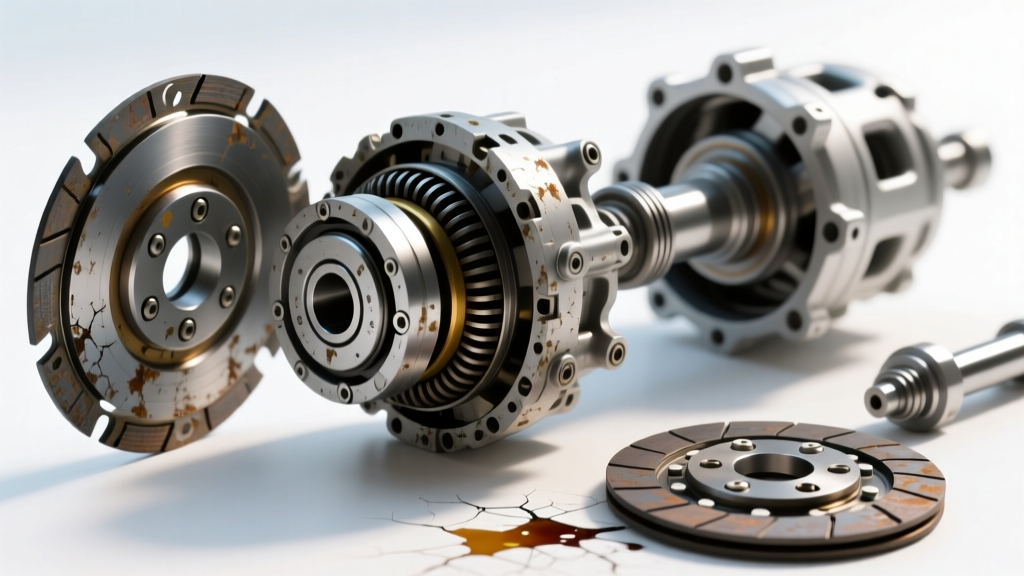
Many modern heavy-duty transmissions, such as the Allison 3000/4000 series with integrated PTO provisions, utilize a hydraulic accumulator to buffer the clutch apply pressure and ensure smooth engagement. If the accumulator's internal nitrogen charge degrades, or if the hydraulic piston O-rings (typically made of Buna-N or Viton) develop micro-leaks, the system experiences 'bleed-down'. The clutch slips excessively during the engagement phase. This slipping generates localized temperatures exceeding 350°F (176°C) at the friction interface. The resulting thermal shock warps the steel separator plates and transfers abrasive friction material into the oil bath, which subsequently lodges in the tight tolerances (0.002 to 0.005 inches) of the overrunning sprag, causing it to jam.
Step-by-Step Hydraulic Diagnosis Protocol
To accurately diagnose hydraulic clutch system issues affecting the over running PTO clutch, technicians must move beyond basic OBD-II or J1939 code scanning and perform physical hydraulic circuit validation. Follow this 2026 standard operating procedure:
- Install a Hydraulic Test Gauge: Locate the PTO apply pressure test port on the transmission or remote PTO valve block. Connect a calibrated 0-600 PSI liquid-filled hydraulic gauge. Ensure all fittings are torqued to 25-30 lb-ft to prevent aeration during testing.
- Verify Engagement Pressure: With the engine at rated idle (typically 800-900 RPM) and the PTO engaged via the dashboard switch, observe the gauge. Standard apply pressure should stabilize between 190 and 240 PSI within 0.5 seconds. Pressures below 150 PSI indicate a worn clutch pack (excessive clearance) or a failing hydraulic pump.
- Measure Release Pressure (The Sprag Saver Test): Disengage the PTO. The pressure must drop from 200+ PSI to below 10 PSI in less than 0.8 seconds. If the gauge shows a slow, graduated drop (e.g., taking 2-3 seconds to reach 15 PSI), the hydraulic control valve is hanging up, or the fluid is heavily varnished. This delayed release is the primary killer of overrunning sprags.
- Check Clutch Pack Clearance: If hydraulic pressures are nominal but engagement is still poor, mechanical wear is present. Remove the PTO housing (torque mounting bolts to 65 lb-ft upon reassembly) and use a dial indicator to measure the friction pack travel. For most heavy-duty wet PTOs (e.g., Parker Chelsea 270 series or OEM agricultural equivalents), the maximum allowable clearance before shimming or replacing the friction discs (such as the John Deere RE534038 equivalent) is 0.060 inches. If clearance exceeds 0.080 inches, the hydraulic piston is bottoming out, and the overrunning hub is subjected to severe misalignment loads.
- Inspect the Sprag Assembly: With the housing removed, manually rotate the PTO output shaft in the freewheel direction. It should rotate smoothly with a distinct, light clicking sound from the sprag retention springs. Any grinding, binding, or 'notchy' feeling indicates that metallic debris from the wet clutch pack has contaminated the sprag. The entire overrunning assembly must be replaced; flushing is rarely sufficient once sprag surfaces are scored.
SAFETY WARNING: Never attempt to manually force or pry an overrunning PTO clutch mechanism to 'free it up.' The sprag elements are hardened steel and operate under extreme torsion. If a sprag is locked, it is either mechanically fused from heat or bound by debris. Forcing it can cause micro-fractures in the inner race, leading to sudden, explosive failure under load. Always refer to SAE International Technical Papers on PTO driveline dynamics for proper teardown procedures.
Preventive Maintenance Schedule for 2026 Fleet Standards
Preventing hydraulic-induced failures in an over running PTO clutch requires a proactive approach to fluid cleanliness and thermal management. The integration of electro-hydraulic proportional valves in modern PTO systems means that fluid cleanliness standards are now as strict as those for common-rail fuel systems.
Fluid Cleanliness and Shear Stability
The hydraulic fluid must maintain its shear stability to protect both the wet clutch friction modifiers and the overrunning sprag bearings. We recommend quarterly fluid sampling analyzed to ISO 4406 cleanliness standards. For PTO systems with integrated electro-hydraulic valves, the target cleanliness code is 18/16/13. If the fluid exceeds a 19 rating for particles >4µm, the microscopic abrasives will act as lapping compound on the sprag rollers, destroying the overrunning capability long before the friction discs wear out.
Filtration and Thermal Management
Upgrade standard suction filters to 10-micron absolute (Beta 10 ≥ 200) return-line filters. This ensures that friction material shed from the wet clutch pack is captured before it can circulate back into the PTO valve block or the overrunning hub. Additionally, if your vocational truck operates in high-ambient environments or runs high-inertia implements (like wood chippers or industrial vacuum blowers), consider installing an auxiliary PTO oil cooler. Keeping the wet-clutch oil bath below 180°F (82°C) prevents the thermal breakdown of the friction modifiers and stops varnish from forming on the critical overrunning sprag surfaces.
By treating the hydraulic circuit and the mechanical overrunning mechanism as a single, symbiotic system, fleet managers and heavy-duty technicians can eliminate the root causes of PTO failure. Proper pressure testing, strict adherence to ISO fluid cleanliness codes, and precise clearance measurements will ensure that your over running PTO clutch engages smoothly and freewheels safely for thousands of operational hours. For further application-specific guidelines, always consult the Parker Chelsea PTO Division or your OEM transmission manufacturer's latest technical service bulletins.