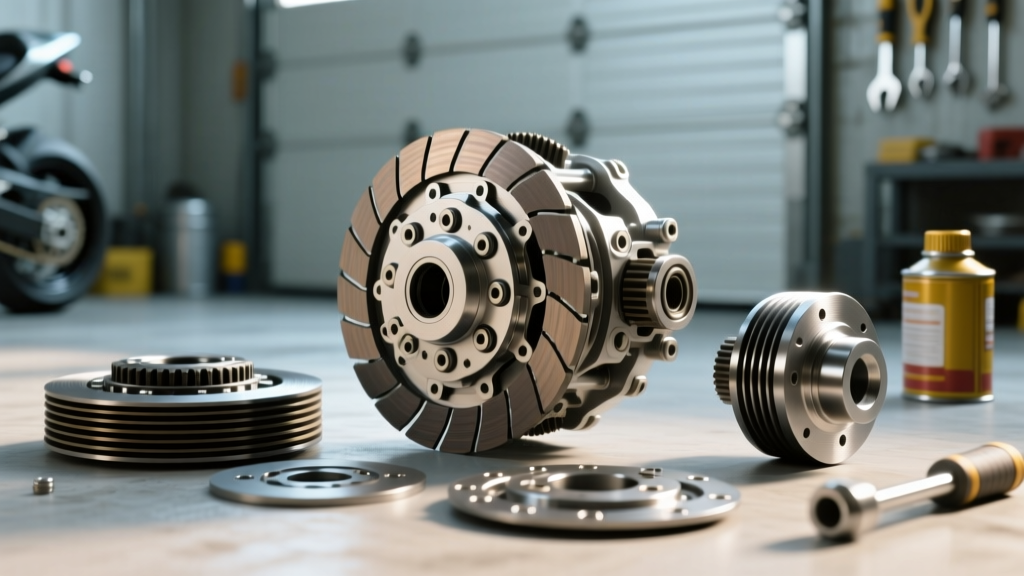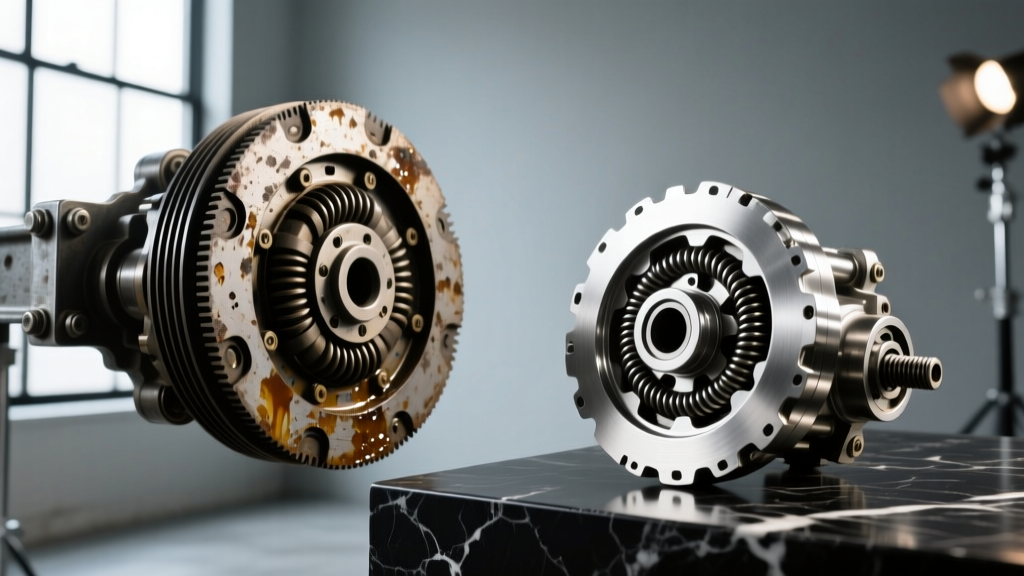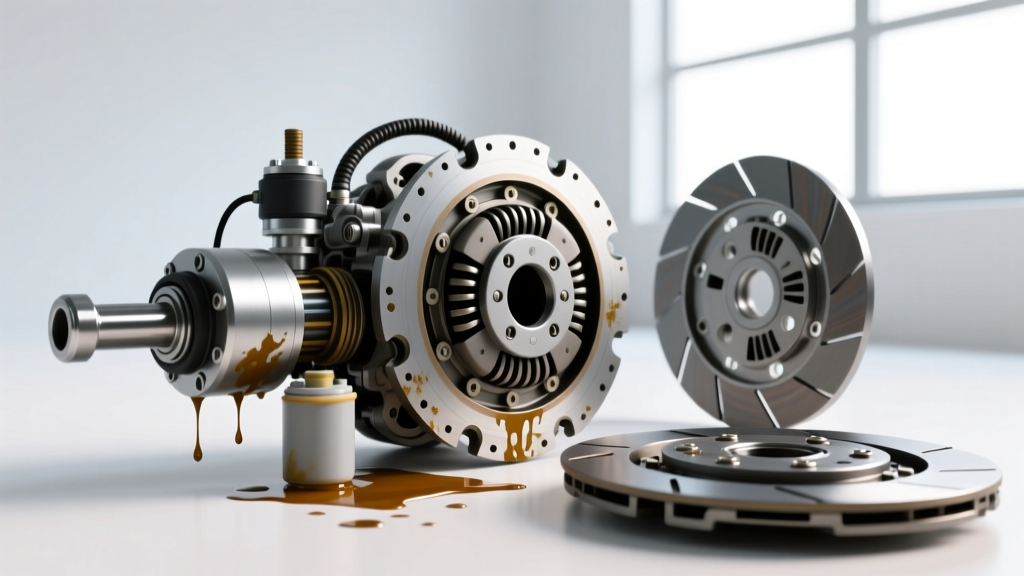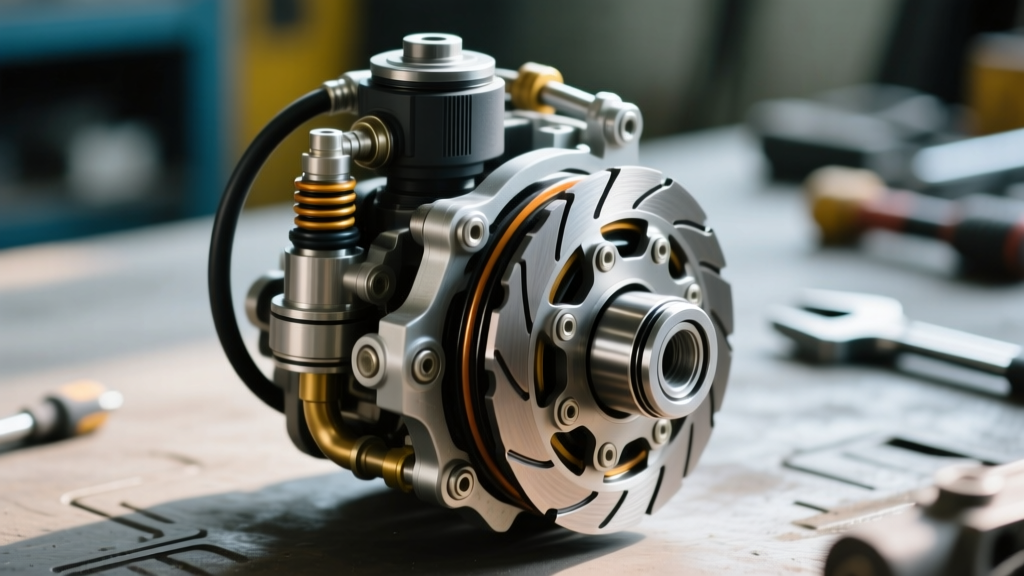
Modern sportbikes, adventure tourers, and naked standards have largely abandoned cable-actuated systems in favor of hydraulic precision. However, when issues arise, a hydraulic clutch motorcycle setup can mask mechanical wear until catastrophic failure occurs. Unlike a fraying cable that gives gradual warning, hydraulic failures often present as sudden sponginess, untraceable clunks, or aggressive drivetrain chatter.
As an automotive and motorcycle transmission specialist, I have developed this step-by-step diagnostic guide to help you isolate clutch system faults based on three primary sensory inputs: lever feel, auditory noise, and physical vibration. We will cover exact torque specifications, 2026 market repair costs, and precise measurement limits for OEM and aftermarket components.
The Diagnostic Triage: Feel, Noise, and Vibration
Diagnosing a hydraulic motorcycle clutch requires separating the hydraulic actuation circuit from the mechanical friction pack. A failure in the Brembo RCS19 master cylinder will feel completely different from a warped steel plate in the clutch basket. By categorizing your symptoms, you can avoid unnecessarily splitting the engine cases.
Expert Insight: Glycol-based DOT 4 and DOT 5.1 brake fluids are highly hygroscopic. They absorb 2% to 3% moisture by weight annually. This moisture not only lowers the fluid's wet boiling point to a dangerous 155°C (311°F) but also causes internal corrosion in aluminum slave cylinders, leading to microscopic scoring and bypass leaks.
1. Lever 'Feel' Anomalies (Sponginess & Stiffness)
The lever is your primary window into the hydraulic circuit's health.
- Spongy or Pumping Lever: This is the hallmark of vapor lock or entrained air. Because the slave cylinder is mounted directly to the hot engine cases, heat soak can boil degraded fluid. If bleeding the system with a vacuum bleeder (like the Mityvac MV6840) does not restore a firm 'wall' at the lever, inspect the master cylinder return port. A blocked 0.5mm return port prevents fluid from returning to the reservoir, causing the clutch to drag and the lever to feel erratic.
- Stiff or Notchy Lever: Often misdiagnosed as a weak clutch spring issue, a stiff lever on bikes like the KTM 1290 Super Duke R is frequently caused by the OEM plastic slave cylinder piston binding in its bore. Upgrading to a billet aluminum slave cylinder (e.g., Evoluzione or Oberon, costing $130-$180 in 2026) with a hard-anodized piston resolves this permanently.
2. Auditory 'Noise' Diagnostics (Clunks & Whines)
Hydraulic systems provide a very linear engagement, which often leads riders to 'dump' the lever more aggressively than they would a cable system. This accelerates mechanical wear.
- Clunking on Engagement: A loud metallic clunk when releasing the lever in gear indicates worn clutch basket tangs. The hydraulic pressure slams the friction pack into the notched outer basket. Inspect the basket fingers; if notch depth exceeds 0.2mm, the basket must be replaced (OEM Yamaha MT-09 basket: ~$240). Additionally, check the primary drive nut on the crankshaft. It requires high-strength threadlocker (Loctite 271) and must be torqued to 110-130 Nm depending on the manufacturer.
- Squealing or Whining: Common on shaft-driven motorcycles like the BMW R1250GS, a high-pitched whine that changes with engine RPM while the lever is pulled points to a failing clutch throwout bearing. This deep-groove ball bearing sits behind the pushrod and is subjected to immense axial loads. Replacement requires pulling the rear engine cover and costs roughly $45 for the OEM bearing, plus 3 hours of labor.
3. Drivetrain 'Vibration' & Chatter
Chatter is a high-frequency vibration felt through the frame and handlebars during takeoff, particularly under load or on inclines.
- Warped Steel Plates: Aggressive launches or slipping the clutch in stop-and-go traffic overheats the steel separator plates, causing them to warp. When warped plates drag against the friction material during engagement, it creates a rapid grab-release cycle (chatter). Measure steel plate runout on a machinist's surface plate with a dial indicator. The absolute maximum runout limit is 0.1mm.
- Glazed Friction Material: If the clutch was slipped excessively, the paper or Kevlar friction material glazes over, losing its coefficient of friction. This requires a complete pack replacement. Expect to pay $160-$280 for a full OEM friction and steel plate kit.
2026 Motorcycle Hydraulic Clutch Diagnostic Matrix
Use this reference table to quickly cross-reference your symptoms with the required tools, estimated costs, and critical fastener specifications.
| Symptom | Primary Suspect | Diagnostic Tool / Measurement | 2026 Avg Repair Cost | Critical Torque Spec |
|---|---|---|---|---|
| Spongy Lever | Air in lines / Degraded DOT 4 | Vacuum bleeder, Fluid moisture pen | $35 (Fluid & Bleed) | Banjo Bolt: 22 Nm |
| Stiff / Binding Lever | Scored Slave Cylinder Piston | Visual bore inspection, Pushrod travel | $150 (Billet Slave) | Slave Mount: 10 Nm |
| Metallic Clunk | Notched Clutch Basket Tangs | Feeler gauge (Max 0.2mm notch) | $240 (OEM Basket) | Center Nut: 115 Nm |
| Takeoff Chatter | Warped Steel Separator Plates | Dial Indicator (Max 0.1mm runout) | $180 (Full Pack) | Clutch Cover: 12 Nm |
| RPM-Linked Whine | Throwout / Release Bearing | Stethoscope on engine case | $45 (Bearing) | Pushrod Retainer: 14 Nm |
Step-by-Step Bench & Bike Troubleshooting Workflow
Follow this exact sequence to diagnose your hydraulic clutch motorcycle without wasting time or money on unnecessary parts.
- Visual & Fluid Inspection: Check the master cylinder sight glass. If the fluid is dark brown or black, flush it immediately. Use a copper sulfate test pen to check moisture content. If it reads over 2%, the fluid is compromised and boiling under load is highly likely.
- Static Lever Free-Play Test: Measure the free play at the tip of the lever. While hydraulic systems are 'self-adjusting' regarding the friction pack, the master cylinder pushrod requires 1-2mm of free play to ensure the return port is fully open. Lack of free play causes clutch slip and fluid overheating.
- Slave Cylinder Actuation Test: Remove the right-side clutch cover. Have an assistant slowly pull the lever while you observe the slave cylinder pushrod. It should move smoothly with zero binding, achieving a total travel of 12mm to 15mm (consult your specific service manual, e.g., RevZilla Common Tread Tech archives for model-specific specs).
- Friction Pack Measurement: If hydraulic actuation is perfect but slipping or chatter persists, pull the clutch pack. Measure friction plates at four equidistant points. Standard thickness is 3.0mm; the service limit is typically 2.6mm. Measure clutch springs for sag; if free length is below 48.5mm (from a 50.2mm OEM spec), the springs are fatigued and cannot provide adequate clamping force.
When to Rebuild vs. Replace: A Decision Framework
Not every hydraulic fault requires a full system replacement. If your master cylinder is a high-end unit like a Brembo Motorcycle Systems RCS19 or a Magura HC3, rebuilding it with a $25 OEM seal kit is vastly superior to replacing it. However, if the internal bore of the master cylinder shows pitting or scoring from corrosive old fluid, the anodized layer is breached, and the entire master cylinder must be replaced (approx. $350-$450).
Conversely, never rebuild a failing OEM plastic slave cylinder. The plastic degrades under heat cycling, and replacement seals will not fix a warped bore. Always opt for a billet aluminum upgrade with a hard-anodized piston for a permanent, lifetime fix.
By methodically isolating the hydraulic actuation from the mechanical friction components, you can accurately diagnose any hydraulic clutch motorcycle symptom, ensuring your bike shifts flawlessly and reliably for the next 50,000 miles.