The Intersection of Diagnostics and Performance
For enthusiasts running high-performance manual transmissions—whether it is a Tremec T56 Magnum in a track-built V8 or a Porsche G50 transaxle—the clutch hydraulic system is the critical link between driver intent and mechanical execution. A spongy pedal, delayed engagement, or a pedal that slowly sinks to the floorboard are not just annoyances; they are symptoms of hydraulic degradation. Proper clutch hydraulic leak diagnosis is the first step in restoring reliability, but for the performance-oriented builder, it also presents an opportunity to upgrade the entire actuation system. When a factory plastic master cylinder fails, evaluating the aftermarket clutch master cylinder price and upgrading to a precision-bored billet unit can drastically improve pedal feel and clutch modulation.
The Anatomy of Clutch Hydraulic Failures
Before tearing into the firewall or dropping the transmission, it is vital to understand how hydraulic failures manifest. The clutch hydraulic circuit operates under immense pressure, often exceeding 1,500 PSI during the disengagement of a high-clamp-load diaphragm spring. Failures generally fall into two distinct categories: external weeping and internal bypass.
External Weeping vs. Internal Bypass
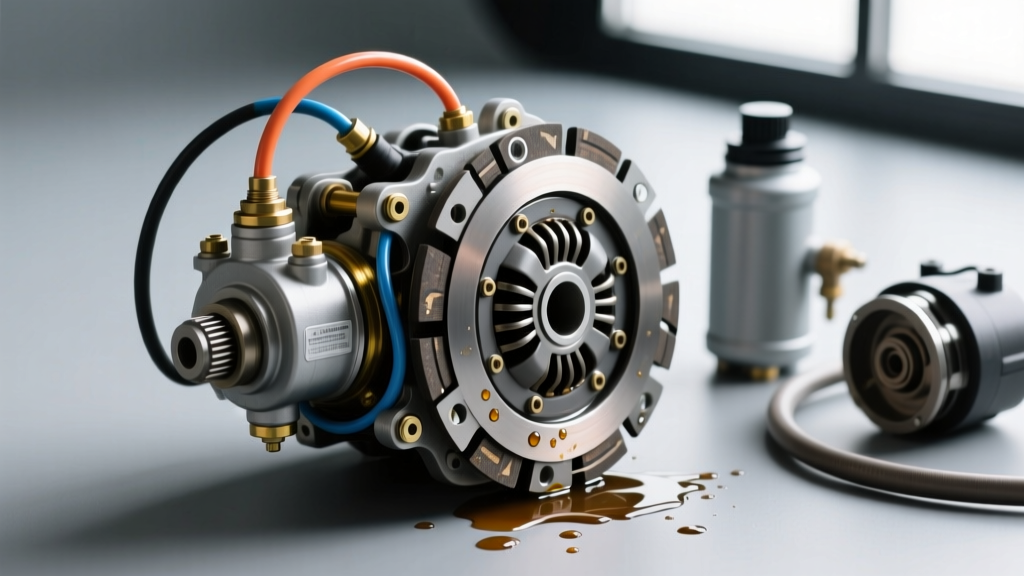
External Leaks: These are visible fluid losses. You will find glycol-based brake fluid residue on the firewall, the pedal assembly pushrod, the hydraulic hard lines, or inside the bellhousing near the slave cylinder. External leaks lead to a low fluid level in the reservoir and eventual air ingestion, resulting in a spongy, unpredictable pedal.
Internal Bypass: This is the silent killer of clutch actuation. Over time, the EPDM or silicone cup seals inside the master cylinder bore wear down or score the cylinder wall. When you press the pedal, fluid bypasses the piston seal and recirculates back into the reservoir rather than traveling down the hydraulic line to the slave cylinder. The hallmark symptom is a pedal that slowly sinks to the floor while holding it depressed at a stoplight, yet the reservoir remains completely full. This is frequently misdiagnosed by amateurs as a failing slave cylinder or a worn clutch fork pivot ball.
Step-by-Step Hydraulic Leak Diagnosis Protocol
To accurately diagnose the fault, follow this systematic protocol used by professional drivetrain technicians:
- The Pedal Hold Test: With the vehicle in neutral and the engine running, press the clutch pedal to the floor and hold it with steady pressure for 60 seconds. If the pedal slowly rises or sinks, you have an internal master cylinder bypass or a severely leaking slave cylinder seal.
- Visual Firewall Inspection: Use a high-lumen inspection light to examine the master cylinder pushrod boot. If fluid is pooling inside the rubber boot, the primary rear seal has failed.
- Bellhousing Weep Hole Check: Inspect the inspection cover or weep hole at the bottom of the bellhousing. Wetness here indicates a failing concentric slave cylinder (CSC) or an external pushrod slave seal.
- UV Dye Tracing: For elusive micro-leaks at the banjo fittings or hard-line flares, add UV-compatible hydraulic dye to the reservoir, cycle the pedal 50 times, and inspect the lines with a blacklight.
Expert Insight: Never ignore a slightly spongy pedal on a track car. Under the extreme heat of competition, aerated hydraulic fluid will boil, leading to total pedal failure mid-corner. Always diagnose and bleed before hitting the tarmac.
Upgrading the System: Bore Sizing and Hydraulics
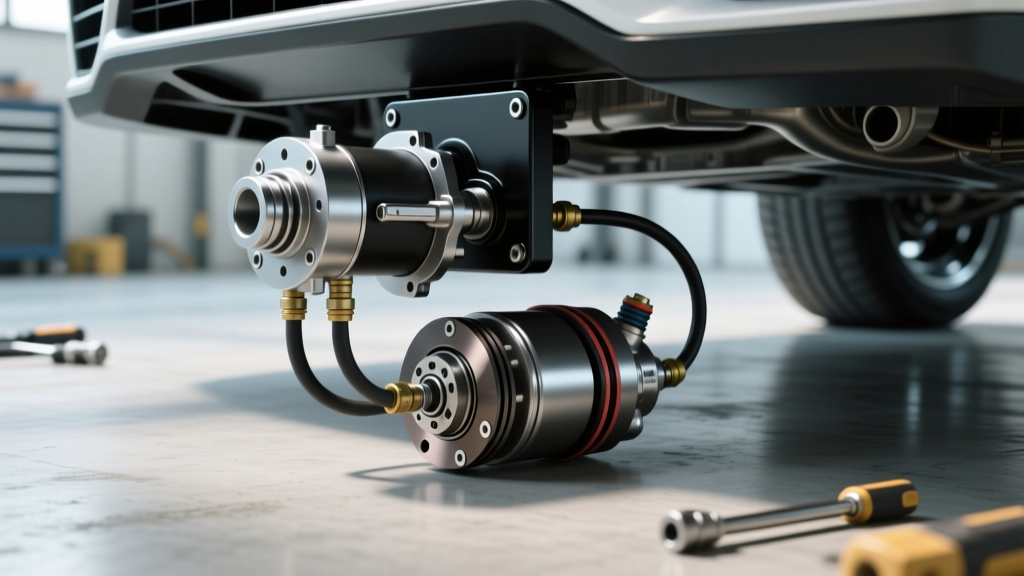
Once a leak is diagnosed and the factory master cylinder is condemned, the performance enthusiast faces a crucial decision: replace with an OEM equivalent or upgrade to a performance system. This decision heavily influences the overall clutch master cylinder price and the vehicle's drivability.
When upgrading to a heavy-duty aftermarket clutch—such as an ACT twin-disc or a McLeod RXT rated for 1,200 lb-ft of torque—the diaphragm spring fingers require significantly more hydraulic force to disengage. To achieve this without requiring superhuman leg strength, you must manipulate the hydraulic ratio. The hydraulic ratio is determined by the surface area of the master cylinder piston divided by the surface area of the slave cylinder piston.
By stepping up to a larger bore master cylinder (e.g., moving from a factory 5/8-inch bore to a 3/4-inch or 13/16-inch bore), you increase the volume of fluid displaced per inch of pedal travel. This generates higher line pressure, making it easier to disengage a stiff, high-clamp-load clutch, albeit at the cost of slightly reduced pedal travel. Precision aftermarket manufacturers like Wilwood Engineering and Tilton Racing offer master cylinders in exact bore increments to allow builders to perfectly dial in their hydraulic ratio.
Evaluating the Clutch Master Cylinder Price and Value
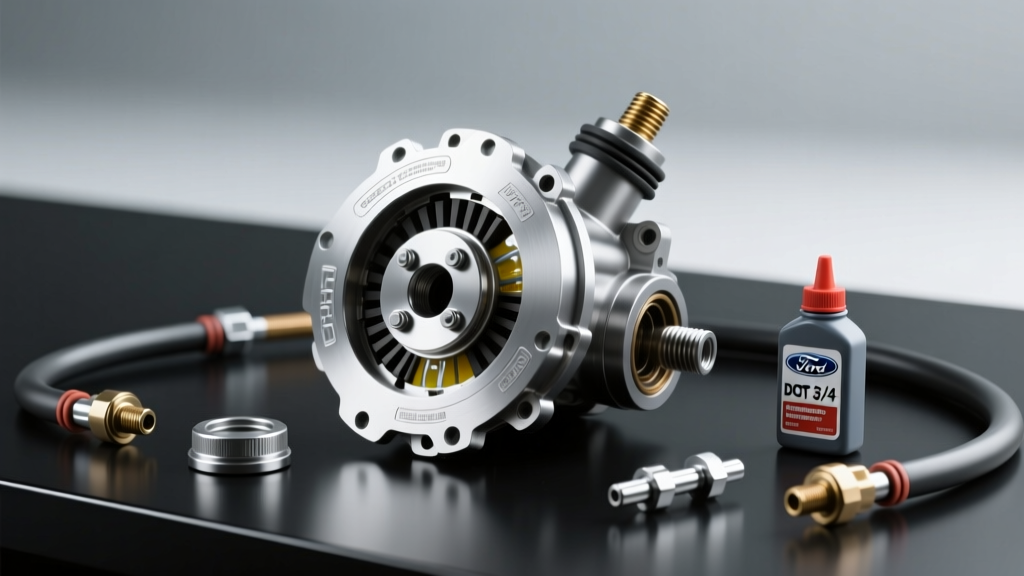
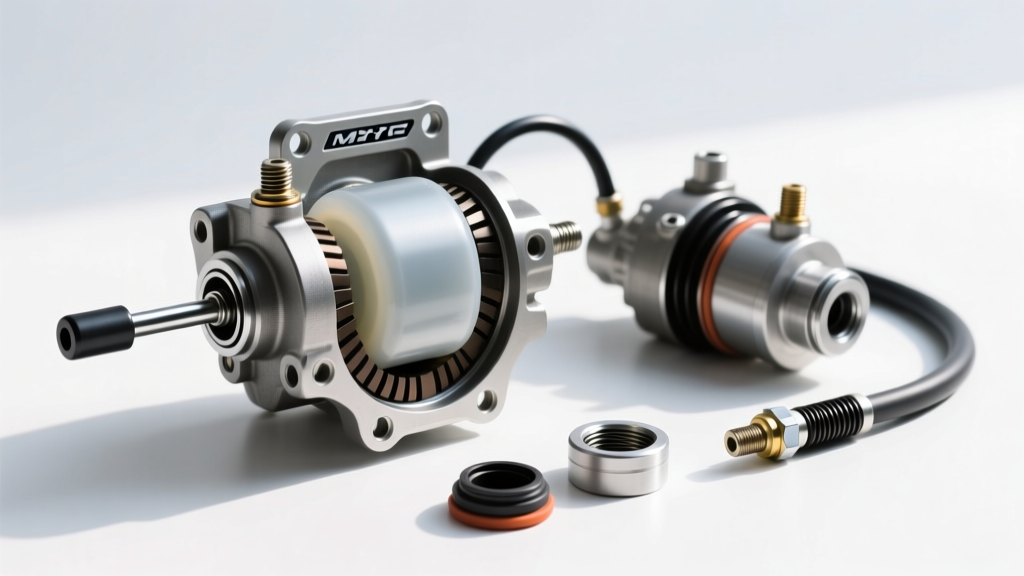
When researching the clutch master cylinder price, builders will notice a massive delta between a direct-fit OEM plastic unit and a bespoke billet aluminum racing unit. While an OEM replacement might cost less than a tank of premium fuel, it will inherently suffer from the same flex and internal bypass issues under high-heat track conditions. Investing in a performance unit provides a hard-anodized bore, adjustable pushrods for exact pedal dead-play, and compatibility with high-temperature racing fluids.
| Component Type | Material & Build | Avg. Price Range | Best Application |
|---|---|---|---|
| OEM Replacement | Plastic Housing / Cast Iron Bore | $35 - $90 | Daily driving, stock clutches, budget repairs |
| Performance Direct-Fit | Aluminum / Steel Bore | $110 - $180 | Upgraded single disc, street/track crossover |
| Racing Billet (e.g., Tilton) | Hard-Anodized Billet Aluminum | $250 - $450+ | Multi-disc racing, high-clamp load, drag/road race |
High-Performance Fluids and Braided Line Integration
Diagnosing a leak often reveals degraded, swelling rubber hoses or boiling fluid. When replacing the master cylinder, it is mandatory to upgrade the hydraulic lines and fluid. Factory rubber lines expand under high line pressure, absorbing pedal travel and creating a vague, spongy feel. Upgrading to Teflon-lined, stainless steel braided hoses (such as those from Goodridge or Earl's) eliminates line swell, delivering 100% of the pedal's mechanical input directly to the slave cylinder.
Furthermore, standard DOT 3 or DOT 4 fluid is insufficient for performance applications. Under the intense radiant heat of the exhaust and bellhousing, standard fluid boils, creating compressible gas bubbles in the line. For track use, flush the system with a high-dry-boiling-point fluid like Motul RBF 660 (Dry Boiling Point 617°F / 325°C) or Castrol SRF. Note: Never use DOT 5 silicone-based fluid in a clutch system, as it is highly compressible and incompatible with standard EPDM hydraulic seals.
Precision Torque Specifications and Installation
Proper installation is just as critical as the diagnosis. A leaking banjo bolt or a flexing master cylinder mount will ruin the pedal feel of even the most expensive setup. When installing your new master cylinder and lines, adhere to these general torque specifications (always verify with your specific chassis service manual):
- Master Cylinder Firewall Mounting Nuts (M8): 15 - 22 Nm (11 - 16 lb-ft). Use a thread locker if the firewall sheet metal is prone to vibration.
- Hydraulic Line Banjo Bolts (10mm x 1.0): 25 - 30 Nm (18 - 22 lb-ft). Always use two new crush washers per banjo fitting to prevent micro-leaks.
- Pushrod Clevis Pin / Clip: Ensure the clevis pin slides with zero binding. Adjust the pushrod length to achieve exactly 1mm to 2mm of free-play at the pedal pad before the piston engages. Zero free-play will cause the master cylinder's internal compensating port to remain blocked, leading to catastrophic pressure buildup and blown slave cylinder seals.
By combining meticulous leak diagnosis with a calculated approach to bore sizing, line upgrades, and fluid selection, you transform a routine repair into a definitive performance upgrade. Understanding the true clutch master cylinder price and value proposition ensures your manual transmission operates with the precision and reliability required for both the street and the circuit.