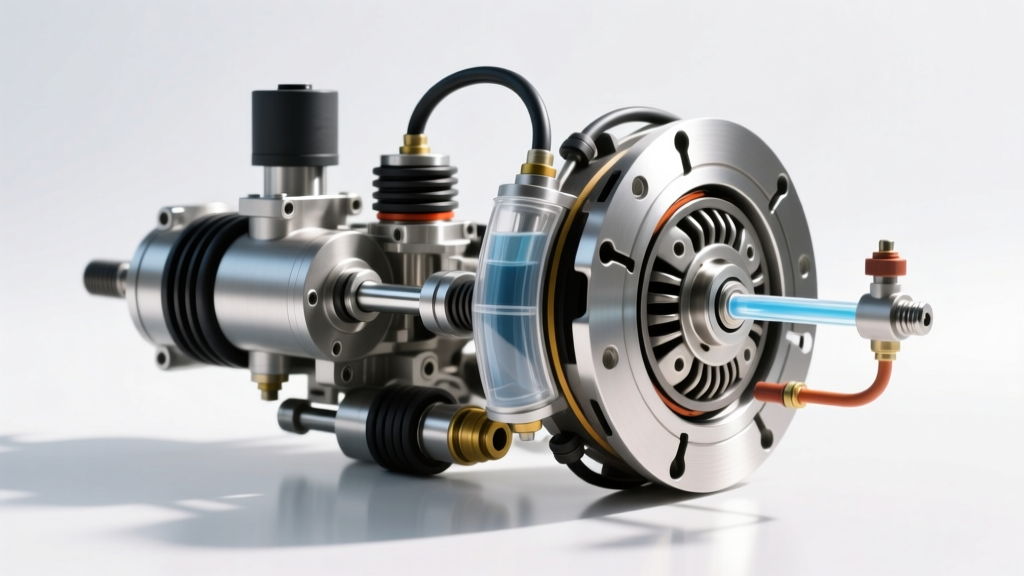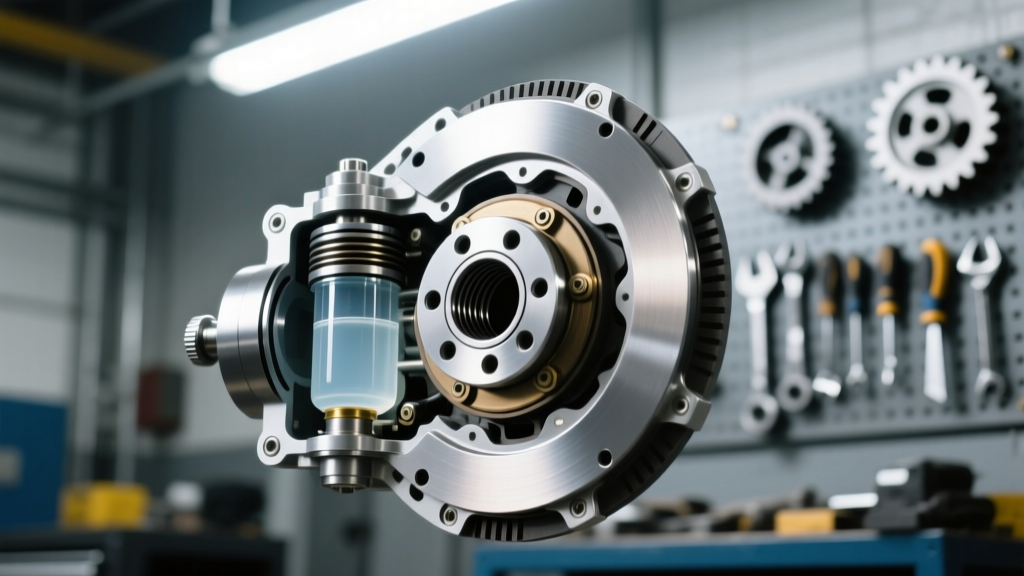
The Hidden Culprit Behind Ford Ranger Clutch Master Cylinder Failures
When maintaining a Ford Ranger (spanning the robust T6 and modern T7 platforms), enthusiasts and fleet managers obsess over engine oil grades, transfer case fluids, and transmission service intervals for units like the 10R80. Yet, the hydraulic fluid governing the Ford Ranger clutch master cylinder is frequently ignored until the pedal sinks to the floor or gear engagement becomes a grinding nightmare. As we navigate the 2026 service landscape, understanding the precise hydraulic fluid requirements for your Ranger's clutch system is no longer optional—it is a critical pillar of preventive maintenance.
The clutch master cylinder (CMC) operates under intense hydraulic pressure and thermal stress. Using the incorrect fluid, or simply allowing hygroscopic moisture to accumulate, will rapidly degrade the internal EPDM (Ethylene Propylene Diene Monomer) rubber seals, score the cylinder bore, and ultimately lead to catastrophic hydraulic failure. This guide breaks down the exact fluid chemistry, preventive flush protocols, and replacement specifications required to keep your Ranger's manual transmission shifting flawlessly.
The Shared Reservoir Architecture: A Double-Edged Sword
On most modern Ford Ranger generations, the clutch master cylinder does not have its own dedicated fluid reservoir. Instead, it draws directly from the brake master cylinder reservoir via a small lateral port. While this shared-reservoir design simplifies under-hood packaging and reduces manufacturing costs, it introduces a unique maintenance vulnerability.
Because the clutch hydraulic line is a dead-end circuit (fluid only moves when the pedal is depressed), the fluid sitting in the CMC and the line to the concentric slave cylinder (CSC) or external slave cylinder becomes stagnant. If you only bleed the brakes, the old, moisture-laden fluid in the clutch circuit remains trapped. Over a 24-month period, this stagnant fluid can absorb up to 3% water by volume, drastically lowering its boiling point and promoting internal galvanic corrosion within the aluminum and plastic bore of the CMC.
Fluid Chemistry: Glycol vs. Silicone
The Department of Transportation (DOT) classifies hydraulic fluids based on their chemical base and boiling point thresholds. For the Ford Ranger clutch master cylinder, you must strictly adhere to glycol-ether based fluids. Below is a comparative breakdown of the fluid types you will encounter at the auto parts store.
| Fluid Type | Chemical Base | Dry Boiling Point (Min) | Wet Boiling Point (Min) | Ranger CMC Compatibility |
|---|---|---|---|---|
| DOT 3 | Glycol-Ether | 401°F (205°C) | 284°F (140°C) | Acceptable (Older models), but outdated for heavy towing. |
| DOT 4 | Glycol-Ether / Borate | 446°F (230°C) | 311°F (155°C) | OEM Standard. Ideal balance of viscosity and thermal stability. |
| DOT 5.1 | Glycol-Ether / Borate | 518°F (270°C) | 374°F (190°C) | Excellent upgrade for high-performance or severe-duty applications. |
| DOT 5 | Silicone | 500°F (260°C) | N/A (Hydrophobic) | NEVER USE. Will destroy EPDM seals and cause immediate failure. |
The DOT 5 Silicone Trap
A common and costly mistake made by DIY mechanics is confusing DOT 5.1 (a high-performance glycol fluid) with DOT 5 (a silicone-based fluid). Silicone fluid is hydrophobic and will not mix with the residual glycol fluid left in your Ranger's clutch lines. Worse, the chemical composition of DOT 5 causes the EPDM seals inside the Ford Ranger clutch master cylinder to swell, soften, and disintegrate. According to technical bulletins referenced by AA1Car Automotive Tech Library, introducing silicone fluid into a glycol-designed system requires a complete teardown and replacement of every rubber component in the hydraulic circuit.
Preventive Maintenance: The 24-Month Syringe & Gravity Flush
To maximize the lifespan of your CMC and slave cylinder, the hydraulic fluid must be flushed every 24 months or 30,000 miles, whichever comes first. Because the clutch circuit is a dead-end, standard pedal-pumping bleeding is often insufficient to pull fresh fluid from the shared reservoir down to the slave cylinder. We recommend the following preventive maintenance protocol:
- Extract Stagnant Reservoir Fluid: Use a turkey baster or fluid extraction syringe to remove the old, dark fluid from the brake/clutch reservoir. Wipe the reservoir walls with a lint-free cloth to remove suspended rubber particulates.
- Fill with Fresh DOT 4 or 5.1: Refill to the MAX line using a premium fluid like Motorcraft High Performance DOT 4 (Part #PM-22) or Castrol SRF Racing. Ensure the cap is sealed tightly to prevent ambient moisture absorption during the process.
- Locate the Slave Bleeder: Depending on your Ranger's transmission (e.g., the MT82 or the newer Tremec TR-3550), locate the bleeder valve on the external slave cylinder or the bellhousing access port for the concentric slave cylinder (CSC). Typically, this requires an 8mm or 10mm wrench.
- Gravity Bleed or Vacuum Extract: Attach a clear silicone hose to the bleeder valve, routing it into a catch bottle. Open the valve and allow gravity to pull the fresh fluid through the CMC and the hard lines. Alternatively, use a Mityvac vacuum bleeder to draw the fluid through. Close the valve the moment you see crystal-clear, bubble-free fluid.
- Top Off and Verify: Top off the reservoir and pump the clutch pedal 15 times to ensure proper hydraulic pressure and pedal feel.
Diagnostic Symptoms of Fluid Degradation
How do you know if your fluid has already compromised the Ford Ranger clutch master cylinder? Watch for these specific hydraulic failure modes:
- Spongy Pedal with No Leaks: Often indicates moisture contamination. Under heavy use, the water in the fluid boils, creating compressible vapor bubbles in the line.
- Pedal Slowly Sinking to the Floor: A classic sign of internal CMC bypass. The primary rubber cup seal has worn or swollen, allowing fluid to bypass the piston internally rather than pushing it down the line.
- Dark, Opaque Fluid in Reservoir: Indicates that the EPDM seals are actively degrading and shedding carbon-black particulates into the fluid. This debris will eventually clog the tiny orifice feeding the clutch circuit.
CMC Replacement: Part Numbers, Pricing, and Torque Specs
If preventive maintenance was neglected and your Ford Ranger clutch master cylinder has suffered internal bore scoring or seal failure, replacement is mandatory. When sourcing parts, avoid ultra-cheap, no-name aftermarket cylinders that utilize inferior, non-OEM spec rubber compounds.
Approved Replacement Part Numbers
- OEM Motorcraft: CM-1950 (or generation-specific equivalent). Expect to pay between $95 and $140.
- Sachs (OEM Supplier): SH 6100 001. Excellent quality, typically priced between $65 and $90.
- FTE Automotive: KG15004.1.1. FTE is a primary OE supplier for European and global Ford platforms. Pricing ranges from $70 to $100. For deeper insights into OE clutch system manufacturing, refer to the FTE Automotive Clutch Systems Catalog.
Critical Installation Torque Specifications
Improper installation of the CMC can lead to firewall flex, resulting in a spongy pedal feel even with a brand-new unit. When mounting the new master cylinder to the Ranger's firewall bracket, adhere strictly to these torque specifications:
- Master Cylinder to Firewall Mounting Nuts (M8): 17 Nm (12.5 lb-ft). Over-torquing can crack the plastic reservoir housing or strip the firewall studs.
- Hydraulic Line Quick-Connect Fitting: Hand-press until an audible click is heard. Ensure the metal retaining clip is fully seated. Do not use pliers to force the connector.
- Hydraulic Line Flare Nut (if applicable on older models): 14 Nm (10 lb-ft). Use a line wrench to prevent rounding the soft steel nut.
- Pedal Pushrod Clevis Pin: Secure with the OEM retaining clip and apply a light coating of lithium-based grease to the pivot bushing to prevent squeaks.
Summary Checklist for Longevity
Protecting your manual transmission's shifting integrity starts at the firewall. By committing to a strict 24-month DOT 4 or DOT 5.1 fluid flush, avoiding the DOT 5 silicone trap, and utilizing high-quality Motorcraft or Sachs replacement components when necessary, your Ford Ranger clutch master cylinder will reliably deliver crisp, precise gear engagements for well over 150,000 miles. Always consult the latest Ford Owner Manuals for generation-specific fluid capacity and bleeding procedures before turning a wrench.