The Hidden Link: Hydraulics and Friction Loss
When drivers experience a sudden loss of power transfer, the immediate assumption is often a worn friction disc or a weak pressure plate. However, as manual transmissions have evolved into highly precise, computer-adjacent mechanical systems in 2026, the hydraulic actuation circuit has become a primary culprit for drivetrain inefficiencies. Understanding the mechanical interplay between the master cylinder, hydraulic lines, and the Concentric Slave Cylinder (CSC) is critical for accurate clutch system diagnostics. If you are noticing RPM flares under heavy load, a spongy pedal feel, or a burning odor from the bell housing, these signs of clutch slipping may not indicate a failed friction material, but rather a severe hydraulic pressure anomaly.
Preventive maintenance in the hydraulic circuit is vastly more cost-effective than a premature transmission drop. A failing hydraulic component can mimic the exact symptoms of a worn clutch, leading to unnecessary $2,500+ replacement jobs when a $150 hydraulic service would have resolved the issue. This guide dives deep into the fluid dynamics, component failure modes, and exact diagnostic procedures required to isolate hydraulic-induced slipping.
How Hydraulic Faults Trigger the Signs of Clutch Slipping
To diagnose the system, we must first understand how a hydraulic fault reduces the clamping force of the pressure plate. The clutch system relies on the hydraulic circuit to move the release bearing, but it also relies on that same circuit to retract and hold the bearing away from the pressure plate fingers when the pedal is released. If the hydraulic system fails to fully retract, it creates a constant, slight drag on the pressure plate, reducing the effective clamping load on the friction disc.
The Compensator Port Blockage
The most common, yet frequently misdiagnosed, cause of hydraulic-induced slipping is a blocked compensator port (also known as the replenishment or bleed hole) inside the clutch master cylinder. This tiny orifice, typically measuring between 0.5mm and 0.8mm, connects the fluid reservoir to the high-pressure cylinder bore. Its purpose is to allow fluid to return to the reservoir when the clutch is engaged, ensuring zero hydraulic pressure is held against the slave cylinder.
Over time, DOT 3 and DOT 4 brake fluids absorb moisture and degrade, forming a varnish-like sludge. If this sludge blocks the compensator port, thermal expansion of the fluid under the hood acts as a hydraulic wedge. As the engine bay heats up, the trapped fluid expands, pushing the slave cylinder forward and lightly pressing the throwout bearing against the pressure plate. This reduces clamping force by up to 30%, resulting in severe slipping under load. According to fluid dynamics standards outlined by SAE International, thermal expansion in a sealed, blocked hydraulic circuit can generate over 1,000 PSI of unintended pressure, easily overcoming the pressure plate's return springs.
Concentric Slave Cylinder (CSC) Internal Bypass
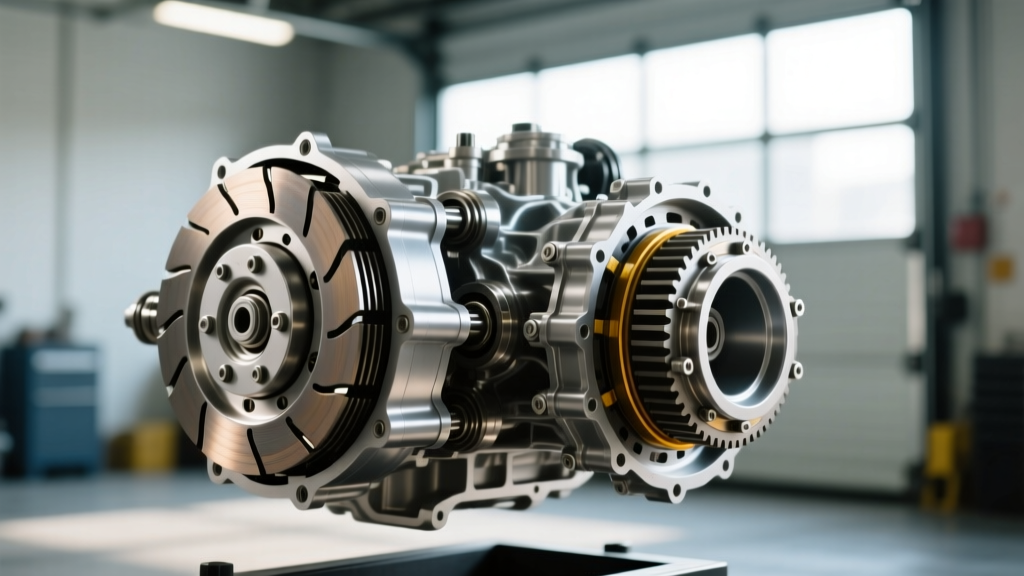
Modern vehicles, including those equipped with the Tremec TR-4050 or the ZF S6-53 6-speed manuals, utilize Concentric Slave Cylinders that sit inside the bell housing. These CSCs feature internal return springs and dynamic seals. If the internal piston seal degrades or the cylinder bore scores due to contaminated fluid, the CSC can suffer from an internal bypass. While this usually results in a pedal that sinks to the floor, a partial bypass can cause the CSC to fail to fully retract, keeping the release bearing in a state of semi-engagement. This persistent contact wears the pressure plate diaphragm fingers and causes the classic signs of clutch slipping long before the friction disc reaches its minimum thickness specification.
Fluid Hygroscopy and Thermal Breakdown
Clutch hydraulic systems share fluid with the brake system in 90% of modern manual vehicles. Because glycol-ether-based fluids (DOT 3, DOT 4, DOT 5.1) are highly hygroscopic, they absorb ambient moisture through the porous walls of rubber flex hoses and the reservoir cap vent. As water content increases, the fluid's boiling point plummets. Under heavy stop-and-go traffic or track use, the fluid can boil near the CSC, creating vapor pockets. While vapor typically causes a spongy pedal (disengagement failure), it can also cause erratic hydraulic pressure that prevents the slave cylinder from returning to its mechanical stop, inducing slip.
| Fluid Type | Dry Boiling Point (0% Water) | Wet Boiling Point (3.7% Water) | Preventive Replacement Interval |
|---|---|---|---|
| DOT 3 | 401°F (205°C) | 284°F (140°C) | Every 2 Years / 30,000 Miles |
| DOT 4 (Standard) | 446°F (230°C) | 311°F (155°C) | Every 2 Years / 30,000 Miles |
| DOT 4 (Super/Racing) | 509°F (265°C) | 392°F (200°C) | Annually (Track/Heavy Duty) |
| DOT 5 (Silicone) | 500°F (260°C) | 356°F (180°C) | Non-Hygroscopic (Not for ABS/CSC) |
Data referenced from NHTSA FMVSS 116 motor vehicle brake fluid safety standards.
Diagnostic Protocol: Isolating Hydraulic Slipping
Before condemning the friction components and ordering a new clutch kit, perform these three definitive diagnostic tests to rule out the hydraulic circuit.
Step 1: The Pushrod Free-Play Measurement
The master cylinder pushrod must have a specific amount of free play before it contacts the internal piston. This clearance guarantees the piston fully retracts, uncovering the compensator port.
- Target Specification: 0.020 to 0.040 inches (0.5mm - 1.0mm) of free play at the pushrod.
- Test Method: Remove the under-dash panel. Use a feeler gauge to measure the gap between the master cylinder pushrod and the piston depression. If clearance is zero, the aftermarket adjustable pushrod was set incorrectly, or the pedal stop bumper has worn down. This zero-clearance condition guarantees a blocked compensator port and subsequent clutch slipping.
Step 2: The Zip-Tie Pedal Test (Internal Bypass Check)
To test for a failing master cylinder internal seal or a leaking CSC:
- With the engine off and the vehicle in neutral, pump the clutch pedal 10 times to build residual hydraulic pressure.
- Use a heavy-duty nylon zip-tie to secure the clutch pedal fully to the bottom of the steering wheel column, simulating a driver holding the clutch in.
- Leave the vehicle overnight (minimum 12 hours).
- Result Analysis: If the zip-tie is snapping tight against the pedal in the morning, or if the pedal has pulled away from the steering wheel, fluid has bypassed the internal master cylinder seals or leaked past the CSC. The system cannot hold static pressure, confirming a hydraulic fault.
Step 3: The Bell-Housing Weep Hole Inspection
Use a borescope to inspect the bell-housing inspection cover or weep hole. If you see dark, oily residue mixed with brake fluid, the Concentric Slave Cylinder is leaking externally. External leaks drop system volume, eventually causing the pedal to sink, but in the early stages, the loss of fluid volume prevents the slave cylinder from achieving its full mechanical return stroke, leaving the bearing slightly engaged.
Component Replacement: Torque Specs and Pricing
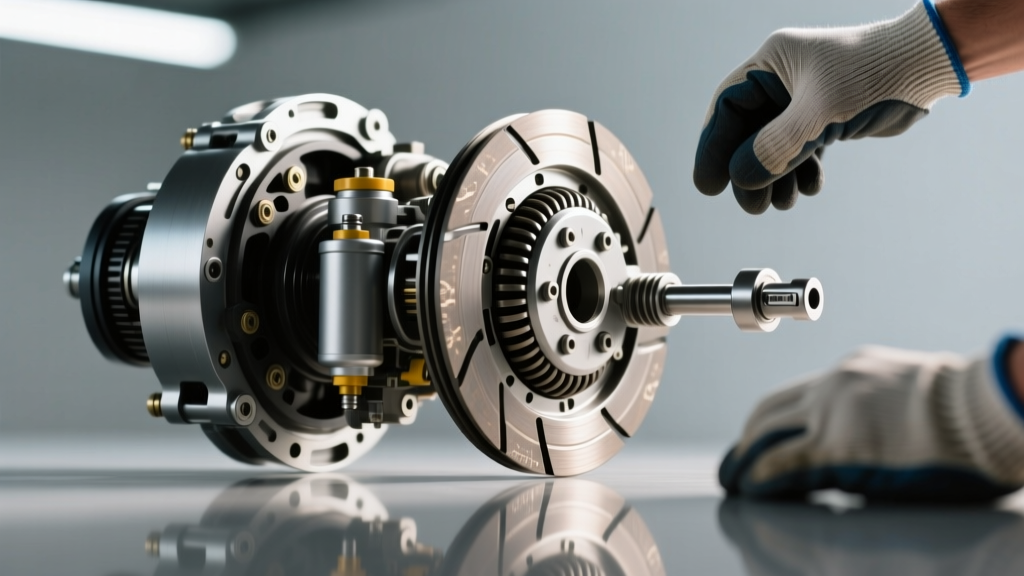
When preventive maintenance fails and replacement is required, adhering to exact torque specifications is vital. The aluminum housings of modern CSCs and the soft brass of bleeder screws are easily damaged by overzealous impact tools.
| Component / Application | Torque Specification | Estimated Part Cost | Labor Time |
|---|---|---|---|
| GM T56 / TR-6060 CSC Mounting Bolts | 15 Nm (11 lb-ft) | $140 - $220 (OEM LuK) | 4.5 - 6.0 Hours (Requires Trans Drop) |
| Ford MT-82 Hydraulic Banjo Bolt | 25 Nm (18 lb-ft) | $45 - $85 (Braided Line) | 1.5 Hours |
| Standard CSC Bleeder Screw | 8 Nm (6 lb-ft) | N/A (Integrated) | 0.5 Hours |
| Master Cylinder to Firewall Nuts | 18 Nm (13 lb-ft) | $60 - $130 | 1.0 Hour |
Advanced Bleeding Protocols for 2026 Manual Transmissions
Simply pumping the pedal is rarely sufficient for modern hydraulic circuits, especially those with long, convoluted hard lines and low-mounted CSCs where air naturally rises and becomes trapped in the slave cylinder bore. To ensure a rock-solid pedal and prevent the erratic engagement that leads to slipping, utilize a reverse-bleeding or pressure-bleeding technique.
Using a tool like the Motive Power Bleeder set to 15-20 PSI, force fresh, high-quality DOT 4 fluid (such as Motul RBF 600 or ATE Super Blue) from the master cylinder down to the CSC. For heavily aerated systems, reverse bleeding—injecting fluid from the CSC bleeder screw up into the master cylinder reservoir—uses the natural buoyancy of air bubbles to pull them out of the system. Always ensure the CSC is fully extended during the bleeding process; if the piston is retracted, air can become trapped behind the internal seals, leading to a spongy pedal and incomplete clutch engagement.
Conclusion: Proactive vs. Reactive Maintenance
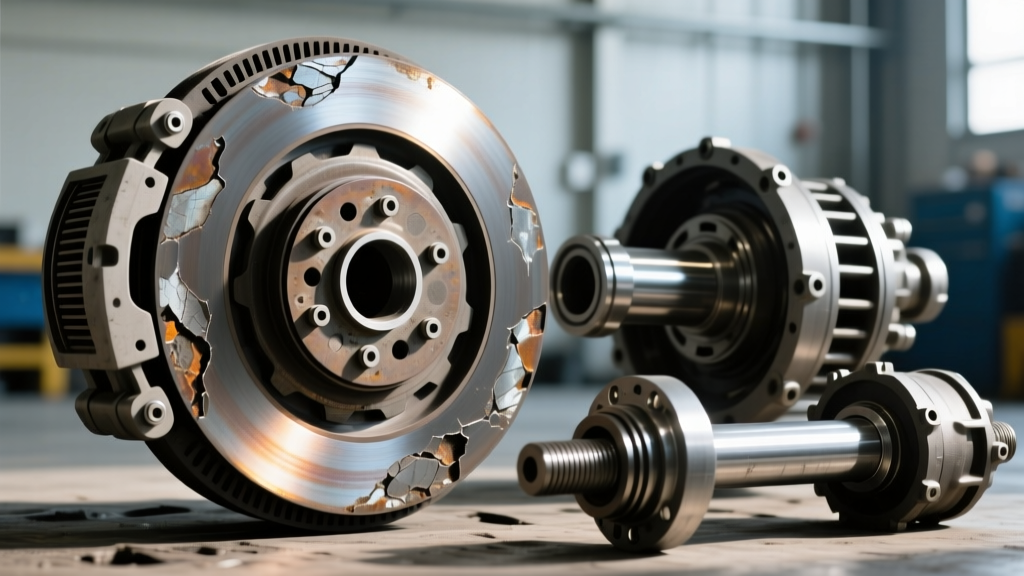
Ignoring the early signs of clutch slipping when the root cause is hydraulic will inevitably lead to catastrophic mechanical failure. A slipping clutch generates immense heat, which will quickly glaze the friction material, warp the flywheel, and melt the plastic thrust washers inside the transmission bell housing. By implementing a strict 24-month fluid flush interval, verifying pushrod free-play during every oil change, and utilizing the zip-tie diagnostic test at the first sign of pedal inconsistency, you can preserve the lifespan of your drivetrain. Preventive maintenance of the hydraulic circuit is not just about pedal feel; it is the primary defense against premature and expensive friction component failure.