The Physics of Stick-Slip and Performance Drivetrain NVH
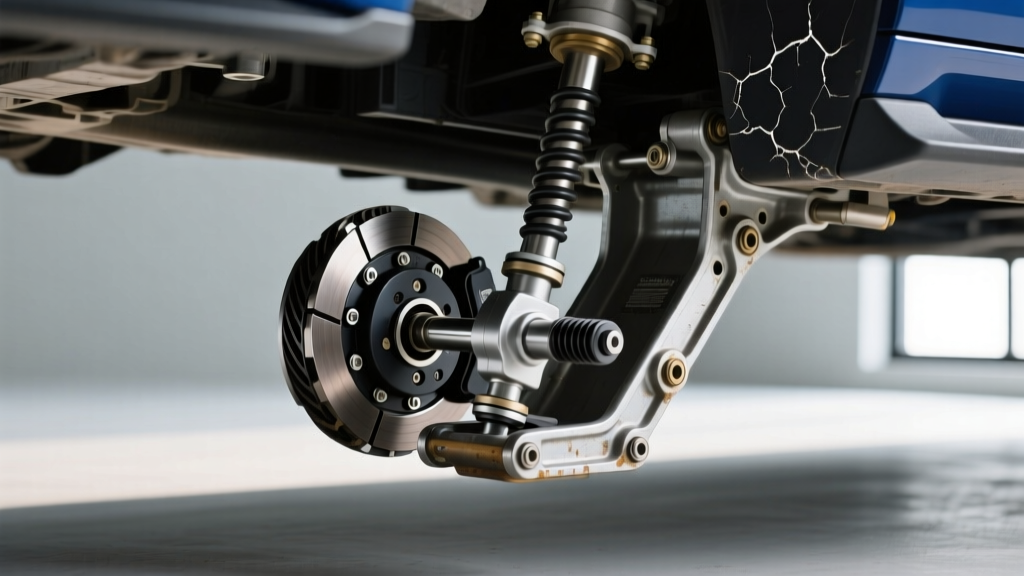
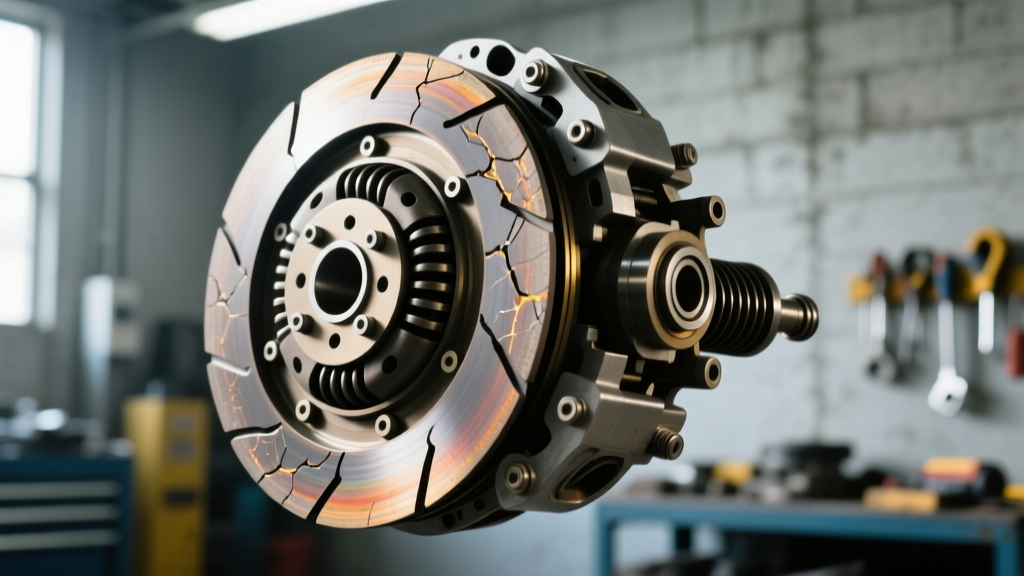
In the realm of high-performance manual transmissions—whether you are running a Tremec T-56 Magnum behind a built LS, or a Ford TR-3450 in a Coyote-swapped track car—drivetrain NVH (Noise, Vibration, and Harshness) is the enemy of both lap times and component longevity. Clutch chatter is not merely an annoyance; it is a violent stick-slip friction event that sends high-frequency shockwaves through the input shaft, pilot bearing, and transmission housing. Left undiagnosed, chatter will fracture ceramic pucks, shear flywheel bolts, and destroy bellhousing bearings.
At its core, clutch chatter occurs when the coefficient of static friction significantly exceeds the coefficient of kinetic friction between the clutch disc and the flywheel. As the pedal is released, the disc 'grabs' (sticks), instantly transferring torque and twisting the driveline. The stored torsional energy then overcomes the static grip, causing the disc to 'slip'. This rapid stick-slip cycle repeats dozens of times per second, manifesting as severe chassis shudder and audible rattling.
Decoding the Ball Python Clutch Cards Matrix
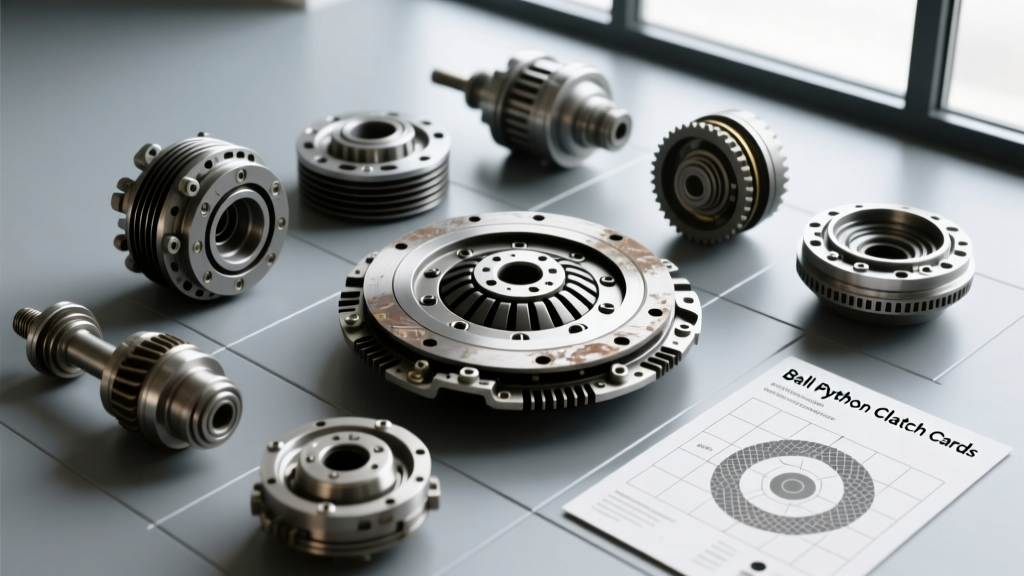
In the high-performance drivetrain and grassroots endurance racing community, the 'Ball Python Clutch Cards' system is a colloquial term for a rigorous 5x5 diagnostic telemetry matrix. Originally nicknamed by niche swap forums because the detailed grid logs resembled the genetic and morph tracking cards used by exotic reptile breeders, this methodology has become a staple for professional shops isolating high-frequency chatter in aggressive multi-disc and sintered-iron setups.
Rather than guessing the source of the vibration, performance technicians use the Ball Python Clutch Cards method to map chatter frequency against engine RPM and pedal load. By logging the exact conditions under which the stick-slip event occurs, you can accurately triangulate whether the fault lies in the friction material, the flywheel surfacing, or the hydraulic release geometry.
The 5x5 Diagnostic Matrix
| RPM Range | Pedal Load (lbs) | Chatter Frequency | Probable Failure Point |
|---|---|---|---|
| 1,000 - 1,500 | 40 - 60 (Light) | Low (10-20 Hz) | Marcel spring fatigue, uneven organic pad wear |
| 1,500 - 2,200 | 60 - 90 (Medium) | Mid (20-40 Hz) | Flywheel hot-spotting, incorrect step height |
| 2,200 - 3,000 | 90 - 120 (Heavy) | High (40+ Hz) | Sintered iron stick-slip, bellhousing misalignment |
| 3,000+ | Variable | Harmonic Ring | Clutch cover diaphragm spring resonance |
| Idle (800) | N/A (Depressed) | Constant Rattle | Worn input shaft bearing, loose release bearing |
By filling out a Ball Python Clutch Card during a road test, a tuner can immediately rule out friction material issues if the chatter only presents under high pedal load at low RPMs, pointing instead to hydraulic binding or a warped pressure plate diaphragm.
Precision Measurement: Runout and Concentricity
If your Clutch Cards indicate mid-to-high frequency chatter during engagement, the issue is almost always rooted in geometric misalignment. High-performance friction materials, particularly cerametallic and carbon-carbon, have zero tolerance for runout.
Flywheel Runout and Step Height
According to Centerforce Tech Articles, maximum allowable flywheel face runout is 0.005 inches Total Indicator Reading (TIR). To measure this, mount a magnetic dial indicator to the engine block and sweep the friction surface. If runout exceeds 0.005 inches, the clutch disc will engage on one side before the other, initiating an immediate stick-slip chatter.
Furthermore, 'step height'—the distance between the flywheel friction surface and the pressure plate mounting pad—must be exact. For a standard Tremec T-56 application using a standard-height flywheel, step height typically ranges between 0.500 and 0.550 inches. If a flywheel has been resurfaced improperly, the step height drops, reducing the clamping load and allowing the disc to slip and chatter under torque.
Bellhousing Bore Concentricity
The transmission bellhousing must be perfectly concentric to the engine crankshaft. The absolute maximum allowable runout for the bellhousing bore is 0.005 inches TIR. In high-horsepower builds, even factory aluminum bellhousings frequently exceed 0.010 inches of runout due to machining tolerances and thermal expansion. This misalignment forces the transmission input shaft to bend slightly upon engagement, causing the clutch disc to wobble and chatter against the flywheel. The fix requires measuring the bore with a dial indicator and installing offset dowel pins (available in 0.005, 0.014, and 0.021-inch offsets from manufacturers like RobbMc Performance) to re-center the housing.
Material Science: Choosing the Right Friction Surface
The data logged on your Ball Python Clutch Cards will heavily dictate your upgrade path. The friction material you choose directly dictates the static-to-kinetic friction delta that causes chatter.
- Organic / Kevlar Blends: Offer the smoothest engagement due to a minimal stick-slip delta. Ideal for street-driven performance cars (e.g., ACT HDSS or Centerforce DYAD). However, they are prone to glazing and slip under extreme shock-loading (e.g., drag racing or hard drifting).
- Cerametallic: A copper-iron blend that handles immense heat and torque but requires careful pedal modulation. If the marcel spring (the wavy cushion spring between the friction faces) is omitted or too stiff, cerametallic discs will chatter violently at low RPMs.
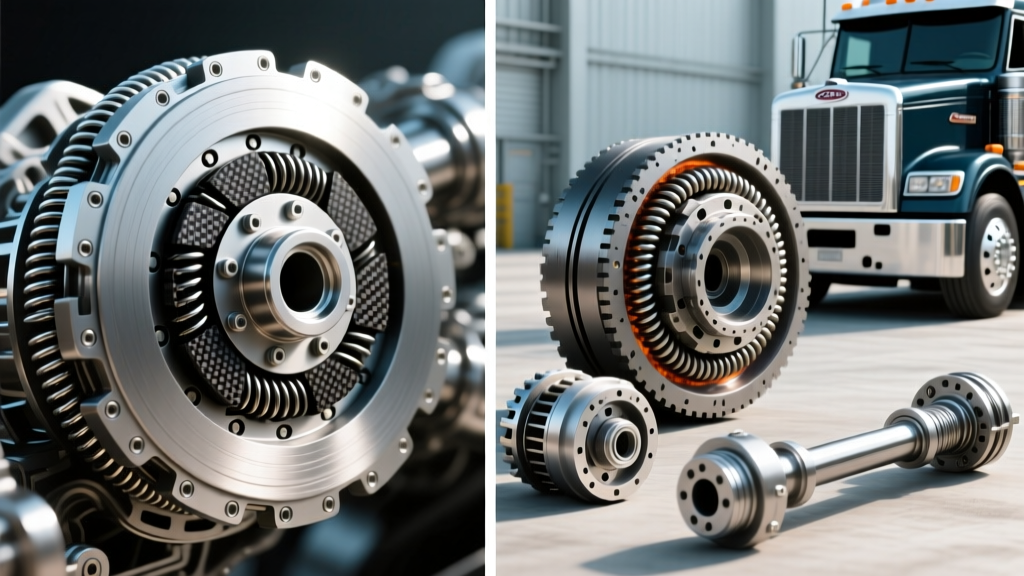
- Sintered Iron / Puck Style: Found in aggressive drag and drift setups. Sintered iron has an incredibly high static friction coefficient but drops off sharply once moving. This guarantees chatter during street driving. Upgrading to a twin-disc setup with a softer intermediate 'floater' plate can help mitigate this.
- Carbon-Carbon: The ultimate track solution (e.g., Tilton 7.25-inch OT-II). Carbon actually requires heat to generate friction. It will chatter and slip when cold, but once operating temperatures exceed 400°F, engagement becomes remarkably progressive and chatter-free.
When to Upgrade: Single vs. Twin-Disc Solutions
If you are pushing over 650 lb-ft of torque at the crankshaft, a single 10.5-inch or 11-inch organic disc is no longer viable without requiring brutal pressure plate clamping loads that ruin pedal feel and cause release bearing failure. Upgrading to a twin-disc clutch increases the friction surface area by 100%, allowing for lighter diaphragm springs and smoother engagement.
For platforms like the GM LS or Ford Coyote, the Tilton Racing Technical Info archives highly recommend 7.25-inch multi-disc setups for dedicated track cars due to their low moment of inertia, which allows the engine to rev and drop much faster. For dual-purpose street/track builds, a 9-inch or 10-inch twin-disc (like the McLeod RXT or ACT XT Twin) provides a better balance of street manners, thermal mass for stop-and-go traffic, and torque capacity.
Assembly Protocols and Torque Specifications
A flawless upgrade will still chatter if assembly protocols are ignored. The mating surfaces of the flywheel, clutch disc, and pressure plate must be surgically clean. Use aerosol brake cleaner and a lint-free cloth to remove all anti-corrosion oils from a new flywheel. Even a fingerprint on a sintered iron puck can cause localized slipping and chatter during the break-in cycle.
Fastener Torque and Prep
According to the ARP Fastener Torque Guide, flywheel bolts must be torqued to exact specifications using the correct lubricant. Using motor oil instead of ARP Ultra-Torque on ARP fasteners can result in a 25% over-torque condition, stretching the bolts and warping the flywheel.
- GM LS (M10x1.5) Flywheel Bolts: 74 lb-ft (OEM spec) or follow ARP spec (typically 70 lb-ft with Ultra-Torque).
- Ford Coyote (M12) Flywheel Bolts: 59 lb-ft + 90 degrees torque-to-yield (OEM).
- Pressure Plate to Flywheel (3/8-16 or 5/16-18): Typically 25-35 lb-ft, tightened in a star pattern to ensure the diaphragm spring seats evenly without binding.
Always apply a medium-strength threadlocker (like Loctite 262) to flywheel bolts, as the torsional vibrations inherent in high-compression, big-cam engines will easily back out unsecured hardware. By combining the meticulous data logging of the Ball Python Clutch Cards with precision measurement and proper material selection, you can eliminate drivetrain chatter and build a manual transmission setup that is both brutally fast and mechanically sympathetic.