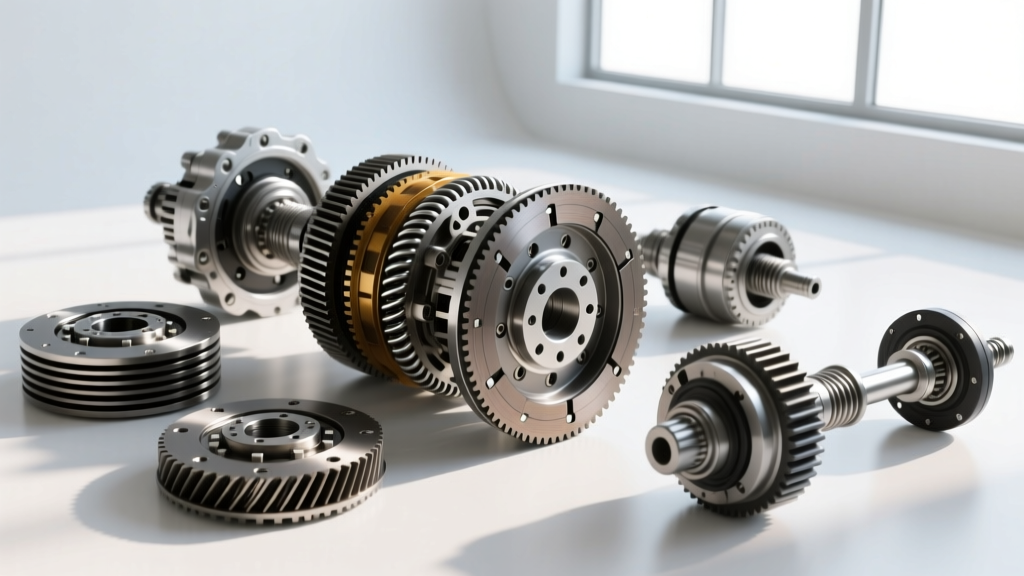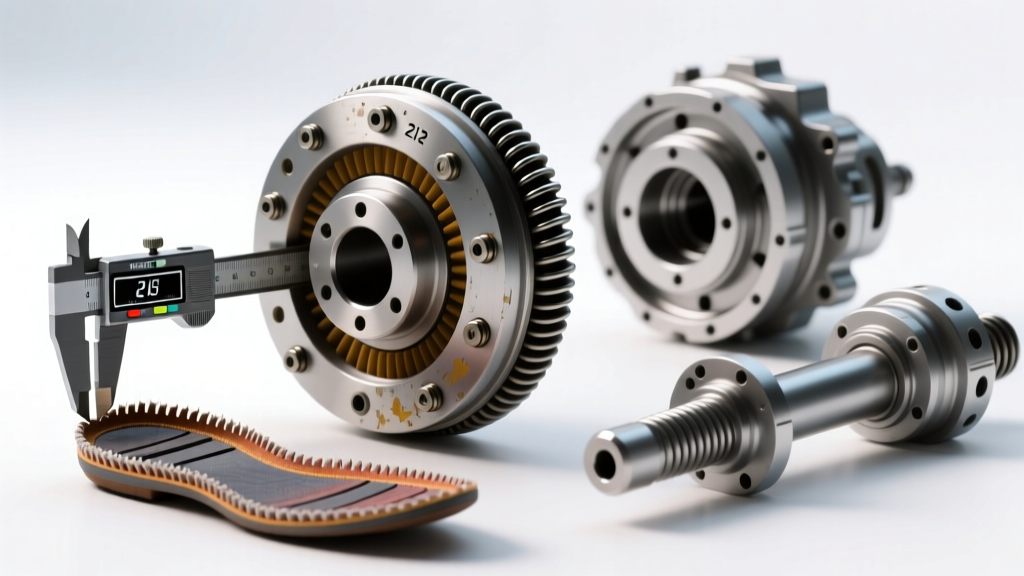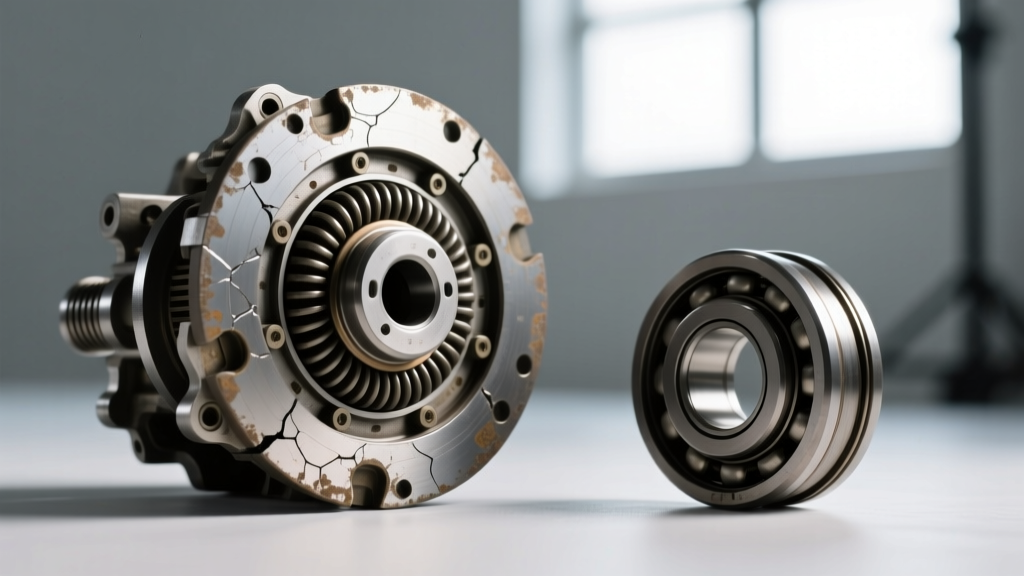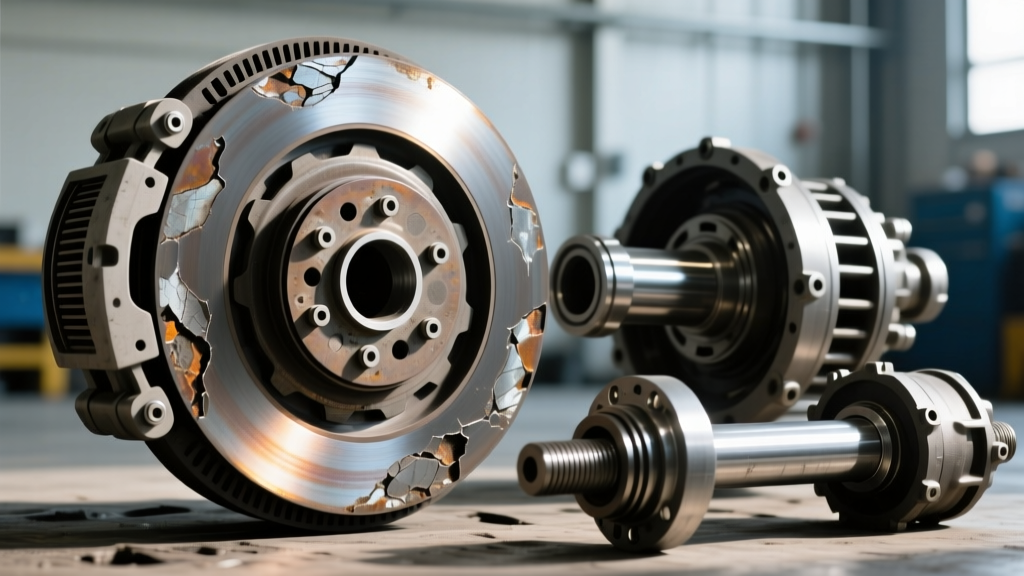
The Visual Standard in Heavy-Duty Drivetrain Diagnostics
In the high-stakes world of Class 8 commercial trucking, drivetrain failures result in thousands of dollars in downtime. As 2026 emissions-compliant powertrains—like the Cummins X15 and Detroit DD15—continue to push low-RPM torque peaks past 2,050 lb-ft to maximize fuel efficiency, the clutch assembly bears the brunt of immense torsional stress. When diagnosing premature wear or catastrophic failure, veteran diesel technicians frequently reference a legendary visual database colloquially known as Clutch Cargo's photos.
Originally compiled by a veteran fleet maintenance director and expanded across heavy-duty trucking forums, Clutch Cargo's photos serve as the industry's unofficial macro-photography archive for clutch teardowns. This visual library documents every conceivable failure mode of 15.5-inch commercial clutch packs, from micro-cracking on pressure plates to marcel spring compression anomalies. By cross-referencing your teardown findings with these documented visual cues, you can accurately pinpoint the root cause of a failure and select the correct performance upgrade.
Decoding the Archive: Visual Cues vs. Mechanical Reality
Before throwing a replacement organic clutch at a slipping problem, a proper teardown and visual inspection are mandatory. The following diagnostic matrix, derived from the most critical entries in the visual archive, helps translate visual damage into mechanical upgrade solutions.
| Visual Cue (Documented Failure) | Mechanical Root Cause | Performance Upgrade Solution |
|---|---|---|
| Bluish-purple heat spots on pressure plate | Severe slip under high-torque load; inadequate clamp load for engine output. | Upgrade to a high-clamp Eaton Solo diaphragm spring or twin-plate setup. |
| Fractured damper springs in driven disc | Torsional vibration spikes from aggressive low-RPM cruising (downspeeding). | Install a multi-stage dampened driven disc with tuned spring rates. |
| Glazed, glass-like organic friction material | Oil contamination or chronic 'riding' of the clutch in heavy stop-and-go PTO use. | Switch to Cerametallic friction facings; inspect crankshaft rear main seal. |
| Asymmetric wear on release bearing collar | Bellhousing bore runout exceeding 0.006 inches; misalignment. | Machine or replace bellhousing; verify block-to-housing dowel pins. |
AMT vs. Manual: Divergent Diagnostic Paths
The 2026 commercial landscape is dominated by Automated Manual Transmissions (AMTs) like the ZF Traxon and Eaton Endurant. Diagnosing clutch problems in these systems requires a fundamentally different approach compared to traditional manual transmissions like the Eaton Fuller FRO-16210C.
Automated Manual Transmission (AMT) Diagnostics
AMTs utilize electronically controlled pneumatic or hydraulic release mechanisms. Clutch slip in an Endurant HD often triggers a derate code before the driver even feels a loss of power. When inspecting an AMT clutch pack, pay close attention to the wear sensor ring and the release bearing travel limits. If the clutch actuator reaches its maximum stroke limit, the system will throw a fault code and refuse to engage gears. Upgrading an AMT clutch requires strict adherence to OEM software calibration; installing a high-torque aftermarket twin-plate without updating the Transmission Control Module (TCM) parameters will result in aggressive, chatter-inducing engagements.
Manual Transmission Diagnostics
For traditional 10-speed and 18-speed manuals, pedal feel is your primary diagnostic tool. A spongy pedal indicates hydraulic system aeration or a failing concentric slave cylinder (CSC). However, if the pedal effort suddenly increases and engagement causes violent driveline shudder, you are likely dealing with a collapsed marcel spring or a warped intermediate plate in a twin-plate configuration. According to Eaton's heavy-duty service guidelines, manual linkage and mechanical release bearings must be checked for pivot ball wear, which can alter the clutch brake squeeze dimension and cause gear grind on startup.
Heavy-Duty Performance Upgrade Pathways
When the teardown confirms that the stock clutch is insufficient for the application, it is time to spec a performance upgrade. Fleet managers and owner-operators running heavy-haul, logging, or extreme-grade routes must prioritize thermal capacity and torsional dampening.
1. Friction Material: Organic vs. Cerametallic
Standard organic facings (like those on the Spicer 15.5" Single Plate) offer smooth engagement but degrade rapidly under the thermal load of 1,850+ lb-ft engines. For severe-duty applications, upgrading to a Cerametallic button-style or full-face metallic disc is essential. Cerametallic materials can withstand surface temperatures exceeding 600°F without glazing. However, they require precise throttle modulation during starts to prevent driveline shock.
2. Single Plate to Twin-Plate Conversions
If your Class 8 truck is spec'd with a 14-inch or 15.5-inch single plate but frequently operates at Gross Combination Weights (GCW) over 110,000 lbs, a twin-plate upgrade is mandatory. A twin-plate assembly effectively doubles the friction surface area without requiring an exponential increase in pedal effort. When sourcing a twin-plate kit (such as the Eaton Twin-Plate Diaphragm series), ensure the intermediate plate features drive lugs designed to prevent the plate from hanging up on the flywheel during disengagement—a common failure point documented extensively in the visual archives.
3. Flywheel Metallurgy and Resurfacing
Never pair a high-performance clutch with a worn or improperly spec'd flywheel. While standard grey cast iron flywheels are prone to thermal cracking under heavy slipping, upgrading to a nodular iron or forged steel flywheel provides the necessary mass and thermal stability for high-torque diesels. According to research on commercial drivetrain dynamics published by SAE International, maintaining the correct flywheel step height is critical; an incorrect step height will alter the diaphragm spring angle, leading to premature release bearing failure and incomplete disengagement.
Precision Installation: Torque Specs and Tolerances
The most expensive clutch upgrade will fail in 10,000 miles if installation tolerances are ignored. Heavy-duty diesel blocks expand and contract significantly under load. The following installation parameters must be strictly adhered to during a Class 8 clutch replacement:
- Flywheel Runout: Maximum Total Indicator Reading (TIR) of 0.005 inches. Exceeding this will cause localized hot spots and severe clutch chatter.
- Bellhousing Bore Runout: Maximum 0.006 inches TIR. Use an adjustable offset dowel pin kit to correct misalignment between the engine block and transmission bellhousing.
- Flywheel to Crankshaft Torque (Cummins X15/ISX): Tighten M16 bolts to 130 lb-ft, then turn an additional 90 degrees. Always use new OEM stretch bolts.
- Clutch Housing to Flywheel Torque: 60-75 lb-ft (depending on fastener grade), tightened in a star pattern to ensure even diaphragm loading.
- Clutch Brake Squeeze: For manual transmissions, verify the clutch brake squeeze dimension (typically 0.500" to 0.625") to ensure the transmission input shaft brake engages properly when the pedal is fully depressed.
"Torsional vibrations in modern downsped diesel engines can destroy standard clutch dampers in under 50,000 miles. Upgrading to multi-stage, variable-rate damper springs is no longer optional for heavy-haul fleets; it is a baseline requirement for drivetrain survival." — Driveline Engineering Symposium, 2025
The Break-In Protocol
Once the upgraded clutch is installed, the break-in procedure dictates its long-term survival. Cerametallic and heavy-duty organic facings require a bedding-in period to mate the friction material to the flywheel surface. For the first 500 miles, avoid full-throttle starts, aggressive downshifting, and prolonged slipping on inclines. Engage the clutch smoothly at moderate RPMs to allow the friction surfaces to wear evenly and establish a uniform transfer layer. By combining the forensic visual diagnostics of the community archives with modern, high-torque upgrade components, you can build a commercial drivetrain capable of handling the extreme demands of the 2026 freight industry.
For further technical specifications on heavy-duty friction materials and release systems, consult the Alliance Truck Parts clutch catalog or your OEM driveline engineering representative.