The Evolution of V-Twin Clutch Actuation
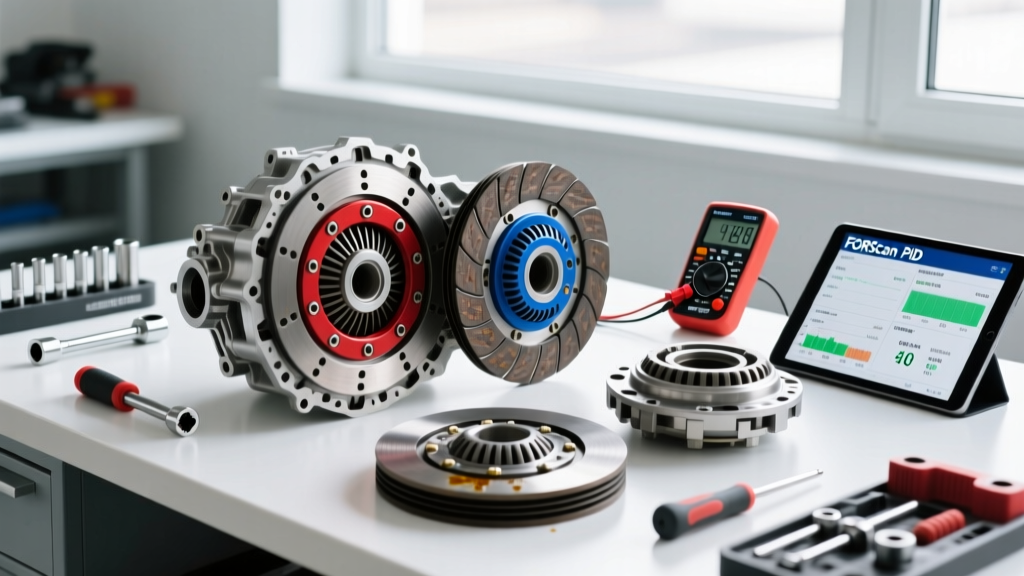
For decades, the most heavily debated topic in V-twin motorcycle forums was the harley clutch cable routing diagram. Owners and mechanics alike struggled with the tight clearances inside the frame neck, leading to frayed inner wires, stiff lever pull, and premature cable failure. However, as we navigate the 2026 performance landscape, the paradigm has shifted heavily toward hydraulic actuation. Whether you are diagnosing a modern factory hydraulic system (like those found on the Pan America platform) or troubleshooting an aftermarket cable-to-hydraulic conversion using kits from Magura or Barnett, understanding hydraulic clutch system diagnosis is paramount for preventive maintenance and drivetrain longevity.
This preventive maintenance guide bypasses the archaic friction issues of steel cables and dives deep into the fluid dynamics, master cylinder diagnostics, and slave cylinder tolerances required to keep a hydraulic clutch system operating flawlessly.
Anatomy of a High-Performance Hydraulic Clutch System
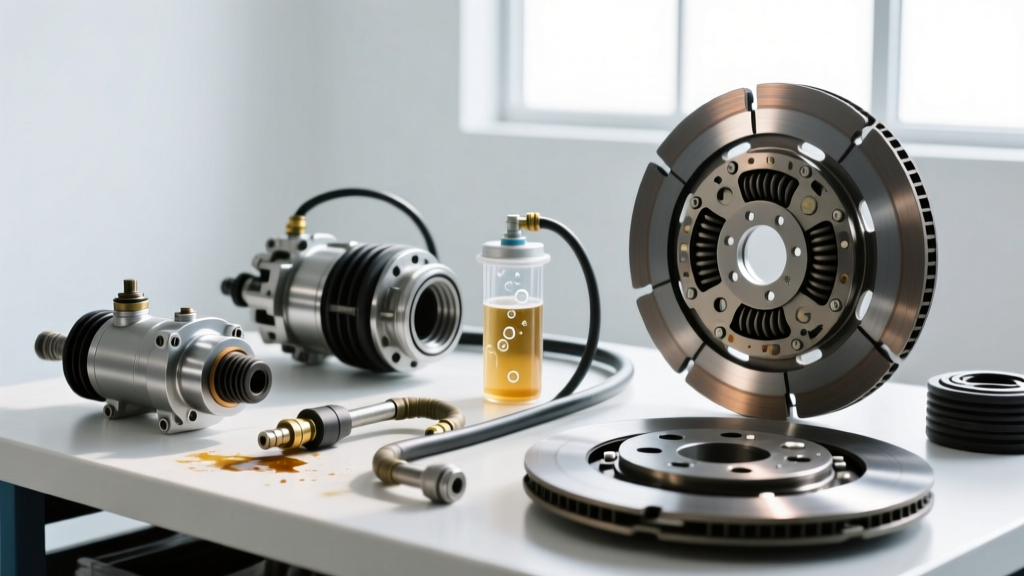
Unlike a mechanical cable that relies on physical tension and lubrication, a hydraulic system utilizes Pascal's Law to multiply force. The system consists of three primary nodes: the master cylinder, the hydraulic line, and the slave cylinder. Diagnosing issues requires isolating the fault to one of these three nodes.
Master Cylinder Bore Sizing and Ratio
The master cylinder converts mechanical lever input into hydraulic pressure. For heavy V-twin applications, a 11mm to 14mm bore is standard. Using a master cylinder with too large of a bore (e.g., 16mm or 19mm, often meant for dual-disc brake setups) will result in a harsh, abrupt engagement point and excessive lever effort. Conversely, a 10mm bore provides a light lever pull but requires more hand travel to achieve the necessary slave cylinder displacement.
Expert Insight: When upgrading to a Brembo RCS14 or a Magura 11mm radial master cylinder, ensure the lever ratio matches the slave cylinder volume. A mismatch here is the leading cause of 'clutch drag' in custom hydraulic conversions.
Fluid Dynamics: Glycol vs. Silicone in 2026
Preventive maintenance begins with fluid selection. While legacy V-twin service manuals often specified DOT 5 (silicone-based) fluid to prevent paint damage and moisture absorption, modern hydraulic clutch conversions and high-performance OEM systems strictly require glycol-based fluids (DOT 4 or DOT 5.1) due to their superior compressibility resistance and lubrication properties for master cylinder seals.
| Fluid Type | Base Chemistry | Dry Boiling Point | Wet Boiling Point | Service Interval |
|---|---|---|---|---|
| DOT 4 | Glycol Ether | 230°C (446°F) | 155°C (311°F) | Every 2 Years |
| DOT 5.1 | Glycol Ether/Borate | 270°C (518°F) | 180°C (356°F) | Every 2 Years |
| DOT 5 | Silicone | 260°C (500°F) | 180°C (356°F) | Every 5 Years (Not for ABS/Modern) |
Note: Never mix DOT 5 (silicone) with DOT 4 or 5.1. The resulting chemical reaction creates a sludge that will destroy the master cylinder bypass ports and slave cylinder seals.
Preventive Maintenance Diagnostic Framework
When a hydraulic clutch begins to exhibit symptoms, use this diagnostic tree to isolate the failure point.
Symptom 1: Spongy Lever Feel and Compressibility
Root Cause: Air ingress, micro-bubbles in the line, or hygroscopic fluid degradation (water contamination lowering the boiling point, causing localized vapor lock near the engine).
Diagnostic Action: Inspect the banjo bolt fittings. Copper crush washers (typically M10x1.0mm) are single-use items. If a banjo bolt was recently loosened and reused without replacing the crush washers, micro-leaks will introduce air into the system during lever release (the vacuum phase). Replace washers and perform a vacuum bleed at the slave cylinder.
Symptom 2: Clutch Drag and Incomplete Disengagement
Root Cause: Insufficient slave cylinder pushrod travel, warped friction plates, or a master cylinder bypass port blockage.
Diagnostic Action: Measure the slave cylinder pushrod travel. For most aftermarket billet slave cylinders (such as those from Speed's Performance Plus or Barnett), the required pushrod travel to fully disengage a multi-plate clutch is between 3.5mm and 4.5mm. If travel is less than 3.0mm, the clutch will drag, making neutral difficult to find and causing premature transmission gear dog wear. Adjust the pushrod length or verify the master cylinder bore size is adequate to move the required fluid volume.
Symptom 3: Lever Creep and Pressure Loss
Root Cause: Master cylinder internal bypass failure or degraded slave cylinder O-rings.
Diagnostic Action: If you pull the clutch lever in at a stoplight and it slowly creeps back out, or the clutch begins to engage while the lever is held to the grip, the internal cup seals in the master cylinder are bypassing fluid back into the reservoir. This requires a master cylinder rebuild kit (e.g., Magura Part # 1800041 rebuild components) or a full unit replacement. Do not attempt to ride with this symptom, as it will lead to catastrophic transmission damage from forced shifting.
Precision Bleeding Procedures and Torque Specifications
Proper preventive maintenance requires adhering to exact torque specifications. Over-torquing a bleeder valve can snap the head off inside the slave cylinder body, turning a $20 fluid flush into a $300 slave cylinder replacement.
| Component | Thread / Size | Torque Spec (Nm) | Torque Spec (lb-ft) |
|---|---|---|---|
| Banjo Bolt (Master/Slave) | M10 x 1.25 | 20 - 24 Nm | 15 - 18 lb-ft |
| Master Cylinder Clamp | M6 x 1.0 | 10 - 12 Nm | 7 - 9 lb-ft |
| Slave Cylinder Bleeder | M8 x 1.0 | 8 - 10 Nm | 6 - 7 lb-ft |
| Slave Cylinder Mount | M8 x 1.25 | 22 - 26 Nm | 16 - 19 lb-ft |
The Reverse-Bleed Technique for Stubborn Air
Because hydraulic clutch lines often route upward from the slave cylinder to the master cylinder, air bubbles can become trapped in the high points of the banjo fittings. Traditional top-down bleeding often fails to dislodge these pockets. As a best practice in 2026, utilize a reverse-bleed syringe system. By injecting fresh, degassed DOT 4 fluid upward from the slave cylinder bleeder valve, air is naturally pushed up and out into the master cylinder reservoir, ensuring a rock-solid lever feel in a fraction of the time.
Cost Analysis: OEM Cable vs. Hydraulic Conversion
While searching for a harley clutch cable routing diagram and replacing a frayed OEM cable is inexpensive upfront, the long-term maintenance and performance benefits of a hydraulic conversion often justify the cost for high-mileage riders and performance applications.
- OEM Replacement Cable: $65 - $95 (Requires annual lubrication, routing adjustments, and eventual replacement due to stretch and fraying).
- Magura Hydraulic Clutch Kit (Complete): $450 - $550 (Includes master, slave, and Kevlar-reinforced line. Virtually maintenance-free aside from bi-annual fluid flushes).
- Brembo Master + Barnett Slave Setup: $600 - $750 (Premium track and high-torque touring setup requiring precise pushrod calibration).
Final Preventive Maintenance Checklist
To ensure your hydraulic clutch system remains reliable and protects your transmission's internal components, adhere to this annual checklist:
- Inspect Line Integrity: Check stainless steel braided lines for micro-fissures and ensure the PTFE inner liner is not bulging at the crimped fittings.
- Test Reservoir Venting: Ensure the master cylinder reservoir cap diaphragm is intact and the micro-vent hole is clear. A blocked vent will create a vacuum, preventing the clutch from fully engaging and causing slip.
- Measure Free Play: Unlike cables, hydraulic systems require zero mechanical free play at the lever, but must have a visible gap between the master cylinder piston and the pushrod to allow fluid to return to the reservoir.
- Flush Fluid: Bleed the system with fresh DOT 4 or DOT 5.1 fluid every 24 months, regardless of mileage, to prevent internal corrosion of the slave cylinder bore.
By moving beyond the limitations of mechanical cable routing and embracing precise hydraulic diagnostics, you ensure seamless power delivery and extend the life of your clutch basket and transmission gears well past the 100,000-mile mark.