Understanding the Parallel Plate Drivetrain in Modern Hybrids
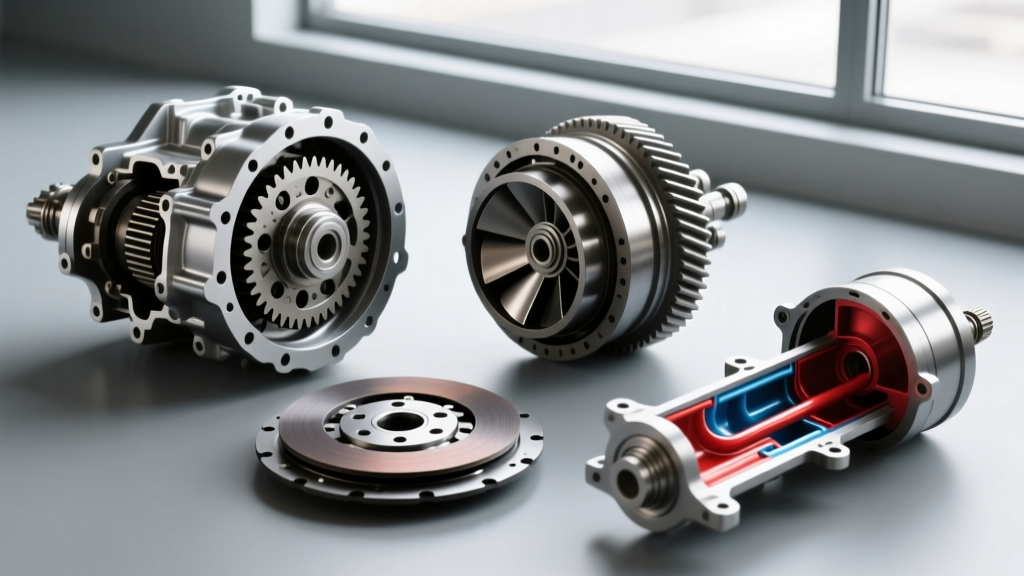
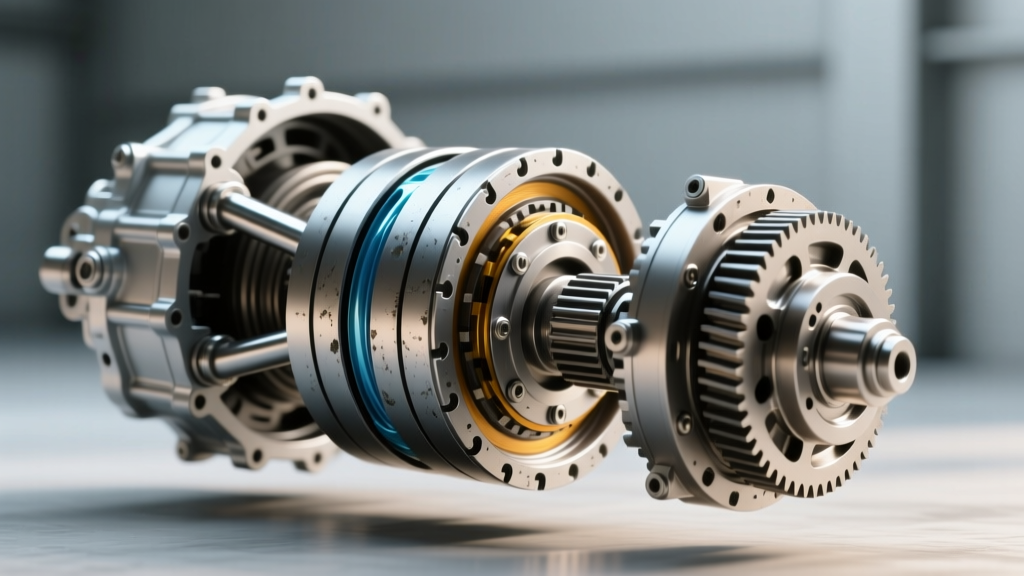
As automotive engineering shifts toward electrification, the conventional powertrain has evolved into highly complex hybrid systems. When transmission engineers refer to a parallel plate drivetrain in the context of P2 and P3 hybrid architectures, they are specifically highlighting a parallel-axis layout combined with multi-plate wet clutches (often termed parallel plate clutches) that manage the torque coupling between the internal combustion engine (ICE) and the electric motor. Unlike traditional torque converters, these systems rely on precise hydraulic pressure and friction material integrity to seamlessly blend power sources.
For automotive technicians and dedicated DIYers, maintaining a hybrid drivetrain requires a fundamental shift in perspective. The introduction of high-voltage electric motors inside or adjacent to the transmission bell housing generates unique thermal loads. Preventive maintenance is no longer just about changing fluid; it is about preserving the microscopic friction coefficients of the K0 disconnect clutch and ensuring the mechatronic control unit can accurately modulate hydraulic pressure. In this 2026 preventive maintenance guide, we will dissect the service requirements of the most prominent parallel hybrid systems on the road, including the ZF 8P45H and the VW DQ400e.
The K0 Disconnect Clutch Architecture
In a P2 parallel hybrid configuration (found in vehicles like the BMW X5 xDrive45e and various Audi TFSI e models), the electric motor is sandwiched between the ICE and the transmission. The critical component here is the K0 clutch—a multi-plate wet clutch that physically disconnects the engine from the drivetrain during EV-only driving. If the fluid degrades and loses its specific friction modifiers, the K0 clutch will experience micro-slip during engagement, leading to shudders, delayed ICE starts, and eventual friction plate glazing. According to ZF Aftermarket, over 60% of early P2 hybrid transmission complaints stem from neglected fluid shear stability rather than mechanical hard-part failures.
Fluid Shear Stability and Thermal Degradation
Hybrid transmissions do not use standard Automatic Transmission Fluid (ATF). They require ultra-low viscosity fluids engineered to handle the electrical conductivity requirements of the integrated motor, while simultaneously providing targeted friction characteristics for the parallel plate clutches. Using a standard ATF like Dexron VI or Mercon LV in a hybrid ZF or DSG unit will cause immediate clutch chatter and can lead to dielectric breakdown around the stator windings.
| Transmission Model | Hybrid Architecture | OEM Fluid Specification | Service Fill Capacity | Severe Service Interval |
|---|---|---|---|---|
| ZF 8P45H / 8P55H | P2 Parallel (BMW, Audi, Porsche) | ZF LifeguardHybrid 8 | 5.5 - 6.5 Liters | 60,000 Miles / 8 Years |
| VW DQ400e | P2 Parallel DSG (Golf GTE, Passat GTE) | VW G 052 182 A2 | 5.5 Liters (Dual Circuit) | 40,000 Miles / 6 Years |
| Toyota P810 (e-CVT) | Power-Split / Parallel Blend | Toyota ATF WS | 3.5 - 4.0 Liters | 100,000 Miles (Inspect) |
Thermal degradation is the silent killer of the parallel plate drivetrain. During regenerative braking, the electric motor acts as a generator, transferring immense kinetic energy back into the battery. However, the mechanical drag of the stator and rotor generates localized heat that transfers directly into the transmission fluid. Over time, this thermal cycling breaks down the fluid's anti-foaming agents. Aerated fluid leads to spongy hydraulic pressure, causing the mechatronic solenoids to overshoot their target pressure when engaging the parallel plates.
Preventive Maintenance Protocol: Torque and Fill Specifications
Executing a drain and fill on a hybrid parallel plate drivetrain requires strict adherence to temperature-dependent level checks and precise torque specifications. The ZF 8HP hybrid family, for instance, utilizes a plastic oil pan with an integrated filter and a mechatronic sealing sleeve that is prone to weeping if not reseated correctly.
ZF 8P45H Hybrid Service Procedure
- Part Number: ZF 1087.298.347 (Pan, filter, and bolt kit).
- Preparation: Vehicle must be perfectly level. Connect an OBDII scanner capable of reading transmission fluid temperature (TFT).
- Drain: Remove the 8mm hex drain plug. Expect 5.5 liters of fluid to drain. Inspect for excessive copper (indicative of stator bushing wear) or dark friction material.
- Fill: Pump ZF LifeguardHybrid 8 into the fill port until it overflows.
- Leveling: Start the engine. The ZF 8HP requires the engine to be running to circulate fluid through the torque converter (or K0 clutch accumulator) and the cooler. Cycle through PRNDL, pausing for 3 seconds per gear. Monitor TFT; when the fluid reaches exactly 40°C (104°F), remove the fill plug and let it drip to a steady stream.
- Torque Specs:
- Plastic Pan Bolts (M6x25): 10 Nm + 45 degrees (Replace all bolts; they are torque-to-yield).
- Drain Plug: 35 Nm.
- Mechatronic Sleeve Bolts: 8 Nm.
VW DQ400e DSG Hybrid Service Procedure
The DQ400e is a 6-speed wet-clutch DSG specifically modified for hybrid torque loads. It features two distinct fluid circuits: the gear oil circuit and the mechatronic/hydraulic circuit. Preventive maintenance requires servicing both.
- Gear Oil Circuit: Drain and fill with exactly 5.5 liters of VW G 052 182 A2. The leveling plug requires the fluid to be between 35°C and 45°C during the check.
- Mechatronic Accumulator: The DQ400e utilizes a high-pressure accumulator to maintain clutch pressure during engine stop/start events. If the hydraulic fluid is not flushed every 40,000 miles, the accumulator solenoid will stick, triggering a 'Drivetrain Malfunction' CEL.
- Torque Specs:
- Drain Plug (M14): 45 Nm.
- Leveling Plug (M10): 15 Nm.
- DSG Filter Housing Bolts: 10 Nm.
Thermal Management: The Hybrid Heat Exchanger
A frequently overlooked aspect of hybrid drivetrain maintenance is the transmission-to-coolant heat exchanger. Because parallel plate clutches generate immense heat during slip-phases (such as blending ICE and EV torque at 35 mph), the fluid relies on the engine's low-temperature cooling circuit. If the engine coolant is not flushed at the manufacturer's 5-year interval, silicate drop-out will clog the micro-channels of the transmission heat exchanger. This results in the transmission fluid running 20°F to 30°F hotter than normal, accelerating clutch pack wear. Always perform a vacuum fill on the low-temp cooling circuit after a transmission fluid service to ensure no air pockets are trapped in the heat exchanger.
Diagnosing Micro-Shudders and Adaptive Reset Procedures
If a vehicle equipped with a parallel plate drivetrain exhibits a 15-25 Hz micro-shudder during light throttle EV-to-ICE handoff, the friction material is likely not worn out; rather, the adaptive clutch values have drifted due to fluid aging. As noted in SAE International technical papers regarding P2 hybrid calibration, the Transmission Control Module (TCM) continuously learns the 'kiss point' (the exact hydraulic pressure where the parallel plates first make contact). Old, degraded fluid alters the hydraulic response time, causing the TCM to store incorrect kiss-point adaptations.
Expert Diagnostic Tip: Never replace a K0 clutch or mechatronic unit for shudder complaints without first performing a fluid exchange and a 'Clutch Adaptation Reset' via a bidirectional scan tool (such as VCDS, OBD11, or OEM software). Drive the vehicle through the automated adaptation cycle (usually requiring a steady 40 mph coast-down and several wide-open-throttle launches) to allow the TCM to relearn the friction coefficients with the new fluid. This resolves the issue in over 80% of cases.
2026 Service Cost Analysis: Dealership vs. Independent Specialists
Hybrid drivetrain maintenance carries a premium due to the specialized fluids and the high-voltage safety protocols required when working near the stator housing. Below is a realistic cost breakdown for preventive maintenance on a P2 parallel hybrid system in the current market.
- ZF 8P45H Fluid & Filter Service:
- OEM Dealership: $650 - $900 (Often includes unnecessary flush machine fees, which are NOT recommended for hybrid clutches).
- Independent Euro Specialist: $350 - $550 (Proper gravity drain, fill, and scan-tool leveling).
- DIY Cost: $180 - $240 (ZF kit + LifeguardHybrid 8 fluid).
- VW DQ400e Dual-Circuit Service:
- OEM Dealership: $450 - $600.
- Independent VAG Specialist: $250 - $400.
- DIY Cost: $120 - $160.
- Mechatronic Sleeve / Accumulator Solenoid Replacement:
- If preventive maintenance is ignored and the sleeve leaks or solenoids stick, expect $800 - $1,400 for parts and labor, requiring a full fluid refill and adaptation reset.
Final Preventive Maintenance Directives
The parallel plate drivetrain represents the pinnacle of mechanical and electrical integration. To ensure longevity beyond the 100,000-mile powertrain warranty threshold, owners and technicians must abandon the 'lifetime fluid' myth. High-voltage thermal loads and the extreme precision required by the K0 disconnect clutch demand strict adherence to 50,000 - 60,000 mile service intervals using only OEM-specified, low-viscosity dielectric fluids. By combining precise torque-to-yield assembly practices with mandatory TCM adaptive resets, you can preserve the seamless torque-blending characteristics that define modern hybrid performance.