The Critical Divide: Front vs. Rear Differential Specs
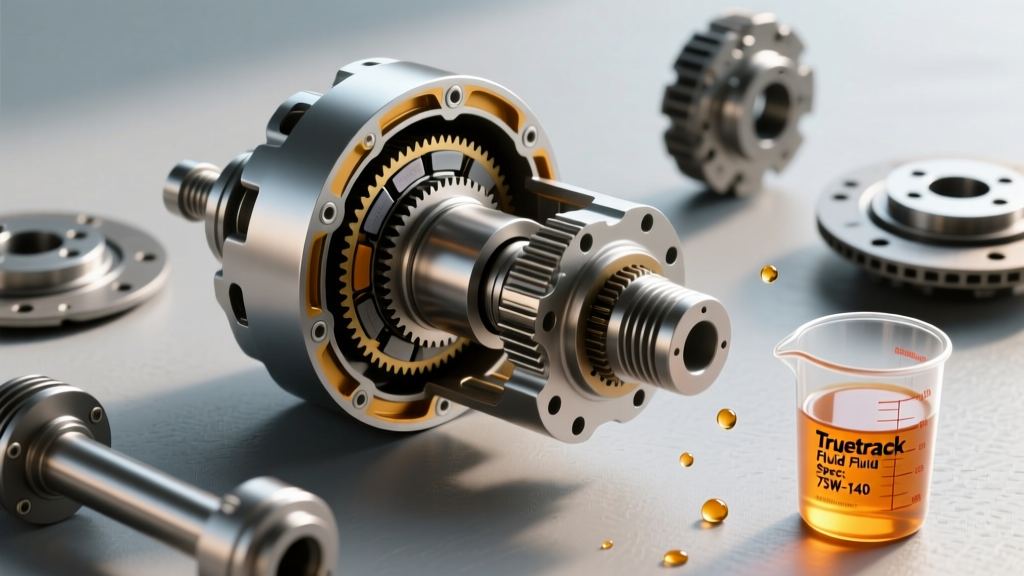
When analyzing the honda pilot differential fluid maintenance schedule, owners and technicians must recognize that the front and rear axles require entirely different chemical formulations. Unlike solid-axle trucks that utilize a uniform 75W-90 or 80W-90 GL-5 gear oil across both differentials, the Honda Pilot's all-wheel-drive architecture demands a split-specification approach. Misunderstanding this divide is one of the most common—and expensive—mistakes made by quick-lube shops and inexperienced DIYers.
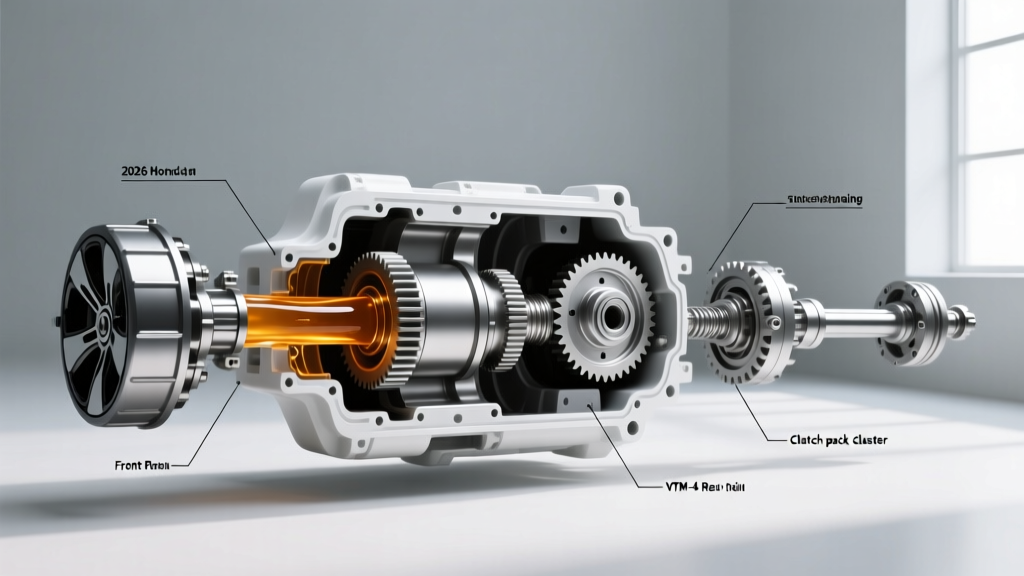
The front differential operates as a traditional open or limited-slip hypoid gear set, while the rear differential houses Honda's proprietary VTM-4 (Variable Torque Management) or i-VTM4 clutch-pack system. Using standard gear oil in the rear differential will lead to catastrophic clutch failure, while over-servicing the front differential with expensive VTM-4 fluid is simply a waste of money. Below, we break down the exact gear oil specifications, fluid capacities, and a comprehensive 2026 cost analysis for servicing your Pilot's drivetrain.
Front Differential Gear Oil Specifications
The front differential on all generations of the Honda Pilot (2003–2026) is a conventional hypoid gear setup. It requires a standard API GL-5 or GL-6 rated gear oil. Honda's OEM recommendation is their Genuine Hypoid Gear Oil (SAE 80W-90 or 75W-90), part number 08200-HYP7. However, because this is a standard hypoid application, high-quality aftermarket alternatives like Amsoil Severe Gear 75W-90, Mobil 1 Synthetic Gear Lube 75W-90, or Red Line 75W-90 are perfectly acceptable and often provide superior thermal stability for heavy towing.
- Specification: API GL-5 or GL-6
- Viscosity: SAE 80W-90 or 75W-90
- Capacity: 0.8 to 1.0 US Quarts (0.75 to 0.95 Liters) depending on generation
- Drain/Fill Plug Torque: 33 lb-ft (44 Nm) for standard 16mm plugs
Rear VTM-4 & i-VTM4 Differential Specifications
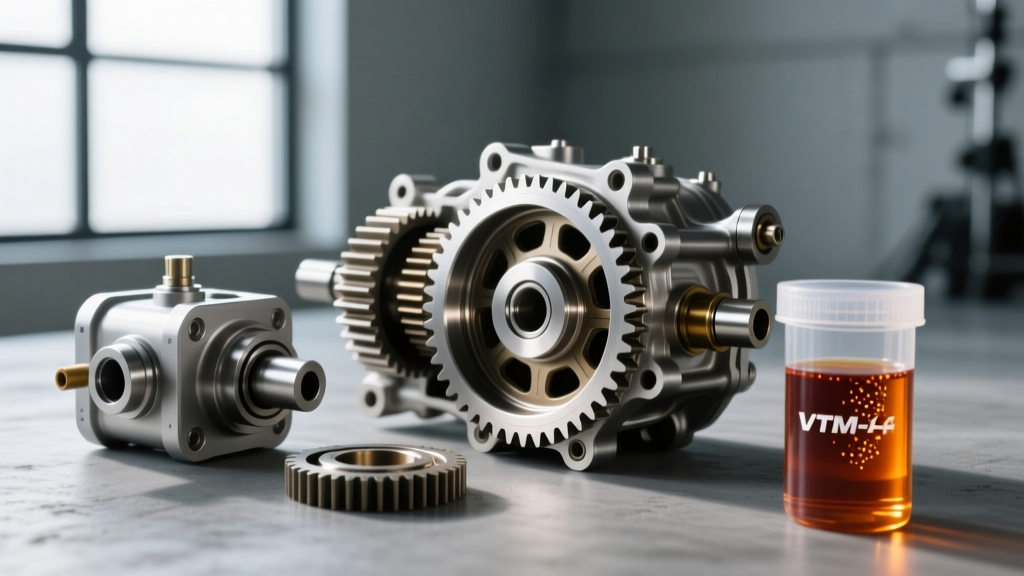
The rear differential is where precision is non-negotiable. The VTM-4 and newer i-VTM4 systems utilize internal wet-clutch packs to vector torque to the rear wheels. These clutches require a highly specific friction modifier profile that standard GL-5 gear oils do not possess. You must use Honda Genuine VTM-4 Differential Fluid (Part Number 08200-9003). As noted in extensive drivetrain tribology discussions on Bob Is The Oil Guy, standard GL-5 fluids contain high levels of sulfur and phosphorus extreme-pressure additives that can corrode the yellow metals in the VTM-4 unit and lack the necessary friction modifiers to prevent clutch shudder.
- Specification: Honda VTM-4 Exclusive (No aftermarket cross-reference recommended)
- Viscosity: Synthetic ~75W-85 equivalent
- Capacity: 2.6 to 3.0 US Quarts (2.4 to 2.8 Liters) depending on generation
- Drain/Fill Plug Torque: 33 lb-ft (44 Nm)
Generation-by-Generation Capacity & Spec Chart
Fluid capacities have shifted slightly as Honda transitioned from the first-generation VTM-4 to the more advanced i-VTM4 system. Always verify your specific VIN, but the following table serves as a reliable baseline for 2026 service planning.
| Generation | Model Years | Rear Diff Type | Rear Capacity | Front Capacity | Crush Washer P/N |
|---|---|---|---|---|---|
| Gen 1 | 2003–2008 | VTM-4 | 3.0 US qts | 0.9 US qts | 90471-PX4-000 (16mm) |
| Gen 2 | 2009–2015 | VTM-4 | 3.0 US qts | 0.8 US qts | 90471-PX4-000 (16mm) |
| Gen 3 | 2016–2022 | i-VTM4 | 2.6 US qts | 0.9 US qts | 90471-PX4-000 (16mm) |
| Gen 4 | 2023–2026 | i-VTM4 | 2.7 US qts | 1.0 US qts | 90471-PX4-000 (16mm) |
2026 Cost Breakdown: DIY vs. Dealership Service
Dealership service departments have significantly raised their hourly labor rates for 2026, making the honda pilot differential fluid service a prime candidate for DIYers or independent mechanics. Below is a realistic cost comparison for a complete front and rear differential fluid exchange.
DIY Cost Analysis
Sourcing OEM fluids directly from reputable online wholesalers like Honda Parts Now or Bernardi Parts yields substantial savings over the dealer parts counter.
- Honda VTM-4 Fluid (3 Quarts): $45.00 – $55.00 ($15-$18 per quart)
- OEM Hypoid Gear Oil (1 Quart): $12.00 – $16.00
- 16mm Aluminum Crush Washers (4 pack): $8.00 – $12.00
- Total DIY Parts Cost: $65.00 – $83.00
Note: The DIY route requires a 3/8-inch drive torque wrench, a 16mm socket, and a fluid transfer pump, which represent a one-time tool investment of roughly $40.
Professional Service Pricing (2026 Estimates)
- Honda Dealership: $180.00 – $260.00 (Includes 1.5 hours shop rate at $130-$160/hr plus OEM fluids and shop supplies).
- Independent Mechanic: $120.00 – $170.00 (Often utilizes aftermarket GL-5 for the front, but should be instructed to use OEM VTM-4 for the rear).
- Quick-Lube Chain: $80.00 – $120.00 (Warning: Highly discouraged. Quick-lube techs frequently pump standard 80W-90 into the rear VTM-4 unit, resulting in severe drivetrain damage.)
Step-by-Step DIY Service & Torque Protocol
If you opt for the DIY route to save on labor costs, adherence to proper mechanical protocol is essential to prevent stripped threads or fluid leaks. The forums at Pilot Forums are rife with cautionary tales of owners overtightening aluminum differential housings.
- Preparation: Drive the Pilot for 10-15 minutes to warm the gear oil. Warm fluid flows faster and suspends metallic particulates, ensuring a more complete drain.
- Access: Remove the plastic underbody skid plates using an 8mm and 10mm socket. You will see the 16mm fill and drain plugs on both the front and rear differentials.
- The Golden Rule of Drivetrain Service: ALWAYS remove the fill plug before removing the drain plug. If the fill plug is seized and you drain the fluid first, the vehicle is immobilized until the plug is extracted.
- Draining: Remove the 16mm drain plug. Allow the fluid to drain completely. Inspect the magnetic tip of the drain plug for excessive metallic shavings. A fine, glitter-like paste is normal wear; chunky metal shards indicate internal gear or bearing failure.
- Reinstallation: Replace the aluminum crush washer on the drain plug. Torque the drain plug to exactly 33 lb-ft (44 Nm).
- Filling: Pump the new fluid into the fill hole until it begins to weep out of the opening. For the rear VTM-4, this typically takes 2.6 to 3.0 quarts. Replace the crush washer on the fill plug and torque to 33 lb-ft (44 Nm).
Hidden Costs: The Price of Incorrect Fluid Specifications
Ignoring the specific gear oil requirements for the Honda Pilot will trigger a cascade of mechanical failures that dwarf the $65 DIY fluid cost. If standard GL-5 gear oil is introduced to the rear VTM-4 differential, the lack of proprietary friction modifiers will cause the wet clutches to slip and grab erratically. This manifests as a low-speed binding sensation, pronounced shuddering during tight parking lot turns, and eventual clutch pack burnout.
Once the clutch packs are scored or burned, a simple fluid flush will no longer resolve the issue. Rebuilding a VTM-4 rear differential or replacing it with a remanufactured unit from Honda will cost between $1,800 and $3,200 in parts and labor for 2026. Furthermore, using a fluid that lacks the proper GL-5 extreme-pressure additives in the front differential will lead to accelerated ring and pinion gear wear, resulting in a high-pitched whine at highway speeds and eventual catastrophic gear tooth shearing.
Final Verdict on 2026 Maintenance Costs
Maintaining the drivetrain of your Honda Pilot requires respecting the engineering boundaries set by Honda's powertrain division. By sourcing your own OEM VTM-4 fluid and high-quality API GL-5 gear oil for the front differential, you can comfortably complete the service for under $85. This not only saves you upwards of $150 compared to dealership labor rates but also guarantees that the correct chemical specifications are being applied to your vehicle's most critical torque-vectoring components.