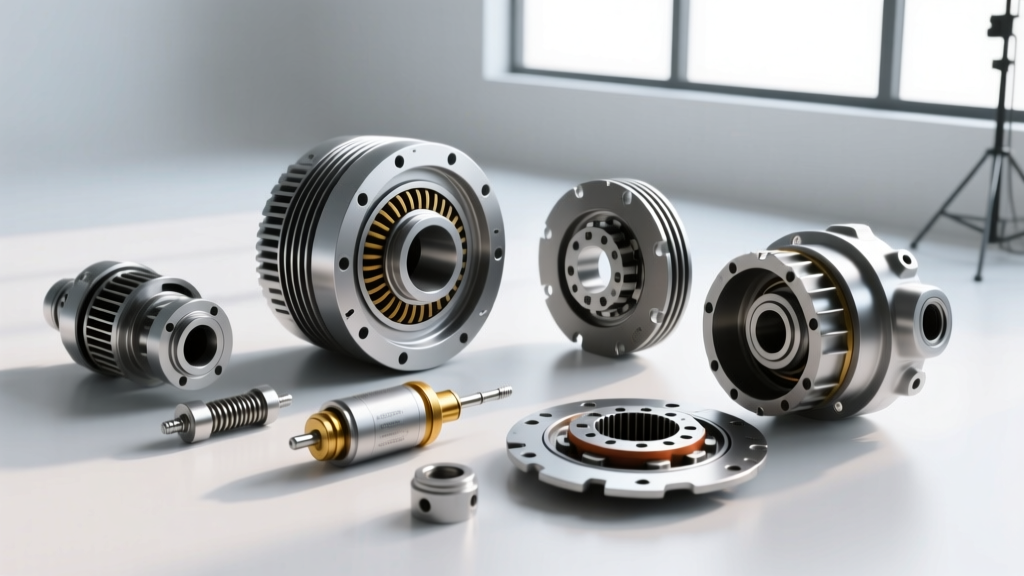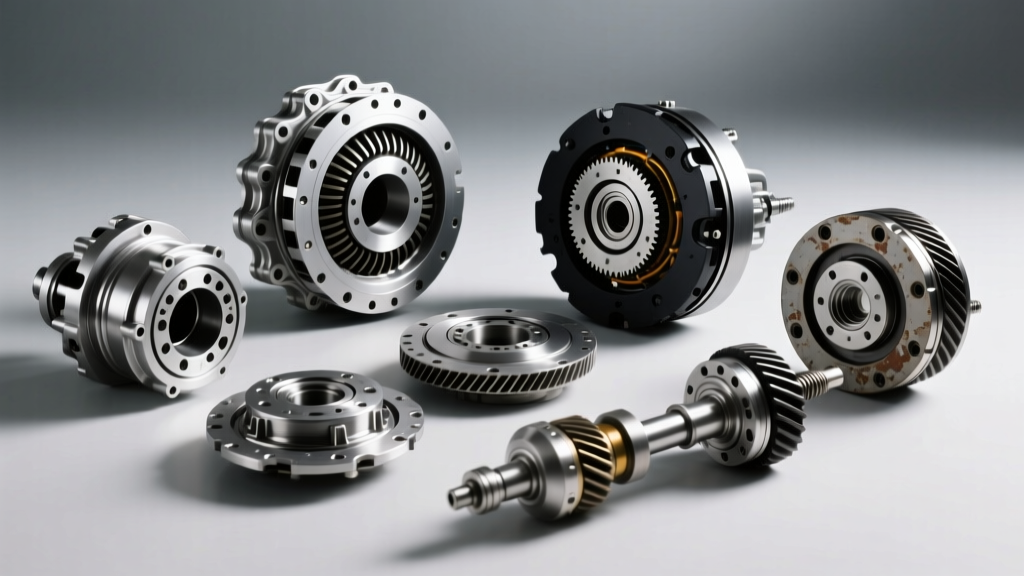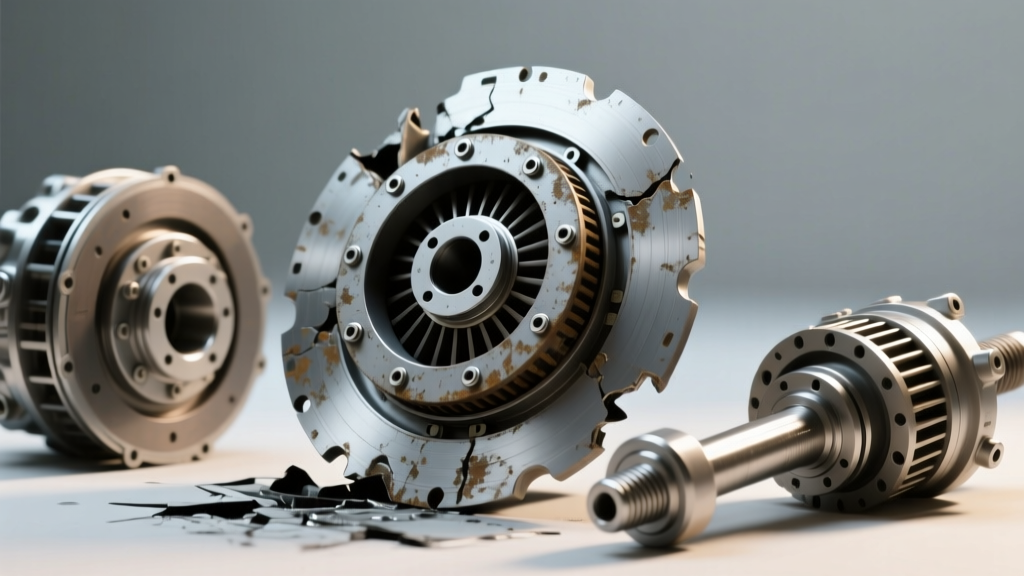
The Core Question: How Long Can You Drive With a Bad Torque Converter?
When enthusiasts, daily drivers, and transmission technicians ask, how long can you drive with a bad torque converter, the answer usually depends entirely on the failure mode. If you are experiencing minor torque converter clutch (TCC) shudder, a slipping stator, or degraded lockup friction material, you might safely limp the vehicle for 10,000 to 20,000 miles before secondary transmission damage occurs. However, if your torque converter is deemed 'bad' due to improper bolt pattern fitment, incorrect pilot hub engagement, or mismatched flexplate spacing, the answer is drastically different: you have fewer than 50 miles before catastrophic mechanical destruction.
As of 2026, with the proliferation of complex ZF 8HP and Ford 10R80 units operating under extreme torque loads, the margin for error in torque converter bolt pattern and fitment is effectively zero. This technical deep-dive explores the mechanical realities of torque converter mating, SAE bolt patterns, and the devastating consequences of improper installation.
When 'Bad' Means Improper Bolt Pattern and Fitment
A torque converter is not merely a fluid coupling; it is a heavy, rotating mass (often weighing between 30 and 55 lbs) that must be perfectly supported by both the transmission input shaft/pump bushing and the engine crankshaft flange. When a torque converter fails prematurely due to fitment issues, it is rarely the internal clutch packs that give out first. Instead, the external mating surfaces and the transmission pump bear the brunt of the mechanical abuse.
The Pilot Hub Engagement Rule
The pilot hub (the snout of the torque converter) must enter the engine crankshaft bore to center the rotating assembly and support its weight. The industry-standard minimum engagement depth is 0.750 inches to 1.000 inches. If a builder uses a torque converter with a short hub, or fails to seat it fully into the transmission pump before mating it to the engine, the flexplate bolts are forced to bear the entire shear load and static weight of the converter. This leads to bolt elongation, flexplate cracking, and eventual separation at highway speeds.
SAE Bolt Patterns and Flexplate Mating Specifications
Torque converter bolt patterns generally follow SAE standards, but variations in pad height, bolt thread pitch, and flexplate thickness vary wildly between manufacturers. Using the wrong flexplate or mixing metric and standard hardware will result in improper clamping force and cyclic harmonic vibrations.
| Transmission Model | Application | Bolt Pattern | Bolt Spec | Torque Spec | Min. Pilot Engagement |
|---|---|---|---|---|---|
| GM 4L60E / 4L65E | GM V8 (Gen III/IV) | 3-Pad / 6-Pad | M10 x 1.5 | 46 lb-ft (62 Nm) | 0.850' |
| GM 6L80 / 6L90 | GM V8 / V6 | 6-Pad | M10 x 1.5 | 46 lb-ft (62 Nm) | 0.900' |
| Ford 6R80 / 10R80 | Ford V8 / EcoBoost | 6-Pad | M10 x 1.0 | 35 lb-ft (47 Nm) | 0.750' |
| ZF 8HP70 / 8HP90 | Chrysler / BMW / Audi | 6-Pad (Damper) | M10 x 1.0 | 40 lb-ft (54 Nm) | 1.000' |
Note: Always use new, high-grade OEM or ARP torque-to-yield (TTY) bolts. Reusing stretched TC-to-flexplate bolts is a leading cause of catastrophic drivetrain separation.
Catastrophic Failure Modes from Improper Fitment
When diagnosing a failing unit, technicians must understand how fitment errors manifest as physical damage. According to Sonnax Technical Resources, improper installation is a leading cause of premature transmission pump failure.
1. Transmission Pump Gear Shearing
If the torque converter is not fully seated into the transmission pump gears (failing to engage the inner and outer pump lugs), the entire weight of the converter rests on the pump bushing. Upon initial engine startup, the misaligned converter will instantly shear the pump tangs, destroying the pump housing and resulting in immediate zero-pressure failure.
2. Crankshaft Thrust Bearing Destruction
There must be a precise air gap between the torque converter mounting pads and the flexplate when the converter is fully bottomed out in the transmission bellhousing. This gap should measure between 1/8' (0.125') and 3/16' (0.187'). If a builder installs a converter with excessive pad height, or uses a mismatched flexplate that eliminates this gap, tightening the bolts will pull the converter forward. This acts as a hydraulic ram, pushing the engine crankshaft forward and wiping out the crankshaft thrust bearing in under 100 miles.
3. Flexplate Deflection and Runout Cracking
Flexplate runout must be measured with a dial indicator before installing the torque converter. The maximum allowable runout for most modern automatic transmissions is 0.010 inches. If runout exceeds 0.015', the cyclic bending stress applied to the torque converter cover welds will cause micro-fractures, leading to sudden fluid leaks and converter balloon failures under boost or heavy load.
Diagnostic Measurements: The 3-Step Verification
To ensure you never face the dreaded 'how long can you drive with a bad torque converter' dilemma due to a rebuild error, follow this precise measurement protocol outlined by TCI Automotive Tech Articles:
- Measure Block-to-Flexplate Distance: Place a straight edge across the engine block mating surface and measure down to the flexplate mounting pad. Record this depth.
- Measure Converter Pad Height: Place the torque converter on a flat surface, fully seated into its own bellhousing or measured from the pilot hub tip to the mounting pad.
- Calculate the Gap: The difference between the block-to-flexplate depth and the converter pad height must yield a 0.125' to 0.187' gap. If the gap is zero or negative, the converter will preload the crankshaft. If the gap exceeds 0.250', the flexplate will act as a spring, causing severe vibration and bolt failure.
Expert Diagnostic Tip: When working on ZF 8HP applications equipped with a torsional damper flexplate, never use standard spacers to correct a gap issue. The ZF damper is calibrated for specific axial clearances; altering the stack height will disrupt the harmonic dampening, resulting in severe 30-40 MPH lockup shudder that mimics a bad TCC solenoid.
The 'Zero-Mile' Rule and Replacement Costs
If you discover that your torque converter symptoms (severe vibration, metallic grinding from the bellhousing, or sudden loss of gear engagement) are rooted in improper bolt pattern fitment or missing pilot hub engagement, the vehicle must not be driven. The answer to how long you can drive is zero miles. Towing the vehicle to a shop is mandatory.
The financial penalty for ignoring fitment specs is severe. While a standard torque converter replacement might cost between $800 and $1,400, a fitment-induced failure cascades through the drivetrain:
- Transmission Pump Assembly: $400 - $900 (plus 8-12 hours of R&R labor)
- Engine Flexplate Replacement: $150 - $350 (requires transmission removal)
- Crankshaft Thrust Bearing / Engine Machining: $2,500+ (requires engine extraction and teardown)
- Torque Converter Replacement: $500 - $1,200
For deeper insights into identifying installation errors before they destroy your drivetrain, refer to the diagnostic archives at Transmission Digest. Ultimately, precision in measurement, adherence to SAE torque specifications, and respect for pilot hub engagement depths are the only ways to ensure your torque converter operates as a seamless fluid coupling rather than a drivetrain-destroying wrecking ball.