The Engineering Behind Honda's AWD Rear Differentials
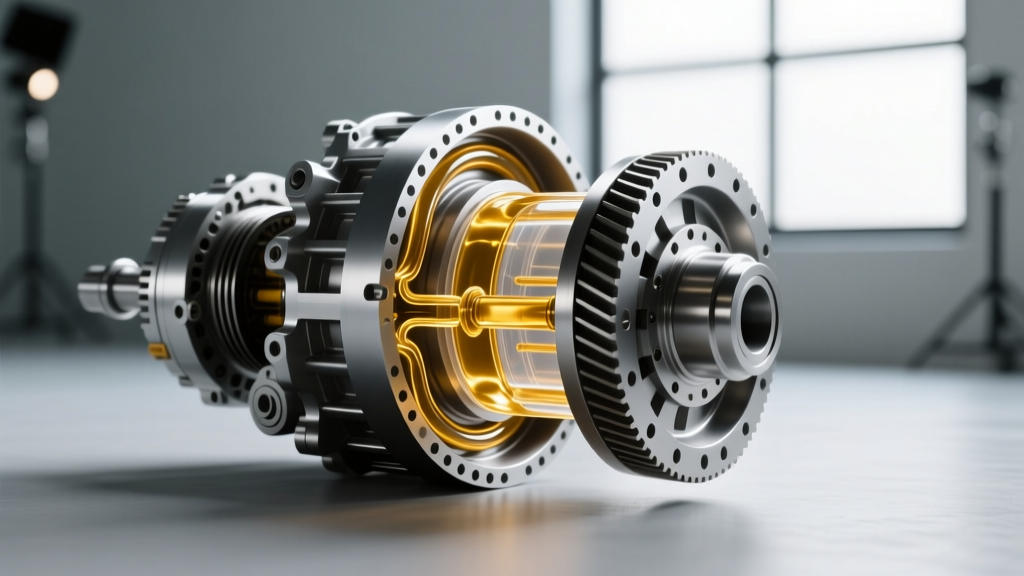
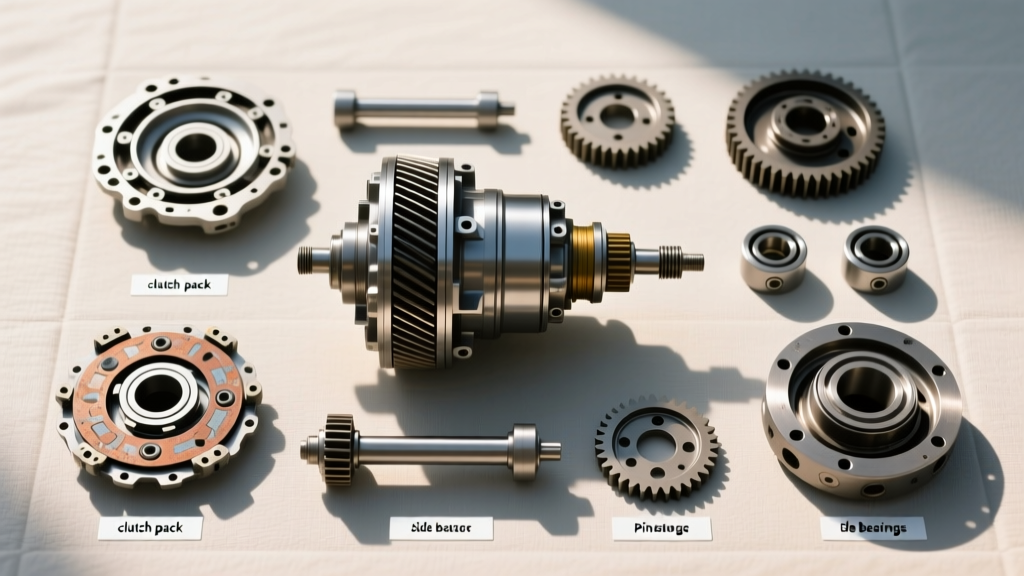
The Honda Pilot’s all-wheel-drive capability relies heavily on the rear differential, a complex assembly that does far more than split torque. Whether your SUV is equipped with the older VTM-4 (Variable Torque Management) or the newer i-VTM4 system, the rear differential utilizes wet-clutch packs to dynamically route power to the left and right rear wheels. Unlike a traditional open differential that relies on standard hypoid gear oil (like 75W-90 GL-5), these clutch-based systems require highly specialized friction-modified fluids. Understanding the condition and color of your Honda Pilot rear differential fluid is the single most critical preventive maintenance step you can take to avoid catastrophic clutch-pack failure and the infamous AWD shudder.
Decoding Honda Pilot Rear Differential Fluid: Color and Condition
Because the rear differential operates as a wet-clutch environment, the fluid is subjected to intense shear forces and thermal cycling. The friction modifiers that allow the clutch packs to engage smoothly without chattering degrade over time. By inspecting the fluid's color, viscosity, and odor, you can accurately diagnose the internal health of the differential before mechanical damage occurs.
| Fluid Color | Odor / Texture | Diagnostic Meaning | Required Action |
|---|---|---|---|
| Clear / Light Amber | Slightly sweet, chemical | New or recently serviced fluid. Friction modifiers are fully intact. | No action required. Monitor mileage. |
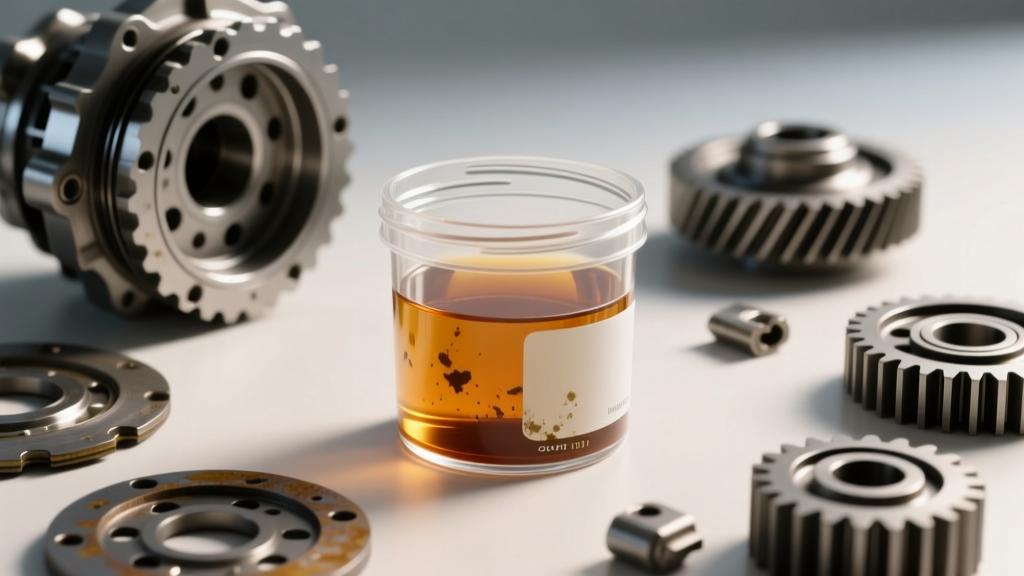
| Dark Brown / Opaque | Normal to slightly acrid | Normal oxidation and clutch wear. Fluid is nearing the end of its service life. | Schedule service within 5,000 miles. |
| Jet Black / Sludgy | Burnt, bitter smell | Severe thermal breakdown. Friction modifiers are depleted; clutch glazing is likely occurring. | Immediate drain and fill. Perform Figure-8 test. |
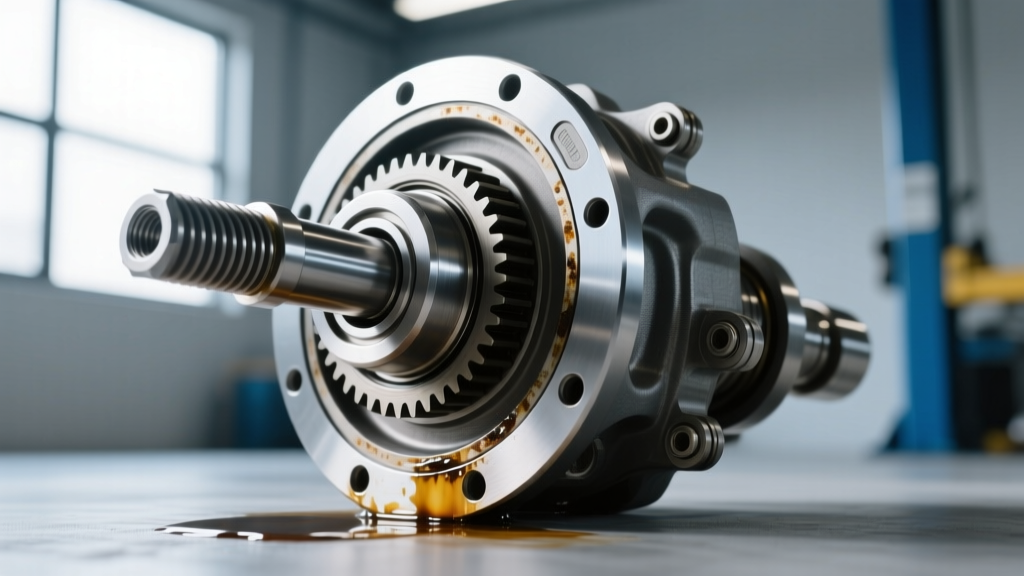
| Milky / Cloudy | Emulsified, thick | Water intrusion due to a failed axle seal, vent tube blockage, or fill plug O-ring. | Immediate service. Inspect seals and vent hose. |
| Gray with Glitter | Metallic sheen on rag | Normal break-in wear of clutch plates and thrust washers. | Normal. Proceed with standard drain and fill. |
| Dark with Chunks | Visible metal shards | Catastrophic bearing or gear failure. Magnetic plug will be heavily loaded. | Stop driving. Differential teardown required. |
VTM-4 vs. i-VTM4: Fluid Specifications and Capacities
A common mistake among DIY mechanics and general lube shops is cross-contaminating Honda’s specific AWD fluids. Using the wrong fluid will result in immediate clutch chatter and irreversible wear. When inspecting your fluid, you must know which generation of the Pilot you are servicing.
First & Second Generation (2003–2015): VTM-4 System
- Required Fluid: Honda VTM-4 Differential Fluid
- OEM Part Number: 08200-9003
- Capacity: 2.6 US Quarts (2.5 Liters)
- Chemistry: High-viscosity base oil with proprietary friction modifiers designed for electromagnetic clutch engagement.
Third & Fourth Generation (2016–Present): i-VTM4 System
- Required Fluid: Honda All-Wheel Drive Fluid (DPSF)
- OEM Part Number: 08200-9016
- Capacity: 2.1 US Quarts (2.0 Liters)
- Chemistry: Lower viscosity for faster hydraulic actuation and improved cold-weather response, featuring advanced anti-wear additives for the twin-clutch pack.
For exact service intervals and technical service bulletins (TSBs) regarding fluid updates, always consult the official Honda Tech Info portal or your owner's manual via Honda Owners Online.
The Infamous 'Figure-8 Groan' and Fluid Breakdown
If your Honda Pilot rear differential fluid has turned jet black and smells burnt, the friction modifiers have likely sheared out of suspension. When this happens, the clutch packs cannot modulate slip smoothly. Instead of engaging progressively, they grab and release rapidly, causing a low-frequency vibration and groaning noise from the rear of the vehicle.
Performing the Figure-8 Diagnostic Test
Before draining the fluid, you can confirm clutch chatter caused by fluid degradation with a simple parking lot test:
- Find a dry, empty, and level parking lot.
- Roll all windows down and turn off the radio and HVAC blower.
- Drive the Pilot in a tight, continuous figure-8 pattern at idle speed (approx. 3–5 mph).
- Listen and feel for a rhythmic 'groan' or binding sensation from the rear axle during the tightest parts of the turns.
If the groan is present, the fluid is compromised. In many cases, performing two consecutive drain-and-fills with genuine OEM fluid (driving for 50 miles between services) will flush out the degraded friction material and restore silent operation. If the groan persists after the second fluid change, the clutch packs may have suffered permanent thermal glazing, requiring a rear differential rebuild or replacement.
Preventive Maintenance: Inspection and Service Protocol
To properly inspect the fluid condition without doing a full service, or to execute a preventive drain and fill, you must adhere to Honda’s precise torque specifications. The rear differential casing is aluminum and the plugs are steel; over-torquing will strip the threads, leading to costly casing replacements.
Tools and Materials Required
- 3/8-inch square drive ratchet (for the fill plug)
- 20mm hex socket or 3/8-inch square drive (for the drain plug, depending on model year)
- Torque wrench (inch-pounds or foot-pounds)
- Two new 20mm aluminum crush washers (OEM Part: 90471-PX4-000)
- Fluid transfer pump
Torque Specifications
Both the drain and fill plugs on the VTM-4 and i-VTM4 rear differentials share the same torque specification:
Target Torque: 29 lb-ft (39 N·m / 350 in-lbs)
Crush Washer Note: Never reuse the aluminum crush washers. They are designed to deform and create a watertight seal. Reusing them is the primary cause of water intrusion (milky fluid) during deep water crossings or heavy rain.
Sourcing OEM Fluids in 2026: Avoiding the Counterfeit Trap
As global supply chains have shifted, the automotive aftermarket has seen a surge in counterfeit fluids packaged to look like genuine Honda OEM products. Counterfeit VTM-4 or DPSF fluids often lack the complex ester base stocks and proprietary friction modifiers required for the wet-clutch environment. Using these fake fluids will lead to rapid clutch degradation.
To ensure you are getting authentic Honda Pilot rear differential fluid, purchase exclusively from authorized Honda dealerships or verified online OEM parts distributors like Honda Parts Now. Expect to pay between $12 and $16 per quart for genuine fluid in 2026. If you find 'OEM' fluid on third-party marketplace sites for significantly less, it is almost certainly counterfeit. Preventive maintenance is only effective when the chemistry inside the differential matches the engineering of the clutch packs.