The Evolution of Axle Lubrication: Splash vs. Differential Pressure Flow
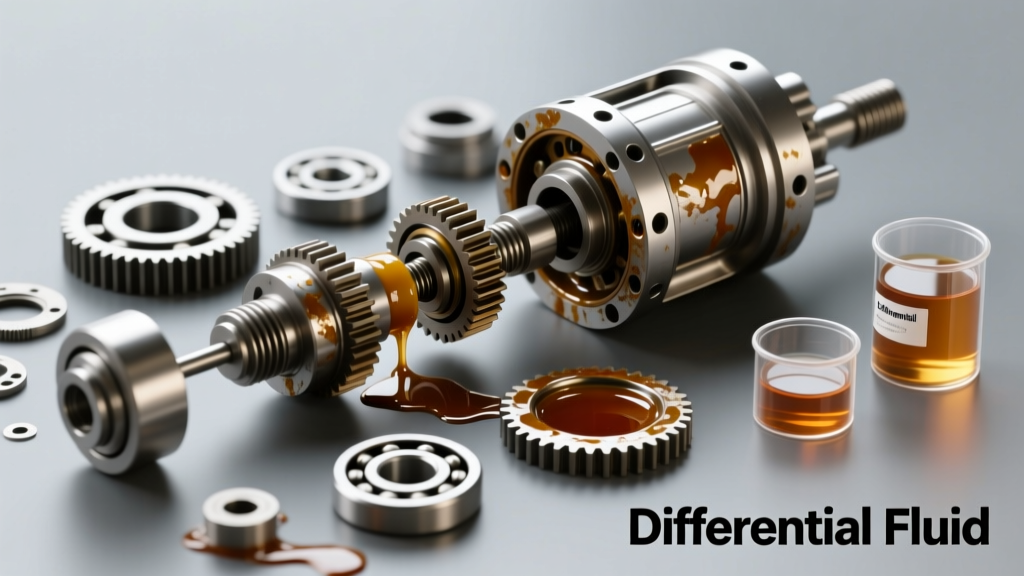
For decades, differential maintenance was a straightforward, albeit messy, affair. Traditional open and limited-slip differentials (LSD) rely entirely on splash lubrication. The ring gear dips into a sump of 75W-90 or 80W-90 gear oil, flinging it across the pinion, bearings, and side gears. However, the modern automotive landscape has shifted dramatically toward active torque-vectoring and on-demand all-wheel-drive (AWD) systems. In these advanced architectures, maintaining proper differential pressure flow is critical for engaging multi-plate clutch packs and routing torque to the wheels with the most grip.
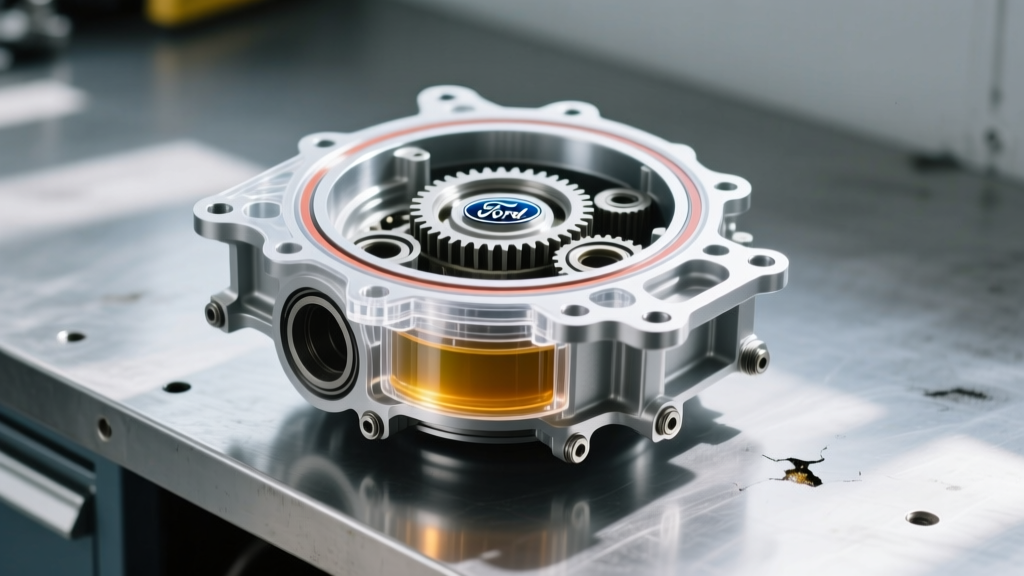
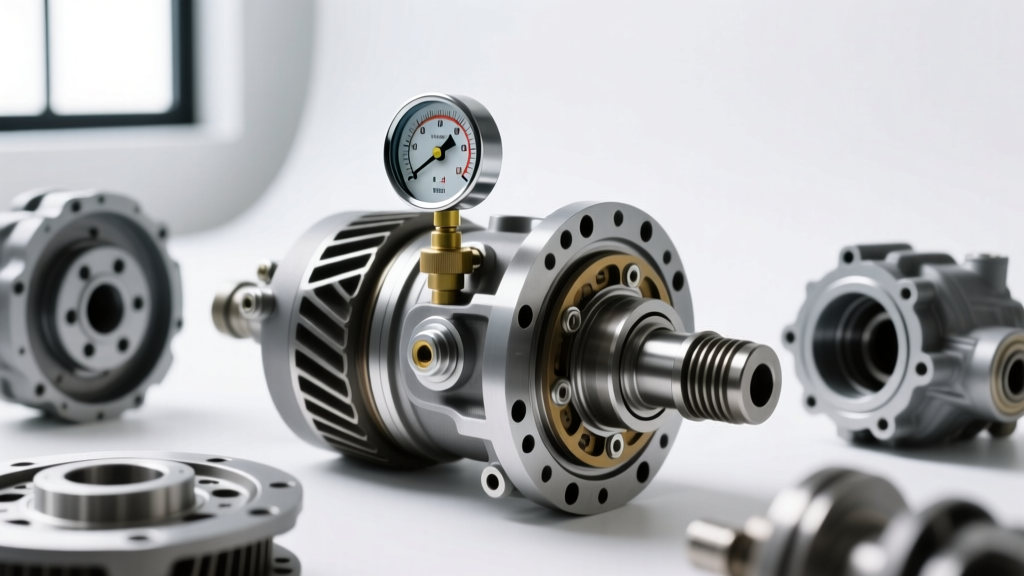
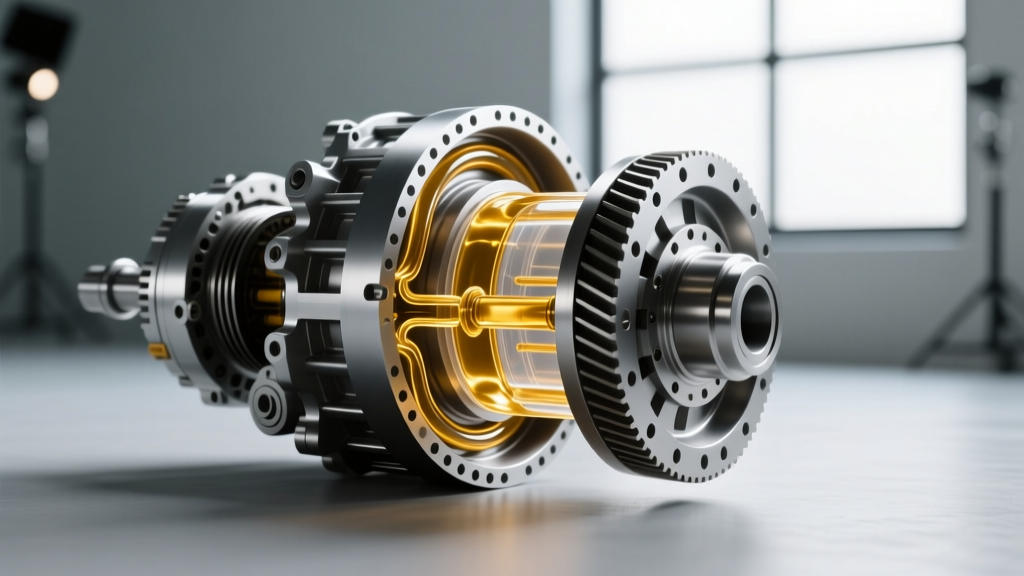
Systems like the Haldex Gen 5 coupling, BMW's xDrive transfer cases, and Ford's Twin-Clutch Rear Drive Unit utilize internal gerotor or electric hydraulic pumps. These pumps generate precise differential pressure flow to actuate clutches in milliseconds. Because these systems rely on hydraulic pressure rather than simple splash lubrication, the fluid chemistry, service intervals, and overall maintenance costs are vastly different. As we navigate the 2026 service landscape, understanding the financial and mechanical distinctions between standard axle service and active pressure-flow systems is essential for preventive maintenance.
2026 Differential Fluid Cost and Service Pricing Matrix
The cost to service a differential in 2026 varies wildly depending on whether you are dealing with a conventional solid axle or an active, pressure-driven coupling. Below is a comprehensive pricing matrix based on current national average labor rates (approximately $135 to $165 per hour) and OEM fluid pricing.
| System Type | Fluid Specification | Capacity | Fluid Cost (Parts) | Labor Cost | Total Estimated Cost |
|---|---|---|---|---|---|
| Standard Open / LSD Axle | 75W-90 / 80W-90 API GL-5 | 2.0 - 3.5 Quarts | $25 - $55 | $75 - $110 | $100 - $165 |
| Haldex AWD Coupling (Gen 4/5) | OEM Haldex / VW G 055 175 A2 | 0.6 - 0.8 Liters | $40 - $65 | $120 - $180 | $160 - $245 |
| Active Torque-Vectoring (e-Diff) | BMW DTF 1 / Ford XL-19 | 1.5 - 2.5 Liters | $60 - $110 | $180 - $280 | $240 - $390 |
Note: Active systems often require specialized flush procedures or electronic cycling via OBD-II scan tools to ensure the differential pressure flow pathways are completely purged of old fluid and clutch particulates, which drives up labor time.
OEM Fluid Specifications and Part Numbers
Using the incorrect fluid in a pressure-dependent system will lead to immediate clutch shudder, pump cavitation, and catastrophic failure. The friction modifiers required for hydraulic actuation are entirely different from the extreme pressure (EP) additives found in standard gear oils.
Standard Open and Limited-Slip Differentials
For conventional axles (e.g., Ford 8.8, GM 9.5, Dana 44), high-quality synthetic gear oils remain the gold standard. According to Mobil 1 Synthetic Gear Lube specifications, modern 75W-90 formulations offer superior shear stability and low-temperature flow characteristics compared to conventional petroleum-based oils.
- Mobil 1 Synthetic Gear Lube 75W-90: Part # 104361. Average cost: $11.50 per quart.
- Red Line 75W-90 Synthetic: Part # 50104. Average cost: $18.99 per quart. Highly recommended for heavy-duty towing and off-road applications due to its robust polyol ester base stock.
- Friction Modifier (LSD Only): If your axle uses a clutch-type LSD (like Ford's 8.8 Trac-Lok), you must add 4 oz of OEM friction modifier (e.g., Motorcraft XL-3, Part # EOAZ-19546-A) to prevent chatter during low-speed cornering.
Active Torque-Vectoring and Haldex Systems
Systems that rely on differential pressure flow require highly specialized, low-viscosity hydraulic fluids that can withstand intense shearing forces while maintaining exact friction coefficients for the clutch packs.
- BMW xDrive (DTF 1): Part # 83222446673. This fluid is engineered specifically for the transfer case and rear active differentials in modern BMWs. Cost: ~$45 per liter.
- VW/Audi Haldex Fluid: Part # G 055 175 A2. Essential for maintaining the micro-screens and hydraulic pumps in Gen 4 and Gen 5 couplings. Cost: ~$55 per liter.
- GM Twin-Clutch AWD Fluid: Part # 88865498 (Dexron ULV). Used in the rear drive power take-off (PTO) and rear differential clutch assemblies. Cost: ~$38 per liter.
Preventive Maintenance Intervals: Why Flow Dynamics Matter
Many OEMs label their standard differential fluids as 'lifetime' or 'filled for life.' Independent tribologists and drivetrain experts universally reject this notion, especially for vehicles subjected to towing, track use, or severe weather. For a comprehensive look at industry maintenance standards, Red Line Oil's technical guidelines recommend draining and refilling standard differentials every 30,000 to 50,000 miles under severe duty cycles.
However, when differential pressure flow is introduced into the equation, maintenance intervals must be drastically shortened. Here is why:
- Clutch Particulate Contamination: Every time the AWD system engages, the multi-plate clutches experience micro-slip. This sheds microscopic metallic and friction material debris into the fluid, which can clog the hydraulic pump strainer and restrict flow.
- Shear Degradation: The hydraulic pumps in Haldex and xDrive systems operate at immense pressures (often exceeding 1,500 PSI). This mechanical shearing permanently breaks down the viscosity index improvers in the fluid, leading to a drop in hydraulic pressure and delayed AWD engagement.
Recommended 2026 Service Intervals:
- Standard Axles (Street/Towing): Every 40,000 - 60,000 miles.
- Haldex / Active AWD Couplings: Every 20,000 - 30,000 miles (or every 3 years).
- Active Torque-Vectoring e-Diffs: Every 30,000 miles. Filter/strainer replacement is mandatory at 60,000 miles.
Crucial Torque Specs and Service Procedures
Preventive maintenance is only effective if the service is performed to exact engineering tolerances. Stripping a fill plug or failing to seat an O-ring properly can lead to catastrophic fluid loss. Always verify specifications against your specific vehicle's OEM service manual, but the following benchmarks are standard for common platforms:
Pro-Tip: Always open the fill plug before the drain plug. If the fill plug is seized or stripped, you do not want to be left with a drained differential and no way to refill it.
Standard Axle Torque Specifications
- Ford 8.8 / 9.75 Inch Axles: Drain and Fill plugs typically require 33 to 35 Nm (24 to 26 lb-ft). Use a 3/8-inch drive torque wrench. The fill plug often features a magnetic tip to capture gear wear particulates—clean it thoroughly with a brake cleaner and a lint-free shop towel before reinstalling.
- GM 9.5 / 10.5 Inch Semi-Floating Axles: Cover bolts (if no drain plug is present) should be torqued to 27 Nm (20 lb-ft) in a crisscross pattern to prevent warping the stamped steel cover and causing leaks.
Active Differential Pressure Flow Systems
Servicing a Haldex or active torque-vectoring unit is not a simple drain-and-fill. Because the hydraulic circuits and clutch packs hold a significant volume of fluid, a static drain only removes about 40% of the total capacity.
- Haldex Gen 5 Procedure: Gen 5 units lack a traditional service filter, relying instead on a deep sump strainer. The fluid must be extracted via the fill port using a pneumatic vacuum pump. After refilling with exactly 0.65 to 0.80 liters of OEM fluid, the vehicle must be raised on a lift, and the AWD system electronically cycled via a bi-directional OBD-II scanner (like VCDS or Autel MaxiSys) to purge air from the differential pressure flow lines.
- BMW xDrive Transfer Case: The VTG (Variable Torque Gear) transfer case requires a precise fluid level check. The fluid must be heated to exactly 30°C - 40°C (86°F - 104°F) before checking the fill level, as thermal expansion heavily dictates the correct volume.
Diagnosing Restricted Differential Pressure Flow
If preventive maintenance is neglected, the hydraulic pathways governing differential pressure flow will inevitably become restricted. Recognizing the early warning signs can save you from a $2,500+ rear drive unit replacement.
Symptoms of Flow Restriction and Fluid Degradation
- Low-Speed Shudder: A binding sensation or shudder during tight parking lot turns is the hallmark of degraded friction modifiers or contaminated fluid in the clutch pack.
- Delayed AWD Engagement: If the front wheels spin excessively on wet pavement before the rear axle engages, the hydraulic pump strainer is likely clogged with clutch debris, preventing the rapid build-up of differential pressure flow.
- Whining or Cavitation Noise: A high-pitched whine originating from the rear coupling indicates that the hydraulic pump is cavitating—starving for fluid due to a blocked filter or severely degraded fluid viscosity.
- AWD / Drivetrain Malfunction Codes: Modern vehicles monitor hydraulic pressure via internal transducers. If the target differential pressure flow does not match the actual pressure achieved, the ECU will trigger a drivetrain malfunction code (e.g., BMW's 54C6 'Transfer box: internal fault' or VAG's C1113 'Clutch Pump Mechanical Malfunction').
Final Thoughts on 2026 Drivetrain Economics
The transition from simple mechanical axles to computer-controlled, hydraulically actuated differentials has fundamentally changed the preventive maintenance landscape. While a standard differential fluid change remains one of the most cost-effective DIY services a vehicle owner can perform (often under $60 in parts), active systems demand strict adherence to OEM fluid specifications and specialized service procedures. Investing $250 in a timely Haldex or active differential flush is a fraction of the cost of replacing a seized torque-vectoring unit. By understanding the critical role that differential pressure flow plays in modern traction systems, you can accurately budget for maintenance and ensure your drivetrain operates flawlessly for hundreds of thousands of miles.