The Dual Nature of Heavy-Duty Hydraulic Clutches
When heavy-duty diesel technicians and fleet maintenance managers hear the term 'hydraulic clutch,' their minds immediately jump to drivetrain components like automated manual transmission (AMT) actuators or torque converter lockup mechanisms. However, in the modern commercial vehicle ecosystem, hydraulic clutch systems also encompass critical engine cooling components. The Horton fan clutch—specifically their electro-hydraulic and hydraulic toggle fan systems—represents a vital intersection of thermal management and hydraulic actuation. Diagnosing these systems requires a bifurcated approach: understanding the high-pressure hydraulic circuits of the drivetrain alongside the specialized electro-hydraulic and viscous fluid dynamics of the engine cooling fan drives.
As we move through 2026, the integration of predictive telematics and pulse-width modulation (PWM) solenoids has made hydraulic clutch system diagnosis more data-driven than ever. This preventive maintenance guide bridges the gap between drivetrain hydraulic clutches (such as the Eaton UltraShift PLUS Hydraulic Clutch Actuator and Allison 4000 Series lockup clutches) and heavy-duty cooling clutches, providing exact torque specs, pressure parameters, and diagnostic workflows to eliminate parasitic losses and prevent catastrophic thermal events.
Deep Dive: Horton Fan Clutch Diagnostics
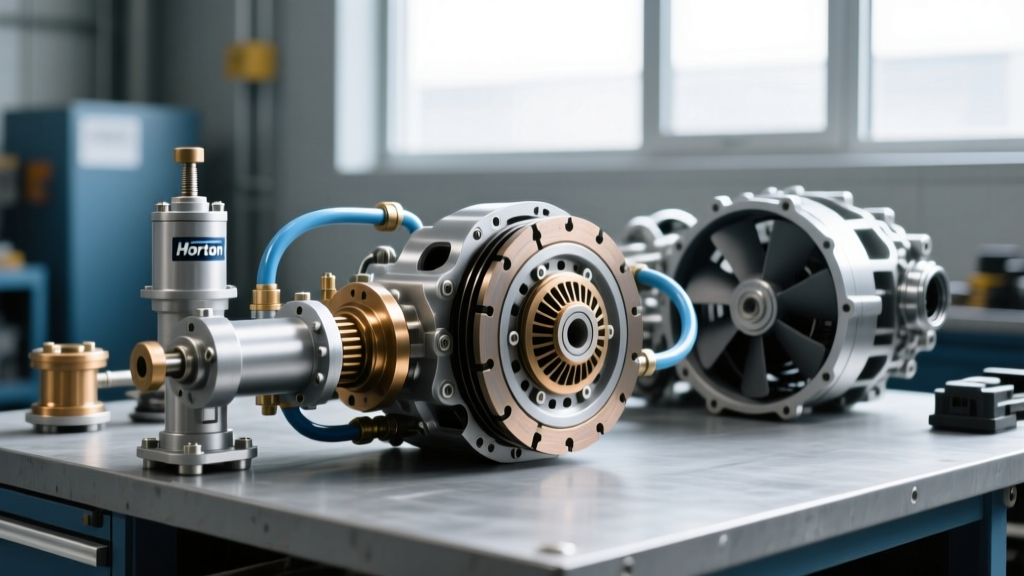
Horton manufactures several types of fan clutches for severe-duty applications, including viscous, air-actuated, and electro-hydraulic models. The electro-hydraulic and fully hydraulic fan drives (like the Horton HTFS series) rely on hydraulic fluid to transfer torque from the engine crankshaft to the fan blade assembly. Unlike a simple friction disc, these systems use hydraulic shear or hydraulic motor displacement to modulate fan speed based on ECM thermal demands.
Identifying Electro-Hydraulic vs. Viscous Failures
A failing Horton fan clutch rarely fails without warning. The symptoms manifest as either thermal inefficiency or parasitic horsepower drain. When diagnosing a suspected Horton fan clutch failure, look for the following specific symptoms:
- Continuous Fan Roar (Parasitic Loss): The hydraulic control valve or PWM solenoid is stuck in the 'engaged' position, forcing the fan to run at a 1:1 engine speed ratio. This can rob the engine of 40 to 80 horsepower and degrade fuel economy by up to 6%.
- Engine Overheating at Idle (Slipping): The hydraulic fluid has degraded, or the solenoid is failing to open, preventing hydraulic pressure from engaging the fan drive. Active fault codes like SPN 708 FMI 3 (Fan Clutch Solenoid Voltage High) may be present.
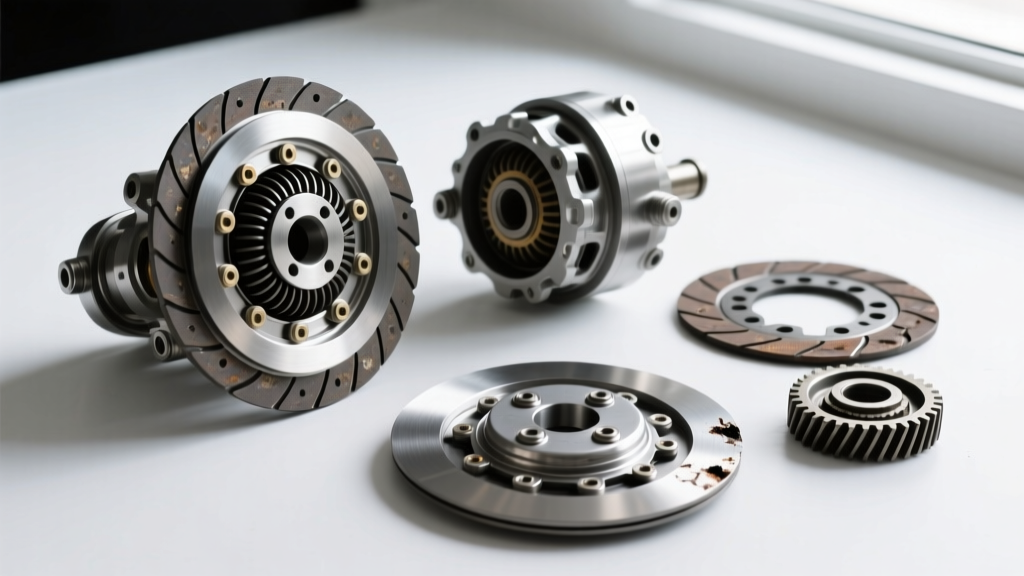
- Bi-Metallic Spring Fatigue (Viscous Models): On Horton viscous drives, the bi-metallic actuation spring loses its thermal calibration over time, causing delayed engagement. Testing requires a controlled heat gun and an infrared tachometer to measure slip ratio.
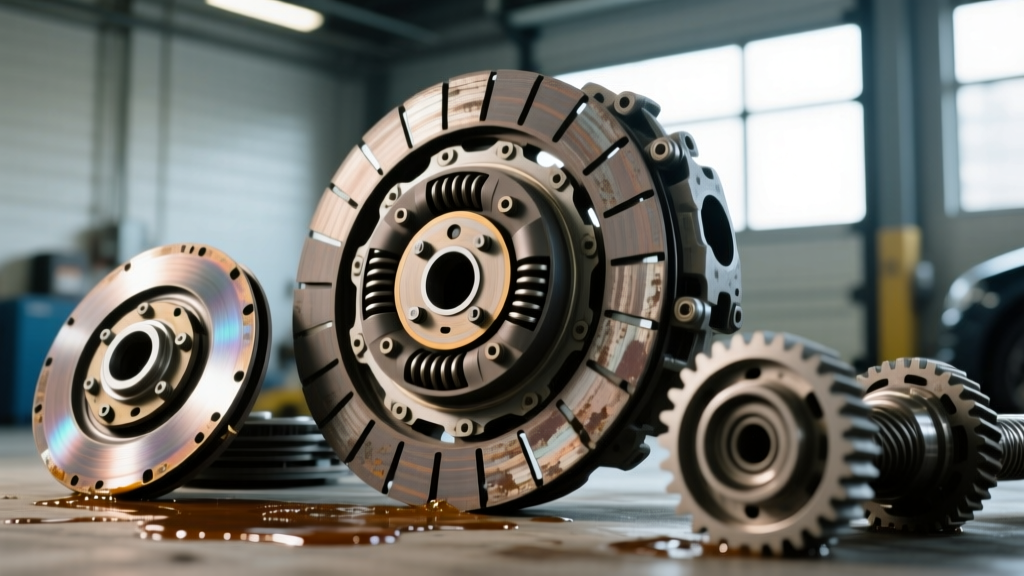
- Hydraulic Fluid Weeping: Visible silicone or hydraulic oil around the fan drive hub indicates blown internal O-rings or a scored shaft bearing, requiring immediate hub replacement.
For electro-hydraulic Horton units, the first diagnostic step is measuring the solenoid resistance. A healthy PWM solenoid should read between 10.5 and 14.5 ohms at 68°F (20°C). If the reading is infinite, the coil is open, and the solenoid cartridge must be replaced—a job that typically costs between $180 and $350 for the part alone.
Drivetrain Hydraulic Clutch Actuator (HCA) Diagnosis
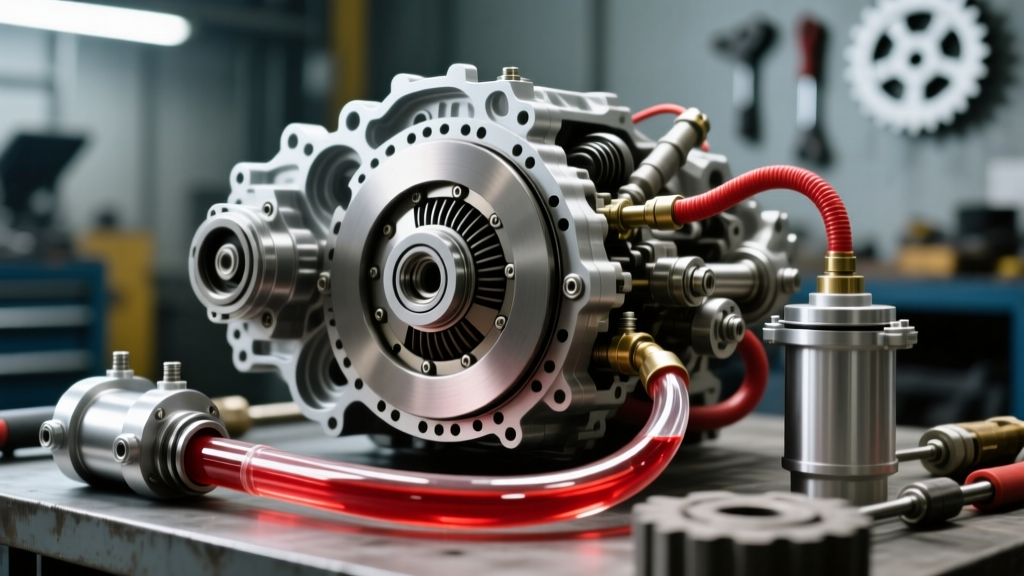
Shifting focus from the front of the engine to the flywheel housing, hydraulic clutch system diagnosis in the drivetrain heavily involves Automated Manual Transmissions (AMTs). The Eaton UltraShift PLUS and newer Endurant series utilize a Hydraulic Clutch Actuator (HCA) to automate the physical depression of the clutch fork. This system uses a dedicated electric motor-driven hydraulic pump, an accumulator, and a control valve block to modulate clutch engagement.
Eaton UltraShift & Automated Manual Hydraulics
The HCA operates at significantly higher pressures than engine cooling clutches. The hydraulic accumulator is typically pre-charged with nitrogen to roughly 360–400 psi, while the system operating pressure during clutch actuation peaks between 1,100 and 1,300 psi. A common symptom of HCA failure is 'clutch shudder' or delayed engagement during low-speed maneuvering, often accompanied by the transmission defaulting to limp mode.
Diagnosing the HCA requires a dual approach: checking the hydraulic integrity and verifying the electronic stroke sensors. If the hydraulic pump runs continuously but fails to build pressure, the internal gear pump is worn, or the accumulator bladder has ruptured. Conversely, if pressure builds but the clutch slips, the hydraulic release bearing or the clutch fork pivot ball is worn, altering the hydraulic stroke geometry.
2026 Preventive Maintenance Matrix
Preventive maintenance for hydraulic clutches is frequently overlooked until a truck is towed into the bay. Implementing a strict PM schedule based on engine hours and mileage is critical. Below is the recommended 2026 maintenance matrix for heavy-duty hydraulic clutch systems.
| System Component | Maintenance Interval | Fluid / Specification | Estimated Cost (Parts) |
|---|---|---|---|
| Horton Electro-Hydraulic Fan Drive | 300,000 Miles / 5 Years | OEM Spec Synthetic Hub Fluid | $120 - $250 |
| Eaton HCA Accumulator Pre-Charge | 250,000 Miles | Dry Nitrogen (360-400 psi) | $85 - $150 |
| Allison 4000 Series Lockup Clutch | 150,000 Miles / 24 Months | Allison Approved TES 668 | $300 - $450 (Filter/Fluid) |
| Horton Viscous Fan Clutch Spring | Visual Inspection every PM | N/A (Replace if deformed) | $45 - $90 |
Step-by-Step Hydraulic Pressure Testing Workflow
When a driver reports hydraulic clutch slipping or erratic fan engagement, guessing is not an option. Follow this standardized workflow to isolate the fault.
- Verify Telematics Data: Before turning a wrench, pull the ECM data logs. Look for discrepancies between commanded PWM duty cycle and actual fan RPM (for Horton clutches) or commanded clutch stroke vs. actual input shaft speed (for AMTs).
- Install Mechanical Gauges: For drivetrain HCAs, tee a 0-2000 psi hydraulic gauge into the accumulator test port. For Allison transmissions, install a 0-500 psi gauge at the main line pressure tap on the valve body.
- Perform a Stall Test (Drivetrain): With the vehicle secured and brakes applied, command a stall. Main line pressure should spike to 225–250 psi. If it drops below 180 psi, the hydraulic clutch piston seals inside the transmission are leaking, or the pressure regulator valve is stuck.
- Oscilloscope Solenoid Waveform: Back-probe the Horton fan clutch PWM solenoid or the AMT clutch control solenoid. A healthy waveform will show a clean square wave with sharp inductive spikes. A rounded or erratic waveform indicates wiring harness resistance or a failing ECM driver.
- Thermal Imaging: Use a FLIR thermal camera on the HCA motor or the Horton fan drive hub. Excessive heat (over 180°F) on the hydraulic motor housing indicates internal bypassing and fluid shear degradation.
Torque Specifications and Reassembly Protocols
When replacing a Horton fan clutch hub or rebuilding an Eaton HCA, precise torque application is non-negotiable. Improper torque on the fan hub retaining nut can lead to catastrophic fan blade detachment at 2,200 RPM, destroying the radiator and shroud.
- Horton Fan Hub to Water Pump/Crank Pulley: Typically 65–85 lb-ft, depending on the bolt grade and specific mounting bracket. Always use blue Loctite 243.
- Eaton HCA Mounting Bolts to Bell Housing: 35–45 lb-ft. Ensure the alignment dowels are fully seated before torquing to prevent binding the hydraulic release bearing.
- Allison Transmission Pan Bolts: 18–22 lb-ft. Over-torquing will warp the aluminum filter housing and cause internal suction leaks, leading to clutch slip.
Pro-Tip from the Bench: When servicing a hydraulic accumulator on an AMT, never attempt to disassemble the unit if the nitrogen pre-charge has not been safely bled. The stored 1,200 psi of hydraulic energy can cause severe injury. Always use the OEM bleed valve procedure before unbolting the HCA from the transmission casing.
Conclusion: Proactive Diagnostics Save Downtime
Whether you are troubleshooting a Horton fan clutch that is robbing your engine of horsepower or diagnosing a slipping Eaton UltraShift hydraulic actuator, the principles of hydraulic clutch system diagnosis remain the same: verify the electronic command, test the hydraulic pressure, and inspect the mechanical friction surfaces. By integrating these diagnostic steps and adhering to the 2026 preventive maintenance matrix, fleet technicians can drastically reduce unplanned downtime, extend the lifecycle of expensive drivetrain components, and keep heavy-duty trucks operating at peak thermal and mechanical efficiency. For further reading on transmission hydraulic circuits, refer to the Allison Transmission Service Documentation portal for the latest valve body pressure charts and solenoid resistance matrices.