The Great Confusion: Drivetrain Clutches vs. Accessory Clutches
When vehicle owners experience strange noises, RPM flares, or engagement issues, a common internet search leads them to wonder how to remove a ac clutch to fix the problem. However, as we navigate the automotive landscape in 2026, it is critical to separate the front-end accessory drive (FEAD) components from the actual drivetrain. The air conditioning compressor clutch is an electromagnetic device responsible for engaging the AC pulley to the compressor shaft. In contrast, the transmission clutch—whether a manual friction disc assembly or an automatic multi-plate clutch pack—is responsible for transferring hundreds of pound-feet of torque from the engine to the wheels.
While knowing how to remove a AC clutch is a valuable preventive maintenance skill for resolving engine-bay squeals or compressor lock-ups (typically requiring a 3-jaw puller, snap-ring pliers, and verifying a 0.020-inch to 0.030-inch air gap), it will not fix a slipping drivetrain. True clutch slipping symptoms and diagnosis require a deep understanding of hydraulic line pressure, friction material wear, and mechatronic solenoid performance. This preventive maintenance guide focuses strictly on diagnosing and preventing transmission clutch slip across both manual and automatic platforms.
Manual Transmission Clutch Slipping: Symptoms and Preventive Diagnostics
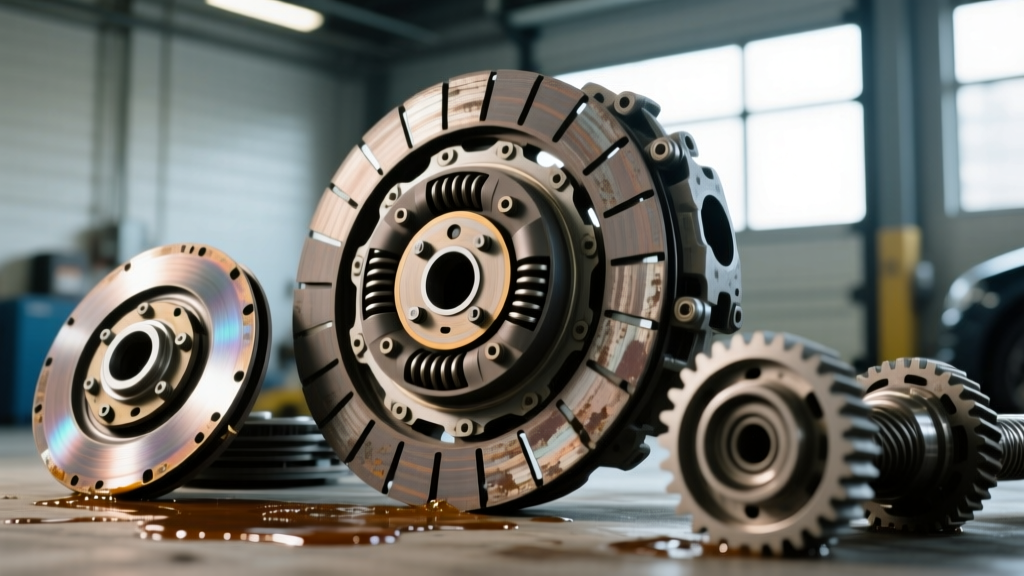
In a manual transmission, clutch slip occurs when the friction disc fails to lock the engine flywheel to the transmission input shaft. The hallmark symptom is an RPM flare under heavy load (such as climbing a grade in 4th or 5th gear) without a corresponding increase in vehicle speed. You may also detect a distinct acrid odor resembling burning brake pads, which is the phenolic resin in the friction material overheating and glazing.
Hydraulic System and Free Play Diagnostics
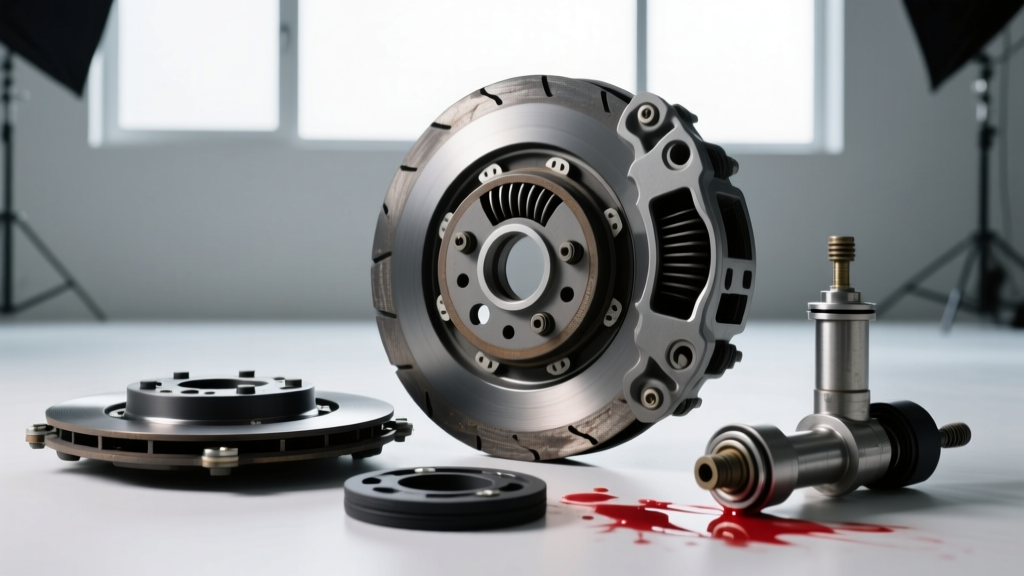
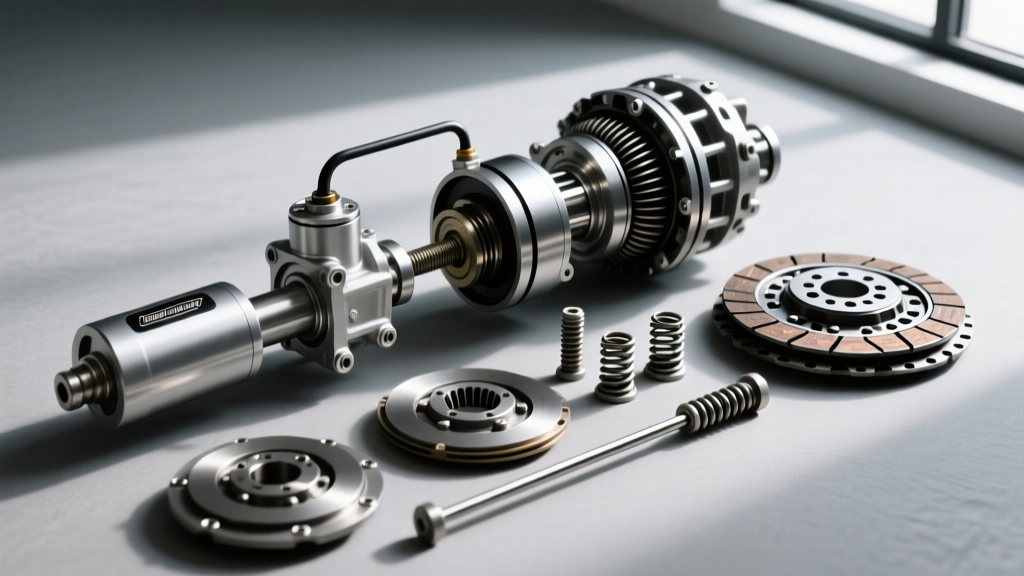
Before condemning the friction disc, diagnostic technicians must rule out hydraulic interference. Modern manual vehicles utilize a hydraulic master and slave cylinder (often a concentric slave cylinder, or CSC, housed inside the bell housing). If the hydraulic fluid (typically DOT 4) becomes contaminated with moisture or the master cylinder pushrod lacks proper free play, the system may maintain slight pressure on the release bearing. This prevents the pressure plate from fully clamping the disc.
- Diagnostic Step: Measure clutch pedal free play. Most OEM specifications require 0.5 to 1.0 inches of free play at the pedal pad before hydraulic resistance is felt.
- Preventive Action: Flush the hydraulic clutch system every 30,000 miles using a high-quality DOT 4 or DOT 5.1 fluid to prevent internal cylinder pitting and seal degradation.
Friction Wear Metrics and Torque Specifications
If the hydraulics are functioning perfectly, the friction disc is likely worn past its service limit. A standard organic clutch disc measures roughly 0.315 inches (8mm) thick when new. Replacement is mandated when the friction material wears down to 0.040 inches (1mm) above the rivet heads. When performing preventive replacement, adhering to exact torque specifications is vital to prevent pressure plate warping, which leads to clutch chatter and premature slip. For example, on a widely used GM LS-series V8 engine, the flywheel-to-crankshaft bolts must be torqued to 74 lb-ft (100 Nm) plus an additional 90-degree turn, while the pressure plate bolts require a precise 26 lb-ft (35 Nm) in a star pattern.
Automatic Transmission Slipping: 4L60E and ZF 8HP Case Studies
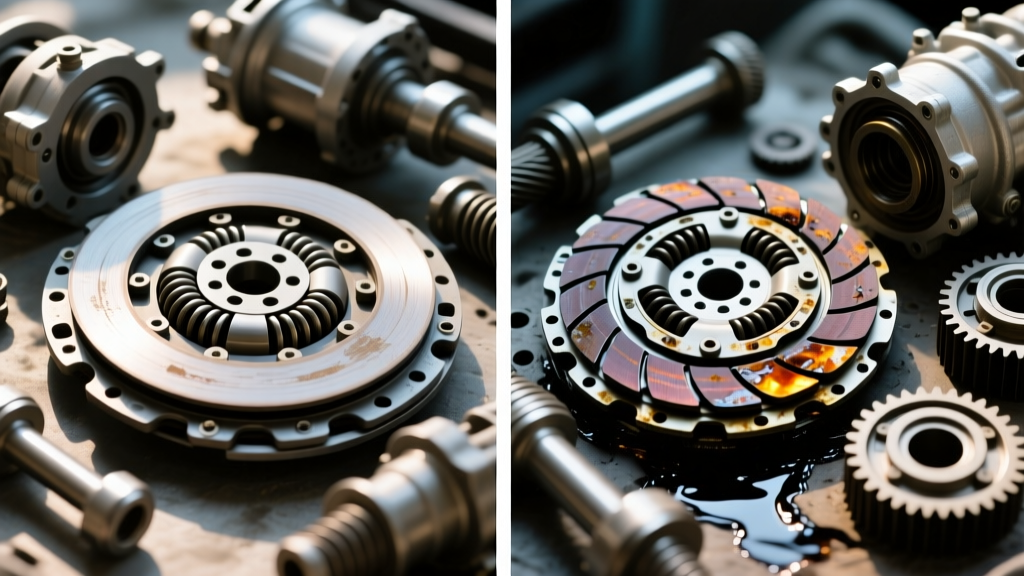
Automatic transmissions rely on multi-plate clutch packs bathed in automatic transmission fluid (ATF). Slipping in an automatic is rarely due to a worn pedal; it is almost always a failure of hydraulic line pressure, degraded friction modifiers in the fluid, or catastrophic seal blowouts.
The GM 4L60E: The Notorious 3-4 Clutch Pack Failure
The GM 4L60E is legendary in the aftermarket, but it suffers from a well-documented weak point: the 3-4 clutch pack. Symptoms include a harsh shift into 3rd gear followed by a massive RPM flare when the transmission commands 4th gear. The root cause is often the depletion of the apply piston seals or the burning of the thin friction plates due to inadequate fluid volume during the shift event.
Preventive Fix: During a rebuild, do not reuse the OEM friction plates. Upgrading to a high-capacity kit, such as the Raybestos Z-Pack (Part # 74128B, typically priced around $180-$220), increases the clutch surface area and utilizes thicker steel plates to dissipate heat. Ensuring the 4L60E is filled to its exact 11.2-quart dry capacity with Dexron VI is critical for maintaining the hydraulic pressure required to clamp these packs.
The ZF 8HP: Mechatronic Leaks and Line Pressure Drops
As of 2026, the ZF 8HP 8-speed automatic is ubiquitous across European and domestic performance vehicles. Clutch slipping symptoms in the ZF 8HP—often manifesting as a 'flare' between 4th and 6th gears—are rarely caused by burnt clutches initially. Instead, the culprit is usually the mechatronic adapter sleeve. The OEM plastic sleeve degrades over time, allowing ATF to leak internally. This drops the main line pressure, preventing the clutch packs from applying with enough force to handle high torque loads.
Preventive Fix: If you catch the slip early, you can avoid a full teardown. Dropping the integrated transmission oil pan and replacing the mechatronic sleeve with an upgraded kit (such as the Sonnax 100041-01K, available via Sonnax for roughly $60) restores line pressure. This must be paired with a fluid exchange using ZF LifeguardFluid 8 (approx. 4.5 liters for a service fill, 8.5 liters dry) to restore the precise friction coefficients required by the ZF clutch packs.
'In modern 8-speed and 10-speed automatics, clutch slip is a hydraulic symptom long before it becomes a mechanical failure. Ignoring a 200-millisecond shift flare will turn a $60 mechatronic sleeve job into a $3,500 complete transmission rebuild within 5,000 miles.' — Lead Drivetrain Diagnostic Engineer, AutoGear Nexus.
2026 Diagnostic Matrix: Slipping Symptoms by Transmission Type
To streamline your diagnostic workflow, refer to the table below for common slipping scenarios, root causes, and preventive maintenance solutions.
| Transmission Model | Common Slipping Gear | Primary Root Cause | Preventive Fix / Part | Est. Cost (Parts) |
|---|---|---|---|---|
| Manual (GM LS / Ford Coyote) | 4th / 5th / 6th (Under Load) | Organic friction disc glazing or weak pressure plate diaphragm. | Exedy / ACT Clutch Kit & Flywheel Resurfacing | $350 - $650 |
| GM 4L60E / 4L65E | 3rd to 4th Shift Flare | 3-4 Clutch pack burnout; worn apply piston seals. | Raybestos Z-Pack (74128B) & Seal Kit | $180 - $250 |
| ZF 8HP (8-Speed Auto) | 4th to 6th Gear Flare | Mechatronic adapter sleeve internal ATF leak. | Sonnax Sleeve Kit (100041-01K) & ZF Fluid | $60 - $120 |
| Ford 10R80 (10-Speed) | 2nd to 3rd / 8th to 9th | Valve body cross-leaks; degraded friction modifiers. | Valve Body Separator Plate Upgrade & Motorcraft ULV Fluid | $150 - $200 |
Preventive Maintenance Schedules for Longevity
Whether you are tracking a manual sports car or towing with a 10-speed automatic, preventive maintenance is the only barrier against catastrophic clutch failure. For manual transmissions, inspect the clutch master and slave cylinders for weeping fluid every 15,000 miles, and avoid 'riding' the clutch pedal, which generates immense heat in the bell housing. For automatic transmissions, the 'lifetime fluid' myth must be discarded. In 2026, industry consensus dictates that automatic transmission fluid should be drained and refilled every 50,000 to 60,000 miles under normal driving conditions, and every 30,000 miles under severe towing or track conditions. By maintaining correct fluid levels, utilizing OEM-specified friction-modified ATF, and addressing shift flares immediately, you can ensure your drivetrain clutches outlast the vehicle itself.
For more detailed teardowns and torque specifications, consult the ZF Aftermarket technical bulletins or your vehicle's specific factory service manual.