The Beginner's Guide to Motorcycle and ATV Clutch Diagnostics
Welcome to the ultimate beginner-friendly guide to diagnosing clutch problems on motorcycles and ATVs. Whether you are racing a 2026 Honda CRF450R, trail-riding on a Yamaha Grizzly 700, or wrenching on a vintage two-stroke dirt bike, the wet clutch is the critical link between your engine's power and the rear wheel. Unlike the dry clutches found in most manual cars, motorcycle and ATV clutches are bathed in engine oil. This design keeps them cool and compact but introduces unique failure modes that can leave you stranded on the trail.
In this guide, we will break down the anatomy of a wet clutch, identify the top five symptoms of failure, and discuss how aftermarket upgrades—like a high-friction Carmilla clutch kit—alter your maintenance and diagnostic routines. Grab your feeler gauges and let's get wrenching.
Anatomy of a Wet Clutch System
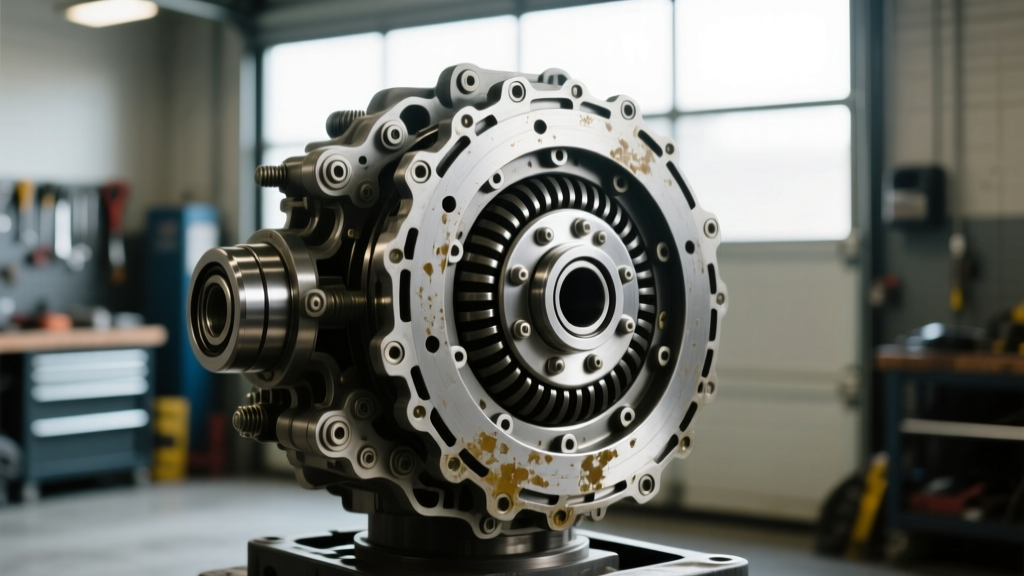
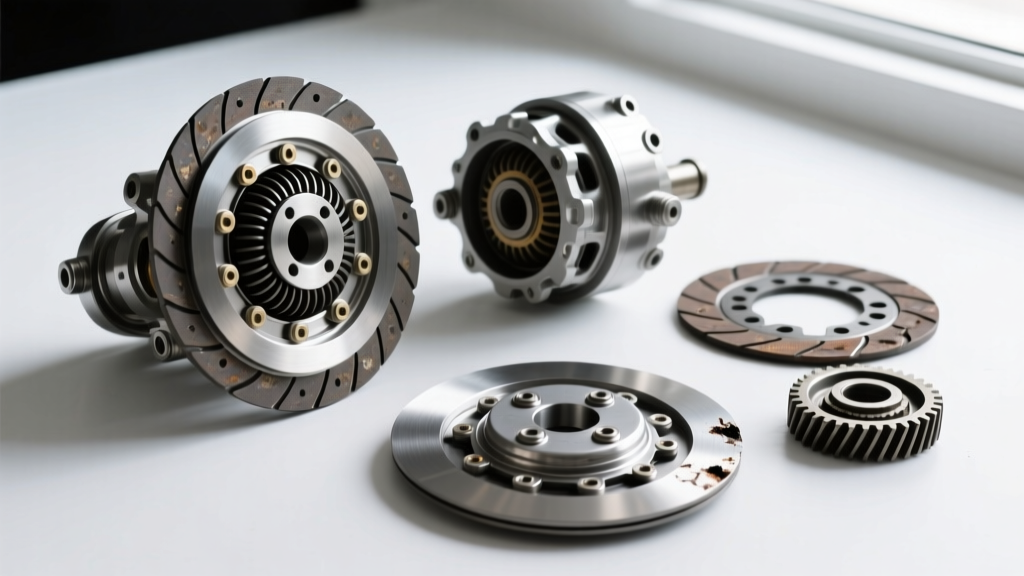
Before diagnosing a problem, you must understand the components working inside your clutch cover. A standard wet clutch assembly consists of:
- Clutch Basket: The outer aluminum housing driven by the engine's primary gear. It features 'fingers' that hold the friction plates.
- Clutch Hub (Inner Hub): The inner component splined to the transmission input shaft. It holds the steel plates.
- Friction Plates: Thick plates coated in friction material (cork, Kevlar, or carbon) that engage with the basket.
- Steel Plates: Smooth, hardened steel plates that sit between friction plates and engage with the inner hub.
- Pressure Plate & Springs: The outer plate that clamps the pack together using heavy-duty coil springs or a diaphragm spring.
When you pull the lever, a pushrod separates the pressure plate, allowing the friction and steel plates to slip independently. When you release the lever, the springs clamp the pack, locking the engine to the transmission.
Top 5 Clutch Symptoms on Two and Four Wheels
1. Clutch Slipping Under Load
This is the most common complaint. You are climbing a steep ATV trail or accelerating out of a corner on your dirt bike, and suddenly the engine RPMs spike, but your speed does not increase. The Diagnosis: Your friction plates are worn past their service limit, your clutch springs have sagged from heat cycles, or you are using the wrong engine oil. Standard automotive oils contain friction modifiers that will cause a wet clutch to slip almost immediately.
2. Clutch Chatter and Grabbing
When you ease out the lever from a stop, the bike or ATV shudders violently instead of engaging smoothly. The Diagnosis: This is usually caused by warped steel plates, contaminated friction material (often from burning out the clutch previously), or notched basket fingers. When the plates cannot slide smoothly along the basket fingers, they bind and release in rapid succession, causing chatter.
3. Dragging or Incomplete Disengagement
You pull the clutch lever to the bar, but the bike still creeps forward, or you hear a loud 'clunk' and the rear wheel spins when shifting into neutral. The Diagnosis: The clutch pack is not fully separating. This can be caused by a stretched clutch cable, air in a hydraulic line, warped steel plates that remain 'stuck' together due to oil surface tension, or deep grooves worn into the clutch basket fingers.
4. Spongy or Stiff Lever Feel
A spongy lever almost always indicates air in a hydraulic clutch system (common on modern KTM and Husqvarna dirt bikes). A suddenly stiff lever on a cable-actuated system usually points to a frayed cable, a damaged lever pivot, or a heavily notched clutch basket preventing the plates from moving freely.
5. Notchy Basket Grooves (The Hidden Killer)
Over thousands of miles, the friction plates hammer into the soft aluminum fingers of the clutch basket, creating deep divots. These divots prevent the plates from expanding and contracting smoothly, leading to dragging, poor shifting, and premature wear on new clutch plates.
Diagnostic Data Table: Symptom vs. Likely Culprit
| Primary Symptom | Most Likely Culprit | Beginner Quick-Check |
|---|---|---|
| Slipping under heavy throttle | Worn friction plates / Weak springs | Check lever free-play; verify JASO MA2 oil |
| Shudder/Chatter at takeoff | Warped steel plates / Notched basket | Inspect basket fingers for deep grooves |
| Bike creeps with lever pulled | Stretched cable / Air in hydraulics | Adjust cable to 10-15mm free-play |
| Lever feels spongy | Hydraulic fluid contamination / Air | Bleed master cylinder with fresh DOT fluid |
| Hard to find neutral | Dragging clutch / Notched hub | Check for warped steels and basket notches |
Aftermarket Upgrades: The Carmilla Clutch and Heavy-Duty Kits
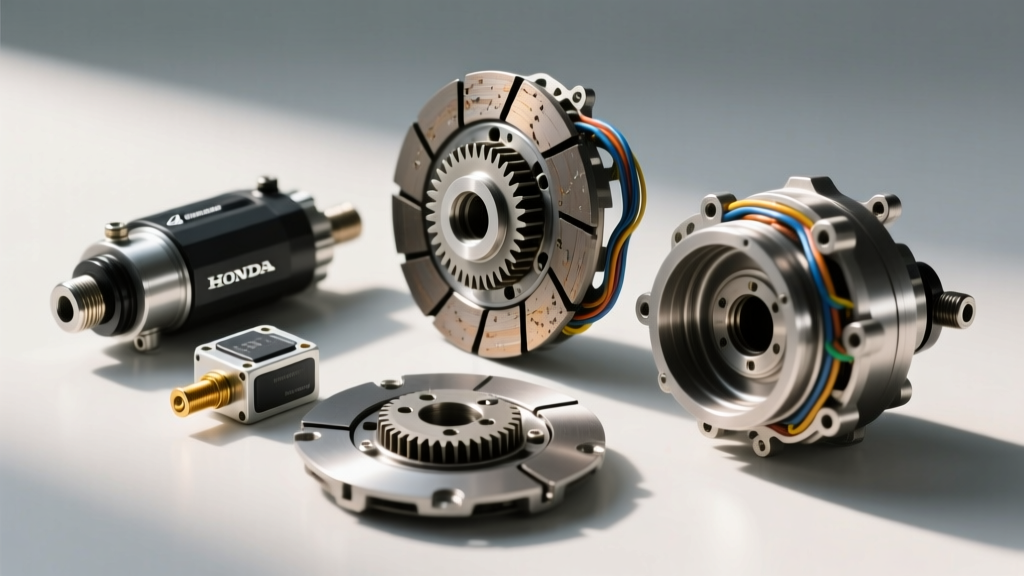
When stock components fail to handle the abuse of mud bogging, desert racing, or big-bore engine builds, riders turn to aftermarket solutions. Upgrading to a specialized Carmilla clutch kit or similar heavy-duty Kevlar/carbon friction setups drastically changes how your drivetrain behaves. These high-friction materials are designed to withstand extreme heat and torque loads without fading.
However, installing a Carmilla clutch or any aggressive aftermarket pack requires strict adherence to break-in procedures. High-friction Kevlar plates can glaze if subjected to excessive slip during the first hour of riding. Furthermore, because these materials bite harder, they transfer more shock load to the clutch basket and transmission gears. If you are running a high-clamp Carmilla clutch setup, inspecting your basket fingers for notching and upgrading to stiffer billet springs becomes a mandatory part of your annual maintenance routine.
Expert Tip: Never use standard automotive motor oil in a wet clutch system. Always look for the JASO MA or MA2 certification on the bottle to ensure the oil lacks friction modifiers that destroy clutch bite. For more on this, read RevZilla's clutch maintenance guide.
Precision Specs and Torque: Wrenching Like a Pro
To properly diagnose and rebuild a motorcycle or ATV clutch, you must move beyond guesswork and use precision measurements. Here are the standard specifications you need to know for most 250cc to 450cc off-road machines and 500cc to 700cc ATVs:
- Cable Free-Play: Always maintain 10mm to 15mm (3/8 to 1/2 inch) of free-play at the lever end before the cable begins to pull the clutch. Without this, the throw-out bearing will constantly ride on the pressure plate, causing slip and premature failure.
- Friction Plate Thickness: Most OEM friction plates measure 3.0mm when new. The service limit is typically 2.6mm. Use a micrometer to measure the friction material, not the metal tangs.
- Steel Plate Flatness: Place steel plates on a known flat surface (like a piece of glass) and use a feeler gauge to check for warpage. The limit is usually 0.1mm to 0.3mm. If a feeler gauge slides under the plate, throw it away.
- Spring Free-Length: Clutch springs sag over time. If the manual calls for a 45.0mm spring and your calipers read 42.5mm, the spring has lost its clamping force and must be replaced.
- Torque Specifications: The inner hub center nut is usually torqued to 55 Nm - 65 Nm (40-48 lb-ft) and requires a drop of Blue Loctite (243). The pressure plate screws are small and easily stripped; torque them to exactly 8 Nm - 10 Nm (70-88 lb-in) in a crisscross pattern.
For a deeper engineering look into how these components manage rotational mass and torque transfer, check out Cycle World's Ask Kevin clutch breakdown.
Real-World Costs: What to Budget
Understanding the financial side of clutch diagnostics helps you make smart repair decisions. Here is what you can expect to pay in the current market:
- OEM Friction & Steel Plate Kit: $90 - $160 (Depending on plate count, usually 7 to 9 plates).
- OEM Clutch Springs: $15 - $25 per set.
- OEM Clutch Basket: $120 - $250. (Note: Many modern bikes use a steel dampener gear inside the basket. If this is worn, you must replace the entire basket assembly).
- Aftermarket Billet Basket (e.g., Hinson, Rekluse): $350 - $700. These are CNC-machined from aerospace aluminum and feature hard-anodized coatings that completely eliminate the notching issue, making them a worthwhile investment for hardcore ATV and motocross riders.
- Performance Clutch Kits (Carmilla, Barnett, etc.): $150 - $250 for Kevlar/Carbon friction packs with heavy-duty springs.
Final Thoughts for the Trail
Diagnosing motorcycle and ATV clutch problems does not require a master mechanic's certification, but it does require a methodical approach. By understanding the relationship between your lever free-play, your oil choice, and the physical condition of your friction and steel plates, you can solve 90% of clutch issues before they leave you stranded in the woods. Whether you are maintaining a stock Honda Foreman or tuning a high-performance Carmilla clutch setup for desert racing, always rely on your micrometer, your torque wrench, and the manufacturer's service limits to keep your drivetrain engaging smoothly mile after mile.