The 'Clutch Cargo Mouth' Phenomenon: What Your Drivetrain is Trying to Say
In heavy-duty towing and commercial hauling communities, the term 'clutch cargo mouth' has emerged as a vivid, albeit frustrating, descriptor for a specific and severe failure mode. It refers to the violent chattering, groaning, and rhythmic 'talking' noise a degraded clutch assembly makes when attempting to move a heavy cargo payload from a dead stop. When your truck's Gross Combined Weight Rating (GCWR) is pushing 25,000+ pounds, a stock clutch simply cannot manage the thermal and kinetic energy required to slip the engine into gear smoothly. Instead of a seamless engagement, the friction surface grabs, slips, and releases in rapid succession, creating a mechanical chatter that resonates through the chassis.
As we navigate the 2026 landscape of heavy-duty manual transmissions—such as the Dodge Ram G56, the Ford Tremec T-19, and the Chevy NV4500—understanding the root causes of this phenomenon is critical. This buyer's guide and diagnostic breakdown will dissect the failure modes behind the 'clutch cargo mouth,' compare the top aftermarket heavy-duty clutch kits, and provide the exact installation specifications needed to keep your cargo moving.
Root Cause Analysis: Thermal Degradation Under Heavy GCWR
The physics of clutch engagement dictate that kinetic energy is converted into thermal energy during the slip phase. When hauling heavy cargo, the slip phase is extended, generating extreme heat. According to friction material testing standards outlined by SAE International, localized clutch temperatures can easily exceed 600°F (315°C) during heavy-load launches. This triggers two primary failure modes:
1. Marcel Spring Collapse and Fatigue
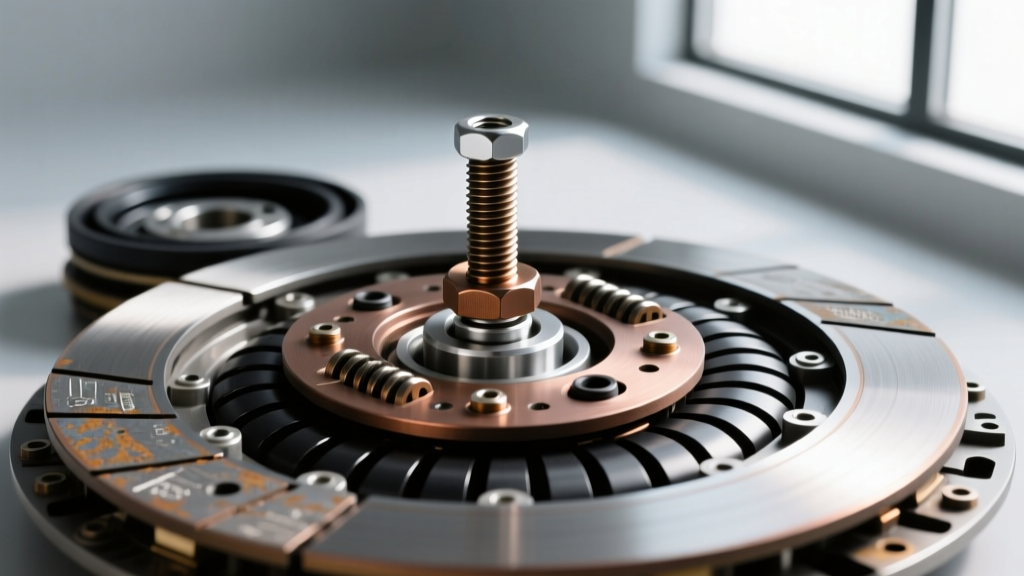
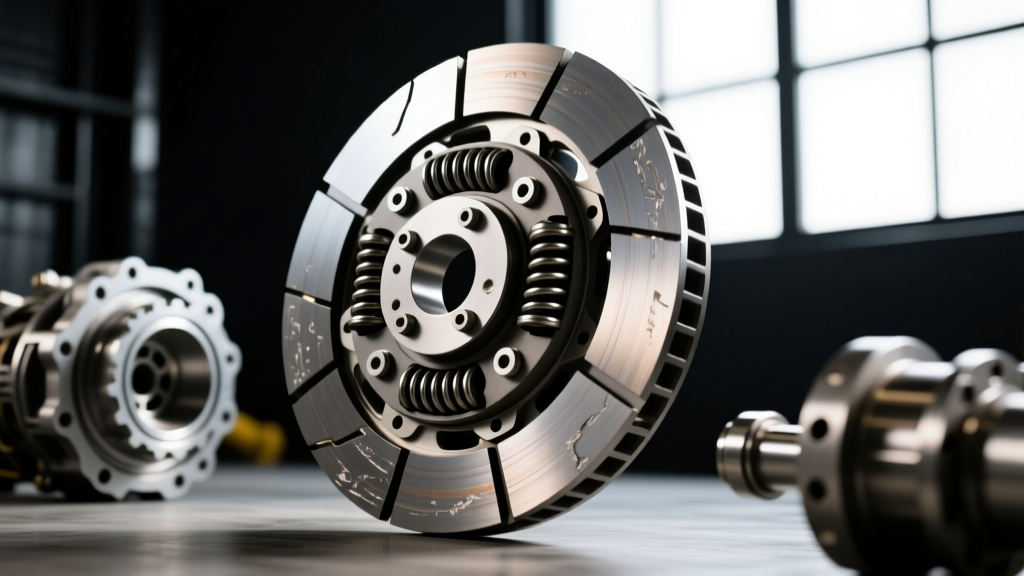
The 'marcel' spring is the wavy, corrugated steel spring located between the two friction facings on a standard clutch disc. Its purpose is to flatten out progressively during engagement, providing a smooth, cushioned transition. Under the extreme heat of heavy cargo hauling, these springs lose their temper and heat treatment. Once collapsed, the clutch disc loses its cushioning effect, resulting in an abrupt, on-off engagement that causes the severe drivetrain shudder known as the cargo mouth chatter.
2. Flywheel Hot-Spotting and Micro-Cracking
Stock nodular cast iron flywheels are prone to thermal shock. Repeated heavy-load slipping causes localized 'hot spots' on the friction surface. These spots expand and contract at different rates than the surrounding iron, leading to micro-cracking and surface glazing. When the friction material encounters these glazed, uneven surfaces, it skips and chatters, amplifying the noise and vibration.
2026 Heavy-Duty Clutch Kit Comparison Chart
To eliminate the cargo mouth chatter, you must upgrade to a clutch system designed for high-torque, high-thermal environments. Below is a comparison of the top-tier heavy-duty clutch kits available for popular 3/4-ton and 1-ton manual trucks.
| Brand & Model | Friction Material | Torque Capacity | Best Application | Est. Price (2026) |
|---|---|---|---|---|
| South Bend SDD3250-6 | Organic / Ceramic Dual Disc | 1,200 lb-ft | Heavy Cargo Towing, Daily Driving | $1,850 - $2,100 |
| Valair Quiet Street Triple | Heavy-Duty Organic (Triple Disc) | 1,500 lb-ft | Extreme GCWR, Commercial Hauling | $2,400 - $2,700 |
| Exedy Mach 500 HD | High-Temp Organic Single Disc | 900 lb-ft | Moderate Towing, Budget Upgrade | $750 - $950 |
Buyer's Verdict: Which Kit Solves the Chatter?
For drivers experiencing severe 'clutch cargo mouth' while towing 5th-wheel or gooseneck trailers, the South Bend SDD3250-6 Dual Disc is the premier choice. By utilizing a dual-disc setup, the surface area is doubled, which drastically reduces the heat generated per square inch during the slip phase. The inclusion of an organic friction material on the primary disc ensures smooth engagement, while the ceramic secondary disc handles the extreme heat of heavy cargo launches without glazing. As noted in the South Bend Clutch technical documentation, pairing this with a billet steel flywheel eliminates the hot-spotting issue entirely.
Material Science: Choosing the Right Friction Compound
When selecting a replacement to cure clutch chatter, the friction compound is just as important as the clamping force. Here is how modern materials stack up for cargo applications:
- Full-Face Organic: Offers the smoothest engagement and is easiest on the drivetrain (U-joints, ring and pinion). However, it is susceptible to glazing if the driver frequently 'rides' the clutch on steep grades with heavy cargo.
- Ceramic / Cerametallic: Exceptional thermal resistance. Will not glaze under extreme heat. However, full-face ceramic discs are notoriously aggressive and can actually worsen low-speed chatter if not paired with a highly sprung hub or dual-disc configuration.
- Kevlar / Aramid: High tensile strength and excellent burst resistance. Requires a very specific, prolonged break-in period (often 500+ miles). If not bedded properly, Kevlar will cause severe chatter.
Expert Tip: For dedicated cargo hauling, avoid full-metallic or sintered iron pucks. While they hold immense torque, their lack of a marcel spring and aggressive bite will induce violent drivetrain shock, potentially shearing the ears off your transmission input shaft or destroying your dual-mass flywheel (DMF) dampeners.
Hydraulic Upgrades: Master Cylinder Bore Sizing
A frequently overlooked root cause of clutch engagement issues under heavy load is the hydraulic actuation system. Upgrading to a high-clamp-load pressure plate (often exceeding 3,500 lbs of clamp force) requires more hydraulic volume to disengage fully. Stock 5/8-inch master cylinders often result in a stiff pedal and incomplete disengagement, leading to gear grinding and premature wear. According to drivetrain specialists at Valair, upgrading to a 3/4-inch bore master cylinder and a high-volume slave cylinder is mandatory when installing dual or triple-disc clutch kits for heavy cargo applications. This ensures the throw-out bearing travels the necessary distance to fully separate the friction surfaces, preventing drag and heat buildup while in gear.
Critical Installation Torque Specs & Clearances
Even the most expensive heavy-duty clutch kit will develop a 'cargo mouth' chatter if installed improperly. The mating surfaces must be perfectly true, and fasteners must be torqued to exact OEM or aftermarket specifications. Below are the critical specs for the popular Dodge Ram 5.9L/6.7L Cummins paired with the G56 manual transmission:
Flywheel and Pressure Plate Torques
- Flywheel to Crankshaft (M12x1.25 Bolts): Torque to 95 lb-ft, then turn an additional 120 degrees. (Do not reuse stretch bolts; always use new OEM or ARP fasteners).
- Clutch Cover to Flywheel: 35 to 40 lb-ft. Must be tightened in a strict crisscross/star pattern, one turn at a time, to prevent warping the pressure plate housing.
- Flexplate/Flywheel Runout: Must not exceed 0.005 inches. Use a dial indicator on the friction surface before installing the clutch disc.
Input Shaft Alignment and Pilot Bearing
When hauling heavy cargo, the drivetrain is under constant torsional stress. If the clutch disc is not perfectly aligned with the pilot bearing, the input shaft will bind, causing uneven pressure plate release and immediate chatter. Use a precision machined alignment tool (never a cheap plastic knock-off). Furthermore, verify the pilot bearing internal clearance. For heavy-duty applications, a clearance of 0.001 to 0.003 inches between the input shaft tip and the pilot bearing is optimal. Too tight, and the clutch will not fully disengage; too loose, and the input shaft will wobble under heavy load, destroying the transmission front bearing seal.
Conclusion: Silencing the Cargo Mouth
The 'clutch cargo mouth' is not just an annoying sound; it is a critical warning sign of thermal overload, marcel spring fatigue, and friction surface degradation. When your livelihood or recreation depends on moving heavy cargo, relying on a stock single-disc organic clutch is a recipe for repeated failures and stranded loads. By upgrading to a dual or triple-disc system with billet steel flywheels, matching your hydraulic master cylinder bore to the new clamp load, and adhering to strict torque specifications, you can eliminate the chatter, protect your drivetrain, and ensure smooth, reliable engagement no matter what you are towing.