The Parasitic Load: AC Clutches in Class 8 Commercial Vehicles
In the heavy-duty and commercial vehicle sector, the accessory drive system is a critical component of overall powertrain efficiency. While transmission clutches handle the immense torque of a 15-liter diesel engine, the front-end accessory drive (FEAD) relies on a different, often overlooked friction interface. Understanding automotive air conditioning compressor electromagnetic clutch operation is paramount for fleet technicians managing Class 8 trucks like the Freightliner Cascadia, Kenworth T680, and Peterbilt 579. In 2026, with idling emissions regulations tightening and driver retention heavily tied to cabin comfort, a failing AC clutch is no longer just a comfort issue—it is a severe operational liability.
Unlike passenger vehicles, heavy-duty trucks utilize massive displacement compressors, such as the Sanden SD7H15 or the Denso 10S17C, which require substantial torque to engage against high head pressures. When these electromagnetic clutches fail, slip, or chatter, they introduce harmonic vibrations that can degrade the serpentine belt, damage the crankshaft harmonic balancer, and trigger cascading FEAD failures. This performance and upgrade guide explores the diagnostics, failure modes, and severe-duty upgrades for commercial AC compressor clutches.
Decoding Automotive Air Conditioning Compressor Electromagnetic Clutch Operation
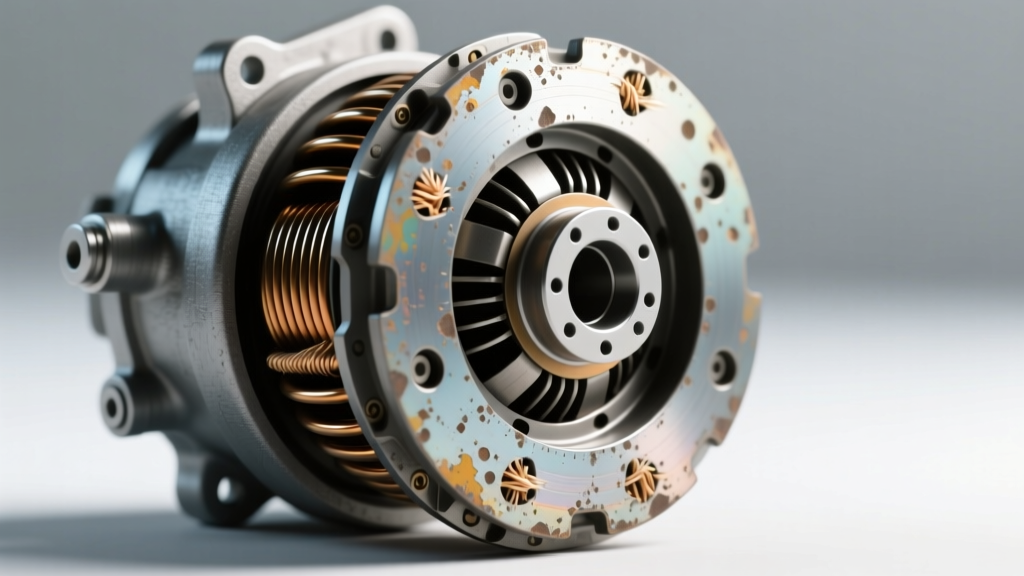
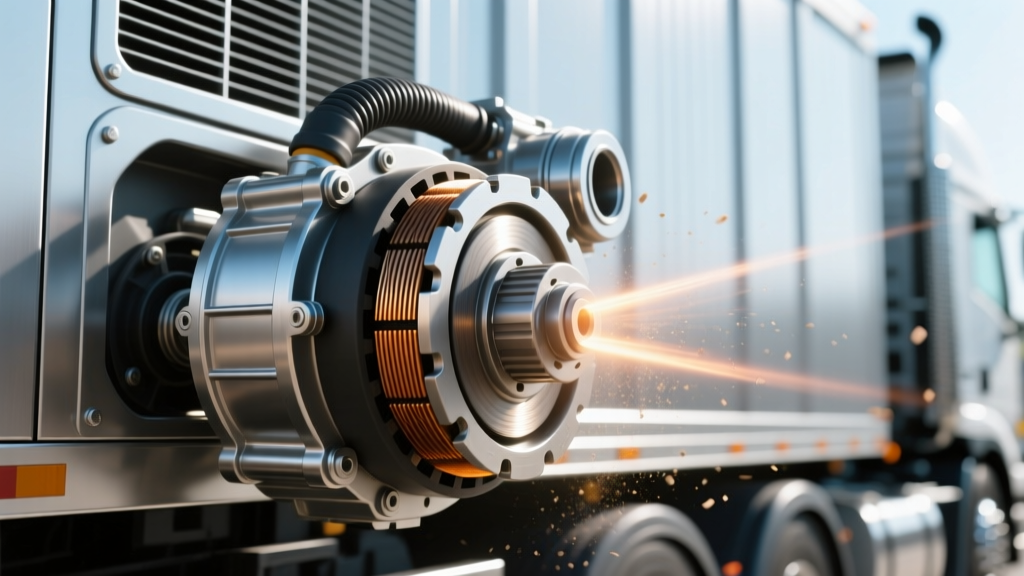
At its core, the AC compressor clutch is an electrically actuated friction brake. When the cabin thermostat or the fleet's automated thermal management system calls for cooling, a 12V (or 24V in global/export markets) signal is sent to the electromagnetic coil housed within the clutch pulley. This generates a magnetic flux that pulls the steel friction plate (hub) against the rotating pulley face, locking the compressor's internal swashplate or scroll mechanism to the engine's serpentine belt drive.
Magnetic Flux, Air Gaps, and Torque Transfer
The efficiency of this operation hinges on the air gap—the microscopic distance between the friction plate and the pulley face when disengaged. In heavy-duty applications, thermal expansion from sustained highway speeds and extreme ambient temperatures (e.g., 115°F in the American Southwest) can cause the metal components to expand, widening this gap. If the air gap exceeds the magnetic pull capacity of the coil, the clutch will slip. This slipping generates immense friction heat, which bakes the epoxy encapsulating the copper windings in the coil, leading to an open circuit and total clutch failure.
Diagnostic Matrix: Heavy-Duty Clutch Failure Symptoms
Diagnosing commercial AC clutch problems requires looking beyond the cabin vents. Fleet mechanics must evaluate the clutch's impact on the entire drivetrain accessory system. Below is a diagnostic framework for identifying specific electromagnetic clutch failure modes in heavy-duty trucks.
| Symptom | Heavy-Duty Root Cause | Diagnostic Metric | Upgrade Solution |
|---|---|---|---|
| High-RPM Slipping | Thermal degradation of coil epoxy; widened air gap due to heat expansion. | Coil resistance drops below 2.8 Ohms when hot; visual bluing on friction plate. | Install high-temperature Class H epoxy coil and ceramic friction plate. |
| Engagement Chatter | Glazed friction surface; weak magnetic flux failing to overcome high refrigerant head pressure. | Oscilloscope shows PWM voltage dropout; audible 'clack-grind' at 800 RPM idle. | Sintered metal friction surface upgrade; high-Gauss coil swap. |
| Harmonic Belt Vibration | Seized pulley bearing transferring side-load to the serpentine tensioner and crankshaft. | Stethoscope reveals grinding at pulley hub; belt flutter visible at 1500 RPM. | Heavy-duty sealed bearing pulley assembly with reinforced snap-rings. |
| Intermittent Disengagement | Voltage drop across corroded OEM weatherpack connectors or poor chassis ground. | Less than 10.5V measured at the clutch pigtail under active load. | Install a dedicated 30A relay harness with direct battery feed and star-washer ground. |
Performance Upgrades for Severe-Duty Commercial Fleets
Standard OEM replacement clutches are designed for average duty cycles. For vocational trucks, refuse haulers, and long-haul fleets operating in extreme climates, upgrading the clutch assembly is a proven performance modification that reduces downtime and protects the FEAD system.
1. High-Gauss Electromagnetic Coil Swaps
Upgrading to a high-torque, high-Gauss electromagnetic coil provides a stronger magnetic field, allowing the clutch to pull in and hold firmly even when the air gap has expanded due to thermal growth. Aftermarket performance coils, such as those offered by Red Dot or specialized heavy-duty divisions of Four Seasons, utilize denser copper windings and high-temp potting compounds rated for continuous 130°C operation. Expect to pay between $140 and $220 for a premium heavy-duty coil, compared to $85 for a standard OEM unit.
2. Ceramic and Sintered Metal Friction Surfaces
Standard organic friction plates glaze quickly when subjected to the high head pressures of a fully loaded Class 8 AC system idling in traffic. Upgrading to a ceramic-lined or sintered metal friction plate drastically increases the coefficient of friction. These materials resist glazing, maintain bite at extreme temperatures, and dissipate heat away from the coil assembly. According to data published by the Mobile Air Climate Systems Association (MACS), ceramic friction upgrades can extend clutch service life in vocational applications by up to 40%.
Precision Calibration: Torque Specs and Electrical Testing
When performing an upgrade or replacement on a heavy-duty compressor (e.g., Sanden SD7 series), precision is non-negotiable. Improper installation will lead to immediate catastrophic failure or crankshaft seal damage.
- Air Gap Calibration: Must be set between 0.40mm and 0.60mm (0.016' - 0.024'). Use a non-magnetic brass feeler gauge. If the gap is too tight, the clutch will drag when disengaged, robbing horsepower and burning the belt. If too wide, it will slip.
- Center Hub Bolt Torque: The M8x1.25 center hub retention bolt must be torqued to exactly 15-20 Nm (11-15 lb-ft) using a medium-strength threadlocker (e.g., Loctite 243). Over-torquing will warp the friction plate, causing localized slipping.
- Electrical Load Testing: Do not rely on a simple test light. Use a multimeter to verify a minimum of 11.8V at the clutch connector while the engine is running and the AC is commanded ON. For 24V European/Global spec trucks, verify at least 23.5V.
- Ground Path Verification: Many heavy-duty compressors ground through the aluminum mounting ears. If the compressor is painted or powder-coated, the ground path is compromised. Always scrape the paint at the mounting brackets and apply dielectric grease to prevent galvanic corrosion.
Real-World Case Study: Freightliner Cascadia Idle Failure
Consider a fleet of 2024 Freightliner Cascadias operating in the Phoenix, Arizona corridor. Drivers reported AC loss during extended rest periods while using the engine-driven idle system. The OEM clutches were failing every 40,000 miles. Diagnostic analysis revealed that the high ambient under-hood temperatures (exceeding 160°F near the radiator) were causing the standard coil epoxy to melt, creating internal shorts. Furthermore, the organic friction plates were glazing from the constant high-pressure engagement of the Sanden PXE16 variable displacement compressor.
'By upgrading the fleet to heavy-duty ceramic friction clutches and rerouting the clutch power feed through a dedicated, thermally shielded relay harness, we eliminated the idle AC failures. The initial upgrade cost of $380 per truck paid for itself within three months by eliminating $800-per-day driver downtime complaints and protecting the $1,200 serpentine tensioner assemblies from harmonic destruction.' — Fleet Maintenance Director, Southwest Logistics.
Fleet ROI and Maintenance Intervals
Integrating AC electromagnetic clutch inspections into standard heavy-duty PM (Preventative Maintenance) schedules is a critical evolution for modern fleet management. During every 50,000-mile PM service, technicians should measure coil resistance, verify the air gap with feeler gauges, and inspect the friction plate for heat bluing. As detailed in engineering whitepapers by Sanden Global, proactive replacement of the clutch bearing and coil assembly at the 250,000-mile mark—before catastrophic seizure—saves fleets an average of $1,400 per incident in secondary FEAD damage and towing costs.
Ultimately, mastering automotive air conditioning compressor electromagnetic clutch operation and investing in severe-duty upgrades transforms a notorious weak point into a reliable, high-performance asset. For commercial fleets, where every minute of downtime impacts the bottom line, high-torque, thermally optimized AC clutches are not just an option; they are a necessity for 2026 and beyond.
For further reading on commercial HVAC system diagnostics, refer to the latest mobile climate control standards published by SAE International, which outline the rigorous testing protocols for electromagnetic clutch torque retention under extreme thermal cycling.