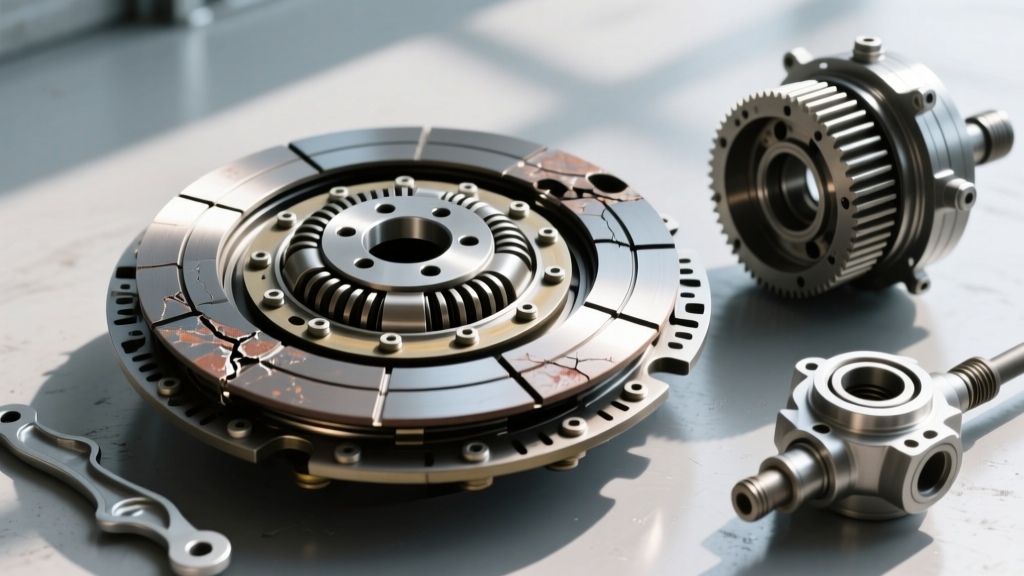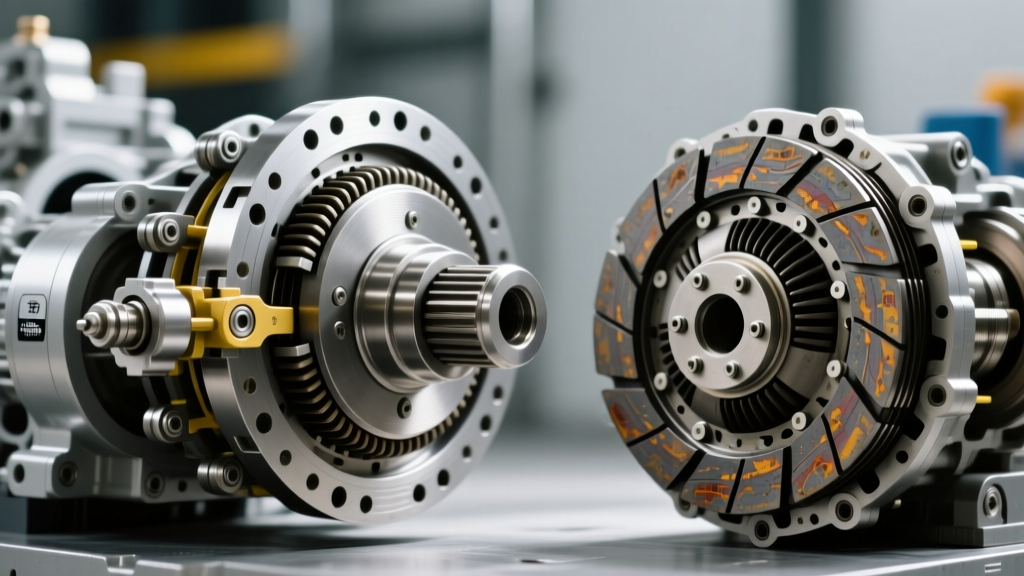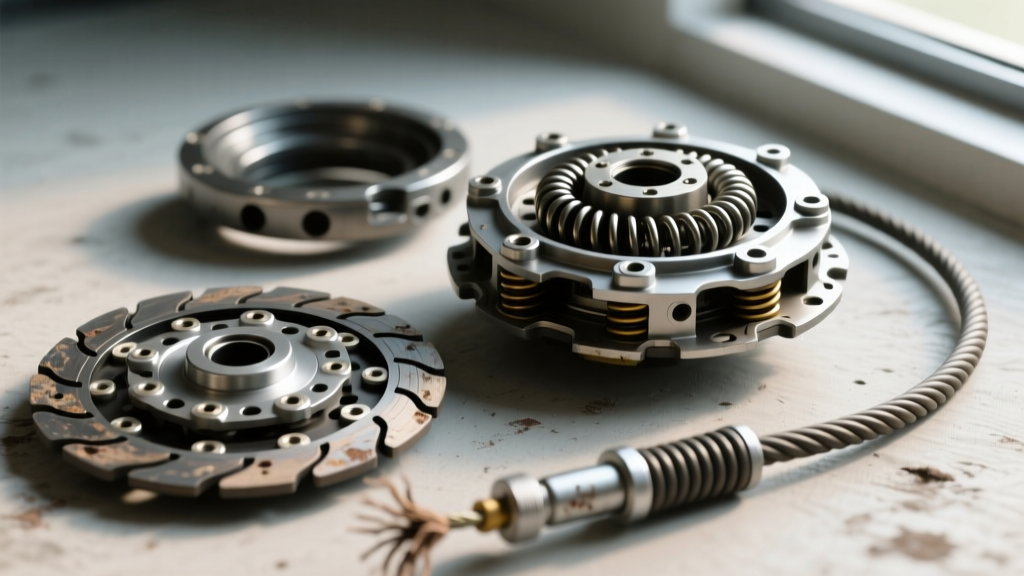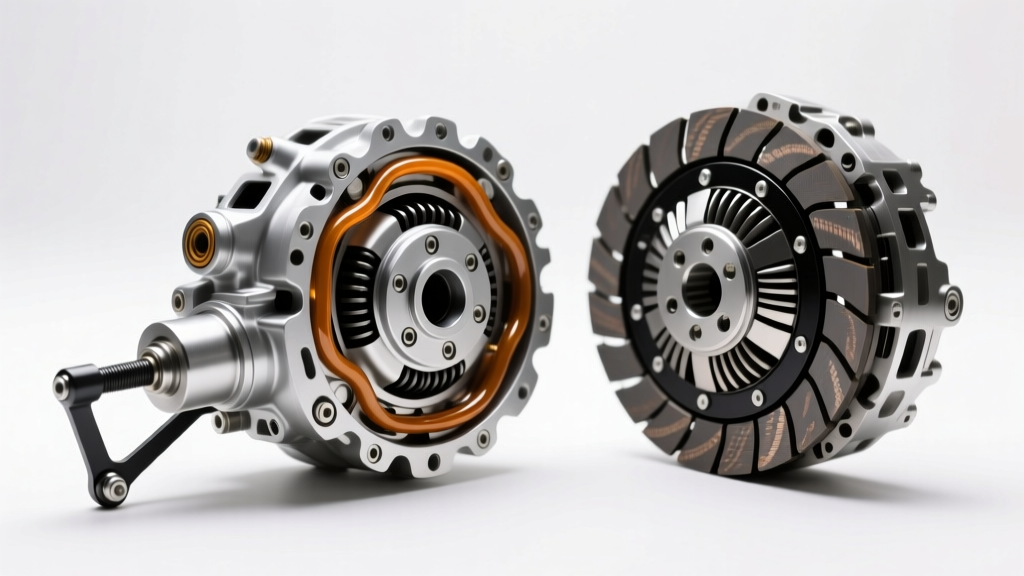
The Divide Between External and Internal Wet Clutches
When discussing wet friction environments, automotive and motorcycle mechanics typically divide the world into two distinct camps: the externally actuated Harley hydraulic clutch systems found in Milwaukee-Eight and Twin Cam primaries, and the labyrinthine internal clutch packs of modern automatic transmissions. While both systems rely on hydraulic fluid dynamics to compress friction materials against steel separator plates, diagnosing failures and purchasing replacement components requires entirely different methodologies.
This 2026 comparison and buyer's guide bridges the gap between these two worlds. Whether you are troubleshooting a spongy lever on your touring motorcycle or diagnosing clutch problems in automatic transmissions like the GM 4L60E or ZF 8HP, understanding the mechanical realities, torque specifications, and aftermarket component landscape is critical for a lasting repair.
Diagnosing the Harley Hydraulic Clutch System
Harley-Davidson transitioned heavily to hydraulic clutch actuation in 2007 with the Twin Cam lineup, refining it further with the Milwaukee-Eight (M8) engines. The system utilizes a 11/16-inch bore master cylinder pushing DOT 4 fluid through a braided or Kevlar line to a slave actuator (pushrod mechanism) housed inside the primary chaincase.
Common Symptoms & Failure Points
- Spongy Lever Feel & Creeping: Often caused by air in the hydraulic line or a failing master cylinder cup. If the bike creeps forward at a stoplight with the lever pulled, the slave cylinder pushrod is not extending the full 0.400-inch required to separate the friction plates.
- Primary Fluid Contamination: If your primary chaincase fluid (Formula+ or Syn3) smells burnt or contains heavy metallic glitter, the wet clutch pack is slipping and delaminating. This is common in high-torque M8 engines when the clutch spring pressure plate fails to compensate for worn friction discs.
- Hard Shifting into First Gear: A classic sign of clutch drag. The hydraulic pressure is insufficient to fully overcome the clutch spring tension, causing the transmission input shaft to spin while the bike is stationary.
2026 Buyer's Guide: Harley Clutch Components
When replacing a Harley hydraulic clutch pack, OEM components are reliable, but the aftermarket offers superior heat dissipation for heavy touring bags.
- Barnett Kevlar Friction Plates (Part #303-30-10015): Priced around $180-$220. Kevlar faces handle the immense low-end torque of the M8 114 and 117 cubic-inch engines far better than standard organic paper plates.
- OEM Master Cylinder Rebuild Kit (Part #41803-07): Costing approximately $45. Always replace the internal rubber cups and return spring before condemning the slave cylinder.
- Clutch Spring Upgrade: If upgrading to Kevlar, install Barnett Heavy Duty Clutch Springs (approx. $35) to increase clamping force by 15-20%.
Critical Torque Specs: The primary chaincase cover bolts must be torqued to 84-108 in-lbs. The clutch hub nut requires a massive 70-80 ft-lbs (95-108 Nm) and should be secured with red Loctite 271. Target clutch pack clearance is 0.080" to 0.110".
Clutch Problems in Automatic Transmissions: Internal Wet Packs
While the Harley system uses a single, large wet clutch pack for total engine disengagement, automatic transmissions utilize multiple, smaller internal wet clutch packs to select specific gear ratios. Diagnosing clutch problems in automatic transmissions requires an understanding of valve body hydraulics, apply circuits, and electronic pressure control solenoids.
The GM 4L60E: The Infamous 3-4 Clutch Pack Failure
The 4L60E is one of the most ubiquitous automatic transmissions on the road. Its most notorious failure point is the 3-4 clutch pack. When this pack burns out, the vehicle will have 1st and 2nd gear, but will flare, slip, or completely freewheel when shifting into 3rd or 4th gear (Overdrive).
The Root Cause: The factory 3-4 apply piston design allows the piston to tilt or bind inside the clutch drum under high line pressure (which can exceed 190 PSI in certain gear ranges). This causes uneven clamping, leading to rapid friction material degradation and burnt Dexron VI ATF.
The 2026 Buyer's Fix: Do not simply replace the burnt friction discs. You must upgrade the apply hardware. The Sonnax 77733-01K 3-4 Clutch Apply Piston Kit (approx. $65) features a redesigned piston and spring assembly that guarantees flat, even clamping. When rebuilding the 3-4 drum, target a clutch clearance of 0.040" to 0.070" using selective thickness backing plates.
The ZF 8HP: Mechatronic Leaks and Clutch A/C Slip
Found in modern BMW, Audi, Jaguar, and Chrysler vehicles, the ZF 8-speed automatic relies on five internal clutch packs (A through E) and a highly complex mechatronic valve body. Clutch problems in these automatic transmissions rarely stem from worn friction plates; instead, they are caused by hydraulic pressure leaks.
Symptoms: A harsh 2-3 shift, or a slipping sensation in 5th and 7th gears (which rely heavily on Clutch C). The transmission control module (TCM) will often log 'Clutch Pressure Adaptation at Limit' codes.
The Root Cause: The plastic sealing sleeves on the mechatronic unit harden over time due to thermal cycling, allowing ATF to bypass the clutch apply circuits. Furthermore, the internal ZF LifeguardFluid 8 degrades, losing its specific friction modifiers required for the ZF's lock-up clutch and internal packs.
The 2026 Buyer's Fix: Before tearing down the transmission to replace Clutch C, purchase a Mechatronic Sealing Sleeve Repair Kit (approx. $120-$180) and perform a dynamic fluid adaptation reset via an advanced bi-directional scan tool. If the friction plates are indeed burnt, a complete ZF 8HP master rebuild kit (including molded pistons and steels) will cost between $800 and $1,200 from premium suppliers.
Diagnostic & Buyer's Comparison Matrix
| Feature | Harley Hydraulic Clutch (External) | Automatic Transmissions (Internal) |
|---|---|---|
| Actuation Method | Manual lever -> Master Cylinder -> Slave Pushrod | Transmission Pump -> Valve Body / Solenoids -> Clutch Drum |
| Hydraulic Fluid | DOT 4 (Actuation) / Formula+ (Primary) | Dexron VI, ZF Lifeguard 8, or specific OEM ATF |
| Primary Diagnostic Tool | Feeler gauges, bleed wrench, pressure gauge | Bi-directional Scan Tool, Transmission Pressure Gauge Set |
| Most Common Failure | Master cylinder cup leak / Pushrod wear | Apply piston binding / Mechatronic seal leaks |
| DIY Parts Cost (2026) | $150 - $350 | $300 - $1,500 (Master Rebuild Kits) |
| Labor Intensity | Moderate (2-4 Hours) | Extreme (10-20+ Hours, requires R&R) |
Fluid Dynamics: Why Cross-Contamination is Fatal
Expert Warning: Never assume all 'wet clutch' fluids are interchangeable. Harley primary chaincases require fluids with specific friction modifiers designed for a single, high-mass clutch pack and a primary chain. Automatic transmissions require highly shear-stable ATFs with anti-shudder additives designed for micro-slip in torque converters and multi-plate clutch drums. Using the wrong fluid will result in immediate chatter, glazing, or total hydraulic failure.
2026 Cost Analysis: DIY vs. Professional Overhaul
When weighing your options for repair, the financial divide between these two systems is stark. Rebuilding a Harley hydraulic clutch in your garage requires basic hand tools, a torque wrench, and a primary locknut tool. The total investment for premium aftermarket friction plates, steel plates, and a master cylinder rebuild rarely exceeds $400.
Conversely, addressing clutch problems in automatic transmissions usually requires dropping the transmission, disassembling the case on a clean bench, and utilizing specialized clutch spring compressors and snap-ring pliers. While a DIY enthusiast can save $2,000 in labor by rebuilding a 4L60E or ZF 8HP using Sonnax upgrade kits, the cost of specialized tools, a new torque converter (mandatory for automatic rebuilds to prevent debris contamination), and a transmission jack pushes the realistic DIY budget to $1,200 - $1,800. Professional shops in 2026 are quoting between $2,800 and $4,500 for a complete automatic transmission clutch and hard-part overhaul.
Final Verdict for the Mechanic
Whether you are bleeding a Harley hydraulic clutch line or measuring the apply clearance on a ZF 8HP Clutch C drum, the fundamental rule of wet clutches remains the same: hydraulic pressure must be absolute, and clearances must be exact. For the Harley owner, invest in Kevlar friction materials and upgraded heavy-duty springs to handle modern touring loads. For the automatic transmission diagnostician, never ignore a shift flare; it is the early warning sign of a failing apply piston or mechatronic seal that, if caught early, can save the friction packs from turning into carbon dust.