The 'Automatic' Misnomer: AMTs vs. Planetary Gearsets in 2026
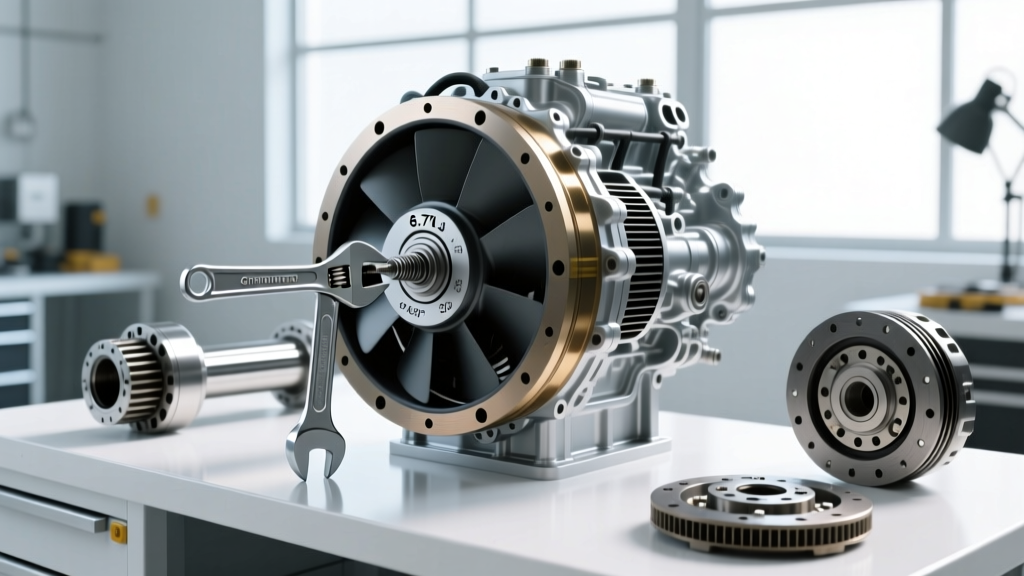
When discussing clutch problems in automatic transmissions, automotive technicians must first bridge a massive terminology gap between light-duty and heavy-duty sectors. In the Class 1 through 3 light-duty truck and passenger vehicle market, an 'automatic transmission' refers to a planetary gearset utilizing a hydrodynamic torque converter and internal multi-disc friction clutches (such as the Ford 10R80 or GM 10L90). However, in the Class 8 commercial trucking sector, drivers and fleet managers universally refer to Automated Manual Transmissions (AMTs) like the Eaton Cummins Endurant and UltraShift PLUS as 'automatics' because they operate without a driver-controlled clutch pedal.
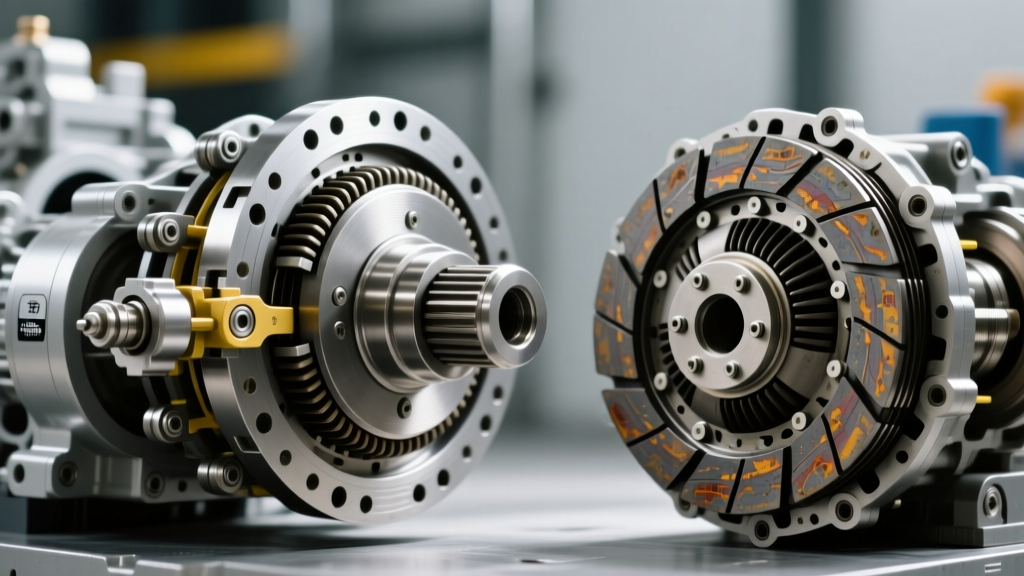
This distinction is critical for diagnostics. Clutch problems in a planetary automatic require internal teardowns, seal ring replacements, and solenoid body overhauls. Conversely, clutch problems in a heavy-duty AMT 'automatic' involve a traditional dry friction disc, a pressure plate, and an automated pneumatic or electromechanical clutch actuator. Understanding how to approach an Eaton Fuller clutch adjustment versus diagnosing internal slip codes in a torque-converter automatic is essential for modern transmission shops and fleet buyers navigating 2026's mixed-powertrain landscapes.
Diagnosing Clutch Problems in Heavy-Duty 'Automatics' (Eaton Fuller AMTs)
In an Eaton Fuller AMT, the physical clutch assembly is nearly identical to a manual transmission setup, but the engagement is controlled by the Transmission Control Module (TCM) via a SmartAdvantage or Concealer clutch actuator. When fleet technicians encounter 'slipping' or 'engagement' issues in these automated setups, the diagnostic path diverges sharply from traditional automatics.
Common UltraShift & Endurant Clutch Failure Modes
- Actuator Stroke Limits: The TCM continuously maps the clutch stroke to compensate for friction material wear. Once the actuator reaches its maximum physical extension (typically triggering J1939 fault code SPN 520640 FMI 7), the transmission will default to limp mode or refuse to engage gears.
- Clutch Brake Failure: Eaton Fuller AMTs utilize a clutch brake to halt input shaft rotation for stationary shifting. If the clutch brake is worn or the actuator fails to push the release bearing past the 0.5-inch to 0.75-inch depression threshold, the truck will grind or refuse to shift into first or reverse from a stop.
- Throwout Bearing & Fork Wear: Despite being 'automatics' to the driver, the internal mechanical linkage is subject to severe wear. A worn pivot ball or release fork will alter the geometry, mimicking clutch slip under heavy load.
The Reality of Eaton Fuller Clutch Adjustment Procedures
Unlike older manual setups where a mechanic manually adjusts the free-play at the firewall or clutch linkage, a modern Eaton Fuller clutch adjustment on an AMT is largely a software and calibration procedure, backed by precise mechanical verification. According to Fleet Owner Magazine's 2026 heavy-duty maintenance guidelines, technicians must first verify the mechanical free travel. If the physical free travel at the release bearing is outside the 1.25-inch to 1.50-inch specification, the external linkage or internal wear indicators must be addressed.
Once mechanical tolerances are verified, the technician connects a diagnostic laptop (using Eaton's ServiceRanger software) to perform a Clutch Actuator Calibration. This forces the TCM to relearn the clutch touch-point and stroke limits. If the calibration fails or the stroke remains out of bounds, the dry clutch disc is worn beyond the service limit, necessitating a physical drop of the transmission and a clutch kit replacement.
Light-Duty Planetary Automatic Transmission Clutch Problems
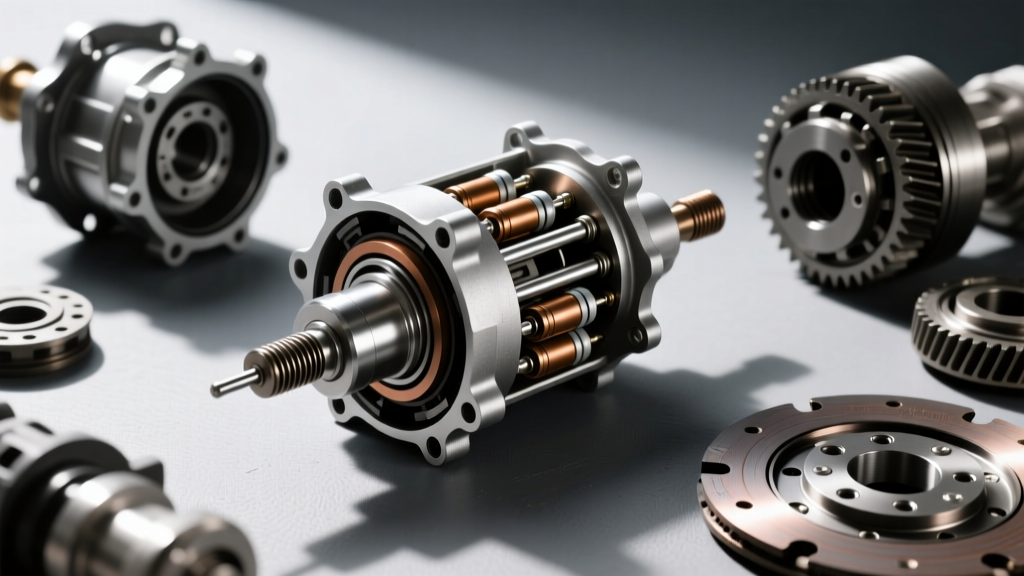
Shift the focus to a 2026 Ford F-150 equipped with a 10R80 or a Chevy Silverado with an Allison 10L1000, and the concept of 'clutch adjustment' ceases to exist. These transmissions use internal, oil-bathed multi-disc friction packs (e.g., Clutches A through F in the 10R80) actuated by hydraulic pressure via the valve body.
Failure Modes in Planetary Automatics
Clutch problems in these units manifest as slip codes (such as P0730 for incorrect gear ratio or P2784 for input/turbine speed sensor correlation). The root causes are almost entirely internal:
- Piston Seal Degradation: The rubber lip seals on the aluminum clutch pistons harden over time due to thermal cycling, allowing hydraulic pressure to bleed off. The clutch pack fails to clamp tightly, resulting in catastrophic friction material burnout.
- Valve Body Bore Wear: In units like the ZF 8HP or Ford 10R80, the aluminum valve body bores wear down from constant spool valve movement. This causes hydraulic cross-leaks, starving specific clutch packs of the line pressure required for engagement.
- Torque Converter Clutch (TCC) Shudder: The TCC is technically a clutch. Degraded friction material or contaminated fluid (lacking the correct friction modifiers) causes a 30-50 Hz shudder at highway cruising speeds.
There is no external linkage to adjust. Fixing clutch problems in these automatics requires removing the transmission, splitting the case, and installing a master overhaul kit with new frictions, steels, and upgraded Sonnax boost valves.
2026 Diagnostic & Cost Comparison: AMT vs. Planetary Automatics
For fleet managers and owner-operators deciding between spec'ing heavy-duty AMTs or traditional torque-converter automatics (like the Allison 4000 series), understanding the long-term clutch repair economics is vital.
| Diagnostic & Repair Metric | Eaton Fuller AMT (Endurant / UltraShift) | Planetary Automatic (Ford 10R80 / Allison 1000) |
|---|---|---|
| Clutch Type | Single/Dual Dry Ceramic or Organic Disc | Internal Multi-Disc Oil-Bathed Friction Packs |
| Adjustment Capability | TCM Calibration + Mechanical Linkage Check | None (Requires complete teardown) |
| Primary Diagnostic Tool | Eaton ServiceRanger (J1939 Data) | OBD-II Scanner / Hydraulic Line Pressure Gauge |
| Average Clutch Kit Cost (Parts) | $950 - $1,450 (e.g., Eaton K-3579-1) | $450 - $850 (Friction/Steel/Seal Overhaul Kit) |
| Actuator / Valve Body Cost | $1,800 - $2,600 (Automated Actuator Assembly) | $600 - $1,200 (Remanufactured Valve Body) |
| Average Labor Time (R&R) | 8 - 12 Hours (Drop axle/trans, adjust, calibrate) | 14 - 22 Hours (Remove, teardown, rebuild, reinstall) |
| Estimated Total Repair Bill | $3,200 - $5,500 | $4,500 - $7,500+ |
Buyer's Guide: Sourcing Replacement Clutch Components
When clutch problems dictate a hardware replacement, sourcing the correct components is where many shops falter. The friction requirements for an automated system are vastly different from a manual or planetary system.
Spec'ing Eaton Fuller AMT Clutch Kits
For AMT applications, you must purchase clutch kits specifically rated for automated actuation. Standard 'Easy-Pedal' or manual clutch kits often feature different damper spring rates that will confuse the AMT's TCM during the touch-point calibration, leading to immediate shudder or engagement faults. Look for Eaton-branded or certified BorgWarner kits designed for the Endurant HD or UltraShift PLUS. Ensure the kit includes the new release bearing and, crucially, a new clutch brake assembly. When installing, torque the flywheel to the crankshaft to 120-140 lb-ft (verify specific OEM crank specs) and the pressure plate to the flywheel in a star pattern to 35-45 lb-ft.
Spec'ing Planetary Automatic Overhaul Kits
If you are rebuilding a light-duty or medium-duty planetary automatic due to internal clutch failure, do not buy cheap, no-name friction packs. As noted by Transmission Digest, the friction coefficient of the paper/cellulose materials must perfectly match the transmission's OEM fluid specification (e.g., Ford MERCON ULV or Allison TES 668). Purchase master kits from Tier-1 suppliers like Raybestos Powertrain or Alto Products, which include Kolene-coated steels to resist heat warping and upgraded Viton piston seals to prevent future hydraulic bleed-off.
Preventative Maintenance: Extending Clutch Life Across Platforms
Whether you are managing a fleet of Class 8 trucks with Eaton Fuller AMTs or a delivery fleet with Ford 10R80 automatics, fluid and thermal management are your primary defenses against clutch failure.
- For Eaton Fuller AMTs: The automated clutch actuator relies on clean, dry pneumatic air (in older UltraShift models) or precise electrical connections (in newer Endurant models). Ensure the truck's air dryer is serviced annually to prevent moisture from corroding the pneumatic clutch actuator valves. Additionally, check the transmission lubricant level; the Endurant HD requires exactly 28 pints of Roadranger Synthetic Transmission Lubricant. Low fluid leads to input shaft bearing failure, which misaligns the clutch disc.
- For Planetary Automatics:Internal clutch packs generate immense heat during slip phases (especially during TCC apply or heavy towing). Install an auxiliary transmission fluid cooler if the vehicle is used for towing. Perform fluid drain-and-fills every 60,000 miles using only licensed OEM fluid to maintain the precise friction modifiers required to prevent TCC shudder and clutch pack glazing.
Final Verdict for Technicians and Fleet Buyers
Diagnosing clutch problems in 'automatic' transmissions requires a fundamental understanding of the hardware hiding behind the shift lever. If you are dealing with an Eaton Fuller AMT, remember that while the driver doesn't use a pedal, the physical dry clutch still wears, and a proper Eaton Fuller clutch adjustment relies on a hybrid of mechanical free-play verification and TCM software calibration. Conversely, if you are facing slip codes in a planetary automatic, abandon the idea of adjustments entirely; prepare your shop for a hydraulic pressure test, a valve body inspection, and a full friction pack overhaul. By matching the correct diagnostic strategy and OEM-grade replacement parts to the specific transmission architecture, you can minimize downtime and maximize drivetrain longevity in the 2026 commercial and light-duty landscape.