The Anatomy of Harley V-Twin Clutch Slip
Harley-Davidson V-Twin engines, particularly the Milwaukee-Eight 114 and 117 crate motors, generate massive low-end torque that frequently exceeds 120 lb-ft. While this provides the signature pulling power Harley riders demand, it places extraordinary stress on the primary chaincase and clutch assembly. When the clamping force of the diaphragm spring is overcome by engine torque, the friction plates lose their grip, resulting in clutch slip. In 2026, as aftermarket big-bore kits and aggressive cam profiles become even more prevalent, diagnosing and preventing clutch slip is a critical pillar of V-Twin maintenance. For many riders, the ultimate mechanical solution is upgrading from a legacy cable setup to a precision-engineered harley davidson hydraulic clutch conversion kit.
Recognizing the Symptoms of a Slipping Harley Clutch
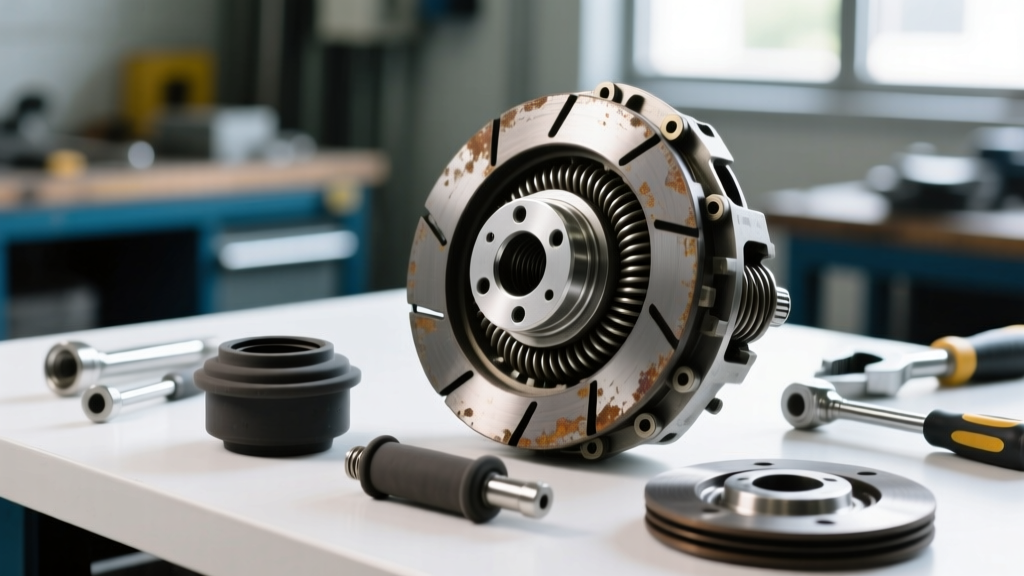
Clutch slip rarely happens catastrophically without warning. It manifests through a series of progressive symptoms that astute riders and technicians can identify before the friction material is completely destroyed, which would otherwise score the steel plates and damage the inner clutch hub.
The RPM vs. Speed Disconnect
The most definitive symptom of a slipping clutch is an RPM flare without a corresponding increase in road speed. This is most easily felt when lugging the engine in 5th or 6th gear at highway speeds (around 2,800 RPM) and rolling on the throttle to pass. If the tachometer spikes to 3,500+ RPM but your speedometer remains static, the clutch pack is slipping. The immense torque is overcoming the friction coefficient of the plates.
The Fading Lever Phenomenon
As the primary chaincase heats up during a long ride, the primary oil thins out. If your clutch relies on a mechanical cable, thermal expansion of the metal components and the outer cable housing can alter the actuation geometry. You may notice the clutch lever feeling 'spongy' or requiring constant readjustment via the barrel adjuster to maintain the same engagement point. This inconsistent pressure directly leads to micro-slipping under load.
Primary Chaincase Contamination
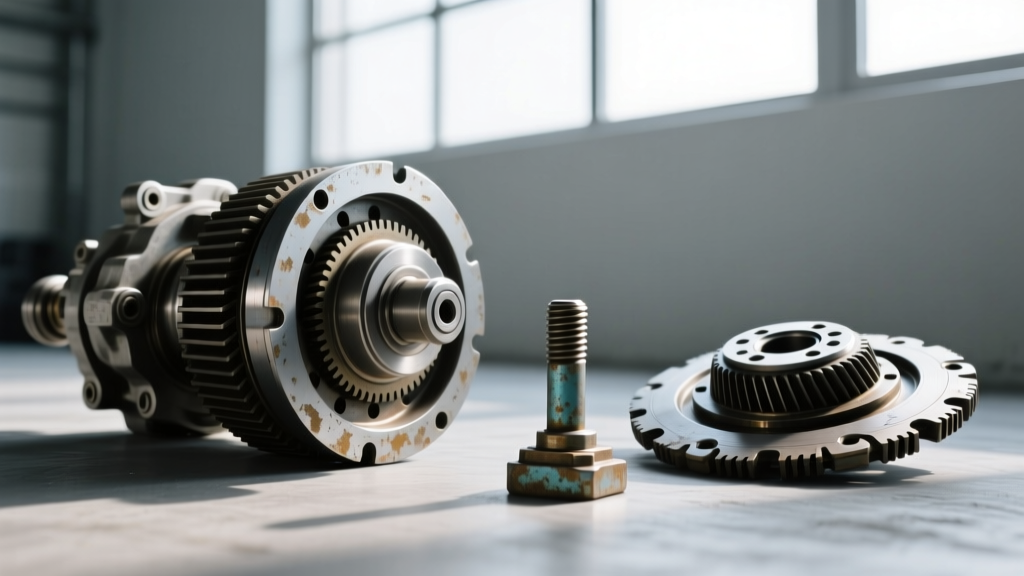
A slipping clutch generates intense localized heat and sheds friction material. If you drain your primary fluid and it smells distinctly burnt, or if you find a heavy, dark metallic and Kevlar sludge on the magnetic drain plug, your clutch pack is actively deteriorating. This contaminated fluid loses its ability to lubricate the primary chain and compensator sprocket, leading to secondary drivetrain failures.
Diagnostic Measurements: When to Replace
Before installing any upgrade kit, a proper teardown and measurement of the existing clutch pack is mandatory. Guesswork leads to repeat failures. Use a micrometer (not standard calipers) to measure the friction plates, and a feeler gauge on a machined surface plate to check the steel plates.
| Component | Measurement Type | New Specification | Service Limit (Replace) |
|---|---|---|---|
| Friction Plates | Thickness | 0.146' - 0.152' | Below 0.120' |
| Steel Separator Plates | Warpage / Runout | 0.000' - 0.002' | Exceeds 0.004' |
| Diaphragm Spring Fingers | Wear Groove Depth | 0.000' | Exceeds 0.020' |
| Clutch Hub Lugs | Notching / Galling | Smooth | Any visible burrs or notching |
If your steel plates show heat bluing (a rainbow or dark blue tint), they have lost their temper and surface hardness. They must be replaced, as blued plates will rapidly destroy new friction discs.
Why Cable Actuation Fails: The Case for Hydraulics
The traditional Harley-Davidson Bowden cable clutch system is inherently flawed for high-torque applications. Over time, the inner steel wire stretches, and the outer synthetic-lined housing compresses. When you pull the lever, a significant percentage of your mechanical effort is wasted compressing the housing rather than actuating the clutch release bearing. Furthermore, cable systems are highly susceptible to friction and binding, leading to an uneven release and incomplete engagement, which causes the diaphragm spring to 'ride' the friction pack rather than clamp it fully.
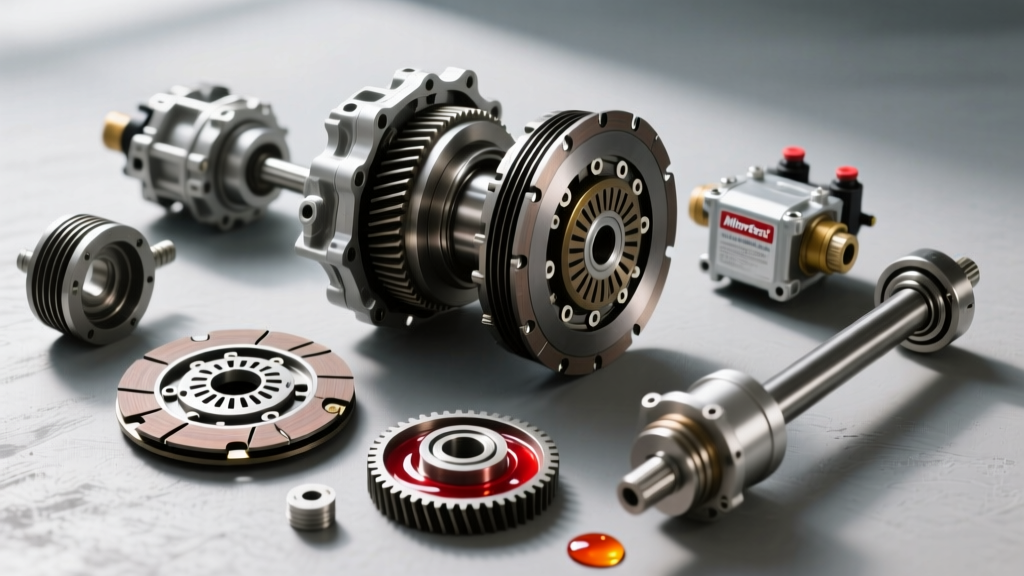
This is where a high-quality harley davidson hydraulic clutch conversion kit becomes the ultimate preventive maintenance upgrade. By replacing the mechanical cable with a master cylinder, hydraulic line, and slave cylinder (or direct-acting hydraulic release bearing), you eliminate mechanical stretch and housing compression. Hydraulic fluid is incompressible, guaranteeing that 100% of your lever effort is translated into consistent, unwavering clamping force on the diaphragm spring, regardless of engine heat or ambient temperature.
Master Cylinder Bore Sizing: 11/16' vs. 3/4'
When selecting a conversion kit from manufacturers like Barnett Tool & Engineering or Performance Machine, you will typically choose between an 11/16-inch and a 3/4-inch master cylinder bore. This choice dictates your lever feel and clamping pressure:
- 11/16-Inch Bore: Provides a lighter lever pull with slightly more lever travel. This is the ideal street setup for riders who want effortless clutch actuation in stop-and-go traffic while still providing sufficient clamping force for stock to Stage II engines.
- 3/4-Inch Bore: Moves more fluid volume per stroke, resulting in a firmer lever feel and less lever travel. This setup is recommended for heavy-duty touring bags, trikes, or engines equipped with high-torque big-bore kits (124ci+) and aftermarket high-pressure diaphragm springs.
Preventive Maintenance and Installation Specifications
Installing a hydraulic conversion kit requires strict adherence to torque specifications and fluid compatibility. The primary chaincase and the hydraulic master cylinder are two entirely separate systems that must never cross-contaminate.
Primary Side Reassembly Specs
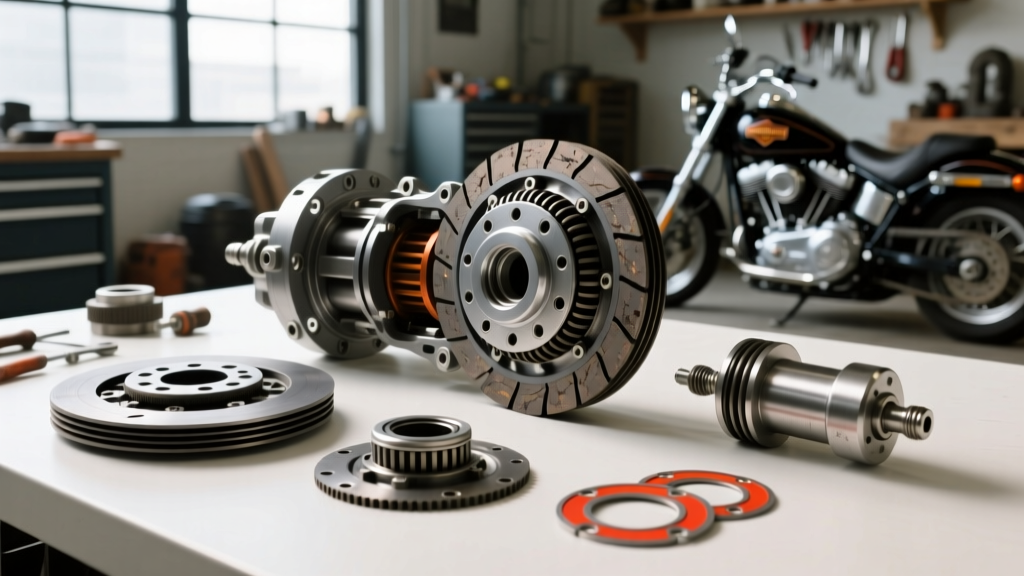
When reinstalling the clutch hub and primary drive components after inspecting the plates, use a torque wrench and fresh threadlocker. The clutch hub center nut is torqued to 70-80 ft-lbs (verify thread direction for your specific year; most modern chain-drive models use a right-hand thread, while the compensator sprocket nut is left-hand). The primary chaincase cover bolts must be torqued in a crisscross pattern to 84-108 in-lbs to prevent warping the aluminum cover and causing oil leaks.
Hydraulic System Bleeding and Fluid Selection
The most common cause of post-conversion clutch slip or dragging is trapped air in the hydraulic line. Air is compressible; if left in the system, the lever will feel spongy, and the slave cylinder will not push the release bearing far enough to fully disengage the clutch, causing it to drag when shifting, or fail to clamp fully when released, causing slip.
Always use a high-quality DOT 4 synthetic brake fluid (such as Motul RBF 600 or Castrol SRF) in your hydraulic master cylinder. Never use DOT 5 Silicone fluid in a hydraulic conversion kit unless the kit's seals are explicitly manufactured for silicone. DOT 5 does not absorb moisture, but it is highly compressible and prone to trapping micro-bubbles, leading to a spongy lever and inconsistent clutch engagement. When bleeding, use a vacuum bleeder at the slave cylinder banjo bolt, and ensure the master cylinder reservoir never runs dry during the process.
Primary Chain Tension
A slipping clutch is often misdiagnosed when the actual culprit is a loose primary chain jumping teeth on the clutch hub sprocket. After reassembly, check the primary chain tension. With the engine cold and the rear wheel on the ground, the bottom run of the primary chain should have exactly 3/8-inch to 1/2-inch of up-and-down play. Adjust via the primary chain tensioner shoe, and re-torque the tensioner bolt to 21-25 ft-lbs.
Authoritative Sources and Further Reading
For exact part numbers, fitment guides, and OEM service manual specifications, consult the following authoritative resources:
- Barnett Tool & Engineering - Industry leaders in heavy-duty clutch packs and hydraulic conversion kits for American V-Twins.
- J&P Cycles - Comprehensive fitment databases and pricing for Milwaukee-Eight and Twin Cam drivetrain components.
- Motul Lubricants - Technical data sheets on DOT 4 and DOT 5.1 hydraulic fluid boiling points and compressibility ratings.
By understanding the mechanical limitations of cable actuation and strictly adhering to diagnostic measurement limits, you can eliminate V-Twin clutch slip. Upgrading to a hydraulic system not only solves chronic slipping but transforms the overall ride quality, ensuring your drivetrain can handle the torque your engine produces for thousands of miles.