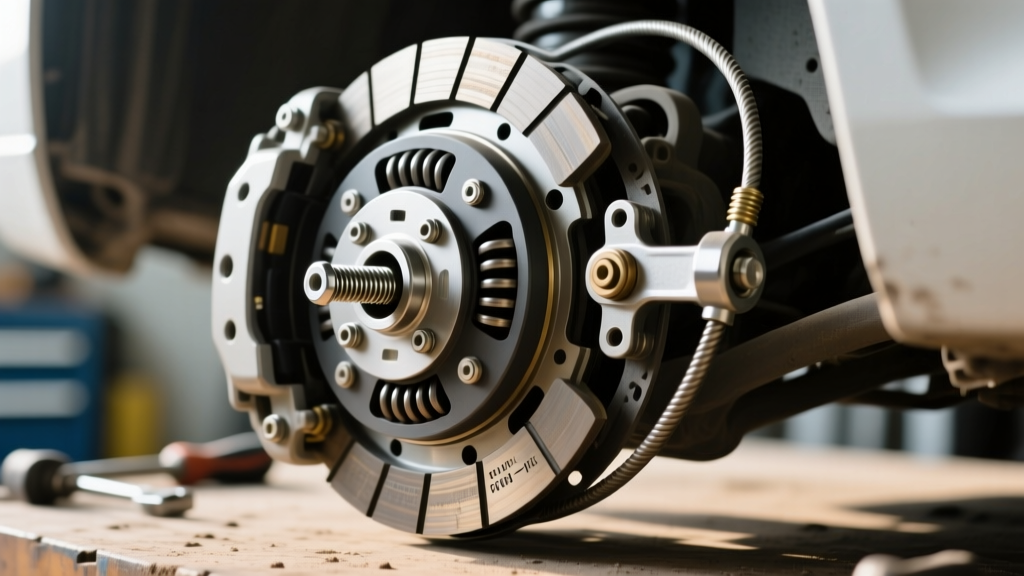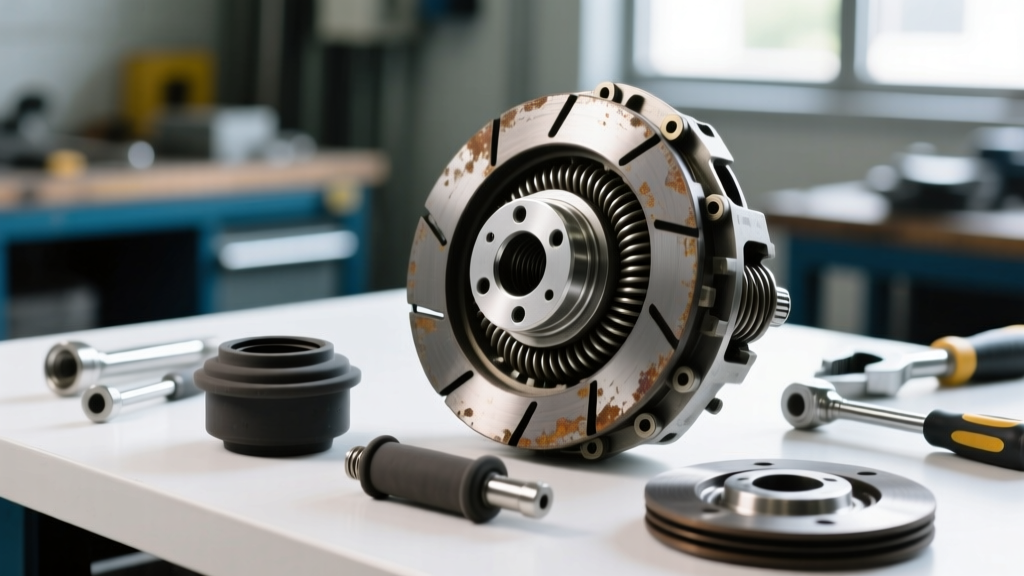
The Role of the Fan Clutch in DT466E Thermal Management
The International DT466E 7.6L inline-six diesel engine is a legendary workhorse in medium-duty commercial fleets, bucket trucks, and school buses. However, managing the immense thermal load generated by this engine requires a highly efficient cooling system. At the heart of this system is the fan clutch, a critical component that dictates airflow through the radiator and charge air cooler. As we navigate the 2026 heavy-duty maintenance landscape, fleet managers and performance enthusiasts are increasingly recognizing that the fan clutch is not just a cooling device, but a major factor in overall drivetrain efficiency.
Parasitic Loss vs. Cooling Demand
A common misconception in commercial diesel tuning is that a locked or solid fan clutch improves performance. In reality, a permanently engaged fan on a DT466E can consume between 40 and 60 horsepower at high RPMs. This parasitic loss drastically reduces fuel economy, increases acoustic cabin noise, and accelerates wear on the water pump bearings and serpentine belt tensioner. A properly functioning thermal or air-actuated fan clutch disengages during highway cruising, freeing up horsepower and improving fuel efficiency by up to 4%. Upgrading to a modern, precision-controlled severe-duty fan clutch is one of the most effective performance and reliability modifications you can make to a DT466E platform.
Diagnosing DT466E Fan Clutch Failures in Commercial Fleets
Identifying a failing fan clutch early prevents catastrophic engine overheating and secondary drivetrain damage. The DT466E typically utilizes either a thermal viscous clutch or an ECM-controlled air-actuated solenoid clutch, depending on the chassis application (e.g., International 4300 vs. 4900 series). Symptoms of failure often manifest in distinct ways based on the clutch type.
- Continuous Roaring Noise: If the fan sounds like a jet engine upon cold startup and never quiets down as the engine warms up, the viscous fluid has likely degraded, or the bimetallic strip is stuck in the open position.
- Low-Speed Overheating: Slipping clutches fail to engage when coolant temperatures exceed 210°F. This is highly prevalent in PTO (Power Take-Off) applications like dump trucks or wreckers that idle for long periods under heavy load.
- Check Engine Light (CEL):strong> Air-actuated systems will trigger specific J1939 fault codes. Look for SPN 647 (Fan Clutch Circuit Open/Short) or SPN 648 (Fan Clutch Mechanical Failure). These indicate electrical solenoid issues or severe internal bearing seizure.
- Water Pump Bearing Failure: A severely unbalanced or seized fan clutch places asymmetric radial loads on the water pump shaft, leading to premature coolant leaks and bearing howl.
OEM vs. Severe-Duty Performance Upgrades
When replacing a failed unit, fleet operators must decide between standard OEM replacements and severe-duty performance upgrades. Standard OEM clutches are designed for general highway use, whereas severe-duty clutches feature higher torque capacities, faster engagement times, and reinforced housings for vocational environments. Below is a comparison of the top options available for the DT466E platform.
| Brand / Model | Type | Engagement Temp | Torque Capacity | Est. Price Range |
|---|---|---|---|---|
| Navistar OEM (1831692C91) | Thermal Viscous | 195°F - 205°F | Standard | $350 - $450 |
| Horton HTFS Severe Duty | Air-Actuated (Spring Engage) | ECM Controlled | High (Up to 300 lb-ft) | $550 - $750 |
| Kysor K53-021 Extreme | Thermal Viscous (Heavy Silicone) | 185°F - 195°F | Medium-High | $400 - $500 |
Top Upgrade Paths for 2026 Heavy-Duty Applications
For trucks operating in severe environments—such as snowplows, heavy wreckers, or high-GVWR timber trucks—upgrading to an air-actuated system like the Horton HTFS (High Torque Fan System) is the gold standard. These systems use a spring-engaged, air-disengaged design. If an air line ruptures, the clutch defaults to the fully engaged position, guaranteeing maximum cooling and preventing engine meltdown. Furthermore, the ECM can command engagement based on A/C high-side pressure or transmission fluid temperatures, offering holistic thermal management that a simple thermal strip cannot achieve.
Step-by-Step Replacement and Torque Specifications
Replacing the fan clutch on a DT466E requires precision. Improper torque or misalignment will lead to fan blade interference with the radiator shroud, resulting in catastrophic cooling system failure. Always use a calibrated torque wrench and follow Navistar International service guidelines.
Critical Fastener Specs and Clearances
- Fan Blade to Clutch Mounting: The fan blade assembly (often part number 1831281C91) mounts to the clutch face using 3/8-inch or 10mm hardware. Torque these bolts to 32 - 40 lb-ft in a star pattern to prevent warping the clutch faceplate.
- Clutch to Hub/Pulley Mounting: The central retaining nut or bolt securing the clutch to the water pump hub must be torqued to 85 - 95 lb-ft. Apply a medium-strength threadlocker (e.g., Loctite 243) to prevent vibration-induced backing out.
- Hub to Water Pump Shaft: If the hub is being replaced, the central shaft bolt requires 110 - 130 lb-ft.
- Shroud Clearance: Maintain a minimum radial clearance of 1.5 inches between the fan blade tips and the shroud. The fan should be centered 50/50 within the shroud depth to optimize air draw and prevent tip vortex turbulence.
Advanced Troubleshooting: Electrical and Air-Line Diagnostics
When dealing with ECM-controlled air clutches on the DT466E, mechanical replacement is only half the battle. Technicians must verify the pneumatic and electrical control circuits. Begin by checking the air supply pressure at the solenoid valve; it should read between 90 and 120 psi with the engine running and tanks fully charged. A clogged inline desiccant filter is a frequent culprit for sluggish clutch disengagement.
Electrically, use a digital multimeter to verify that the ECM is sending a 12V reference signal to the solenoid when coolant temps drop below the disengagement threshold (typically 190°F). If voltage is present but the solenoid fails to click, the internal coil is likely burnt out. According to technical bulletins from Kysor HVAC, moisture ingress into the solenoid connector is the leading cause of SPN 647 faults. Always apply dielectric grease to the pigtail connector during reassembly and route the wiring harness away from the exhaust manifold and steering gear to prevent chafing.
Pro-Tip for Fleet Technicians: To manually test a thermal viscous clutch without running the engine, remove the clutch and suspend it in a controlled hot-water bath or use an industrial heat gun. Monitor the bimetallic strip on the front face; it should visibly rotate and open the internal valve when the faceplate reaches approximately 195°F. If the strip is sluggish or the internal valve is clogged with degraded silicone fluid, immediate replacement is mandatory.
By prioritizing severe-duty upgrades and adhering to strict torque and clearance specifications, fleet operators can eliminate DT466E cooling bottlenecks, reclaim lost horsepower, and significantly extend the service life of the entire front-end accessory drive system.