The Hidden Culprit Behind DCT Clutch Shudder and Slipping
When diagnosing clutch problems in automatic transmissions—specifically automated manuals like Ford’s PowerShift lineup—fluid degradation is frequently the prime suspect. Unlike traditional torque-converter automatics, Dual Clutch Transmissions (DCTs) rely on precise hydraulic pressure and specialized friction modifiers to actuate mechatronic clutch packs. If you are experiencing low-speed shudder, harsh 2nd-to-3rd gear engagements, or a 'Transmission Overheating' dash warning, finding a reliable motorcraft dual clutch transmission fluid equivalent is critical to restoring drivability without paying dealership markup.
In this 2026 buyer's guide and diagnostic manual, we break down the exact OEM specifications, compare the best aftermarket equivalents, and provide the mechanical torque specs and diagnostic PIDs needed to determine if your DCT needs a fluid service or a complete clutch pack replacement.
The Anatomy of DCT Clutch Problems in 'Automatic' Transmissions
Consumers often group DCTs with traditional automatics, but mechanically, they are manual transmissions controlled by a mechatronic valve body. Ford primarily utilized two Getrag-designed DCTs in the North American and global markets:
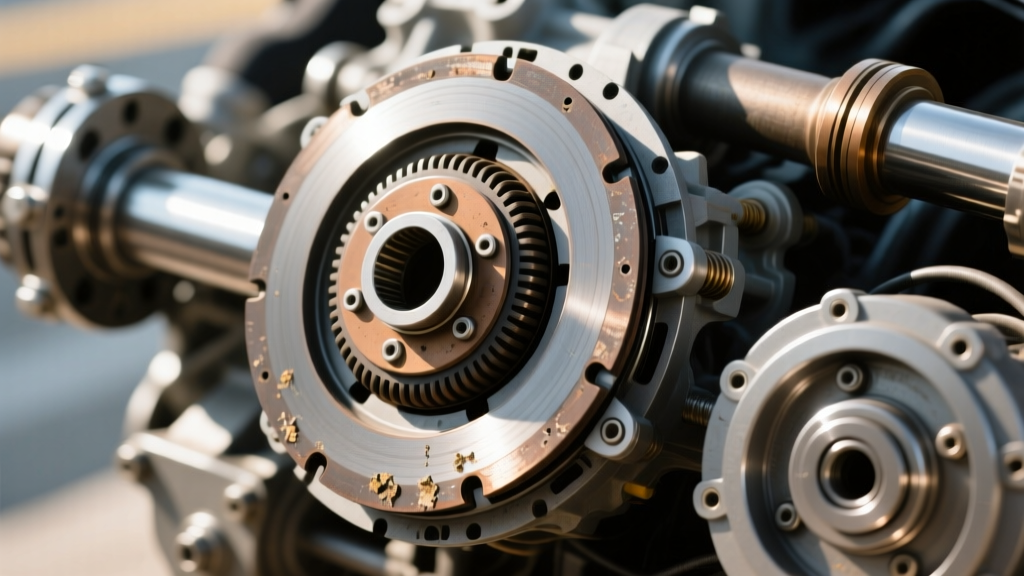
- Getrag 6DCT250 (Ford DPS6): A dry-clutch DCT found in the Fiesta and Focus. It uses two dry friction plates, similar to a traditional manual, but requires highly specific fluid to lubricate the synchronizers and mechatronic actuators without contaminating the dry clutch friction material.
- Getrag 6DCT450 (Ford MPS6): A wet-clutch DCT used in heavier applications like the Edge, Mondeo, and Kuga. The clutch packs are bathed in fluid, requiring extreme shear stability and anti-foaming agents to prevent hydraulic cavitation in the solenoid valves.
Using standard ATF (such as MERCON LV or ULV) in either of these units will lead to catastrophic mechatronic failure, synchronizer ring grinding, and immediate clutch pack burnout. The friction modifiers in DCT fluid are engineered to maintain a precise coefficient of friction during the 'touch point'—the exact millisecond the clutch begins to engage.
OEM vs. Aftermarket: Sourcing the Right Fluid
The OEM fluid for Ford's dry-clutch DPS6 is typically Motorcraft Dual Clutch Transmission Fluid (Part Number: XT-11-QDC), which meets the stringent WSS-M2C200-D2 specification. For the wet-clutch MPS6, the requirement shifts to WSS-M2C936-A. While sourcing directly from the Motorcraft Official Chemicals Catalog is the safest route, global supply chain shifts in 2026 have made high-quality aftermarket equivalents a viable, and sometimes superior, option for high-mileage vehicles.
2026 Comparison Chart: Top Motorcraft DCT Fluid Equivalents
| Brand & Product | Ford Spec Match | Price (Approx.) | Best Application |
|---|---|---|---|
| Motorcraft XT-11-QDC (OEM) | WSS-M2C200-D2 | $12.50 / Qt | Warranty compliance, low-mileage DPS6 |
| Castrol Transmax Dual | WSS-M2C936-A / D2 | $10.99 / Qt | Wet & Dry multi-use, high availability |
| Liqui Moly 8100 DCT Gear Oil | Multi-Spec (incl. Ford) | $14.50 / L | High-temp tracking, severe duty MPS6 |
| Motul Multi DCTF | WSS-M2C936-A | $13.00 / L | Wet-clutch anti-shudder longevity |
| Valvoline Full Synthetic DCT | WSS-M2C200-D2 | $9.50 / Qt | Budget-friendly dry clutch flush |
Note: Always verify the back-label specification sheet against your vehicle's owner's manual. Formulations can change annually.
Diagnosing Fluid-Related Slipping vs. Mechanical Wear
Before purchasing an equivalent fluid and performing a drain-and-fill, you must confirm whether the clutch shudder is caused by degraded friction modifiers or physical wear on the clutch friction discs. According to diagnostic protocols outlined by FORScan Diagnostic Software Documentation, you can isolate the issue using OBD2 PIDs.
The Clutch Slip RPM Test
Using an advanced bi-directional scan tool, monitor the CLUTCH_SLIP_RPM PID while driving at a steady 45 mph in 5th or 6th gear under moderate load (around 15% throttle).
- 0 to 15 RPM Slip: Normal operation. The mechatronic unit is maintaining perfect hydraulic pressure.
- 15 to 50 RPM Slip: Fluid degradation. The friction modifiers have depleted, causing micro-slippage. A fluid exchange with a high-quality equivalent like Castrol Transmax Dual usually resolves this.
- > 50 RPM Slip (or Surging): Mechanical wear. The clutch pack thickness has worn beyond the mechatronic unit's stroke limit, or the throw-out bearing fork has cracked (a common DPS6 failure). Fluid will not fix this; clutch replacement is required.
Performing a Touch Point Adaptation
Whenever you replace DCT fluid, the hydraulic viscosity changes slightly as the new fluid's anti-foaming agents activate. You must perform a 'Clutch Touch Point Adaptation' via your scan tool. This forces the Transmission Control Module (TCM) to relearn the exact millimeter position where the clutch begins to bite. Skipping this step is the number one reason DIYers experience lingering shudder after a fluid service.
Service Specifications: Capacities and Torque Settings
DCTs are highly sensitive to fluid levels. An under-filled DPS6 will starve the mechatronic actuator motors, leading to 'Shift Fork Position' codes (e.g., P090C). An over-filled MPS6 will cause the rotating clutch drums to whip the fluid into a foam, resulting in hydraulic cavitation and harsh shifts.
Getrag 6DCT250 (DPS6 Dry Clutch) Service Specs
- Fluid Capacity: 1.9 Liters (approx. 2.0 Quarts)
- Drain Plug Torque: 35 Nm (26 lb-ft)
- Fill/Level Plug Torque: 35 Nm (26 lb-ft)
- Procedure: The vehicle must be perfectly level. Remove the fill plug before the drain plug. Fill until fluid weeps out of the fill hole, install the plug, then cycle the ignition to 'ON' (engine off) to allow the mechatronic pump to prime before final leveling.
Getrag 6DCT450 (MPS6 Wet Clutch) Service Specs
- Fluid Capacity: 7.2 Liters (approx. 7.6 Quarts) including filter
- Drain Plug Torque: 40 Nm (30 lb-ft)
- Filter Housing Bolts: 11 Nm (8 lb-ft) - Do not overtighten; the aluminum housing cracks easily.
- Procedure: Requires a specialized fill pump to push fluid into the side-fill port while the transmission is at an operating temperature of 40°C (104°F).
Expert Warning: Never use a pneumatic fluid exchange machine on a DCT. The high pressure can blow out the internal Teflon sealing rings on the mechatronic clutch actuator pistons. Always use a gravity or low-pressure manual pump.
Final Verdict: Which Equivalent Should You Choose?
If you are maintaining a low-mileage Focus or Fiesta with the dry DPS6, sticking to the OEM Motorcraft XT-11-QDC is the best way to preserve the factory shift feel and ensure warranty compliance. However, for out-of-warranty vehicles, or those operating in severe stop-and-go traffic where heat degrades fluid rapidly, Castrol Transmax Dual offers exceptional shear stability and meets both Ford WSS-M2C200-D2 and WSS-M2C936-A specifications, making it a versatile, cost-effective equivalent.
For wet-clutch MPS6 owners experiencing slight low-speed shudder, stepping up to Liqui Moly 8100 DCT Gear Oil provides superior thermal resistance, as documented in independent Liqui Moly DCT Gear Oil Specifications testing. By pairing the correct fluid equivalent with a strict 40,000-mile service interval and mandatory TCM adaptations, you can effectively eliminate the notorious DCT clutch shudder and extend the life of your mechatronic unit well past 150,000 miles.