The True Cost of Harley Clutch Actuation: Cable vs. Hydraulic Systems
When diagnosing drivetrain issues on a Harley-Davidson, the actuation system is a primary suspect for slipping, dragging, or erratic engagement. Whether you are wrestling with mechanical clutch cable problems on a classic Twin Cam Dyna or performing a precise Harley hydraulic clutch adjustment on a modern Milwaukee-Eight touring model, understanding the financial and mechanical implications is critical. In 2026, dealership labor rates have surged, making the cost delta between DIY maintenance and professional service wider than ever.
This comprehensive cost analysis breaks down the pricing, failure modes, and adjustment procedures for both cable-actuated and hydraulic-actuated Harley clutch systems. We will examine OEM versus aftermarket part costs, the hidden expenses of neglected maintenance, and the exact torque specifications required to keep your primary drive operating flawlessly.
Diagnosing Clutch Cable Problems & Replacement Costs
Before hydraulic systems became the standard across most of the Harley-Davidson lineup (starting heavily with the 2007+ Softails and later Touring models), mechanical cables were the sole link between the lever and the clutch release mechanism. Even today, many cruisers and custom builds rely on them. Clutch cable problems typically manifest as stretching, fraying at the ferrules, or binding within the Teflon-lined housing.
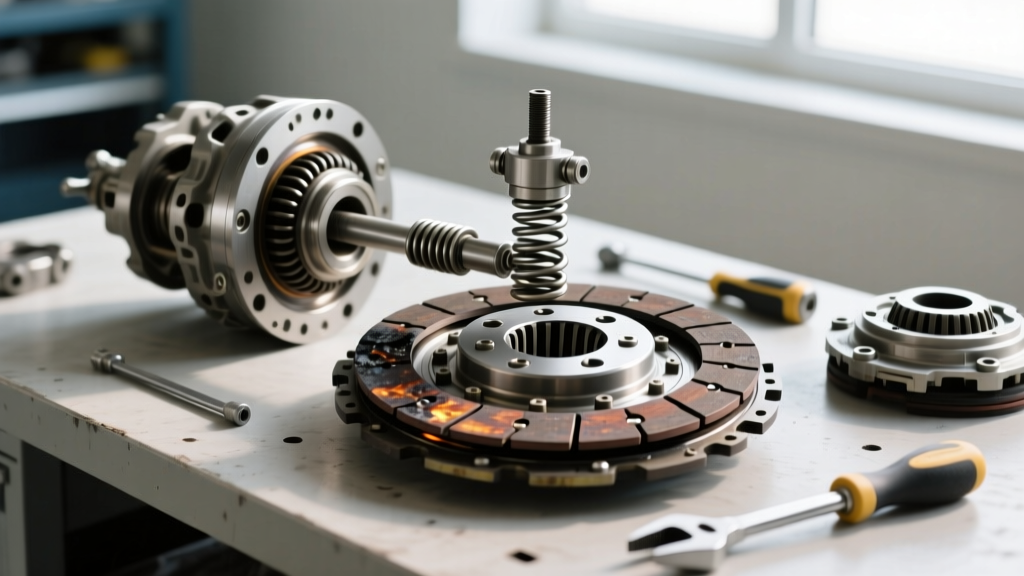
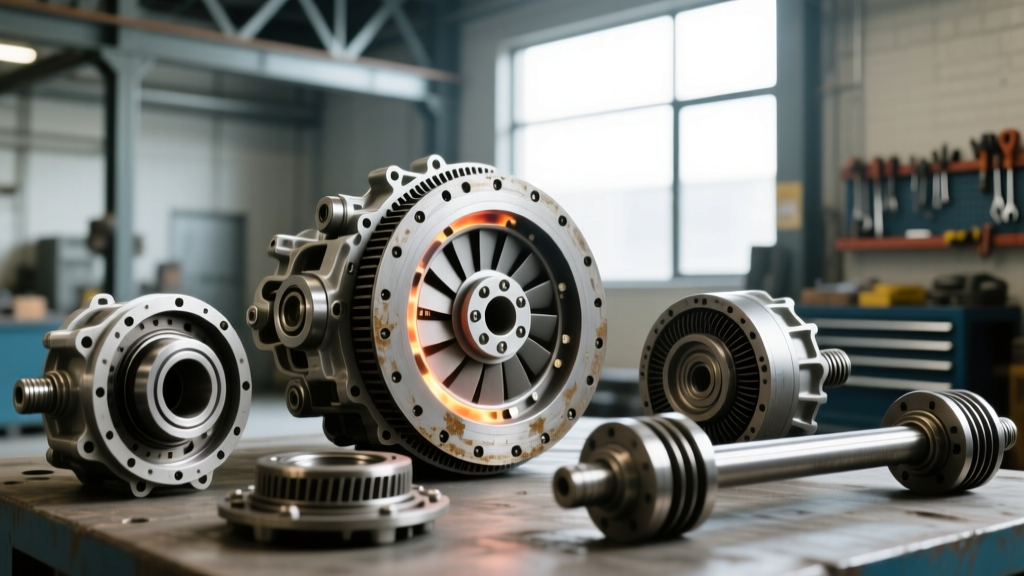
A stretched cable prevents full clutch engagement, leading to premature wear on the friction plates. A binding cable prevents full disengagement, causing the bike to 'creep' forward at stoplights and making neutral difficult to find. Ignoring these symptoms can lead to a burnt clutch pack—a repair that pushes the total cost well past $450 when factoring in primary gaskets, fluid, and labor.
2026 Clutch Cable Price Comparison
| Component Type | Brand / Source | Average 2026 Price | Notes |
|---|---|---|---|
| OEM Replacement Cable | Harley-Davidson | $75.00 - $95.00 | Exact fit, standard lifespan |
| Platinum Series Cable | Barnett | $115.00 - $145.00 | Kevlar-reinforced, smoother pull, custom lengths available |
| Economy Replacement | Drag Specialties | $45.00 - $60.00 | Budget-friendly, shorter lifespan |
| Clutch Friction Plate Kit | OEM / Screamin' Eagle | $180.00 - $240.00 | Required if cable stretch caused severe slipping |
Source: Pricing aggregated from major aftermarket distributors and OEM portals, reflecting early 2026 MSRP averages.
The Economics of Harley Hydraulic Clutch Adjustment
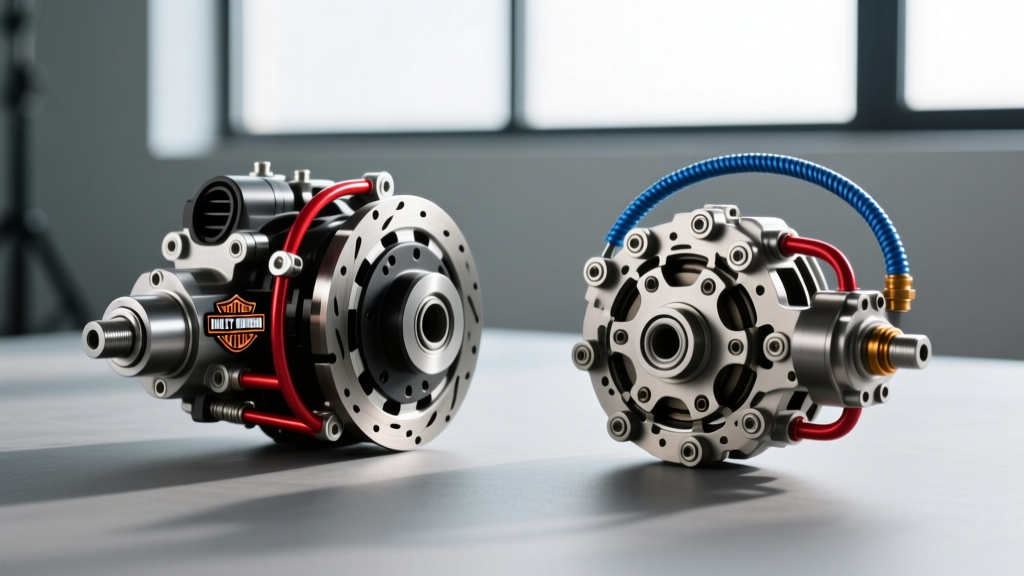
A common misconception among newer riders is that a hydraulic clutch is entirely self-adjusting and maintenance-free. While a hydraulic master cylinder and slave/pushrod assembly eliminate the mechanical stretch associated with steel cables, they still require periodic adjustment and fluid maintenance. The Harley hydraulic clutch adjustment primarily involves setting the free play at the lever and adjusting the pushrod clearance at the transmission side to ensure the throwout bearing isn't under constant load.
If the pushrod is adjusted too tightly against the clutch release mechanism, the hydraulic fluid will expand as the engine heats up, applying unintended pressure to the clutch pack. This results in catastrophic slipping and glazing of the friction discs.
Hydraulic System Component & Maintenance Costs
| Maintenance / Part | DIY Cost | Dealership Cost (2026) | Service Interval |
|---|---|---|---|
| Hydraulic Fluid Flush (DOT 5) | $12.00 - $18.00 | $85.00 - $110.00 | Every 2 years / 20,000 miles |
| Master Cylinder Rebuild Kit | $35.00 - $55.00 | $250.00+ (Labor + Kit) | As needed (leaking/soft lever) |
| OEM Master Cylinder Assembly | $220.00 - $280.00 | $450.00+ (Installed) | Upon internal failure |
| Pushrod / Slave Rebuild Kit | $40.00 - $65.00 | $300.00+ (Requires primary teardown) | As needed |
For the DIY mechanic, performing a Harley hydraulic clutch adjustment and fluid bleed costs less than $20 in materials and takes about 45 minutes. At a dealership charging an average of $155 per hour in 2026, that same service will easily exceed $130 on the final invoice.
2026 Labor Rate Analysis: Dealership vs. Independent Shops
When clutch cable problems or hydraulic failures require professional intervention, your choice of shop drastically impacts the bottom line. According to recent data discussed across major community hubs like HD Forums, the national average for Harley-Davidson dealership labor has climbed to between $145 and $175 per hour in major metropolitan areas. Independent motorcycle mechanics specializing in V-Twins typically charge between $100 and $125 per hour.
Cost Scenario: Complete Clutch Cable Replacement & Adjustment
- Dealership: 1.2 hours labor ($180) + OEM Cable ($85) + Primary Fluid ($25) = $290.00
- Independent Shop: 1.2 hours labor ($120) + Barnett Cable ($130) + Primary Fluid ($25) = $275.00
- DIY Driveway: Barnett Cable ($130) + Primary Fluid ($25) = $155.00
Critical Torque Specs and Adjustment Measurements
Whether you are resolving clutch cable problems or executing a Harley hydraulic clutch adjustment, precision is non-negotiable. Over-torquing primary case bolts or under-tightening hydraulic banjo bolts will lead to stripped threads, fluid leaks, and massive repair bills.
Clutch Cable Free Play & Adjustment Specs
- Lever Free Play: Measure at the end of the lever grip. You need exactly 1/16" to 1/8" of free play before you feel the resistance of the clutch spring.
- Cable Adjuster Locknut: Once the threaded adjuster on the cable housing is set, tighten the locknut to 10-15 ft-lbs.
- Derby Cover Screws: The primary chain inspection cover screws are easily stripped. Torque to 84-108 in-lbs (inch-pounds, NOT foot-pounds). Always use a crisscross pattern.
Hydraulic Pushrod Adjustment Procedure
For hydraulic models, the adjustment happens at the clutch release mechanism inside the primary drive.
- Remove the derby cover and primary fluid to access the clutch release mechanism.
- Loosen the locknut on the pushrod adjuster.
- Turn the adjuster screw inward until you feel it seat against the clutch release bearing.
- Back the adjuster screw out exactly 1/4 to 1/2 turn to establish the necessary mechanical clearance.
- Hold the adjuster screw in place and tighten the locknut to 15 ft-lbs.
- Refill the primary with the correct volume of Harley-Davidson Formula+ or SYN3 20W-50 (typically 32-38 oz depending on the model year and primary pan depth).
Hydraulic Fluid & Banjo Bolt Specifications
Harley-Davidson has historically specified DOT 5 Silicone-based fluid for its hydraulic clutches and brakes. DOT 5 is purple and non-hygroscopic (it does not absorb water). However, it is imperative to check your specific 2024-2026 model's service manual, as some newer ABS-integrated systems may specify DOT 4 or DOT 5.1 (Glycol-based). Never mix DOT 5 with DOT 4/5.1; doing so will destroy the master cylinder seals and require a complete $300+ system replacement.
- Banjo Bolt Torque: 15-18 ft-lbs (Use new copper/aluminum crush washers every time to prevent weeping).
- Master Cylinder Mounting Bolts: 80-100 in-lbs.
Summary: Protecting Your Drivetrain Investment
Clutch cable problems and hydraulic adjustment neglect are the leading causes of premature clutch pack failure on Harley-Davidson motorcycles. By spending $15 on DOT 5 fluid and 20 minutes in your garage, you can avoid the $500+ dealership bill associated with replacing glazed friction plates and a scored clutch hub. Whether you opt for the tactile feedback of a high-quality Barnett cable or the effortless pull of a properly bled hydraulic master cylinder, adhering to strict torque specs and free-play measurements will ensure your bike shifts cleanly for tens of thousands of miles.