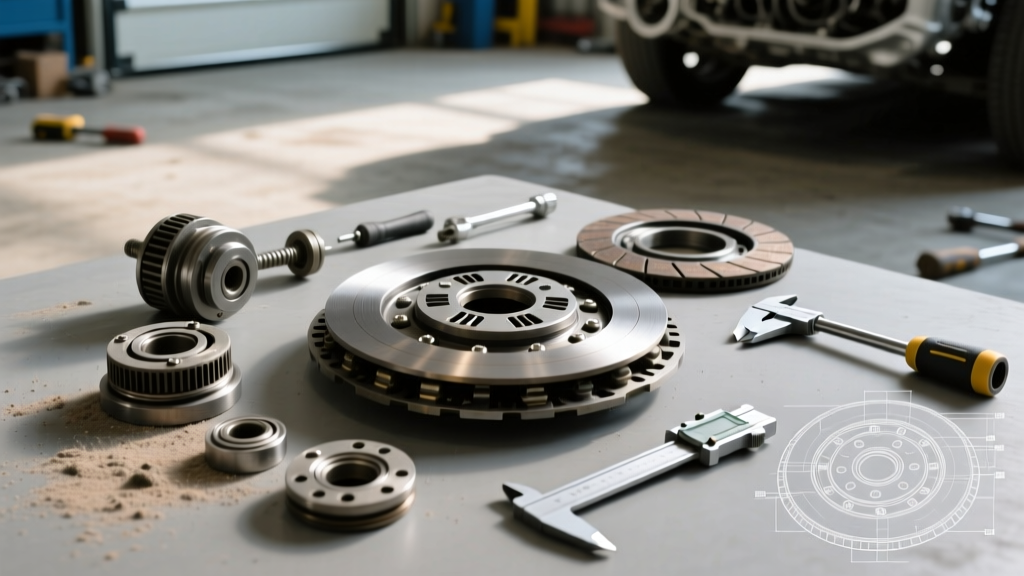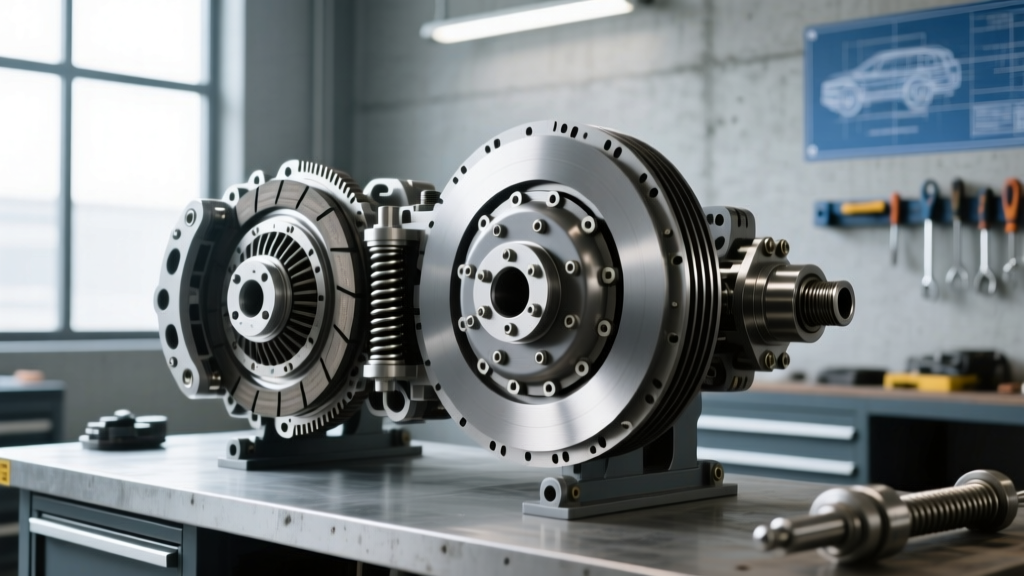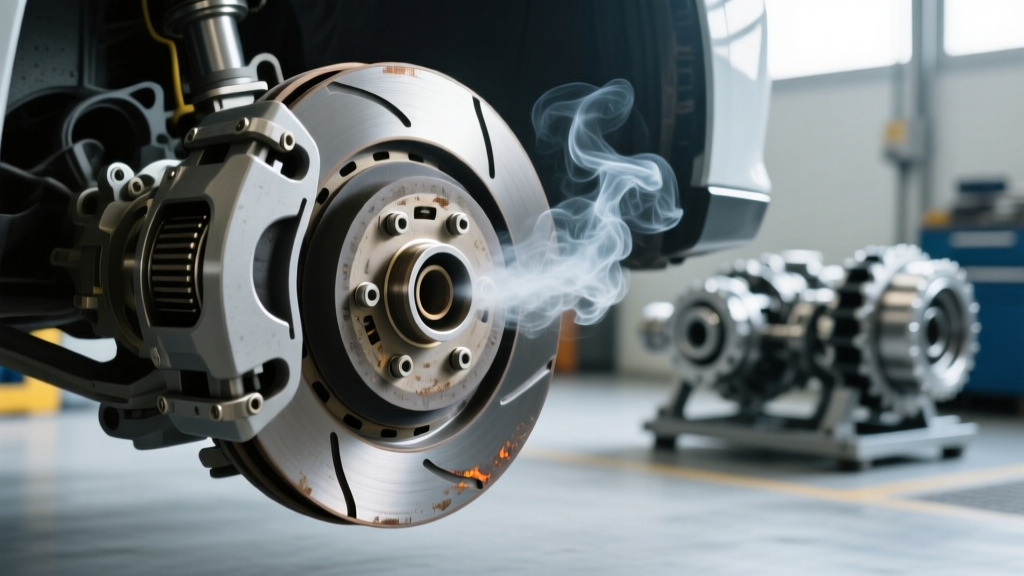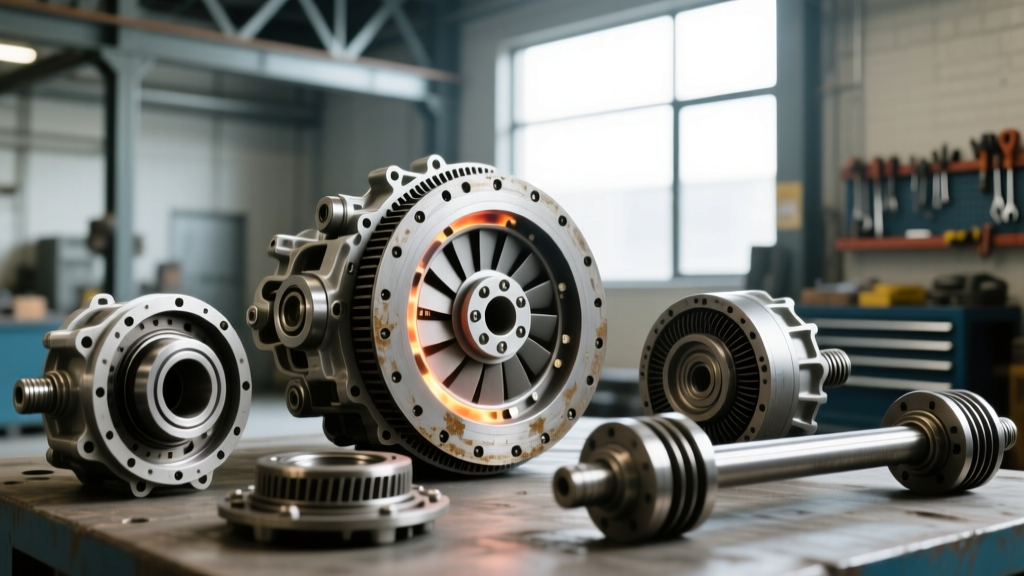
When a whirring, grinding, or roaring noise emanates from the front of a manual transmission vehicle, DIY mechanics and seasoned technicians alike face a common diagnostic crossroads. Is the issue rooted in the engine's cooling system, or is it a catastrophic failure brewing inside the transmission bellhousing? Specifically, the symptoms of a failing viscous fan clutch and a deteriorating throw-out bearing (release bearing) can sound remarkably similar at idle. This comprehensive model-specific repair guide will teach you exactly how to test a fan clutch, while simultaneously providing a deep-dive diagnostic framework for isolating throw-out bearing noise and failure on modern manual platforms.
The Anatomy of the Noise: Viscous Shear vs. Angular Contact Bearings
To accurately diagnose the fault, you must understand the mechanical forces at play. A thermal fan clutch relies on a bimetallic strip and a precise volume of silicone fluid to transfer torque from the water pump shaft to the cooling fan. When the internal fluid degrades or the internal valve jams, the clutch can produce a high-pitched whine or a severe wobble that mimics transmission noise.
Conversely, the throw-out bearing—technically known as the clutch release bearing—is typically an angular contact ball bearing designed to handle high axial loads. When pressed against the rotating diaphragm spring fingers of the pressure plate, a failing bearing will emit a metallic growl, rattle, or high-frequency squeal. Because both components sit near the front of the powertrain, acoustic reflection off the engine block and chassis can easily fool the human ear.
Phase 1: How to Test a Fan Clutch (Engine Cooling System)
Before dropping the transmission, you must definitively rule out the engine-driven fan. Here is the definitive three-step test for viscous fan clutches, applicable to most longitudinal V8 and inline-6 platforms (such as the GM LS or Ford Modular engines).
1. The Cold Spin-Test (Engine Off)
With the engine completely cold (sitting overnight), attempt to spin the fan blades by hand. A healthy viscous clutch will offer slight, smooth resistance due to the residual silicone fluid resting in the working chamber. If the fan spins with zero resistance (freewheeling) or is locked completely solid, the internal valve mechanism has failed or the fluid has leaked past the primary seal.
2. The Thermal Engagement Test (Engine On)
Start the engine cold. The fan should remain relatively quiet and disengaged. Allow the engine to reach operating temperature (typically 190°F to 210°F coolant temp), or use a heat gun on the bimetallic spring on the front of the clutch. A functioning clutch will audibly 'roar' as the valve opens, locking the fan to the water pump shaft to pull maximum CFM. If the noise is a metallic grinding rather than an aerodynamic roar, suspect a failed fan clutch bearing or water pump bearing.
3. The Rolled Magazine Test
While the engine is idling warm, carefully roll up a magazine or newspaper and gently insert it into the path of the spinning fan blades. A fully engaged thermal clutch will immediately shred the magazine and stall the engine. A slipping or failed clutch will simply allow the fan to stop spinning against the resistance of the paper, confirming internal fluid bypass failure.
Phase 2: Isolating Throw-Out Bearing Noise (Transmission)
If the fan clutch passes all operational tests, the noise is likely originating from the bellhousing. The throw-out bearing operates under extreme axial load, and its failure modes are highly specific to pedal position and input shaft RPM.
The Clutch Pedal Stroke Diagnostic
This is the gold standard for diagnosing release bearing and pilot bearing faults. With the engine idling in neutral, perform the following pedal strokes:
- Freeplay Take-Up (1/2 inch depression): If a rattling or squealing noise begins the moment the throw-out bearing makes initial contact with the pressure plate fingers, the bearing's internal race is pitted or the contact face is glazed.
- Fully Depressed (Clutch Disengaged): If the noise changes pitch or worsens when the pedal is on the floor, the bearing is failing under maximum axial load. This confirms a throw-out bearing failure.
- Neutral vs. In-Gear (Pedal Released): If the transmission growls in neutral but goes completely silent when the clutch pedal is depressed (and the transmission is in gear), you are likely dealing with a worn input shaft pilot bearing or low transmission fluid, not the throw-out bearing.
Diagnostic Matrix: Fan Clutch vs. Throw-Out vs. Pilot Bearing
| Component | Noise Characteristic | Pedal Dependency | RPM vs. Vehicle Speed |
|---|---|---|---|
| Viscous Fan Clutch | Roaring, whining, or wobble | None | Strictly Engine RPM |
| Throw-Out Bearing | Metallic growl, squeal, rattle | Noise begins/worsens upon depression | Strictly Engine RPM |
| Pilot Bearing | High-pitched squeal or grind | Noise occurs ONLY when pedal is fully depressed | Dependent on RPM differential |
| Input Shaft Bearing | Deep whirring or gear whine | Silent when clutch depressed | Vehicle Speed Dependent |
Model-Specific Repair Data: GM T56 Magnum & Ford MT-82
When throw-out bearing failure is confirmed, the repair requires transmission removal. Here is the precise technical data for two of the most common modern manual platforms.
GM LS Platform with Tremec T56 Magnum
The T56 Magnum utilizes a traditional fork-actuated throw-out bearing setup. A common failure point is not just the bearing, but the wear on the aluminum input shaft collar (quill). If the bearing seizes, it will gall the collar, requiring a costly transmission teardown. Additionally, inspect the clutch fork pivot ball; if it is mushroomed, it alters geometry and causes premature bearing wear. Replace the pivot ball and torque it to 28 lb-ft with a drop of blue Loctite.
- OEM Part Number: LuK 414 1185 30 (or GM 12583636)
- Bellhousing to Block Torque: 35 lb-ft (M12 bolts)
- Flywheel Torque: 74 lb-ft plus 50 degrees (ARP hardware requires 110 lb-ft)
- Cost Estimate: Bearing ($45), Labor ($800-$1,100)
For comprehensive torque sequences and shift rail specifications, always consult the Tremec Service Manuals before reassembly.
Ford 5.0L Coyote with MT-82 Transmission
The MT-82 uses a Hydraulic Concentric Slave Cylinder (CSC) integrated directly into the release bearing assembly. This means a 'throw-out bearing failure' usually mandates replacing the entire hydraulic actuator. These units are prone to internal seal leaks, which drip Motorcraft DOT 2 High Performance brake fluid directly onto the clutch friction material, causing severe chatter.
- OEM Part Number: Motorcraft CM-8085 or SKF BR9 (Consult the SKF Rolling Bearings Catalog for cross-references)
- Bellhousing to Block Torque: 33 lb-ft
- Hydraulic Line Torque: 11 lb-ft (Banjo bolt)
- Bleeding Procedure: Requires a vacuum bleeder or reverse pressure bleeder to prevent air traps in the CSC.
- Cost Estimate: CSC Assembly ($180-$250), Labor ($900-$1,300)
Preventing Premature Throw-Out Bearing Failure
Throw-out bearings rarely fail without a mechanical or behavioral catalyst. To ensure longevity post-repair, address these common root causes:
- Riding the Clutch: Resting your foot on the pedal eliminates freeplay, keeping the bearing in constant contact with the spinning diaphragm spring.
- Incorrect Freeplay Adjustment: On cable or rod-actuated systems, insufficient freeplay prevents the bearing from fully retracting.
- Heavy-Duty Pressure Plates: Upgrading to a multi-disc or high-clamp-load pressure plate (e.g., McLeod or Centerforce) increases axial load on the bearing, accelerating wear if the bearing is not upgraded to a heavy-duty angular contact variant.
- Improper Lubrication: When installing a traditional fork-actuated bearing, apply a very thin layer of high-temperature grease (e.g., AMSOIL Synthetic Multi-Purpose Grease or Ford XL-3) to the input shaft collar. Over-greasing will sling onto the clutch disc upon startup, guaranteeing clutch chatter and contamination.
Final Diagnostic Verdict
Knowing how to test a fan clutch saves you from pulling a perfectly healthy manual transmission, just as understanding the acoustic signature of a throw-out bearing prevents catastrophic input shaft damage. By utilizing the pedal-stroke diagnostic method and referencing model-specific torque data, you can confidently isolate the fault, order the correct OEM or aftermarket components, and execute a repair that restores drivetrain integrity for the next 100,000 miles.