The Paradox of the Easy Pull Clutch and Friction Burn
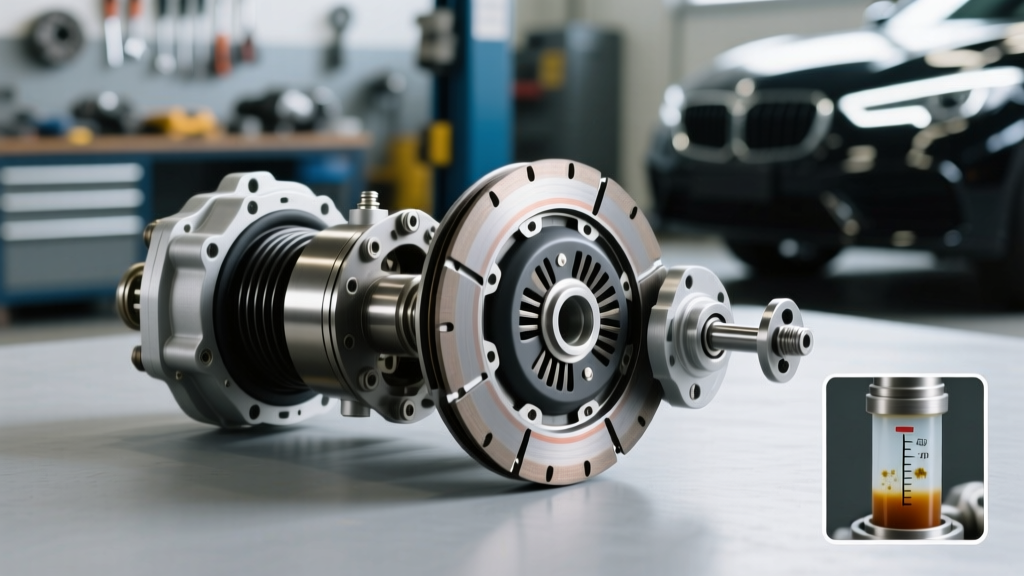
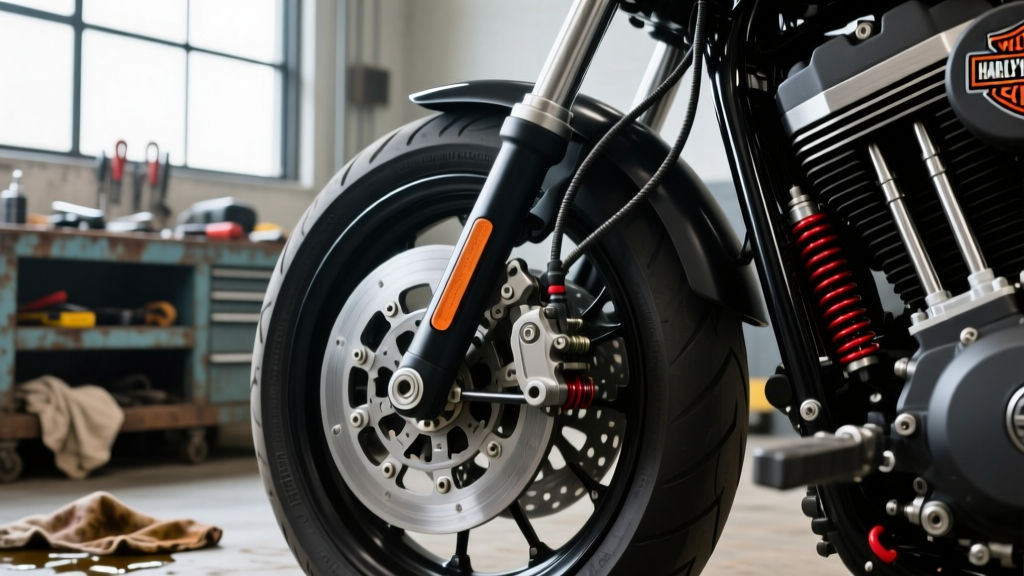
Upgrading to an easy pull clutch for Harley Davidson touring and cruiser models is one of the most popular ergonomic modifications for riders seeking to reduce left-hand fatigue in stop-and-go traffic. By altering the mechanical leverage ratio at the lever pivot or introducing a mechanical assist mechanism, these kits can reduce clutch pull effort by 30% to 50%. However, a frequent and alarming post-installation symptom reported in our diagnostics clinic is a distinct, acrid burning smell emanating from the primary chaincase. This odor is the universal signature of clutch slip, friction material degradation, and overheated primary fluid. When riders install an assist lever without recalibrating the clamping force and cable freeplay, the clutch pack cannot fully engage under the massive torque output of Milwaukee-Eight (M8) or Twin Cam engines, leading to micro-slippage and severe thermal breakdown.
Why Your Harley Smells Burnt After an Assist Upgrade
The root cause of the burning smell almost always traces back to a mismatch between the reduced lever effort and the required clamping pressure on the friction plates. An easy pull clutch lever achieves its mechanical advantage by changing the pivot geometry. While this makes the lever easier to pull, it also reduces the total cable travel and the disengagement force transmitted to the clutch release bearing (throwout bearing). If the installer compensates for the heavier pull by backing off the clutch cable tension or swapping in weaker aftermarket clutch springs, the pressure plate fails to exert the necessary 400+ lbs of clamping force required to lock the 9-friction and 8-steel plate pack together.
The Freeplay Miscalculation
The most common culprit for a burning wet clutch is insufficient freeplay at the lever. When using an easy pull clutch for Harley Davidson applications, riders often adjust the cable until the lever feels 'tight' against the perch. This eliminates the critical 1/16-inch to 1/8-inch freeplay gap required at the lever blade. Without this gap, the clutch release bearing rides constantly against the pressure plate diaphragm or coil springs. At 3,000 RPM, this constant micro-pressure prevents the springs from fully extending, causing the friction plates to slip against the steel plates. The resulting friction generates temperatures exceeding 400°F, instantly glazing the Kevlar or cork friction material and cooking the primary chaincase lubricant, which produces the unmistakable burning odor.
Diagnostic Matrix: Identifying the Burn Source
Not all hot smells indicate catastrophic failure. Use the following diagnostic matrix to determine if your clutch pack requires immediate teardown or simply a fluid and adjustment correction.
| Symptom Profile | Odor Characteristic | Lever Feel & Performance | Diagnostic Conclusion |
|---|---|---|---|
| New Friction Plates (Break-in) | Mild, sweet, resinous smell | Firm engagement, no slip under load | Normal break-in off-gassing (first 500 miles) |
| Glazed Friction Plates | Sharp, burnt toast/acidic smell | Lever feels spongy, RPMs flare on hills | Severe slip; plates require replacement |
| Cooked Primary Fluid | Sulfuric, rotten egg or burnt oil smell | Clutch drags when cold, slips when hot | Fluid breakdown; flush and inspect plates |
| Warped Steel Plates | Metallic, hot brake pad smell | Chatter at takeoff, uneven lever resistance | Thermal warping; full pack replacement needed |
Wet Clutch Fluid Breakdown and Glazing
Harley-Davidson primary chaincases utilize a shared lubrication environment where the primary chain, compensator sprocket, and wet clutch all operate in the same fluid bath. When an easy pull clutch setup induces micro-slippage, the localized heat rapidly degrades the fluid's friction modifiers. According to Barnett Tool Co., using the wrong fluid or allowing the fluid to overheat will strip the friction modifiers from the clutch plates, leading to a permanent glaze that no amount of cable adjustment can fix.
Expert Note: Never use automotive motor oils labeled 'Energy Conserving' or 'Resource Conserving' in a Harley primary. These oils contain molybdenum-based friction modifiers designed to reduce friction in car engines, which will cause immediate and catastrophic slip in a motorcycle wet clutch.
For Milwaukee-Eight (M8) models, the primary chaincase capacity is exactly 38 oz (1.12 Liters). For older Twin Cam (2007-2017) models, the capacity is 32 oz (0.95 Liters). We mandate the use of Harley-Davidson Formula+ or Mobil 1 Racing 4T 10W-40, both of which are specifically formulated with the JASO MA friction additive package required for heavy-twin wet clutches.
Component Inspection and Replacement Thresholds
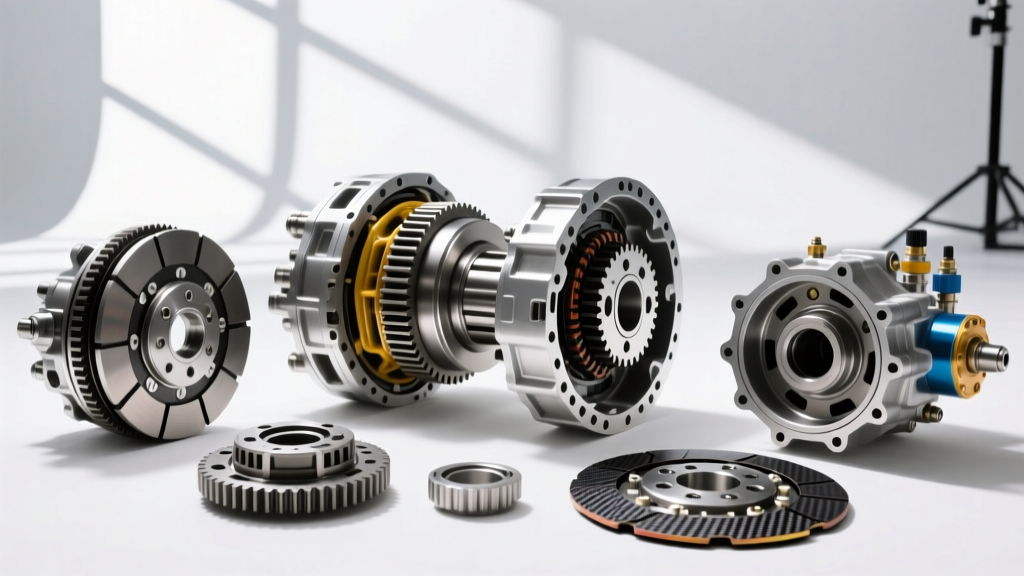
If the burning smell persists after verifying cable freeplay and flushing the primary fluid, a physical inspection of the clutch pack is mandatory. Remove the derby cover and extract the clutch pack. You will need a micrometer and a machinist straight-edge to evaluate the following thresholds:
- Friction Plate Thickness: New OEM plates measure approximately 0.153 inches. The absolute service limit is 0.138 inches. If your plates have thinned due to the burning slip, the clutch springs cannot generate enough clamping force, even with a stock lever.
- Steel Plate Warpage: Place the steel plates on a known flat surface and attempt to slide a 0.004-inch feeler gauge underneath. If the gauge passes under the plate, the steel has thermally warped and must be discarded. Warped plates create uneven pressure points, leading to localized hot spots and recurring burn smells.
- Clutch Spring Free Length: OEM Harley coil springs have a free length service limit of roughly 1.90 inches. Heat from a slipping clutch will anneal the spring steel, causing them to sag and lose their spring rate (lb/in). Always replace springs when replacing burnt friction plates.
Step-by-Step Calibration for Assist Kits
To properly tune an easy pull clutch for Harley Davidson setups and eliminate the burning smell, you must perform a precise three-point calibration. This ensures the assist lever disengages the clutch fully without sacrificing the clamping pressure required for engagement.
1. Internal Pushrod Adjustment
Before touching the external cable, you must set the internal pushrod. Remove the derby cover and locate the pushrod adjuster screw in the center of the clutch release mechanism. Loosen the locknut and turn the adjuster screw inward until you feel it seat against the pushrod. Do not apply pressure. Once seated, back the adjuster out exactly 1/4 to 1/2 turn. Hold the screw in place and tighten the locknut to 72-84 in-lbs. This ensures the throwout bearing is not pre-loaded against the pressure plate.
2. External Cable Freeplay
With the internal pushrod set, adjust the external cable barrel at the lever perch. The target is exactly 1/16-inch to 1/8-inch of freeplay measured at the lever blade's pivot point. When using an aftermarket assist lever (such as those from Recluse Engineering), the pivot ratio changes, meaning you may need slightly more visible slack at the lever blade to achieve the same internal cable travel as a stock lever.
3. Primary Chaincase Torque Specifications
When reassembling the primary, precise torque is critical to prevent fluid leaks and case distortion, which can alter clutch alignment and induce slip.
Derby Cover Bolts: 84-108 in-lbs (use a new O-ring gasket).
Clutch Hub Nut (M8): 70-80 ft-lbs (must be secured with Red Loctite 262 and staked or peened if using a castellated nut variant).
Primary Chaincase Housing Bolts: 84-108 in-lbs in a crisscross pattern.
Cost Analysis: Repair vs. Revert
Addressing a burning clutch smell requires immediate financial and mechanical intervention. If the friction plates have glazed, simply changing the fluid will not resolve the issue. Below is a realistic cost breakdown for resolving this specific diagnostic scenario based on current 2026 aftermarket pricing:
- Primary Fluid Flush (Mobil 1 Racing 4T): $35 - $45
- OEM Replacement Friction & Steel Plates: $180 - $240
- Upgraded Kevlar Clutch Pack (e.g., Barnett Part # 105-30-1001): $220 - $280 (Highly recommended for M8 touring models to resist the heat generated by heavy touring loads).
- Heavy-Duty Clutch Springs: $30 - $50
- Reverting to OEM Lever: $0 (if using existing stock parts) to $60 (for new OEM pivot hardware).
If you rely on your easy pull clutch for Harley Davidson touring but refuse to sacrifice clamping force, the ultimate solution is to retain the assist lever, install a high-friction Kevlar clutch pack, and use heavy-duty springs. This combination restores the necessary clamping pressure to prevent the micro-slippage that causes the burning smell, while the mechanical leverage of the assist lever keeps the pull weight manageable for the rider's left hand.