Navigating Dual Clutch Problems in the Used Market
As we navigate the 2026 automotive landscape, the secondary market is heavily saturated with high-performance and commuter vehicles equipped with Dual Clutch Transmissions (DCTs). While DCTs offer lightning-fast shift times and uninterrupted torque delivery, out-of-warranty examples represent a significant financial liability. Understanding specific dual clutch problems through the lens of failure modes and root cause analysis is essential for any buyer, enthusiast, or diagnostic technician. This guide compares the major DCT architectures, breaks down their inherent mechanical weaknesses, and provides a concrete framework for inspecting and purchasing DCT-equipped vehicles.
The Architecture of Failure: Wet vs. Dry Clutches
To diagnose dual clutch problems accurately, one must first understand the friction environment. DCTs are broadly categorized into 'wet' and 'dry' architectures, each with distinct failure profiles.
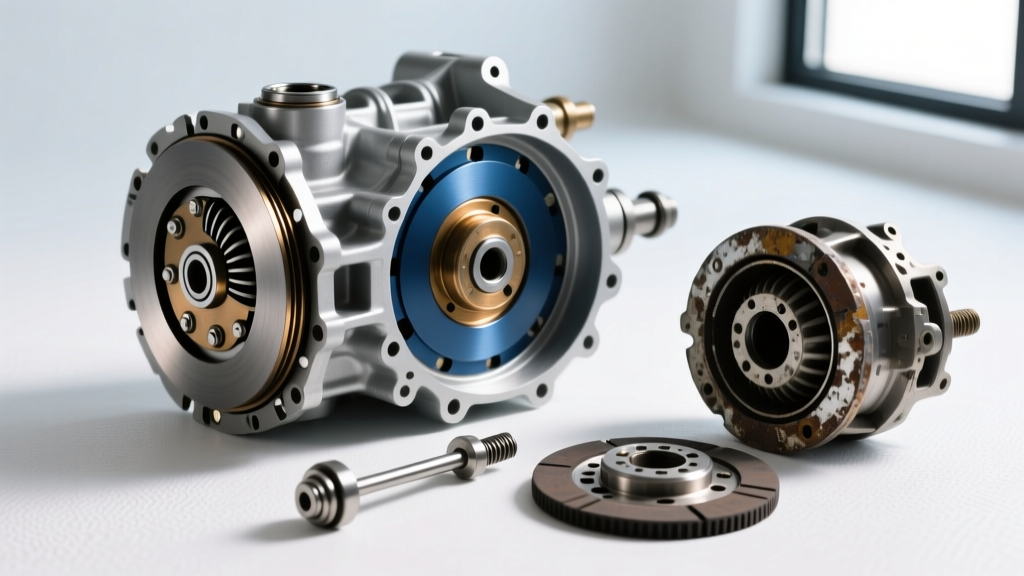
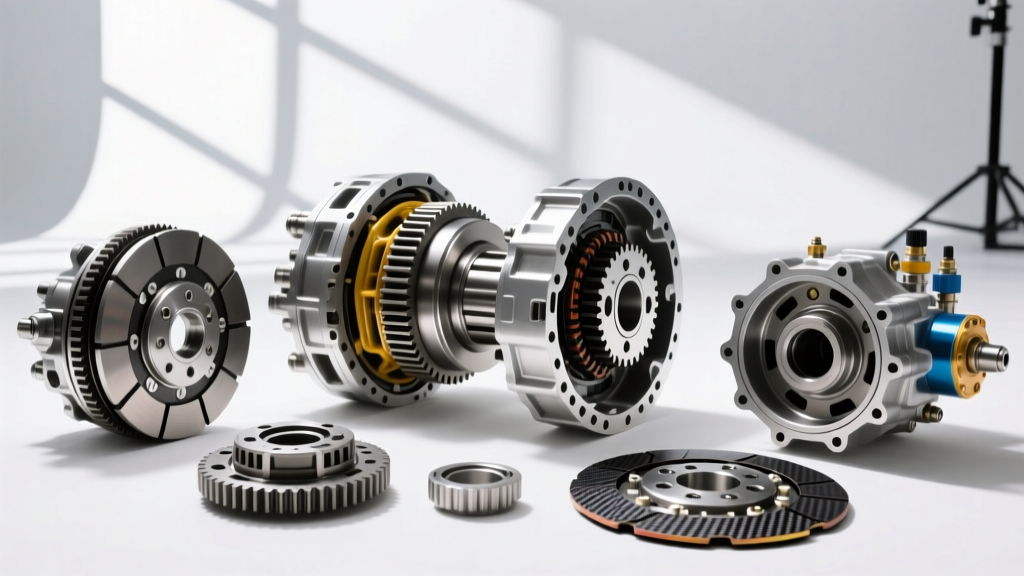
- Wet Clutch Packs (e.g., VW DQ250, Porsche PDK): The friction plates are bathed in specialized transmission fluid. This provides superior thermal management and torque capacity but introduces the risk of fluid degradation, mechatronic contamination from clutch material shedding, and hydraulic pump cavitation.
- Dry Clutch Packs (e.g., Ford DPS6, VW DQ200): Operating similarly to a traditional manual transmission clutch, these rely on air cooling and organic friction materials. They are highly efficient but prone to thermal overload in stop-and-go traffic, actuator motor burnout, and severe shudder if adjacent oil seals fail.
Failure Mode Comparison Chart: Top 3 DCT Systems
The table below outlines the most common failure points for the three most prevalent DCT platforms on the road today, complete with 2026 estimated repair costs and root causes.
| Transmission Model | Architecture | Primary Failure Mode | Root Cause Analysis | Est. Repair Cost (2026) |
|---|---|---|---|---|
| VW/Audi DSG (DQ250 / 02E) | 6-Speed Wet | Mechatronic Accumulator Blowout | Internal seal degradation causing continuous hydraulic pump operation and subsequent motor burnout. | $1,800 - $2,600 |
| Ford PowerShift (DPS6 / 6DCT250) | 6-Speed Dry | Input Shaft Seal Leak & Clutch Shudder | Seal hardening allows gear oil to contaminate dry organic friction plates, destroying the friction coefficient. | $1,200 - $1,900 |
| Porsche PDK (ZF 7DT-45/75) | 7-Speed Wet | Clutch Position Sensor Failure | Hall-effect sensors suffer thermal fatigue from extreme heat soak generated by adjacent wet clutch packs. | $2,500 - $4,200 |
Deep Dive: Root Cause Analysis by Manufacturer
Volkswagen & Audi: The DQ250 (02E) Mechatronic Weakness
The 6-speed wet DQ250 is a staple in the VW/Audi ecosystem. The most catastrophic dual clutch problem associated with this unit is mechatronic failure. The mechatronic unit houses the TCM, solenoids, and hydraulic accumulator. The accumulator maintains hydraulic pressure for clutch actuation and gear selection. Over time, the internal piston seal degrades. When the seal blows, the system loses pressure, forcing the hydraulic pump to run continuously to compensate. This leads to pump motor overheating and eventual burnout, triggering a flashing gear indicator and limp mode.
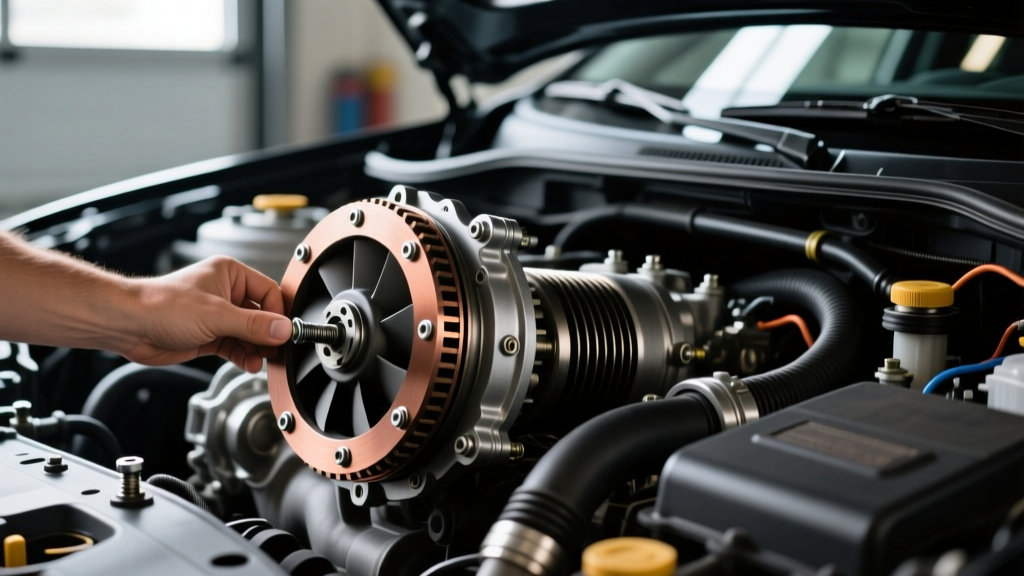
Expert Insight: Preventative maintenance is non-negotiable. The DQ250 requires a strict 40,000-mile fluid and filter service using exactly 7.2 liters of OEM G 052 182 A2 fluid. Neglecting this accelerates clutch material shedding, which clogs the mechatronic valve body. When reinstalling the Dual Mass Flywheel (DMF) during a clutch pack replacement, the crankshaft bolts must be torqued to 60 Nm plus a 90-degree turn.
Ford PowerShift: The DPS6 Dry Clutch Contamination
Ford's DPS6 (6DCT250) is notorious for low-speed shudder and hesitation. The root cause is rarely the clutch actuator motors themselves, but rather the input shaft seals. These seals separate the manual gear oil (75W-90) from the dry clutch bellhousing. As the seals harden and fail, gear oil migrates onto the dry organic clutch plates. Because dry clutches have no fluid to wash away contaminants, the oil permanently alters the friction coefficient, resulting in violent chattering during 1st and 2nd gear engagement. Replacing the clutches without replacing the input shaft seals and properly venting the bellhousing will result in repeat failure within 10,000 miles.
Porsche PDK: ZF 7DT Sensor Fatigue
The ZF 7DT PDK is an engineering marvel, but it is not immune to dual clutch problems. The most common electrical failure involves the clutch distance (position) sensors. These sensors inform the TCM of the exact millimeter position of the clutch pistons. Due to their physical location deep within the valve body assembly, they are subjected to immense thermal cycling. When a sensor fails, the PDK cannot accurately modulate clutch slip, leading to harsh engagements or a complete refusal to engage Drive or Reverse. According to ZF Aftermarket Technical Documentation, resolving this requires dropping the transmission pan, replacing the sensor harness, and performing a factory-level PDK clutch adaptation reset.
2026 Buyer's Guide: Inspecting a Used DCT Vehicle
When evaluating a used DCT-equipped vehicle, a standard test drive is insufficient. You must employ a data-driven diagnostic protocol to uncover hidden dual clutch problems before signing the bill of sale.
Step 1: Cold Start Engagement Test
Start the vehicle completely cold. Shift from Park to Reverse, then to Drive. A slight, firm 'thud' is normal for solid-mounted DCTs, but a delayed engagement (taking more than 1.5 seconds) followed by a harsh clunk indicates worn clutch packs or low hydraulic accumulator pressure.
Step 2: OBD2 Measuring Value Blocks (MVB)
Connect a bi-directional scan tool (such as VCDS for VW/Audi or FORScan for Ford). Access the Transmission Control Module and pull the clutch adaptation data.
- VW DSG Clutch Stroke: Check MVB 95 and 96. The clutch stroke limit indicates how far the actuator piston must travel to achieve clutch bite. If the stroke value exceeds 14.0mm on a DQ250, the friction material is critically worn, and a $2,000+ clutch pack replacement is imminent.
- Transmission Temperature Delta: Monitor the DCT fluid temp during a 5-mile stop-and-go test drive. If the fluid temperature spikes past 110°C (230°F) under normal city driving, the internal fluid pump may be cavitating or the cooler lines are restricted by clutch debris.
Step 3: The Uphill Creep Test
Find a steep incline and bring the car to a complete stop. Release the brake and allow the car to creep forward without applying the throttle. A healthy wet DCT will hold the vehicle or creep smoothly. A failing dry DCT (like the Ford DPS6) will exhibit severe shudder, slip, or rollback, indicating burned friction material or a failing clutch actuator lever.
Sourcing Replacement Parts: OEM vs. Aftermarket
If your pre-purchase inspection reveals that dual clutch problems are present and negotiations lead to a price reduction for the repair, sourcing parts correctly is vital. Dealer OEM pricing for complete mechatronic units or factory clutch packs is often prohibitively expensive.
For wet clutch packs, FCP Euro's DSG Service Guide and industry experts recommend turning to the Original Equipment Suppliers (OES). Companies like BorgWarner and LuK manufacture the exact friction plates and mechatronic components found in OEM boxes. For example, a BorgWarner DQ250 clutch pack kit costs roughly $850 in the aftermarket, compared to over $1,600 at the dealership counter. For Ford DPS6 dry clutches, the LuK RepSet (Part #600 0016 00) includes the clutches, release bearings, and the specialized alignment tool required for a flawless installation. Always ensure the clutch actuator lever nuts are torqued precisely to 25 Nm to prevent fork binding.
Final Verdict: Are DCTs Worth the Risk?
Dual clutch transmissions remain the pinnacle of internal combustion power delivery. However, buying a used DCT vehicle in 2026 requires a shift in mindset from traditional torque-converter automatics. By understanding the specific failure modes—whether it is the hydraulic accumulator seals of a VW DSG, the input shaft leaks of a Ford PowerShift, or the thermal sensor fatigue of a Porsche PDK—buyers can accurately forecast maintenance costs. Always demand service records, verify clutch adaptation limits via OBD2, and budget for a baseline mechatronic fluid service immediately upon purchase to ensure long-term drivetrain reliability.