The Mechanical vs. Hydraulic Divide
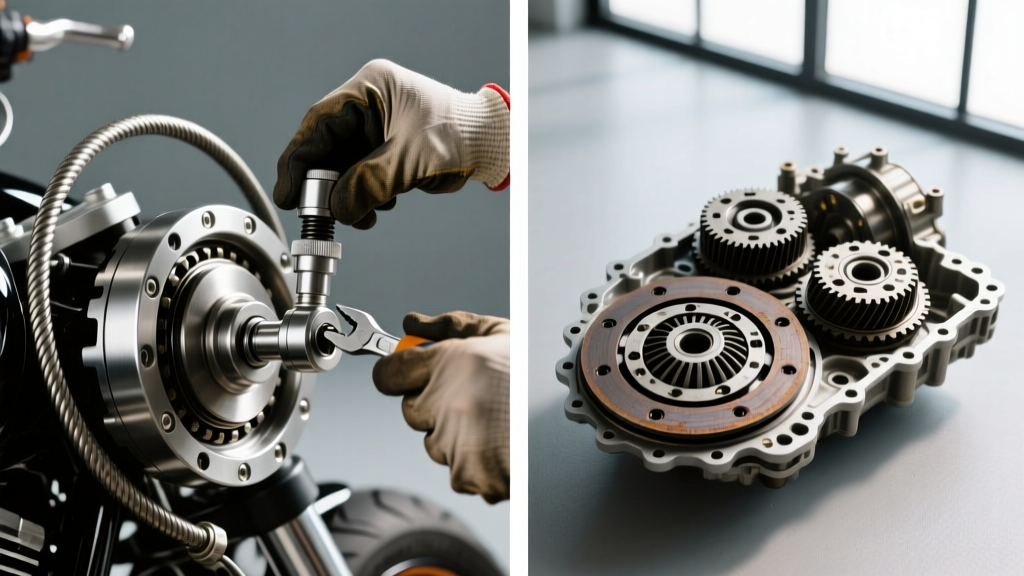
When enthusiasts discuss drivetrain maintenance, the conversation often splits between tactile mechanical systems and complex hydraulic networks. For instance, adjusting clutch cable on Harley-Davidson touring models is a rite of passage that requires a simple 1/2-inch wrench and a feel for the 1/16-inch freeplay at the lever. However, diagnosing and repairing clutch problems in automatic transmissions demands an entirely different paradigm. There are no cables to adjust; instead, modern automatics like the GM 6L80 or ZF 8HP rely on precisely metered hydraulic fluid, solenoid-driven valve bodies, and multi-disc friction packs operating under immense pressure.
As we navigate the 2026 automotive landscape, the prevalence of 8-speed and 10-speed automatic transmissions means that understanding automatic clutch pack failure, buying the right rebuild components, and utilizing precision diagnostic tools is more critical than ever. This buyer’s guide and diagnostic comparison will walk you through identifying automatic transmission clutch problems and selecting the best friction materials and tools for the job.
Identifying Clutch Problems in Automatic Transmissions
Unlike a slipping manual clutch where the RPMs climb without a corresponding increase in vehicle speed, automatic transmission clutch problems often manifest as subtle shift anomalies before catastrophic failure occurs.
Shift Flares and RPM Hang
A 'shift flare' occurs during a gear change when the off-going clutch pack releases before the on-coming clutch pack fully applies. In the ubiquitous GM 4L60E, this is notoriously common during the 2-3 shift due to wear in the 3rd gear clutch piston seals or a degraded 2-4 band servo. If you observe RPMs hanging for 300-500 milliseconds during a shift, the hydraulic apply circuit is bleeding pressure, or the friction material has glazed.
Torque Converter Shudder vs. Clutch Slip
In modern transmissions like the GM 6L80 and Ford 10R80, the torque converter clutch (TCC) utilizes a specialized friction lining to lock up at lower RPMs for fuel economy. When this lining degrades, or when the apply pressure solenoid fails to regulate the 130-180 PSI line pressure smoothly, the vehicle experiences a rhythmic shudder (often between 40-50 MPH). While this mimics an engine misfire, it is fundamentally a clutch apply problem rooted in either fluid degradation or TCC friction wear.
Buyer’s Guide: Friction Materials & Rebuild Kits Compared
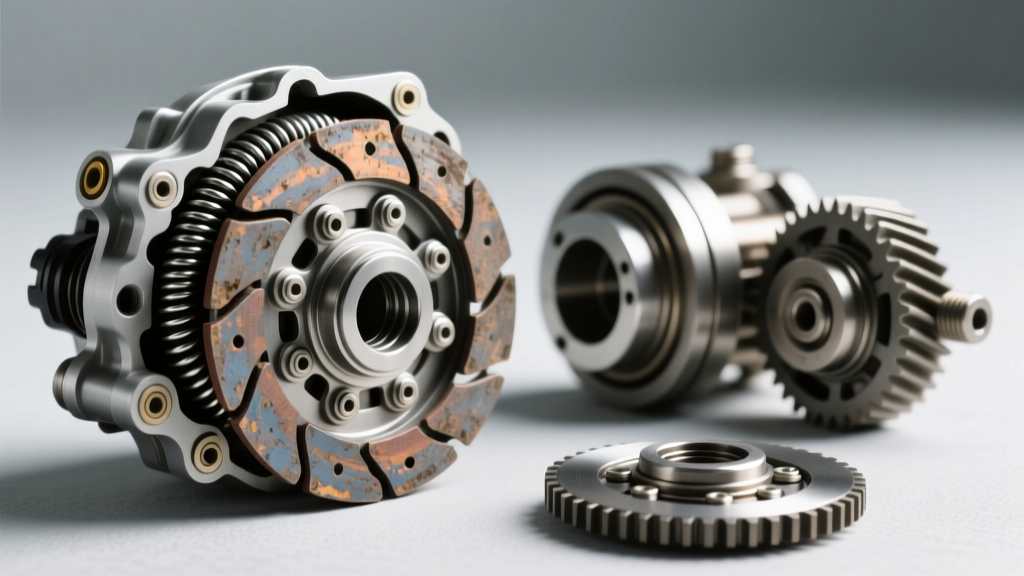
When clutch problems in automatic transmissions necessitate a teardown, choosing the right master rebuild kit is paramount. The market is dominated by a few key players, each offering distinct friction formulations. Below is a comparison of the top-tier options for high-stress applications.
| Brand / Material Line | Example Part # (4L60E) | Friction Technology | Best Application | 2026 Price Range |
|---|---|---|---|---|
| OEM (GM / ZF) | 24239189 (OEM Pack) | Standard Cellulose / Kevlar | Daily driving, stock towing | $250 - $350 |
| Alto Red Eagle | 04-1-HPK | High-Energy Resin / Red Paper | Performance street, mild drag | $450 - $600 |
| Raybestos GPZ | GPZ-104 | Z-Fiber / Carbon-Kevlar Blend | Heavy towing, racing, extreme heat | $650 - $850 |
According to technical data from Raybestos Powertrain, GPZ friction plates are engineered to withstand significantly higher thermal thresholds than standard OEM paper clutches, reducing the likelihood of burnout in applications where line pressures are boosted via aftermarket tuning.
Fluid Chemistry: The Invisible Clutch Component
In manual systems, the cable simply transfers physical force. In automatics, the fluid is the linkage. Furthermore, the fluid acts as a chemical friction modifier. Using the incorrect fluid in a rebuilt automatic transmission will destroy new clutch packs in under 1,000 miles. For example, the GM 10L90 requires Dexron ULV (Ultra Low Viscosity) fluid. If a shop mistakenly fills it with older Dexron VI, the altered friction coefficients will cause the 10-speed's micro-slip torque converter clutch and internal dog clutches to chatter violently. Similarly, ZF 8HP units demand Lifeguard 8 fluid to maintain the precise lock-up characteristics of their overlapping clutch packs. Always match the fluid to the friction material manufacturer's specification.
Diagnostic Tools: Air Tests vs. Bi-Directional Scanners
Because you cannot physically 'feel' an automatic clutch pack engage like you do when adjusting a Harley cable, your diagnostic toolkit must bridge the gap between mechanical and digital.
- Air Pressure Test Kits (e.g., Mityvac MV5560): Essential for bench-testing valve bodies and checking clutch piston seal integrity before reassembly. Applying 50-80 PSI of regulated air to the clutch apply ports verifies mechanical clearance and seal health.
- Bi-Directional Scan Tools (e.g., Snap-on Zeus+, Autel MaxiSys): Necessary for reading Transmission Adaptation Values. If the PCM is maxing out the duty cycle on the 4-5-6 clutch pressure control solenoid to compensate for wear, the scanner will show adaptation limits exceeded long before the driver feels a slip.
- Dial Indicator & Feeler Gauge Sets: Clutch pack clearance is non-negotiable. For a 4L60E 3-4 clutch pack, the target clearance is 0.040' to 0.070'. Using a dial indicator to measure piston travel ensures the pack won't drag (causing heat) or slam (causing harsh shifts).
Assembly Data: Torque Specs and Clearances
Rebuilding an automatic transmission requires adherence to strict engineering tolerances. Here are critical specifications for two of the most common platforms requiring clutch pack service:
GM 6L80 / 6L90 Specifications
- Clutch Pack 'A' (1-2-3-4) Clearance: 0.055' - 0.085'
- Oil Pump Bolt Torque: 13 Nm (115 lb-in)
- Common Failure Point: The 4-5-6 clutch hub splines strip, causing a loss of 4th, 5th, and 6th gears. Upgrading to a billet steel hub (approx. $180) is highly recommended during any clutch rebuild.
ZF 8HP (8HP45 / 8HP70) Specifications
The ZF 8-speed relies on overlapping clutch applies. A common cause of 'clutch slip' in these units isn't the friction discs themselves, but rather the degradation of the Mechatronic sealing sleeves. As detailed in industry analyses by Transmission Digest, replacing the $45 ZF mechatronic sleeve kit often resolves low-pressure clutch apply issues without requiring a full friction pack replacement.
Cost Analysis: Dealership Replacement vs. Custom Rebuild
When facing severe clutch problems in automatic transmissions, vehicle owners must decide between a dealership remanufactured unit and an independent custom rebuild. Here is a 2026 market comparison:
- Dealership Remanufactured Assembly (e.g., GM 6L80): $3,800 - $5,200 installed. Pros: Plug-and-play, factory warranty. Cons: Often uses standard OEM paper clutches that will fail again under heavy loads; core charges apply.
- Independent Custom Rebuild (Upgraded): $2,500 - $3,500 installed. Pros: Builder can install Raybestos GPZ frictions, Kolene steels, and billet hubs (solving inherent OEM flaws). Cons: Requires finding a reputable specialist; downtime may be longer.
For fleet vehicles, heavy-duty trucks, or performance cars, the custom rebuild route offers vastly superior ROI by addressing the root cause of the OEM clutch failure rather than simply replacing it with identical, flawed components.
Final Verdict: Investing in the Right Drivetrain Solutions
Whether you are adjusting clutch cable on Harley-Davidson motorcycles for a perfect mechanical release or tearing down a ZF 8HP to replace carbon-fiber friction discs, the core principle remains the same: precise mechanical tolerances dictate drivetrain longevity. For automatic transmission clutch problems, skip the cheap OEM paper kits if your vehicle sees towing or performance duty. Invest in GPZ or Red Eagle materials, verify your clearances with a dial indicator, and always reset your transmission adaptation values via a bi-directional scanner post-rebuild.
For further reading on hydraulic circuit diagnostics and valve body wear, consult the technical resources available at Sonnax Industries.