The FA24 Era: Understanding the GR86 Drivetrain Baseline
The second-generation Toyota GR86 (and its Subaru BRZ twin) represents a massive leap in accessible performance. With the FA24 2.4-liter flat-four engine pushing 228 horsepower and 184 lb-ft of torque (or up to 258 lb-ft in early torque-peak tuning metrics), the factory drivetrain is highly capable for canyon carving. However, as we move through the 2026 track season, enthusiasts pushing high-grip 200-treadwear tires and forced-induction kits are rapidly discovering the mechanical ceilings of the factory GR86 drivetrain.
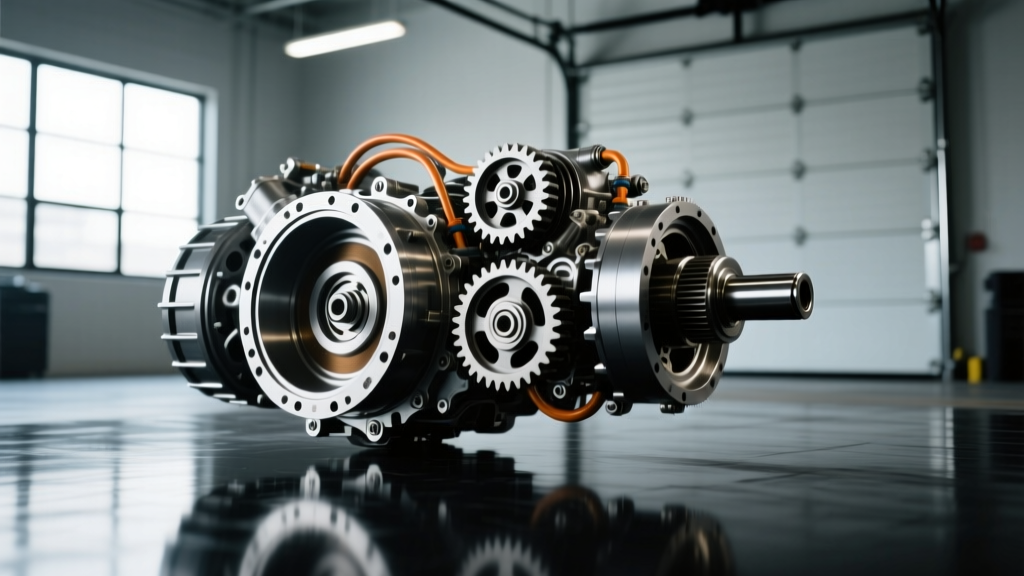
Before swapping parts, you must understand the hardware. The manual GR86 utilizes the TL70 (Toyota) / RA62F (Subaru) 6-speed manual transmission. Out back, Toyota and Subaru moved away from the first-generation's R180 differential, upgrading to the much stronger R190 rear differential (190mm ring gear). While the R190 is a massive improvement in sheer torque capacity, the factory open differential and soft rubber mounting bushings severely limit how effectively that power reaches the tarmac.
Stage 1: Thermal Management and Chassis Coupling
The most cost-effective way to protect your GR86 drivetrain is to manage heat and eliminate parasitic movement. When you introduce high-grip tires (like the Michelin Pilot Sport Cup 2 or Yokohama Advan A052), the rotational mass and shock loads transferred through the axles and differential increase exponentially.
R190 Differential Cooling
During sustained track sessions, the factory R190 differential fluid temperatures can easily exceed 250°F (121°C), leading to severe fluid shear and accelerated wear on the ring and pinion gears. Installing a bolt-on differential cooler is mandatory for any GR86 tracking more than twice a month. Brands like GrimmSpeed and Cusco offer air-to-oil or liquid-to-oil diff coolers that mount directly to the rear bumper or diffuser, dropping operating temperatures by up to 40°F.
Eliminating Wheel Hop: Differential Bushings
The factory GR86 uses soft rubber bushings to mount the rear subframe and the differential to the chassis. Under hard launches or aggressive trail-braking, this allows the differential to twist, causing wheel hop and premature axle wear. Upgrading to solid aluminum or hardened polyurethane bushings (such as the Cusco Aluminum Diff Bushings, Part #6A3 492 S) locks the differential in place. This ensures instant throttle response and protects the axle stubs from snapping under shock loads.
Stage 2: Traction and the Limited-Slip Differential (LSD)
The base GR86 comes with an open differential, which is useless for competitive track driving or aggressive autocross. While Toyota offers an OEM Torsen LSD as a dealer-installed option, the aftermarket provides far more tunable solutions for dedicated track builds. Below is a comparison of the most popular R190 LSD upgrades available for the GR86 platform.
| LSD Type / Brand | Locking Mechanism | Est. Price (2026) | Best Application |
|---|---|---|---|
| OEM Torsen (Toyota/Subaru) | Helical Gear (Torque-Sensing) | $850 - $1,000 | Street driving, light track days, rain/snow. |
| Cusco Type RS (1.5 Way) | Clutch-Type (Pressure Ring) | $1,200 - $1,400 | Autocross, time attack, drift initiation. |
| OS Giken Super Lock | Clutch-Type (Spring-Loaded) | $2,000 - $2,400 | Professional time attack, high-HP forced induction. |
| Wavetrac | Helical Gear with Wave Hub | $1,300 - $1,500 | Street/Track hybrid, zero-preload torque biasing. |
Expert Insight: If you are running a dedicated track GR86 on slicks, the OS Giken Super Lock is the gold standard. Its unique spring-loaded clutch pack design eliminates the "clunk" associated with traditional clutch-type LSDs and provides seamless lockup under both acceleration and deceleration, stabilizing the rear end during heavy trail-braking.
Stage 3: Clutch, Flywheel, and Driveline Shock
The factory TL70 manual transmission is generally robust, but the stock clutch will slip once you exceed 220 wheel-torque, especially if you add a supercharger or turbocharger kit. When upgrading the clutch, you must address the flywheel and the clutch release mechanism.
Flywheel and Clutch Selection
For naturally aspirated track builds, a lightened chromoly flywheel (such as the OS Giken Lightweight Flywheel or Exedy Racing Flywheel) reduces rotational mass by up to 40%, allowing the FA24 engine to rev-match much faster. Pair this with an Exedy Stage 1 Organic or ACT Heavy Duty Clutch Kit. Avoid aggressive multi-puck ceramic clutches for street-driven GR86s; the lack of a marcel spring will transmit harrowing NVH (Noise, Vibration, and Harshness) through the chassis and accelerate transmission input shaft bearing wear.
The Clutch Fork Pivot Ball Issue
A known weak point in Toyota/Subaru manual transmissions is the clutch fork pivot ball. Under the increased pressure of an aftermarket heavy-duty pressure plate, the factory stamped steel fork can wear a groove into the pivot ball, leading to inconsistent clutch engagement and eventual failure. When performing a clutch upgrade, always replace the factory pivot ball with a hardened steel aftermarket unit (like those from RallySport Direct or specialized Subaru/Toyota motorsport vendors) and inspect the clutch fork for wear.
Crucial Torque Specifications and Fluid Capacities
Proper assembly and fluid selection are where most DIY drivetrain builds fail. The TL70 transmission and R190 differential require specific fluid viscosities to protect synchros and gear teeth. Below are the exact specifications for the 2022-2026 GR86 manual drivetrain.
| Component | Fluid Capacity | Recommended Fluid (2026) | Torque Spec |
|---|---|---|---|
| TL70 Manual Transmission | 2.2 Liters | Red Line MT-LV (70W-80 GL-4) | Drain/Fill Plug: 33 lb-ft (44 Nm) |
| R190 Rear Differential | 1.2 Liters | Motul 300V 75W-90 or Red Line 75W-90 GL-5 | Drain/Fill Plug: 35 lb-ft (47 Nm) |
| FA24 Flywheel Bolts (OEM TTY) | N/A | N/A (Must use new OEM TTY bolts) | 54 lb-ft (73.5 Nm) + 90° angle |
| Pressure Plate to Flywheel | N/A | Blue Loctite 242 recommended | 18 lb-ft (25 Nm) star pattern |
| Driveshaft Center Support Bearing | N/A | N/A | 36 lb-ft (49 Nm) |
Fluid Warning: Never use standard GL-5 gear oil in the TL70 manual transmission. The sulfur-phosphorus additives in GL-5 can corrode the yellow metals (bronze/brass) used in the TL70's synchro rings. Always use a dedicated GL-4 manual transmission fluid like Red Line MT-LV to ensure crisp 2nd-to-3rd gear shifts.
Known Failure Modes and Preventative Maintenance
Even with the best upgrades, the GR86 drivetrain requires vigilant maintenance if subjected to track abuse. Monitor the following failure modes:
- Axle Stub Snap Rings: Early 2022-2023 models had reports of rear axle snap rings popping out of the differential side gears under heavy lateral load combined with throttle lift-off. Ensure your axles are fully seated and consider upgrading to aftermarket chromoly axles from brands like Driveshaft Shop if running slicks.
- Driveshaft Carrier Bearing Wear: The two-piece driveshaft relies on a rubber-isolated center carrier bearing. Aggressive launches and track curbing can tear the rubber isolator, causing a high-speed driveline vibration. Inspect this bearing every 15,000 miles on track-driven cars.
- Differential Pinion Seal Leaks: The R190 pinion seal is prone to weeping if the differential is overfilled or if the breather valve becomes clogged with track debris. Ensure the diff breather hose is routed high into the chassis and check the pinion flange for gear oil residue after every track event.
Final Verdict on the GR86 Platform
The GR86 drivetrain is a masterclass in affordable, tunable RWD architecture. By prioritizing thermal management, upgrading to a purpose-built R190 LSD, and strictly adhering to factory torque-to-yield procedures and GL-4 fluid requirements, you can build a drivetrain that reliably handles both the abuse of the track and the daily commute. Whether you are chasing lap times at Laguna Seca or simply perfecting your heel-toe downshifts on a canyon road, these targeted modifications will unlock the true potential of the FA24 platform.