Decoding Go Kart Clutch Repair: Failure Modes and the 2026 Buyer's Guide
When a backyard build or competitive sprint kart loses acceleration, the drivetrain is the immediate suspect. Performing a successful go kart clutch repair requires more than just swapping parts; it demands a forensic approach to root cause analysis. Whether you are running a simple centrifugal clutch on a Predator 212cc engine or a continuously variable transmission (CVT) torque converter on a heavy off-road buggy, understanding the metallurgy and physics of clutch failure is paramount. In this 2026 buyer's guide and diagnostic manual, we dissect the primary failure modes of kart clutches, outline the root causes of premature wear, and compare the best OEM and aftermarket repair kits on the market.
Primary Failure Modes in Centrifugal Clutches
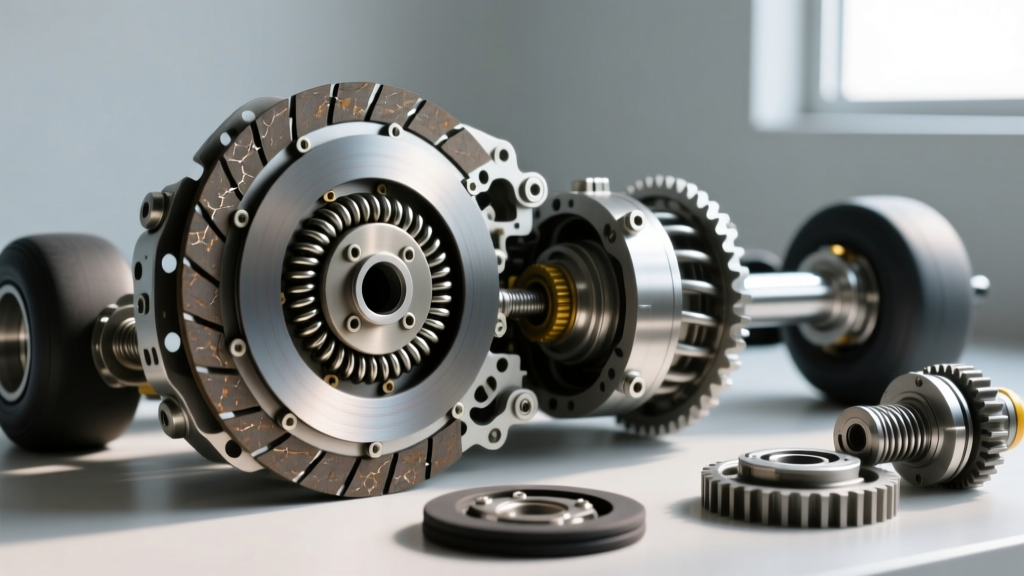
The centrifugal clutch—most notably the industry-standard Hilliard Max-Torque—relies on centrifugal force to push friction shoes outward against a rotating drum. While robust, they are highly susceptible to specific failure modes when pushed beyond their thermal or mechanical limits.
1. Friction Shoe Glazing and Thermal Breakdown
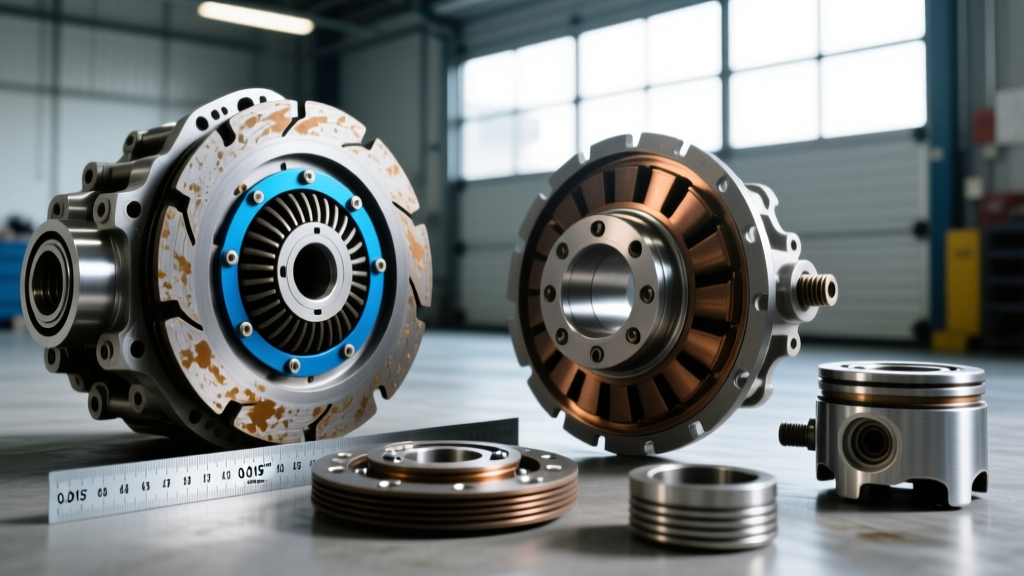
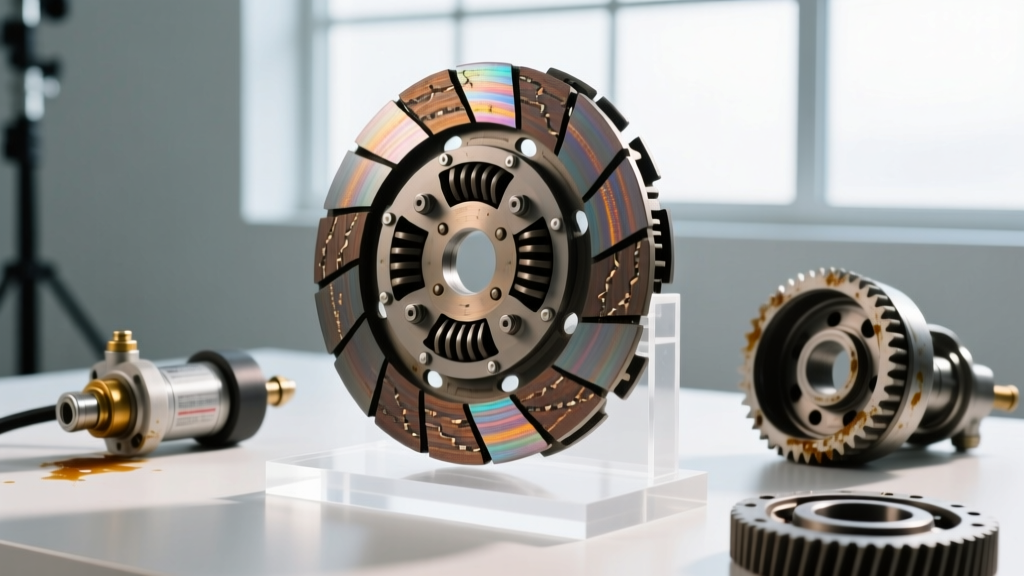
The most common symptom of a failing centrifugal clutch is high-RPM slipping, often accompanied by a distinct burning odor. This is caused by glazing. When a kart is lugged (e.g., climbing a steep hill at low RPM or starting from a dead stop on soft turf), the clutch remains in a state of partial engagement. The resulting friction generates temperatures exceeding 400°F (204°C), which melts the binding resins in organic friction materials, creating a hard, glass-like surface on the shoes. Once glazed, the coefficient of friction drops drastically, and the clutch will slip even under normal loads.
2. Spring Fatigue and Premature Engagement
Governor springs dictate the engagement RPM (typically around 2,300 RPM for standard Max-Torque clutches). Over time, cyclic thermal loading and mechanical stress cause the steel springs to lose their tensile strength. A fatigued spring will allow the shoes to engage the drum at idle (1,400–1,600 RPM), causing the kart to creep forward dangerously and creating constant, low-level friction that accelerates shoe wear.
3. Needle Bearing and Bushing Seizure
The inner hub must spin freely on the crankshaft when the kart is idling. If the internal sealed ball bearing fails due to moisture ingress, or if an oil-impregnated bronze bushing runs dry, the inner hub will seize to the outer drum. This results in the engine stalling immediately upon returning to idle, or worse, the clutch locking up and snapping the crankshaft keyway.
Torque Converter (CVT) Failure Modes
For off-road karts and buggies, the Comet TAV2 (Torque-A-Verter) CVT system provides a variable gear ratio. However, its complex moving parts introduce unique diagnostic challenges.
- Drive Belt Shredding: Often misdiagnosed as a bad belt, shredded Kevlar-reinforced drive belts (Part # 211119A) are almost always a symptom of pulley misalignment. If the driver and driven pulleys are not perfectly parallel, the belt tracks improperly, generating immense lateral friction that tears the belt sidewalls within hours of operation.
- Movable Sheave Binding: The driver pulley relies on a plastic slider block and cam ramps to move the sheave. If dirt infiltrates the mechanism or the splines lack proper molybdenum disulfide (moly) grease, the sheave binds. This prevents the CVT from shifting into overdrive, keeping the engine screaming at high RPMs while the kart struggles to reach top speed.
- Driven Pulley Spring Sag: The large torsion spring on the driven pulley maintains belt tension. Like centrifugal governor springs, these fatigue over time, leading to belt slap, erratic shifting, and a loss of low-end torque multiplication.
Root Cause Analysis (RCA): Why Your Clutch Keeps Failing
Replacing a clutch without addressing the root cause is a guaranteed way to waste money. According to drivetrain specialists at BMI Karts, over 70% of premature clutch failures are traced back to installation errors or chassis dynamics rather than defective parts.
Expert Diagnostic Tip: Before tearing down a failed clutch, inspect the #35 roller chain and sprocket teeth. If the sprocket teeth exhibit a 'hooked' or asymmetrical wear pattern, your chain tension is too tight, or your alignment is off. A chain that is pulled taut like a guitar string exerts severe radial loads on the clutch drum bearing, guaranteeing premature bearing failure.
The Alignment Imperative
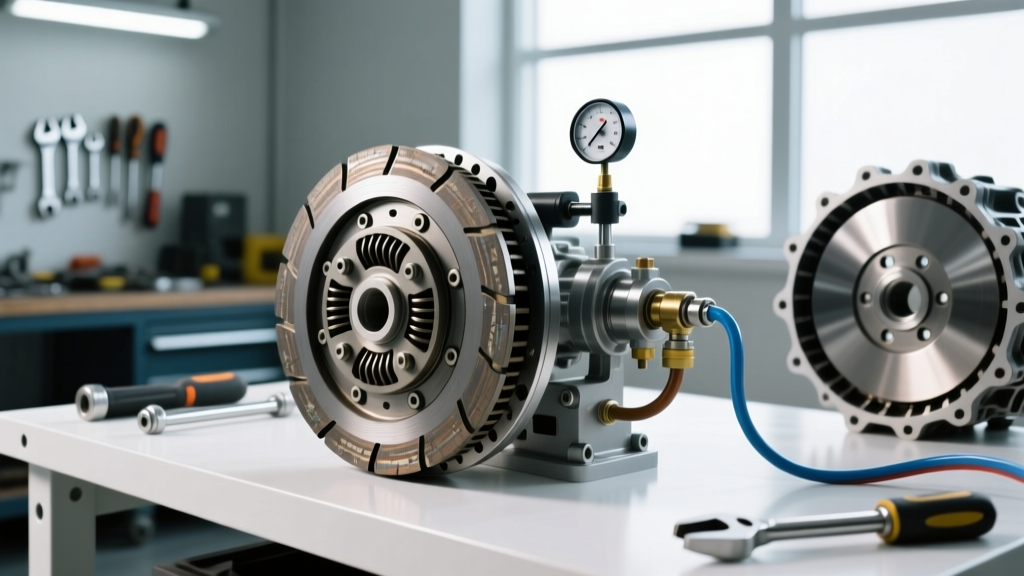
Chain and sprocket misalignment is the silent killer of go kart drivetrains. Even a 2-degree angular misalignment forces the chain to bind against the side plates of the clutch drum. To verify alignment, use a precision machined straight edge across the faces of the engine sprocket and the rear axle sprocket. For competitive builds, a laser shaft alignment tool is mandatory. Proper chain deflection should be set exactly between 1/4-inch and 3/8-inch at the midpoint of the chain run.
2026 Buyer's Guide: Repair Kits vs. Complete Assemblies
When executing a go kart clutch repair, technicians must decide between purchasing a complete assembly or a rebuild kit. While rebuild kits save money upfront, they require specialized tools (like snap ring pliers and drum presses) and a clean environment. Below is our 2026 comparison chart of the most reliable drivetrain components and repair kits available.
| Component / Kit | Part Number | Type | Avg Price (2026) | Best Application |
|---|---|---|---|---|
| Hilliard Max-Torque Complete | 255612 | Centrifugal (3/4" Bore, #35 Chain) | $48.00 - $55.00 | Sprint karts, heavy rental fleets |
| Hilliard Shoe & Spring Kit | 255021 | Centrifugal Rebuild Kit | $18.00 - $22.00 | Budget repairs (requires good drum) |
| Comet TAV2 Complete System | 218353A | CVT Torque Converter (3/4" Bore) | $135.00 - $155.00 | Off-road buggies, trail karts |
| Comet High-Performance Belt | 211119A | CVT Drive Belt (1" Wide) | $28.00 - $34.00 | Direct OEM replacement for TAV2 |
| Sintered Bronze Shoe Upgrade | Various (Aftermarket) | Heavy-Duty Friction Material | $35.00 - $45.00 | High-stress racing, mud bogs |
For most hobbyists, buying the complete Hilliard Max-Torque assembly is the most cost-effective route. The labor involved in safely compressing the governor springs and pressing the drum back onto the bearing without damaging the seals often outweighs the $25 saved by buying a rebuild kit. However, for CVT systems, replacing just the drive belt and cleaning the pulley sheaves resolves 90% of shifting issues without needing a full $150 system replacement.
Precision Installation and Torque Specifications
Proper installation is the final barrier against recurring failure modes. When mounting a clutch or CVT driver pulley to a standard Honda GX160, GX200, or Predator 212cc engine, you must adhere to exact tolerances.
Crankshaft Preparation and Keyway Fitment
Never force a clutch onto the crankshaft. The 3/4-inch bore should slide on with minimal resistance. If the bore is tight, use 400-grit sandpaper to lightly hone the crankshaft surface—never grind down the clutch bore, as this will ruin the concentricity and cause severe vibration at 3,600 RPM. The 3/16-inch square key must sit flush or slightly below the crankshaft surface. A protruding key will bind the inner hub, preventing the clutch from sliding fully against the engine block.
Fastener Torque Specs
The retaining bolt is critical. Most 3/4-inch crankshafts utilize a 5/16"-24 UNF bolt. The Comet Industries engineering guidelines and general small-block engine manuals dictate the following installation protocol:
- Apply a medium-strength threadlocker (such as Loctite 243) to the bolt threads to prevent vibrational backing out.
- Use a thick, hardened steel flat washer (minimum 1/8" thickness) to distribute the clamping load across the inner hub.
- Torque the 5/16"-24 bolt to exactly 18 lb-ft (24.4 Nm). Overtorquing can strip the relatively soft cast-iron or steel crankshaft threads, while undertorquing will allow the clutch to fret against the keyway, ultimately shearing the key and destroying the crankshaft end.
Final Diagnostic Verdict
A systematic approach to go kart clutch repair separates temporary fixes from permanent solutions. By identifying whether your failure stems from thermal glazing, spring fatigue, or catastrophic misalignment, you can select the correct OEM or aftermarket replacement. Invest in precision alignment tools, adhere strictly to the 18 lb-ft crankshaft torque specification, and maintain proper chain deflection to ensure your drivetrain survives the rigors of the 2026 racing and off-road season.