When discussing vehicle fuel economy, most beginners focus on engine displacement, aerodynamics, or hybrid battery capacity. However, the unsung hero of modern MPG ratings is the FWD drivetrain. By fundamentally changing how power is routed from the engine to the pavement, front-wheel-drive layouts offer inherent mechanical and weight-saving advantages that directly translate to better fuel efficiency. In this beginner-friendly explainer, we will break down the engineering behind FWD efficiency, map out where power is lost, and provide actionable maintenance tips to keep your transaxle operating at peak economy in 2026 and beyond.
The Transverse Advantage: Weight and Packaging
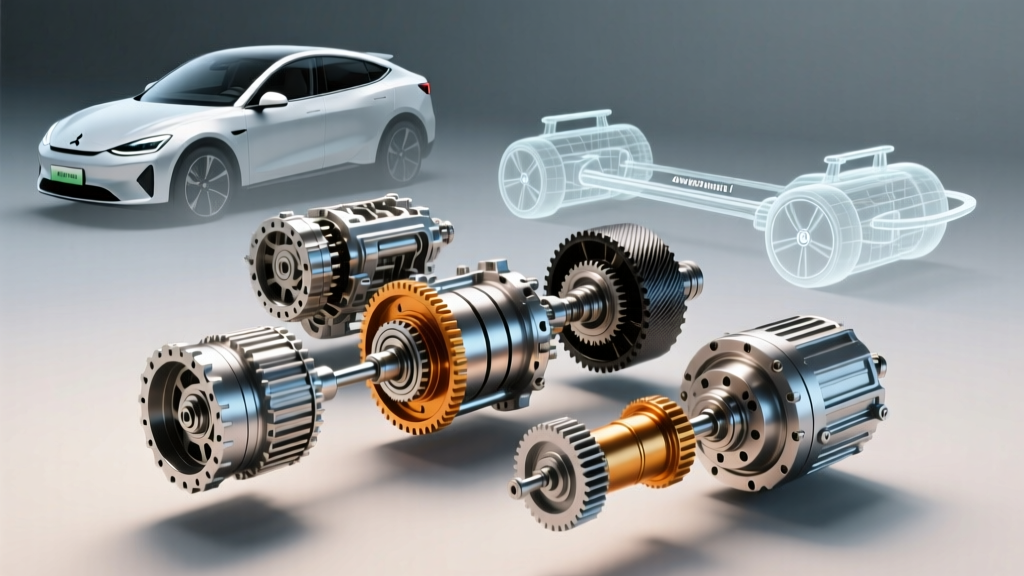
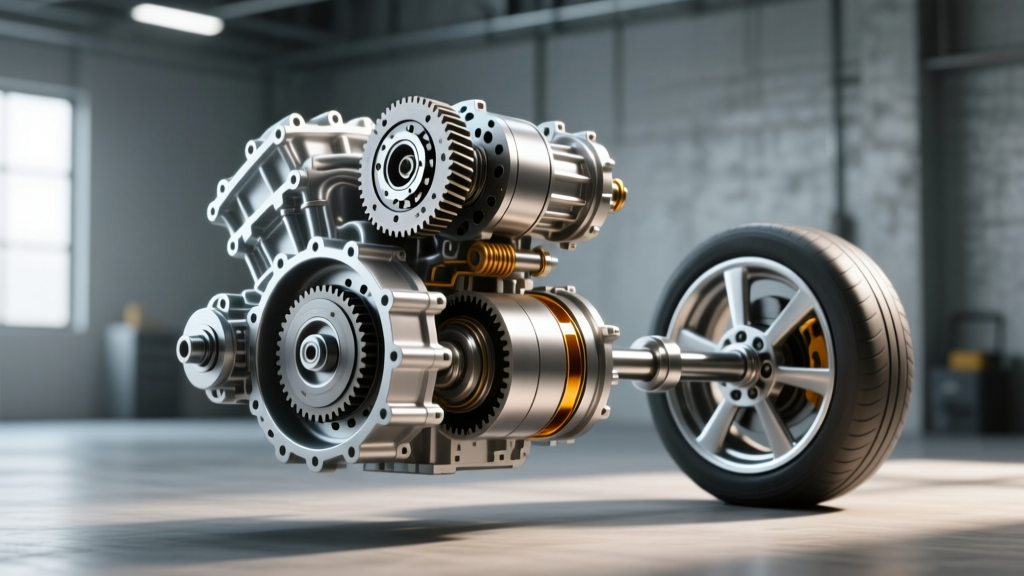
To understand why a FWD drivetrain is so efficient, you first have to look at how it is packaged. In a front-wheel-drive vehicle, the engine is typically mounted transversely (sideways) across the engine bay. The transmission and the differential are combined into a single, compact unit known as a transaxle. This transaxle bolts directly to the side of the engine, sending power straight to the front wheels via two short constant velocity (CV) axles.
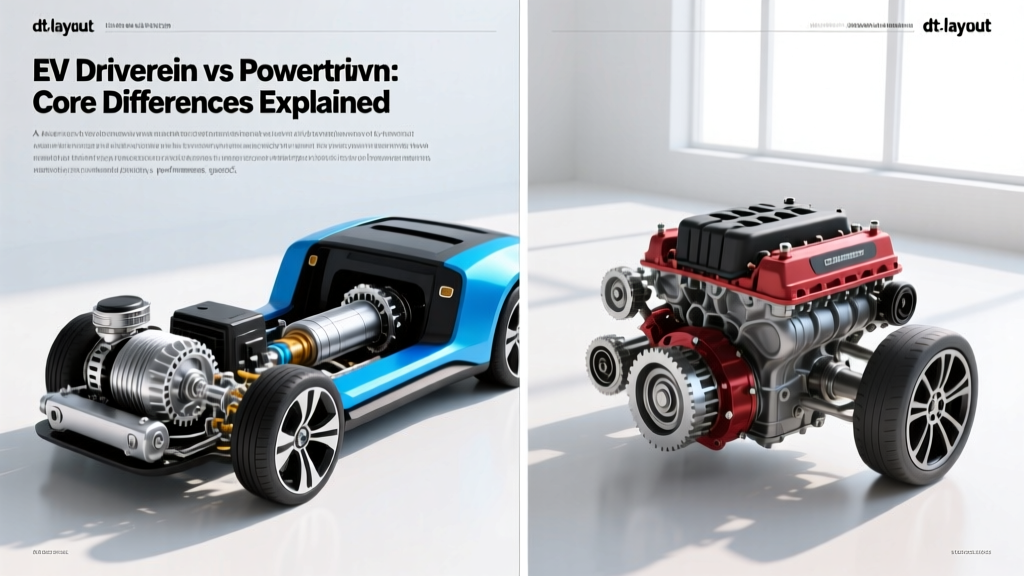
Compare this to a traditional Rear-Wheel Drive (RWD) layout, where the engine is mounted longitudinally (front-to-back). A RWD vehicle requires a heavy steel or aluminum driveshaft to carry power the entire length of the car to a rear differential, which then splits the power to two rear half-shafts. By eliminating the long driveshaft, the rear differential housing, and the associated rear axles, a FWD drivetrain saves a massive amount of weight.
- Driveshaft elimination: Saves 30 to 50 lbs.
- Rear differential removal: Saves 40 to 70 lbs.
- Rear axle shafts and bearings: Saves 30 to 50 lbs.
In total, a FWD layout can be 150 to 250 pounds lighter than a comparable RWD setup. According to the U.S. Environmental Protection Agency (EPA), reducing a vehicle's weight by just 100 pounds can improve fuel economy by 1% to 2%. Over the lifespan of the vehicle, that weight reduction yields hundreds of gallons in saved fuel.
Mapping Parasitic Loss in a FWD Drivetrain
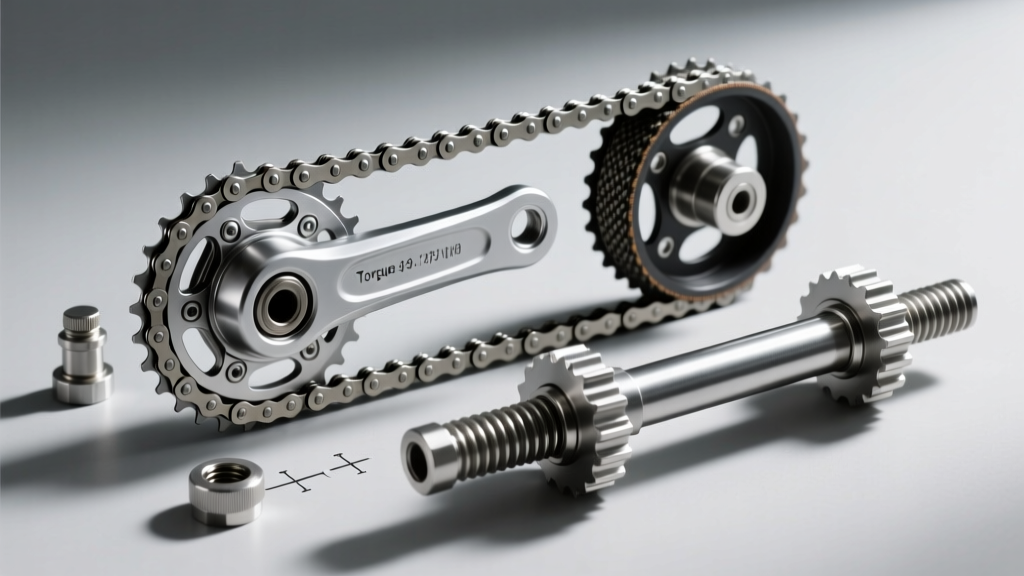
Not all the horsepower your engine creates actually reaches the tires. The difference between the power generated at the crankshaft and the power measured at the wheels is called parasitic loss. Think of parasitic loss like friction in a bicycle chain; it is the energy consumed by the internal friction, fluid churning, and rotational mass of the drivetrain components.
A FWD drivetrain is inherently more efficient at minimizing parasitic loss for two main reasons:
1. Fewer Rotational Components
Every gear mesh, bearing, and U-joint in a drivetrain consumes a fraction of engine power just to keep spinning. Because a FWD transaxle routes power directly sideways into the wheel hubs, it eliminates the 90-degree gear angle changes required in a RWD rear differential (where a pinion gear must turn a ring gear). Those 90-degree gear meshes are notorious for generating friction and heat, which is wasted energy.
2. Reduced Fluid Churning
Modern FWD transaxles hold significantly less fluid than traditional RWD transmissions and separate differentials. For example, a standard FWD 6-speed automatic might hold 6.5 quarts of fluid, whereas a RWD setup might require 10 quarts in the transmission and another 3 quarts in the rear differential. Less fluid means less "churning loss"—the energy wasted by gears violently agitating thick oil as they spin.
Drivetrain Layout Efficiency Comparison
How does FWD stack up against other configurations when it comes to putting power to the ground and saving fuel? The table below illustrates typical parasitic loss percentages and weight penalties.
| Drivetrain Layout | Typical Parasitic Loss | Relative Weight Penalty | Impact on Fuel Economy |
|---|---|---|---|
| FWD (Front-Wheel Drive) | 10% - 15% | Baseline (Lightest) | Highest MPG Potential |
| RWD (Rear-Wheel Drive) | 15% - 20% | +150 to 250 lbs | Moderate MPG Reduction |
| AWD (All-Wheel Drive) | 20% - 25% | +250 to 400 lbs | Significant MPG Reduction |
As documented in extensive dyno testing by Car and Driver, FWD vehicles consistently exhibit the lowest percentage of drivetrain power loss, allowing smaller, more fuel-efficient engines to adequately propel the vehicle without working as hard.
Modern FWD Transaxles: Engineering for 2026 MPG Standards
As Corporate Average Fuel Economy (CAFE) standards tighten, automakers have pushed FWD transaxle engineering to incredible levels. Let us look at two real-world examples of how modern FWD units maximize efficiency.
The GM 9T50 9-Speed Automatic
Used in vehicles like the Chevrolet Malibu and Buick Encore, the GM 9T50 is a marvel of FWD efficiency. To reduce internal friction, GM designed this transaxle to use an Ultra Low Viscosity (ULV) automatic transmission fluid. Thinner fluid creates less drag on the clutch packs and planetary gear sets. The specific fluid required is ACDelco Dexron ULV (Part No. 19417577). Using standard, higher-viscosity ATF in this unit will immediately increase churning losses and drop your fuel economy by 1 to 2 MPG.
Toyota U880E 8-Speed Automatic
Found in the Toyota Camry and Highlander, the U880E transaxle utilizes a highly optimized gear ratio spread. By offering 8 forward gears, the engine can remain in its absolute most efficient RPM range (the "sweet spot" of the BSFC map) during highway cruising. Furthermore, Toyota utilizes a specialized low-friction ball bearing design on the output shafts to reduce rotational drag. This transaxle requires Toyota Genuine ATF WS (Part No. 00289-ATFWS), a synthetic fluid engineered specifically to maintain its thin, friction-reducing properties even after 100,000 miles of heat cycling.
Actionable Maintenance to Protect Your FWD Efficiency
A poorly maintained FWD drivetrain will quickly lose its fuel economy advantages. Binding CV joints, degraded fluid, and improper torque specs can introduce massive amounts of parasitic drag. Here is how to maintain your system for peak MPG:
- Use the Exact OEM Fluid: Never use "universal" ATF in a modern FWD transaxle. For a Honda Civic equipped with a CVT, you must use Honda HCF-2 (Part No. 08200-HCF2). The friction modifiers in HCF-2 are specifically tuned for the CVT's steel push-belt, preventing micro-slip that ruins fuel economy.
- Monitor CV Axle Boot Integrity: If a CV boot tears, grease escapes and dirt enters. A dry CV joint will bind and create severe rotational drag. Inspect the rubber accordion boots behind your front wheels every 10,000 miles.
- Respect Axle Nut Torque Specs: When replacing brakes or suspension components, the FWD axle nut must be torqued correctly to seat the wheel bearing. For a Honda Civic, the front axle nut requires exactly 134 lb-ft (181 Nm). Under-torquing causes bearing play and drag; over-torquing crushes the bearing races, creating immense rolling resistance.
- Transaxle Drain Plug Torque: When performing a drain-and-fill on a Honda CVT, the 17mm drain plug must be torqued to 33 lb-ft (44 Nm) with a new 18mm crush washer (Part No. 90471-PX4-000) to prevent micro-leaks that lead to low fluid levels and increased internal friction.
Expert Insight: If you notice your FWD vehicle pulling to one side or the steering wheel vibrating under acceleration, your CV joints or wheel alignment are compromised. Misaligned front wheels create lateral scrubbing against the pavement, which forces the FWD transaxle to work harder, directly siphoning off your fuel economy.
Summary
The FWD drivetrain remains the undisputed king of internal combustion and mild-hybrid fuel economy. By eliminating heavy longitudinal driveshafts, reducing the number of friction-inducing gear meshes, and utilizing ultra-low viscosity fluids, modern FWD transaxles ensure that more of your engine's power reaches the pavement. By understanding the mechanics of parasitic loss and adhering to strict OEM maintenance schedules, you can preserve the inherent efficiency of your front-wheel-drive vehicle for hundreds of thousands of miles.