The UKL Paradigm Shift: Transverse FWD Architecture
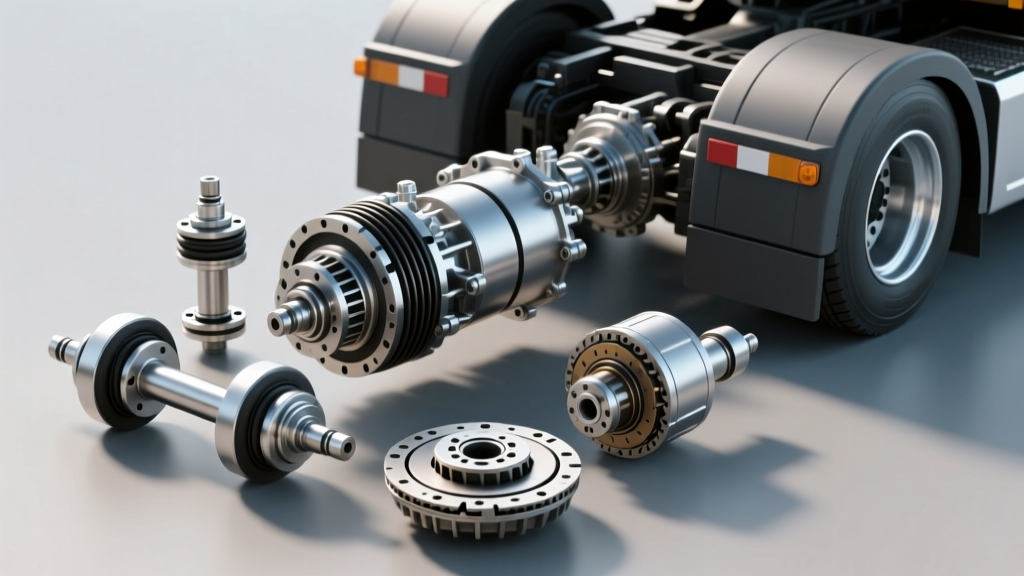
For decades, the Bavarian automaker was synonymous with longitudinal, rear-wheel-drive layouts. However, the introduction of the UKL (Untere Klasse) platform fundamentally altered the brand's engineering DNA. Vehicles such as the F48 X1, F39 X2, and F40 2 Series Gran Coupe utilize a transverse engine and front-wheel-drive (FWD) biased architecture. While this packaging maximizes interior volume, it introduces an entirely new ecosystem of transaxles, halfshafts, and torque-management challenges. For technicians and enthusiasts, diagnosing a drivetrain BMW fault on these platforms requires abandoning traditional RWD logic and embracing transverse FWD system operation.
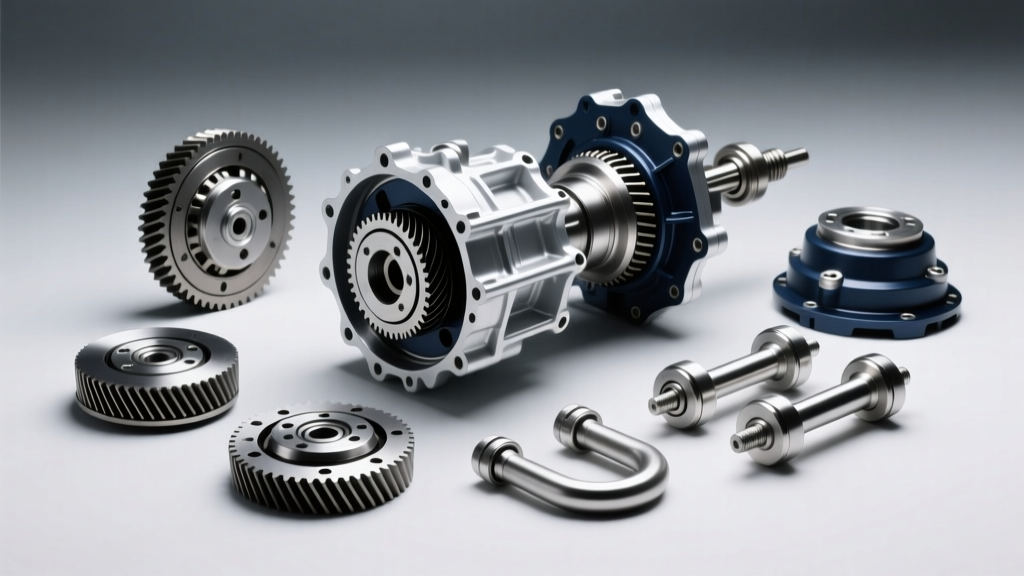
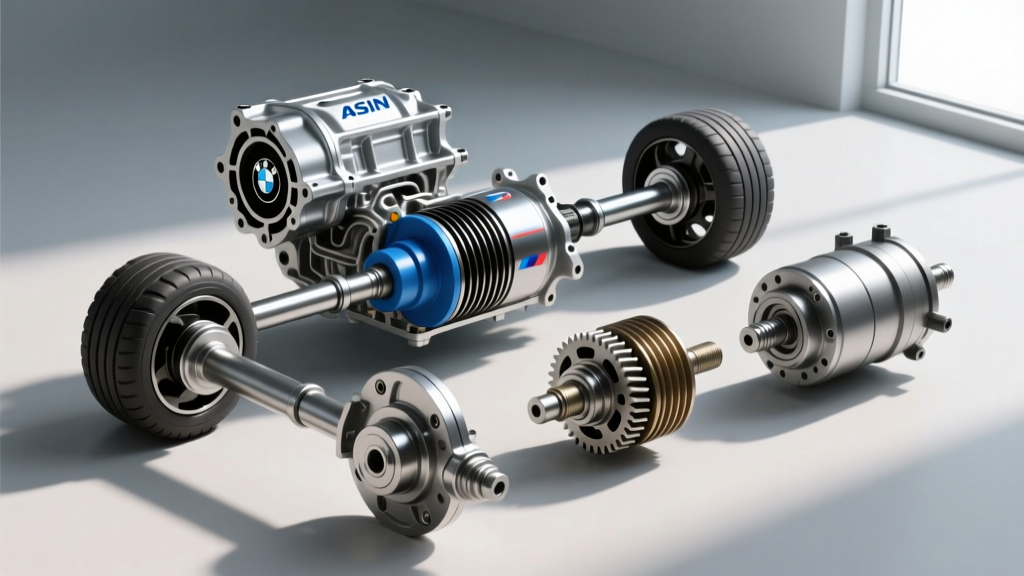
Unlike the ZF 8HP longitudinal transmissions found in RWD models, UKL FWD vehicles primarily rely on the Aisin AW F8-45TG 8-speed automatic transaxle or the Getrag 7G-DCT (7-speed dual-clutch transmission). Understanding the distinct operational characteristics and failure modes of these transverse drivetrains is critical for accurate symptom diagnosis in 2026 and beyond.
Decoding the 'Drivetrain Malfunction' Alert
The infamous 'Drivetrain Malfunction: Drive Moderately' dashboard warning is a frequent source of panic. In longitudinal BMWs, this is often tied to fuel delivery, ignition coil failures, or turbocharger wastegate rattles. However, in FWD UKL models, this warning can legitimately stem from transverse drivetrain mechanical stress or transmission control module (TCM) anomalies.
- DME vs. EGS Faults: The warning is a generic umbrella triggered by the Digital Motor Electronics (DME) or the Electronic Transmission Control (EGS). You must use a BMW-specific scanner (like ISTA+ or a high-end bidirectional tool) to read shadow codes.
- Torque Converter Clutch (TCC) Slip: The Aisin 8-speed utilizes an aggressive TCC lock-up strategy for fuel economy. If the AW-1 fluid degrades, the TCC may slip, triggering a localized EGS fault that escalates to the main dash warning.
- Thermal Protection Modes: The Getrag 7G-DCT features wet clutches. Aggressive launch control or sustained hill climbs can overheat the DCT fluid, prompting the EGS to limit torque output and trigger the drivetrain warning to protect the clutch packs.
Diagnostic Pro-Tip: Never assume a 'Drivetrain Malfunction' on an F40 228i is purely engine-related. Always pull EGS adaptation values. If the clutch fill times (Füllzeiten) have deviated by more than 15 milliseconds from baseline, the transaxle valve body or clutch packs are wearing, regardless of DME health.
Mechanical Symptom Isolation Matrix
When electronic scans yield no active codes, the diagnosis shifts to mechanical symptom isolation. The transverse layout subjects FWD components to severe steering and suspension articulation angles, accelerating wear in specific areas. Use the following matrix to map driver complaints to physical FWD drivetrain faults.
| Symptom Profile | Operating Condition | Probable FWD Component Fault | Diagnostic Verification Method |
|---|---|---|---|
| Rhythmic clicking/popping | Full-lock steering under load | Outer Rzeppa CV joint cage wear | Visual boot inspection; road test in tight circles |
| Heavy shudder/vibration | Hard acceleration (40-60 mph) | Inner tripod CV joint binding or pitting | Chassis ear on transaxle housing; inspect inner race |
| Low-frequency whine | Coasting or light deceleration | Transaxle differential bearing wear | Stethoscope on diff cover; drain fluid for glitter |
| Severe torque steer | Initial throttle tip-in (1st/2nd gear) | Collapsed hydraulic engine/trans mount | Pry bar check on mount deflection; visual fluid leak |
Deep-Dive Troubleshooting: CV Axles & Transaxle Differentials
GKN Halfshaft Failure Modes in FWD Applications
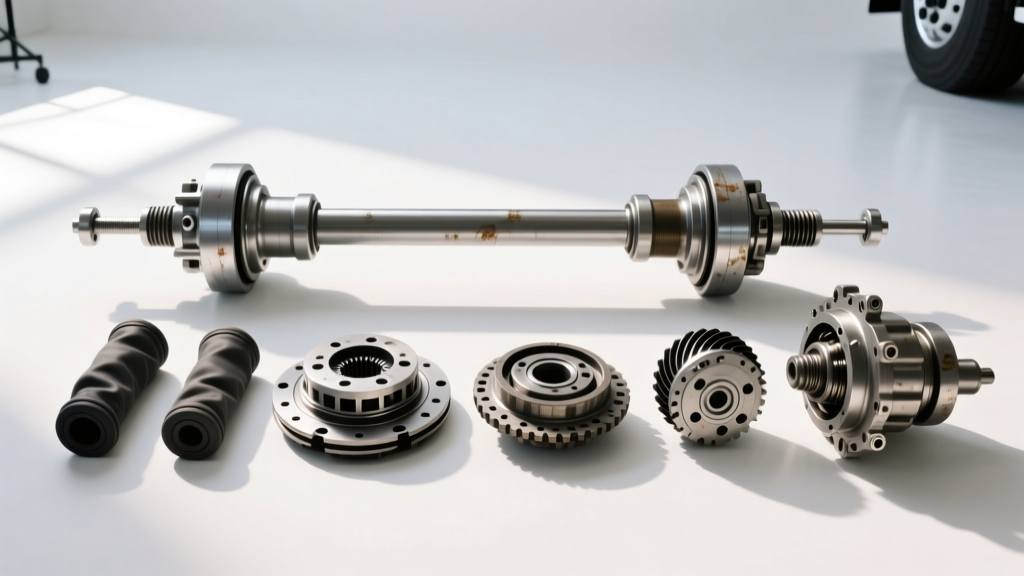
BMW sources its FWD halfshafts primarily from GKN Automotive. The inner joints on UKL platforms are typically tripod-style, while the outer joints are Rzeppa ball-type. A common misdiagnosis occurs when technicians attribute high-speed vibrations to wheel balance or bent rims, when the actual culprit is a worn inner tripod joint. As the needle bearings inside the tripod cross wear, they create a harmonic resonance that transfers directly through the transaxle differential case into the cabin. According to drivetrain specialists featured on the BMW Blog, replacing the entire GKN halfshaft assembly (rather than attempting to rebuild the inner joint with aftermarket kits) is the only reliable fix, as the tripod race is often permanently scored.
Aisin AW F8-45TG Torque Converter Shudder
The Aisin 8-speed transaxle is a marvel of packaging, but it is highly sensitive to fluid friction coefficients. Around 60,000 to 80,000 miles, owners frequently report a 'rumble strip' shudder sensation during light throttle application in 4th or 5th gear. This is not a failing torque converter; it is a fluid shear issue. The specialized friction modifiers in the OEM ATF break down, causing the TCC to micro-slip and grab hundreds of times per second. Performing a dual-cycle drain and fill (not a high-pressure flush) using strictly OEM fluid usually resolves this without requiring transaxle removal.
Precision Torque Specs & Fluid Capacities
Proper reassembly of FWD drivetrain components requires adherence to exact torque specifications. Improper axle nut tension will destroy the wheel hub bearing, while under-torquing transaxle mount bolts will lead to case cracking under the 255 lb-ft of torque generated by the B48 2.0L engine.
- Front Axle Nut (M24x1.5): 210 Nm + 90 degrees (Always use a new stretch nut; never reuse).
- Wheel Hub Carrier Bolts: 80 Nm + 90 degrees.
- Transaxle-to-Engine Block Bolts (M10): 38 Nm.
- Flexplate-to-Torque Converter Bolts: 25 Nm (Apply Loctite 243; critical for preventing shear).
- Aisin AW F8-45TG Total Fluid Capacity: Approx. 7.0 Liters.
- Aisin Drain & Fill Volume: Approx. 3.2 to 3.5 Liters (Level check must be performed with fluid temperature between 35°C and 45°C via ISTA).
- OEM Fluid Part Number: BMW P/N 83222408499 (ATF AW-1 equivalent).
Sourcing & Real-World Repair Economics
Navigating the parts ecosystem for FWD BMWs requires understanding the difference between 'Genuine BMW' boxed parts and OEM equivalents. When sourcing replacement CV axles, purchasing the GKN Löbro boxed unit from suppliers like FCP Euro or RockAuto can save 40% to 60% compared to the dealer counter, despite the part being identical. A complete front left halfshaft assembly typically ranges from $350 to $550 in the aftermarket, whereas dealer pricing often exceeds $900.
For electronic diagnostics, independent shops must invest in ISTA+ licensing or advanced aftermarket tablets capable of executing BMW-specific EGS adaptation resets. Failing to reset the transmission adaptations after a fluid change or mount replacement will result in harsh shift events, as the TCM will continue to apply clutch pressures calibrated for the degraded fluid or collapsed mounts. Mastering these FWD-specific nuances is what separates a generic repair shop from a true BMW drivetrain specialist in the modern era.