The Forgotten Axle: Why Front Differential Maintenance Matters
When enthusiasts and daily drivers alike think of drivetrain maintenance, the rear differential and engine oil usually steal the spotlight. However, in four-wheel-drive (4WD) and all-wheel-drive (AWD) vehicles, the front differential endures immense stress, particularly during low-traction off-road scenarios, tight binding turns, and heavy towing. Despite this, front axle gear oil is frequently neglected until a catastrophic failure occurs. As we navigate the automotive landscape in 2026, with synthetic lubricant prices fluctuating and shop labor rates climbing, understanding the financial and mechanical implications of front axle service is critical. One of the most common questions we receive at AutoGearNexus is: how often should differential fluid be changed on the front axle, and what does it actually cost to do it right?
How Often Should Differential Fluid Be Changed in Front Axles?
The answer to how often should differential fluid be changed depends heavily on your vehicle's drivetrain architecture and your specific duty cycle. Unlike part-time rear axles that are always engaged, front differentials in traditional part-time 4WD systems (like the Dana 30 or Dana 44 IFS) only spin the ring and pinion when the transfer case is engaged. However, the fluid still degrades due to heat cycling, condensation, and seal weeping.
- Normal Daily Driving (AWD/Crossover): Every 50,000 to 60,000 miles. Full-time AWD systems (such as those utilizing BorgWarner TOD or ZF integrated front disconnects) constantly load the front differential gears.
- Part-Time 4WD (Street & Light Trail): Every 30,000 to 40,000 miles, or every 3 years, whichever comes first. Time degrades the anti-wear additive packages even if mileage is low.
- Severe Duty (Rock Crawling, Deep Water, Heavy Snow): Every 10,000 to 15,000 miles. Water ingestion through the axle tube breather is the primary enemy here, turning gear oil into an emulsified, ineffective paste.
2026 Front Differential Service Cost Breakdown
Let us break down the real-world costs of a front differential fluid service in 2026. Prices have shifted upward due to the increased cost of Group IV and Group V synthetic base stocks and complex sulfur-phosphorus EP (Extreme Pressure) additive packages.
| Service Tier | Estimated Cost (2026) | What Is Included | Pros & Cons |
|---|---|---|---|
| DIY (Do It Yourself) | $35 - $55 | 2-3 Quarts Synthetic 75W-90, Copper/Aluminum Crush Washers, Shop Towels. | Pro: Cheapest, ensures correct fluid. Con: Requires tools, messy, skid plate removal. |
| Independent Shop | $130 - $180 | Labor (0.5 - 0.8 hrs), Bulk or Bottled Synthetic GL-5 Gear Oil, Basic Inspection. | Pro: Saves time, includes lift inspection. Con: May use generic bulk oil instead of premium. |
| Dealership | $210 - $280 | OEM Branded Fluid, Factory Labor Rates ($160+/hr), Multi-Point Inspection. | Pro: Warranty compliant, OEM spec exactness. Con: Highest cost, often uses conventional/mineral blends. |
Material Costs: Gear Oil Specifications and Part Numbers
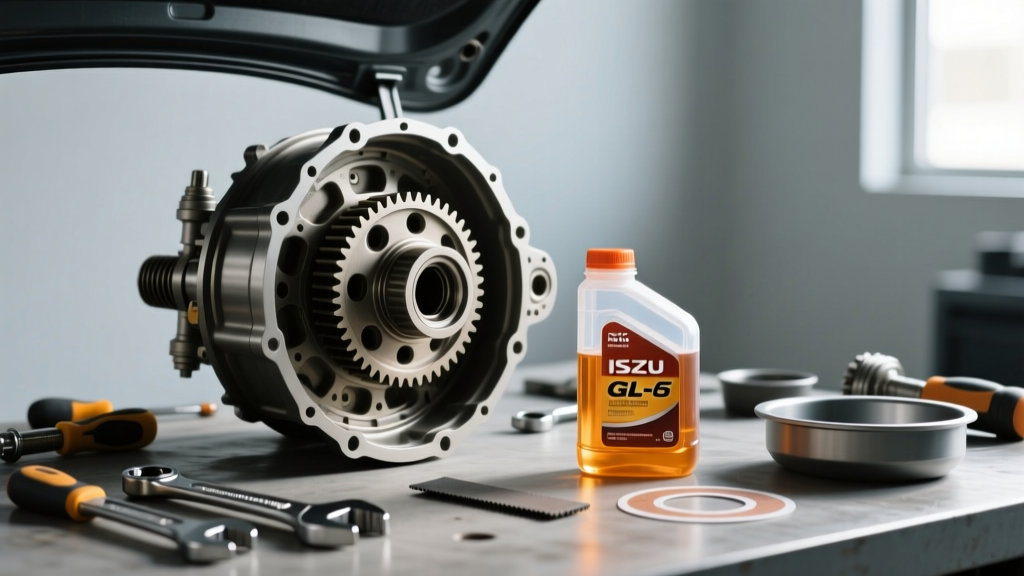
The front differential requires a lubricant that can handle extreme shear forces while protecting the ring and pinion hypoid gear geometry. Most modern front axles require an API GL-5 certified gear oil. Using a GL-4 fluid in a hypoid differential will result in rapid gear pitting and catastrophic tooth shear.
In 2026, premium synthetic gear oils range from $16 to $24 per quart. Here are three industry-standard options we recommend for front axle applications:
- Red Line 75W-90 Synthetic Gear Oil (Part #57904): Priced around $21/qt. Known for its polyol ester base, offering exceptional film strength in high-heat rock crawling scenarios. (Red Line Oil 75W-90 Gear Oil)
- AMSOIL Severe Gear 75W-90 (Part #SVGQT): Priced around $19/qt. Features a heavy dose of extreme-pressure additives ideal for heavy-duty trucks like the Ram 2500 with the AAM 9.25 front axle. (AMSOIL Synthetic Gear Lube)
- OEM Mopar 75W-85 (Part #68218655AA): Priced around $18/qt. Required for newer Jeep JL/Gladiator Dana 44 axles to ensure proper actuator engagement and fuel economy compliance.
Expert Note on Friction Modifiers: Unlike rear axles, front differentials rarely use clutch-type limited-slip differentials (LSD) due to steering bind issues. Most front LSDs are helical (Torsen-style) or automatic locking (Detroit/Eaton), which do not require friction modifier additives. Adding friction modifier to a front locking differential can actually cause the locking mechanism to slip or fail to engage.
Labor Variables: Why Front Diffs Cost More to Service
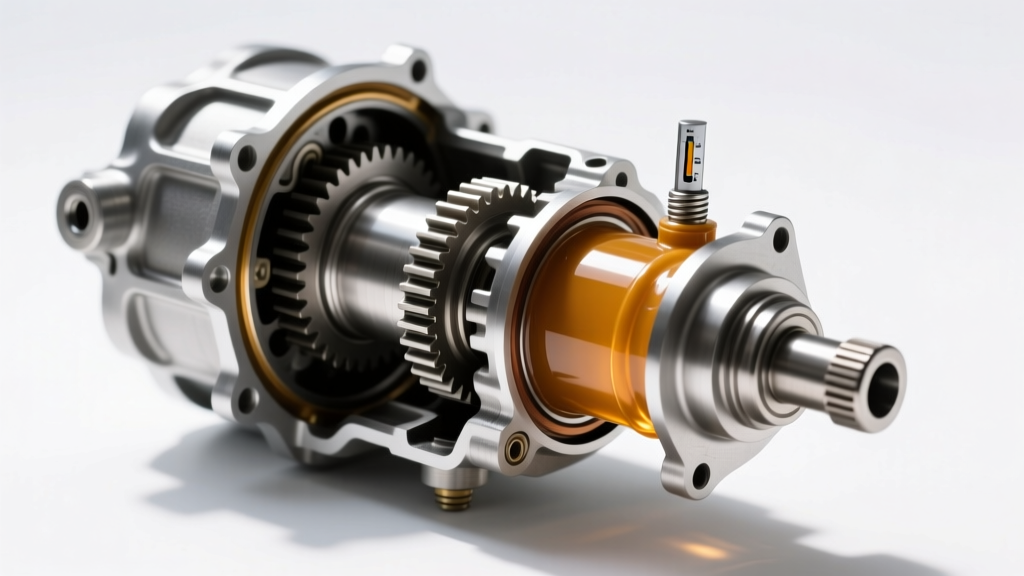
You might wonder why a shop charges more for a front differential service than a rear one, even though the fluid capacity is similar (typically 1.5 to 2.5 quarts). The answer lies in chassis packaging and Independent Front Suspension (IFS) complexity.
On a solid rear axle, the fill and drain plugs are usually exposed. On a modern front IFS setup (like the Toyota Tacoma or GM Silverado), the differential is tucked high into the chassis crossmembers. Technicians often must remove heavy steel skid plates, plastic aerodynamic splash shields, and sometimes even sway bar links just to access the fill plug. Furthermore, overfilling a front differential can lead to fluid migrating past the inner axle seals into the axle tubes, or worse, contaminating the electronic axle disconnect actuators found on modern ZF 8-speed equipped 4WD systems, leading to a $600+ actuator replacement.
Torque Specs and Service Procedures for Common Front Axles
Stripping a differential fill plug is a rite of passage for amateur mechanics, but it is an expensive mistake. Always use a high-quality 6-point socket or a dedicated 3/8-inch square drive plug tool. Never use an impact wrench to remove or install differential plugs.
| Axle Model | Common Vehicles | Fluid Capacity | Drain/Fill Torque Spec |
|---|---|---|---|
| Dana 44 IFS / Solid | Jeep JL Rubicon, Gladiator, Ford Super Duty (Reverse 44) | ~2.0 Quarts | 25 lb-ft (34 Nm) |
| Toyota 8.0" IFS | Tacoma, 4Runner, FJ Cruiser, Land Cruiser | ~1.6 Quarts (1.5L) | 29 lb-ft (39 Nm) |
| GM AAM 9.25" IFS | Silverado 1500, Sierra, Tahoe, Suburban | ~1.8 Quarts | 24 lb-ft (33 Nm) |
| Subaru Front Diff | WRX, Outback, Forester (Integrated/Separate) | Varies (Often shared with Trans) | 31 lb-ft (42 Nm) |
The True Cost of Neglect: Failure Modes and Rebuild Pricing
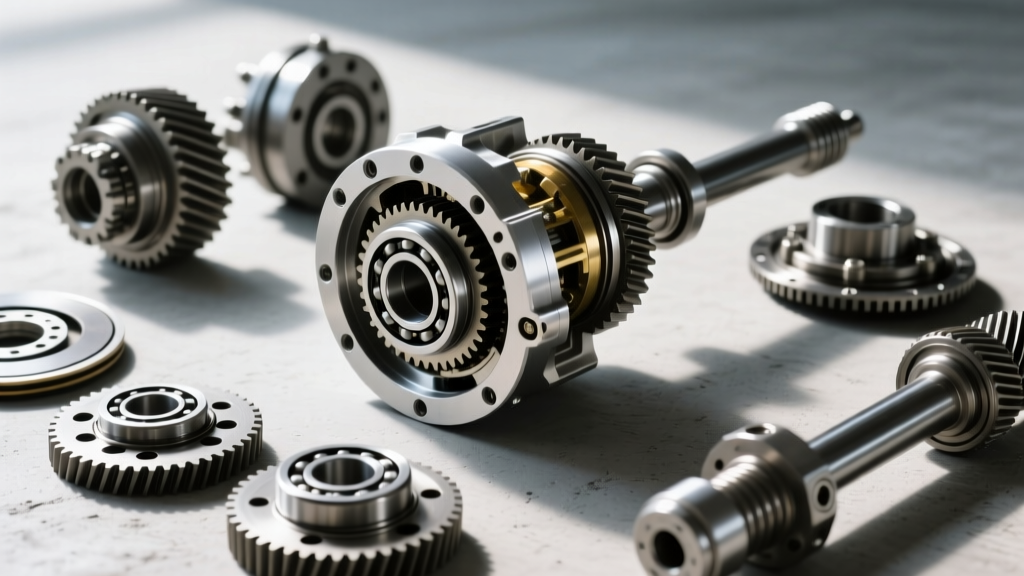
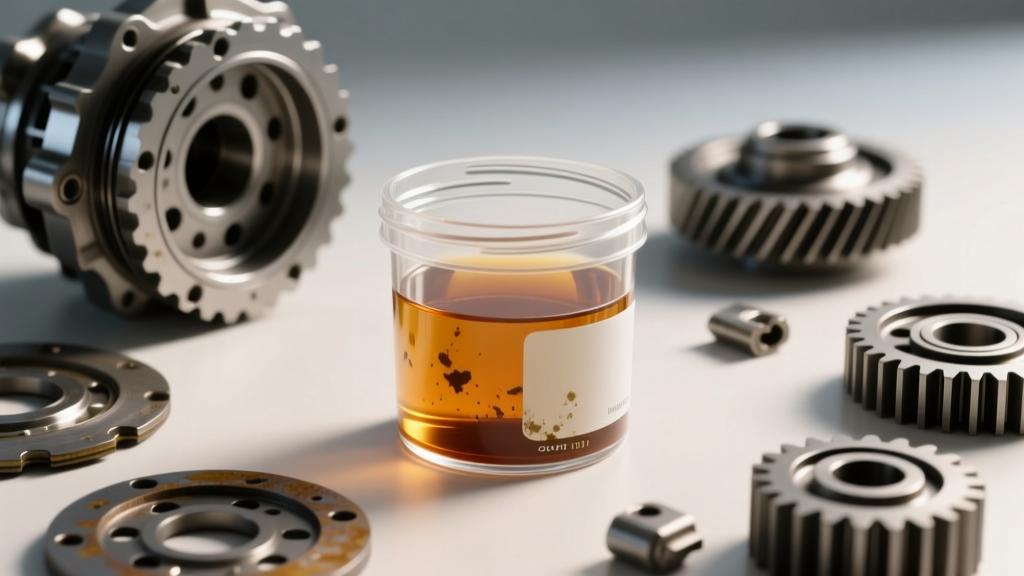
Ignoring the interval for how often should differential fluid be changed leads to a cascade of mechanical failures. The most common failure mode in neglected front differentials is water ingestion. When a hot differential is submerged in cold water (like crossing a creek), the rapid temperature drop creates a vacuum, sucking moisture past the pinion seal or axle tube breathers. This water mixes with the sulfur-phosphorus additives, creating a corrosive acid that etches the bearing races and ring gear teeth.
If the fluid turns the color of a chocolate milkshake, the damage is already underway. The cost to ignore a $40 fluid change can easily snowball into a $1,500 to $2,800 front differential rebuild. This price includes:
- Master Rebuild Kit: $250 - $400 (Includes Timken bearings, shims, pinion nut, and seals).
- Ring and Pinion Set: $300 - $600 (If pitting has destroyed the hypoid gear pattern).
- Machine Shop & Labor: $800 - $1,500 (Setting gear backlash and bearing preload requires precision dial indicators and specialized pullers).
Final Verdict: The ROI of Front Axle Maintenance
When evaluating the cost analysis of drivetrain maintenance, the front differential offers the highest return on investment for your time and money. By spending $40 on premium synthetic gear oil and 45 minutes of your weekend every 30,000 miles, you insulate yourself from thousands of dollars in IFS teardowns, bearing replacements, and tow truck bills. Always consult your specific owner's manual for the exact OEM fill level requirements, and remember that the fill plug must always be removed before the drain plug to ensure you are not left with an empty axle and a stuck fill cap.