The True Cost of Front Differential Service in 2026
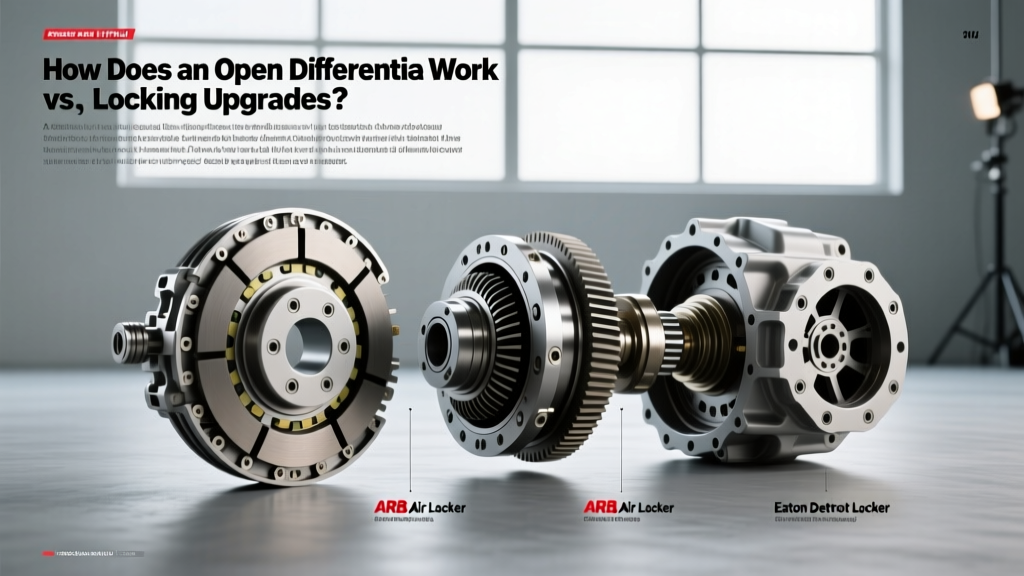
When maintaining a four-wheel-drive vehicle, the front axle often takes a backseat to the rear, despite enduring immense stress during off-road articulation and high-load steering maneuvers. This is especially true for vehicles equipped with locking differentials. Whether you are running a factory electronic locker in a Jeep Rubicon, an ARB Air Locker, or an Eaton Detroit Locker, the internal mechanics demand precise lubrication to prevent catastrophic failure. Yet, many owners delay this critical maintenance due to uncertainty surrounding the actual costs involved.
In this comprehensive cost analysis, we break down the exact pricing for front differential fluid service in 2026. We will compare dealership rates, independent shop labor, and DIY expenses, while diving deep into the specific gear oil requirements, torque specifications, and hidden costs associated with servicing front axles housing locking differentials.
The Financial Breakdown: Dealership vs. Independent vs. DIY
The cost of a front differential fluid change varies wildly depending on who is turning the wrench. Dealerships often treat front axle service as a premium line item, while independent 4x4 shops may bundle it with transfer case and rear differential services for a discounted rate. Below is a realistic price matrix for a standard front differential service (drain, clean, and refill) on a solid front axle (SFA) like a Dana 44 or an independent front suspension (IFS) setup like a GM 8.25-inch.
| Service Provider | Fluid Cost | Labor Rate (2026 Avg) | Estimated Time | Total Estimated Cost |
|---|---|---|---|---|
| OEM Dealership | $45 - $70 (OEM Branded) | $180 - $250 / hr | 1.0 - 1.5 hrs | $225 - $445 |
| Independent 4x4 Shop | $35 - $55 (Premium Synthetic) | $130 - $175 / hr | 0.75 - 1.0 hr | $132 - $230 |
| DIY (Do It Yourself) | $40 - $65 (Retail Synthetic) | N/A | 1.0 - 2.0 hrs | $40 - $65 (Plus Tools/RTV) |
As the table illustrates, DIY service yields massive savings. However, the DIY route requires specific tools, including a torque wrench, a fluid transfer pump, and potentially a gasket scraper if your axle utilizes RTV silicone rather than a pre-cut cork or rubber gasket.
The Engineering Reality: Gear Oil Selection for Locking Differentials
One of the most common—and expensive—mistakes made during front differential service is selecting the wrong gear oil for the specific type of locker installed. The term 'locking differentials' is frequently conflated with 'limited-slip differentials' (LSD), but their lubrication requirements are fundamentally different.
The Friction Modifier Myth
Clutch-based limited-slip differentials (like the Auburn or Trac-Lok) require a specialized friction modifier additive (such as GM ACDelco 10-9003 or Ford EST-M2C118-A) to prevent clutch chatter. However, true locking differentials—including mechanical lockers (Detroit, Ox), pneumatic lockers (ARB Air Locker), and most factory electronic lockers (Jeep Rubicon Dana 44 e-locker)—do not utilize friction clutches. Adding a friction modifier to a true locking differential is unnecessary, offers zero performance benefits, and can theoretically alter the viscosity profile of the fluid under extreme thermal loads.
Recommended Fluids and Pricing
For true locking differentials, you want a high-quality, GL-5 rated synthetic gear oil with robust extreme pressure (EP) additives. According to engineering guidelines from Dana Spicer, maintaining proper EP protection is vital for the ring and pinion gears that drive the locker assembly.
- AMSOIL Severe Gear 75W-90 (SVG): Retailing around $22.95 per quart, this is a top-tier choice for heavily modified rigs running 35-inch tires or larger. Its high film strength protects the locking mechanism's internal dogs and pins.
- Red Line 75W-90 (Non-Slip / NS): Priced at approximately $24.50 per quart, Red Line's NS formula is specifically engineered without the friction modifiers that clutch-type LSDs need, making it the gold standard for ARB and Detroit lockers. Learn more about their formulation on the Red Line Oil gear oils page.
- Mobil 1 Synthetic Gear Lube 75W-90: A more budget-friendly option at roughly $16.00 per quart, widely available and perfectly adequate for stock to mildly built factory e-lockers.
Labor Variables: Drain-and-Fill vs. Full Cover Removal
The methodology of the service directly impacts the labor cost. Many modern IFS front differentials (such as those found on the Toyota Tacoma or Ford F-150 Tremor) feature a simple drain and fill plug. This reduces labor time to under 30 minutes. However, solid front axles (like the classic Dana 30, Dana 44, or Dana 60) typically lack a drain plug, requiring the entire differential cover to be removed.
The Hidden Costs of Cover Removal
Removing the cover introduces several variable costs that a 'drain-and-fill' avoids:
- RTV Silicone: Most solid axles require a bead of high-temp RTV. A tube of Permatex Ultra Black (Part #81180) costs about $11.00. If a shop uses a cheap gasket that leaks, you will be paying for the labor all over again.
- Brake Cleaner: The mating surface must be stripped of old oil and old RTV. Shops will bill for 1-2 cans of brake cleaner ($8 - $15).
- Internal Inspection: A reputable shop will charge an extra 0.2 hours of labor to inspect the ring and pinion for excessive pitting, check the locking differential's engagement pins for shear damage, and verify backlash using a dial indicator if the fluid contains heavy metallic glitter.
Torque Specifications and Axle Capacities
Overtightening differential cover bolts is a notorious cause of warped flanges and subsequent oil leaks. When performing the service, adhering to exact torque specifications is non-negotiable. Below is a reference chart for common front axles equipped with locking differentials.
| Axle Model | Fluid Capacity | Cover Bolt Torque Spec | Common Vehicle Applications |
|---|---|---|---|
| Dana 30 (Reverse Cut) | 2.5 - 3.0 Pints | 25 - 35 lb-ft | Jeep Wrangler (JL/JK) Front |
| Dana 44 (Standard) | 3.5 - 4.0 Pints | 25 - 35 lb-ft | Jeep Rubicon, Ford Super Duty (Pre-2005) |
| Ford 8.8 IFS | 2.5 - 2.8 Pints | 28 - 38 lb-ft (Plug/Bracket) | Ford F-150 / Ranger (E-Locker) |
| GM 8.25 IFS | 2.8 - 3.2 Pints | N/A (Drain/Fill Plug Only) | Chevy Colorado ZR2 (E-Locker) |
Note: Always verify the exact capacity by filling the differential until the fluid begins to weep out of the fill hole, as aftermarket differential covers (such as those from ARB or Mag-Hytec) drastically increase fluid volume.
Hidden Costs: Breather Tubes and ARB Air Lines
If your front locking differential is an aftermarket ARB Air Locker, the front diff service presents a critical opportunity to inspect the pneumatic bulkhead fitting. The O-ring inside the bulkhead seal is prone to degradation from contaminated gear oil and thermal cycling. If the O-ring fails, the locker will not engage, and diagnosing the issue often requires dropping the differential cover anyway.
Replacing the ARB Bulkhead Seal Kit (Part #180200) costs roughly $25.00 for the part. If you are already paying a shop $150 in labor to service the front diff, adding this preventative seal replacement is a highly cost-effective edge-case mitigation. Furthermore, factory breathers are often short and prone to sucking in water during deep crossings. Upgrading to an extended breather kit (costing $40 - $80 installed) is a vital hidden cost to factor into your long-term front axle maintenance budget.
Summary: Is the Investment Worth It?
Servicing the front differential fluid on a vehicle with locking differentials is not an area where you should cut corners. While a dealership might charge upwards of $400 for the privilege, an independent 4x4 specialist will typically perform a more thorough job—including RTV application and internal locker inspection—for around $180. For the DIY mechanic, a $50 investment in premium GL-5 synthetic gear oil (like Red Line or AMSOIL) and a Saturday afternoon in the garage ensures that your ring, pinion, and locking mechanism are protected against the extreme shear forces of off-road driving. By understanding the true costs, fluid nuances, and torque specifications outlined above, you can keep your front axle locking reliably for hundreds of thousands of miles.