The Financial Reality of Front Differential Leaks
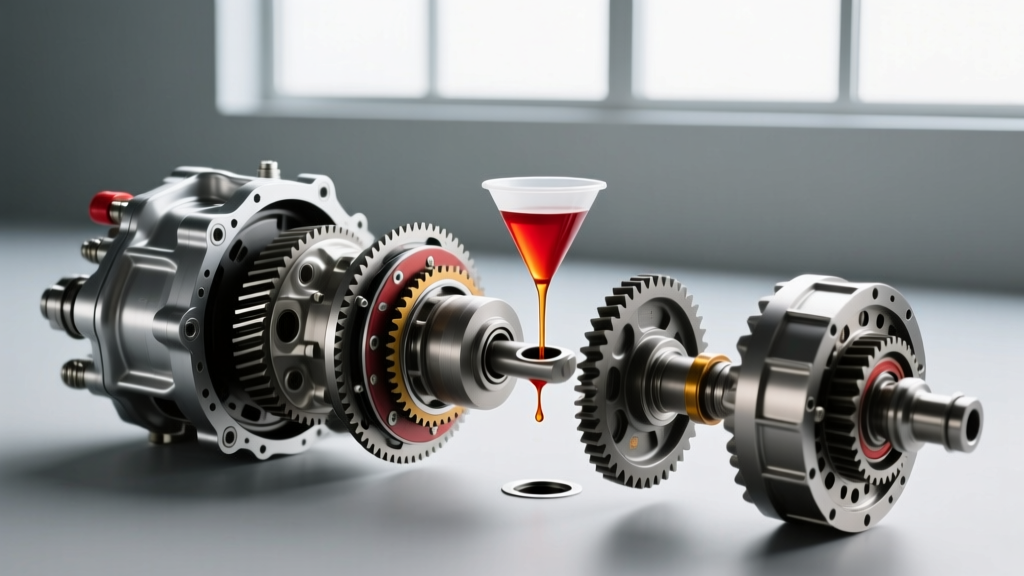
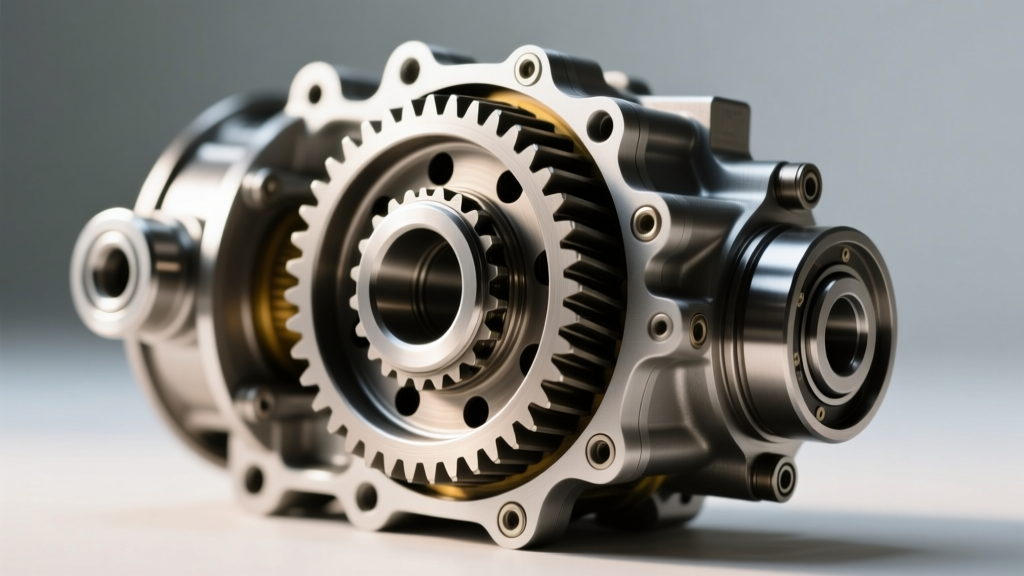
In modern four-wheel-drive and all-wheel-drive vehicles, the front differential is a marvel of high-torque engineering. Whether you are navigating the trails in a Jeep Wrangler equipped with a Dana 44 solid axle or commuting in a Chevrolet Silverado 1500 utilizing a GM 8.6-inch Independent Front Suspension (IFS) setup, your front differential operates under immense mechanical and thermal stress. When gear oil begins to escape, it is not merely an aesthetic nuisance; it is a ticking time bomb for catastrophic bearing and gear failure. From a cost-analysis perspective, identifying and addressing a leak early can mean the difference between a $150 seal replacement and a $3,200 complete ring-and-pinion rebuild.
As an automotive drivetrain specialist, I frequently field questions from owners trying to trace the origin of gear oil spots on their garage floors. Understanding the anatomy of the front axle housing is the first step in controlling your repair costs. Below, we break down the exact diagnostic points, the associated 2026 repair costs, and the critical torque specifications required to fix the issue correctly the first time.
Diagnostic Mapping: Where Would You Look for Leaks Coming From the Differential?
To accurately estimate your repair budget, you must first isolate the failure point. Gear oil is highly viscous and tends to migrate along the axle tubes or chassis components via wind resistance, making the origin point deceptive. Here is the systematic diagnostic map for front differential leaks:
1. The Pinion Seal (Driveshaft Yoke Junction)
Located where the front driveshaft mates to the differential housing, the pinion seal is the most common failure point. It is subjected to high rotational speeds, harmonic vibrations, and extreme heat. If you see fluid slung radially along the underside of the chassis or dripping directly from the front yoke, the pinion seal has failed. Diagnostic Cost Factor: Moderate. Replacing it requires draining the fluid, removing the driveshaft, and extracting the pinion nut.
2. Inner Axle Shaft Seals (IFS and Solid Axle)
Where the CV axles (on IFS trucks like the Ford F-150 or GM Silverado) or the inner axle shafts (on solid axles like the Ram 2500) enter the differential housing, there are press-fit lip seals. If you notice gear oil coating the inboard side of your CV joints or dripping from the axle tube disconnect (such as the GM actuator housing), these internal seals are compromised. Diagnostic Cost Factor: High. Labor is intensive as it requires unbolting the CV axles, removing the wheel hub assemblies, and using specialized slide-hammer pullers to extract the old seals without damaging the housing bore.
3. The Differential Cover Gasket
The inspection cover on the rear-facing side of the differential housing is sealed via an RTV silicone bead or a pre-cut cork/rubber gasket. Over-torquing the cover bolts during a previous fluid change can warp the stamped steel pan or crush the gasket, leading to a slow weep. Diagnostic Cost Factor: Low. This is the most straightforward and inexpensive repair.
4. The Axle Vent Tube
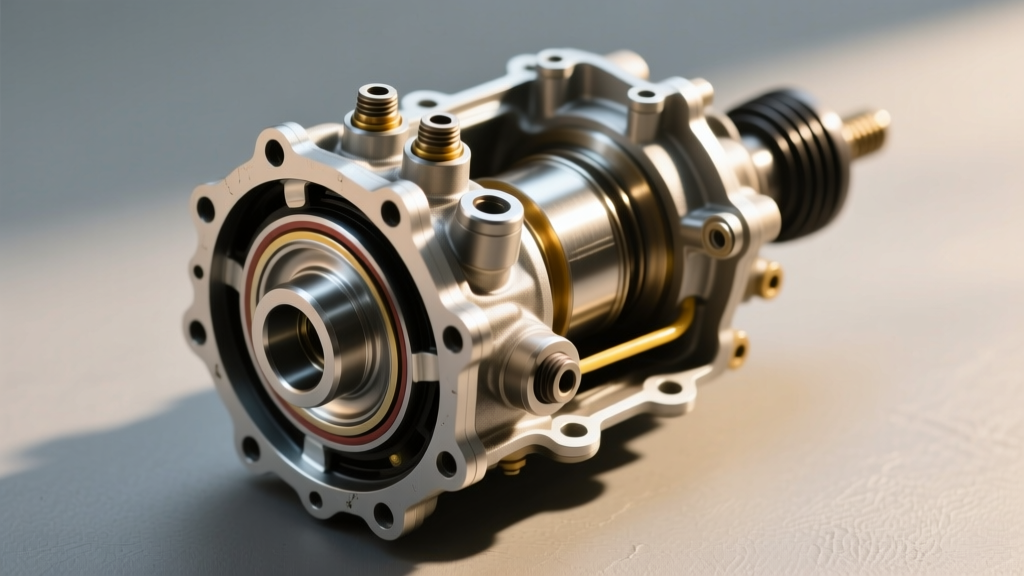
Often entirely overlooked, the axle vent tube allows the differential to equalize internal pressure as the gear oil heats up and expands. If this tube becomes clogged with mud, ice, or debris, internal pressure will spike and blow out the weakest seal—usually the pinion or axle shaft seals. Diagnostic Cost Factor: Negligible to fix, but catastrophic if ignored.
2026 Front Differential Service & Repair Cost Breakdown
Repair costs vary wildly based on whether you are visiting a dealership, an independent drivetrain specialist, or tackling the job in your own garage. The following table outlines the average 2026 market rates for front differential leak repairs on common light-duty and heavy-duty trucks.
| Repair / Service Type | Parts Cost (OEM/High-Quality Aftermarket) | Estimated Labor Time | Total Cost (Independent Shop @ $165/hr) |
|---|---|---|---|
| Diff Cover Reseal & Fluid Service | $45 - $75 (Fluid + Gasket) | 1.0 - 1.5 Hours | $210 - $322 |
| Pinion Seal Replacement | $65 - $110 (Seal + Fluid) | 1.5 - 2.5 Hours | $312 - $522 |
| Inner Axle Shaft Seals (Both Sides) | $90 - $140 (Seals + Fluid) | 3.5 - 5.0 Hours | $667 - $965 |
| Vent Tube Replacement / Reroute | $15 - $30 | 0.5 Hours | $97 - $112 |
| Complete Ring & Pinion Rebuild (Neglect) | $600 - $950 (Master Kit + Gears) | 8.0 - 12.0 Hours | $1,920 - $2,930 |
Fluid Capacities, Part Numbers, and Material Costs
Using the correct gear oil is non-negotiable for modern differentials, especially those equipped with locking front lockers or complex disconnect mechanisms. Here are specific material recommendations and part numbers to ensure longevity:
- GM 8.6-inch IFS (Silverado/Sierra 1500): Requires approximately 1.8 quarts of 75W-85 or 75W-90 Synthetic Gear Oil. We recommend AMSOIL Severe Gear 75W-90 for its superior shear stability under heavy towing loads. Use a Fel-Pro RDS55382 gasket or high-temp black RTV.
- Dana 44 / Dana 30 Solid Axles (Jeep Wrangler/Gladiator): Capacity is roughly 2.0 to 2.5 quarts depending on the specific housing and cover. Requires 80W-90 or 75W-140 for heavy off-road use. Timken (e.g., Timken 710428 for specific pinion applications) and SKF manufacture the most reliable replacement seals that resist tearing during installation.
- Ford 8.8-inch IFS (F-150): Requires specific Motorcraft SAE 75W-85 Premium Front Axle Lubricant to maintain compatibility with the internal vacuum actuator and shift fork mechanisms. Using the wrong viscosity can result in sluggish 4WD engagement.
Critical Torque Specifications and Bearing Preload Nuances
The most expensive mistake DIYers and inexperienced mechanics make when addressing a front differential pinion leak is failing to respect bearing preload specifications. According to engineering guidelines from Ring & Pinion, the pinion nut on a solid axle (like the Dana 44) is not just a standard fastener; it is a torque-to-yield component that compresses a crush sleeve to set the pinion bearing preload.
Expert Warning: If you are replacing a solid-axle pinion seal, you must mark the pinion nut and yoke before removal. When reinstalling, you must torque the nut back to the exact same rotational depth to maintain the original crush sleeve tension. Over-torquing by even a fraction of a turn will over-compress the crush sleeve, destroying the pinion bearings and requiring a complete teardown. For IFS setups (like the GM 8.6), a collapsible spacer is often used, requiring a specialized inch-pound torque wrench to measure rotational drag (typically targeting 15-25 in-lbs of drag).
Standard Cover Bolt Torque Specs:
- GM 8.6-inch IFS Cover Bolts (M8): 25 lb-ft (34 Nm). Do not exceed, or you will strip the aluminum housing threads.
- Dana 44 / Dana 30 Cover Bolts (3/8" - 16): 30 lb-ft (41 Nm).
- Ford 8.8 IFS Cover Bolts: 24 lb-ft (33 Nm).
The Financial Impact of Water Intrusion and Emulsified Gear Oil
When evaluating the cost of a differential leak, you must also consider the inverse: what is getting in. A failed axle shaft seal or a submerged, un-extended vent tube allows water to enter the front differential housing. When 80W-90 gear oil mixes with water, it emulsifies into a thick, milky substance that looks like chocolate milk.
This emulsified fluid loses nearly all of its hydrodynamic lubricating properties. The Timken Company notes that even a 1% water contamination in gear oil can reduce the fatigue life of tapered roller bearings by up to 90%. If you catch a milky fluid leak early, a $250 flush and seal replacement will save your axle. If you ignore it until the pinion bearing cages disintegrate and the ring and pinion teeth begin to spall, you are looking at the $2,500+ rebuild costs outlined in our table above. Always pressure-wash the axle housing before diagnosis, run the vehicle in 4WD to heat the fluid, and re-inspect to pinpoint the exact origin of the leak before authorizing any repair work.