The Terminology Trap: Industrial vs. Automotive Pressure Controllers
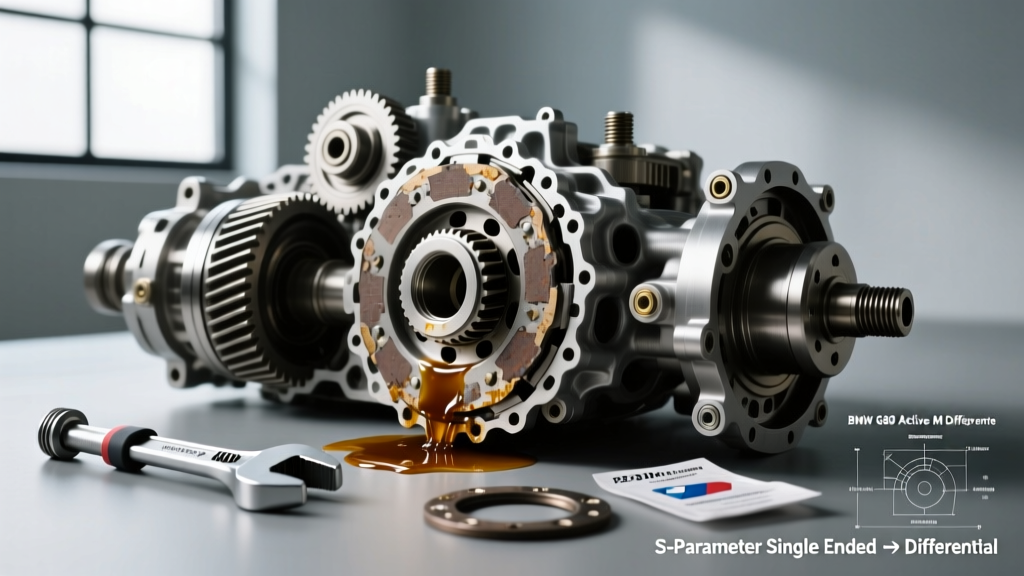
Many fleet managers, DIYers, and even some service advisors in the Southwest occasionally conflate industrial terminology with automotive drivetrain components. This leads to highly specific but misguided search queries like differential pressure controller new vegas. In industrial fluid dynamics and HVAC, a differential pressure controller regulates pipe flow and valve positioning. In the automotive sector, however, we deal with two entirely distinct front-end systems: standard gear-driven front differentials (requiring API GL-5 gear oil) and active AWD torque-vectoring differentials (which utilize hydraulic pressure control valves and PTU pumps).
Understanding the difference between a standard ring-and-pinion front differential and an active hydraulic coupling is the first step in accurately diagnosing drivetrain whine, shudder, or binding—and more importantly, understanding the true cost of servicing them in 2026.
2026 Front Differential Service Cost Matrix
The cost of front differential service varies wildly depending on whether you are servicing a traditional solid-axle/IFS open differential or an active AWD Power Transfer Unit (PTU). Below is a realistic cost breakdown based on current national averages for parts and labor.
| System Type | Fluid / Component | DIY Cost (Parts) | Shop Labor Cost | Total Shop Bill |
|---|---|---|---|---|
| Standard IFS Front Diff (e.g., Ford F-150, Toyota Tacoma) | 75W-85 or 75W-90 GL-5 Synthetic | $25 - $45 | $80 - $120 | $105 - $165 |
| Heavy Duty Solid Axle (e.g., Ram 2500 Dana 60) | 75W-140 GL-5 + Friction Modifier | $60 - $90 | $120 - $150 | $180 - $240 |
| Active AWD PTU / Haldex Gen 5 (Front Coupling) | Specialized Hydraulic / Gear Fluid | $40 - $85 | $180 - $300 | $220 - $385 |
| ZF ALD (Active Limited Slip) Pressure Valve Body | ZF Hydraulic Fluid + Valve Screen | $120 - $180 | $350 - $500 | $470 - $680 |
Standard Front Differential Service: Fluid, Torque, and Pricing
For 90% of trucks and SUVs, the front differential is a straightforward hypoid gear set housed in an aluminum or cast-iron pumpkin. The service involves draining the old gear oil, replacing the crush washer, and refilling with the manufacturer-specified viscosity.
Fluid Specifications and Capacities
- Ford F-150 (2021+ IFS): Requires Motorcraft SAE 75W-85 Premium Synthetic (Part# XZ-75W85-QSP). Capacity is approximately 1.15 Liters (2.4 pints).
- Toyota Tacoma / 4Runner (8.0-inch IFS): Requires 75W-90 API GL-5. Capacity is roughly 1.3 Liters. If equipped with a factory LSD, a 4oz bottle of friction modifier (like Motorcraft XL-3) is mandatory to prevent chatter during tight turns.
- Ram 2500 (Dana 60 Front): Requires heavy-duty 75W-140 Synthetic. Capacity is 2.0 Liters.
According to the American Petroleum Institute (API), GL-5 gear oils contain high levels of extreme pressure (EP) additives, typically sulfur-phosphorus compounds, designed to protect the sliding friction of hypoid gears. Using GL-4 in a hypoid front diff will lead to rapid pinion gear wear and catastrophic failure.
Critical Torque Specifications
Stripping the fill or drain plug on an aluminum front differential housing is a costly mistake that often requires helicoil repair or full housing replacement. Always use a torque wrench:
- Ford 8.8 / 9.75 IFS Plugs: 35 Nm (26 lb-ft).
- Dana 44 / Dana 60 Plugs: 25 - 35 lb-ft (ensure threads are clean of grit).
- Subaru Front Diff (Integrated): 35 - 45 Nm depending on the specific casing bolt.
- Haldex Gen 5 Fluid: G 060 175 A2 (Capacity: ~600-800ml). Cost: ~$45.
- Pump Screen Service: Requires dropping the pump, cleaning the screen with brake cleaner, and replacing the O-ring. Labor: 1.5 hours.
Always replace the aluminum or copper crush washer. A $2 crush washer prevents a $1,500 fluid loss disaster.
The Desert Heat Factor: Why Regional Climate Dictates Cost
This is where the 'New Vegas' and broader Mojave Desert climate comes into play. Ambient temperatures exceeding 110°F (43°C), combined with highway driving and light towing, can push front differential sump temperatures past 230°F (110°C). At these temperatures, conventional mineral-based gear oils undergo rapid oxidation, leading to sludge formation and varnish buildup on the ring and pinion gears.
For vehicles operating in extreme desert heat, upgrading to a high-quality synthetic like AMSOIL Severe Gear 75W-90 or Red Line 75W-90 is not optional; it is a mechanical necessity. Synthetics maintain their film strength and resist shear breakdown far better than conventional oils, effectively extending service intervals from 30,000 miles to 60,000+ miles, ultimately lowering long-term ownership costs.
Active AWD Systems: Servicing the Hydraulic Pressure Controller
If your vehicle features an advanced AWD system, the 'front differential' may actually be a Power Transfer Unit (PTU) or an active coupling (like the Haldex Gen 5 found in VW, Audi, and Volvo models, or the ZF ALD in BMW M cars). These systems do not just use gear oil; they utilize complex hydraulic pumps, solenoid valves, and pressure controllers to actively distribute torque to the wheels.
The Haldex Gen 5 and PTU Reality
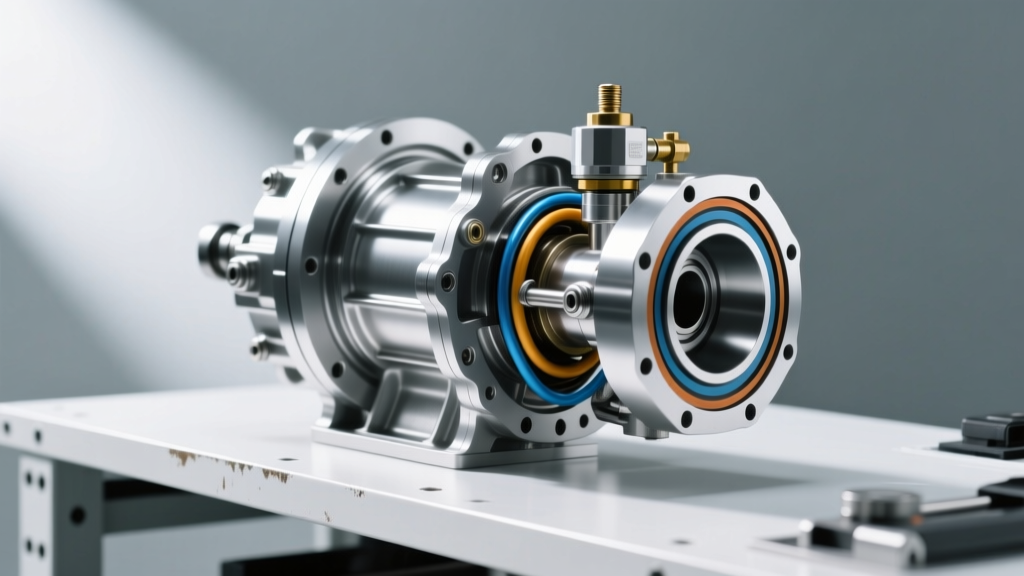
Unlike older generations, the Haldex Gen 5 system does not have a traditional replaceable spin-on filter. Instead, it relies on a small suction screen inside the hydraulic pump. If this screen becomes clogged with clutch pack particulate, the hydraulic pressure controller cannot engage the AWD system, resulting in a FWD-only vehicle and potential pump burnout.
Similarly, Ford's PTU (often mistakenly called a front differential on AWD Explorers and Edge models) is notorious for running hot. The fluid degrades into a black, tar-like substance that starves the internal pressure regulator valves. A proper PTU fluid extraction and refill using specialized equipment costs between $180 and $250 at an independent shop, but saves you from a $2,500 PTU replacement.
DIY Extraction vs. Dealership Drain: A Cost-Benefit Analysis
Many modern front differentials and PTUs lack traditional drain plugs, relying instead on 'fill-only' designs meant for dealership vacuum extraction. For DIYers, purchasing a $40 pneumatic or manual fluid evacuator (like the Mityvac 7202) is a massive cost-saver over multiple services.
Dealerships typically charge 1.5 hours of labor ($180-$250) simply because extracting thick 75W-140 gear oil through a tiny fill hole is time-consuming. By investing in an extractor and a bent-tube attachment, you can perform the service in your driveway for the cost of the fluid alone. For deep-dive analysis on gear oil shear stability and extraction techniques, the Bob Is The Oil Guy (BITOG) forums remain an invaluable community resource for drivetrain lubrication science.
Final Verdict on Front Differential Maintenance
Whether you are maintaining a standard Dana 44 front axle or troubleshooting the hydraulic pressure control valves on a ZF active differential, ignoring front-end drivetrain fluid is a fast track to catastrophic repair bills. Stop searching for industrial HVAC parts for your truck, identify your specific differential type, buy the correct API GL-5 or OEM hydraulic fluid, and adhere strictly to torque specifications. In extreme heat environments, synthetic fluids are your best financial and mechanical defense.