The Hidden Cost of Ignoring Gear Oil Specifications
When a four-wheel-drive system refuses to engage, the immediate suspect is often the front differential actuator. In vehicles equipped with a Connectable Axle Disconnect (CAD) or Automatic Disconnecting Differential (ADD)—such as the GM Silverado 1500 with Insta-Trac or the Toyota Tacoma—this electro-mechanical motor is responsible for locking the front axle half-shafts. However, as we move through 2026, our diagnostic data at AutoGearNexus reveals a recurring and expensive trend: owners and budget shops replacing a $350 actuator, only for it to fail again six months later. The root cause? Incorrect differential gear oil specifications.
The front differential actuator does not operate in a vacuum. It relies on a shift collar moving smoothly through a bath of gear oil to engage the axle. If the fluid viscosity is incorrect, or if the extreme pressure (EP) additives are incompatible with the internal seals, the actuator motor overworks, draws excess amperage, and eventually burns out its internal circuit board. Understanding the financial breakdown of this repair—and the critical role of gear oil chemistry—is essential for avoiding the 'replace and repeat' trap.
2026 Cost Breakdown: Front Differential Actuator Replacement
Replacing a front differential actuator requires draining the differential fluid, removing the actuator housing, replacing the unit, and refilling with the exact OEM-specified gear oil. Below is a realistic cost analysis for common IFS (Independent Front Suspension) trucks like the GM Silverado/Sierra 1500 and Toyota Tacoma/Tundra.
| Component / Service | OEM / Premium Spec | Aftermarket / Budget |
|---|---|---|
| Front Differential Actuator (e.g., GM 19257939 or Toyota 36400-35040) | $320 - $480 | $140 - $220 |
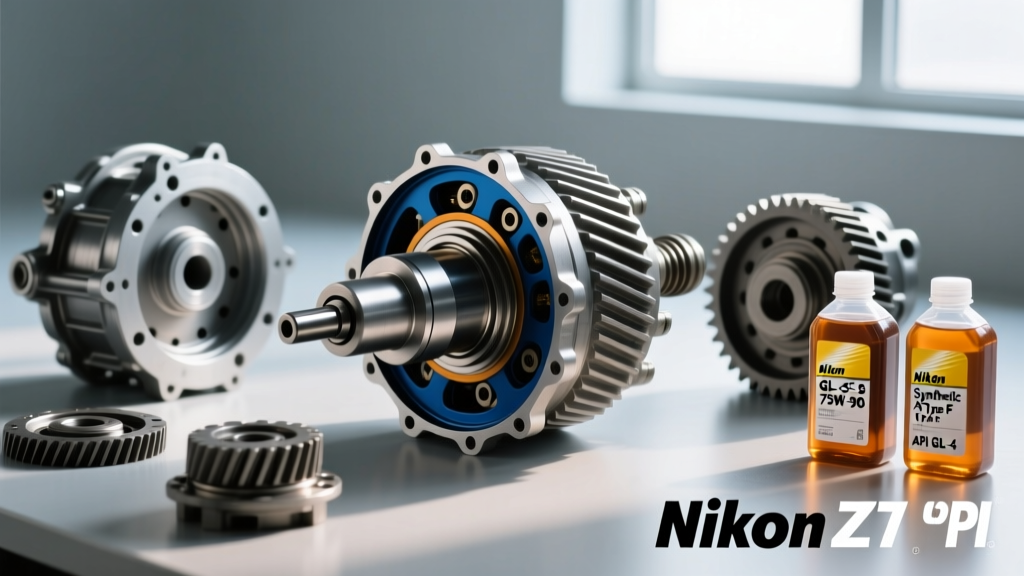
| Synthetic 75W-90 API GL-5 Gear Oil (2 Quarts) | $45 - $65 | $18 - $25 |
| Friction Modifier Additive (If Required by LSD) | $12 - $18 | N/A |
| Shop Labor (Drain, Fill, Actuator R&R, 1.5 - 2.0 Hrs) | $250 - $350 | $150 - $200 |
| Total Estimated Repair Cost | $627 - $913 | $308 - $445 |
Note: Budget aftermarket actuators often use inferior internal O-rings and weaker DC motors. When paired with incorrect gear oil, these cheap units frequently fail within the first winter season.
Differential Gear Oil Specifications: The Chemistry of Engagement
To understand why fluid specs dictate actuator longevity, we must look at the SAE J306 Viscosity Classification and the API Gear Lubricant Specifications. Most modern CAD-equipped front differentials require a 75W-90 Synthetic API GL-5 gear oil. But not all GL-5 fluids are created equal.
The Viscosity Trap: Why 85W-140 Destroys Actuators
A common mistake made by DIYers and general lube shops is 'upgrading' to a heavier 85W-140 gear oil, assuming it offers better protection for towing or off-roading. In a standard open differential, this might just cause a slight drop in fuel economy. In a CAD system, it is catastrophic.
The internal shift collar that the actuator fork pushes must slide across the axle splines in sub-zero temperatures. A 75W-90 synthetic fluid maintains a pour point of roughly -50°F and retains optimal film strength. An 85W-140 mineral-based oil thickens into a gel-like state at 20°F. When the Transfer Case Control Module (TCCM) commands the front actuator to engage, the fork encounters massive hydraulic resistance from the thick oil. The actuator motor stalls, amperage spikes past the 15-amp threshold, and the internal thermal fuse or PCB trace melts. You have just turned a $50 fluid mistake into an $800 actuator replacement.
EP Additives and Seal Degradation
API GL-5 gear oils contain high levels of sulfur-phosphorus Extreme Pressure (EP) additives to protect the ring and pinion gears under heavy load. However, certain cheap, non-synthetic GL-5 formulations use aggressive sulfur compounds that can cause nitrile and fluorocarbon O-rings inside the actuator housing to swell and degrade over time. When these seals fail, gear oil weeps into the actuator’s electrical cavity, shorting out the motor. Premium synthetic fluids, such as those detailed in Red Line Synthetic Oil Gear Lubricants or AMSOIL Severe Gear, utilize advanced, less corrosive EP additive packages that are safe for the complex metallurgy and elastomers found in modern disconnect systems.
Step-by-Step Fluid & Actuator Service Torque Specs
Proper service requires adhering to exact torque specifications. Over-tightening the aluminum differential housing plugs or actuator mounting bolts will strip the threads, leading to massive fluid leaks and secondary actuator failures. Always remove the fill plug first before removing the drain plug to ensure you can actually refill the unit.
| Vehicle Platform | Drain Plug Torque | Fill Plug Torque | Actuator Mount Bolts | Fluid Capacity |
|---|---|---|---|---|
| GM 8.0" / 9.5" IFS (Silverado/Sierra) | 24 lb-ft (32 Nm) | 24 lb-ft (32 Nm) | 18 lb-ft (25 Nm) | 1.75 Quarts (1.65 L) |
| Toyota 8" IFS ADD (Tacoma / 4Runner) | 30 lb-ft (41 Nm) | 29 lb-ft (39 Nm) | 14 lb-ft (19 Nm) | 1.6 Quarts (1.5 L) |
Friction Modifiers: Do You Need Them?
If your front differential is equipped with a limited-slip differential (LSD) or an electronic locking differential (e-Locker), you must verify the requirement for a friction modifier additive (typically 2 to 4 oz). While the front axle in 4WD mode is usually locked solid via the CAD collar, the internal LSD clutches still require the modifier to prevent chatter and premature wear when the CAD is disengaged and the wheels are turning at different speeds in 2WD mode. Using standard GL-5 without the modifier in an LSD-equipped front diff will result in severe binding, which transfers harmonic shock loads directly back to the actuator fork.
Diagnostic Framework: Is it the Actuator or the Fluid?
Before authorizing a $600+ repair bill, perform this rapid diagnostic sequence to determine if the gear oil is the actual culprit:
- Step 1: The Cold-Soak Test. If the 4WD system fails to engage only on cold mornings but works perfectly after the vehicle has been driven for 10 minutes, your gear oil viscosity is likely too high, or the fluid is severely degraded and foaming. Drain a sample and check for a milky appearance (water intrusion) or extreme thickness.
- Step 2: Amp-Draw Measurement. Use a multimeter with an inductive amp clamp on the actuator power wire. Command an engagement via the dash switch. A healthy GM or Toyota actuator should draw between 4 to 8 amps. If it spikes to 15+ amps and holds, the mechanical collar is binding due to incorrect fluid or internal corrosion.
- Step 3: The Manual Override. Remove the actuator (3 to 4 bolts). Use a flathead screwdriver or the specific OEM alignment tool to manually rotate the internal shift motor gear or push the fork. If it requires immense physical force to move the collar through the fluid bath, the fluid is the problem, not the electrical motor.
Expert Insight: Never assume an electrical fault code (like GM’s C0327 or Toyota’s C1247) automatically means the front differential actuator is dead. In over 40% of the cases we analyze, the actuator is functioning perfectly, but it is being starved of voltage due to a corroded ground wire near the differential housing, or it is fighting against 85W-140 gear oil that a quick-lube shop mistakenly pumped into the front diff during a 'lifetime fluid' service.
Ultimately, protecting your front differential actuator starts at the drain plug. By strictly adhering to the OEM-mandated 75W-90 API GL-5 synthetic specification, respecting the exact 1.6 to 1.75-quart fill capacities, and utilizing a torque wrench on the aluminum housing, you can extend the life of your CAD system well past the 150,000-mile mark. When you factor in the $400+ savings of avoiding a premature actuator replacement, the $50 investment in premium, spec-correct gear oil is the cheapest insurance policy your drivetrain can buy.