The Thermal Bottleneck: Why Stock Ford Cooler Lines Fail
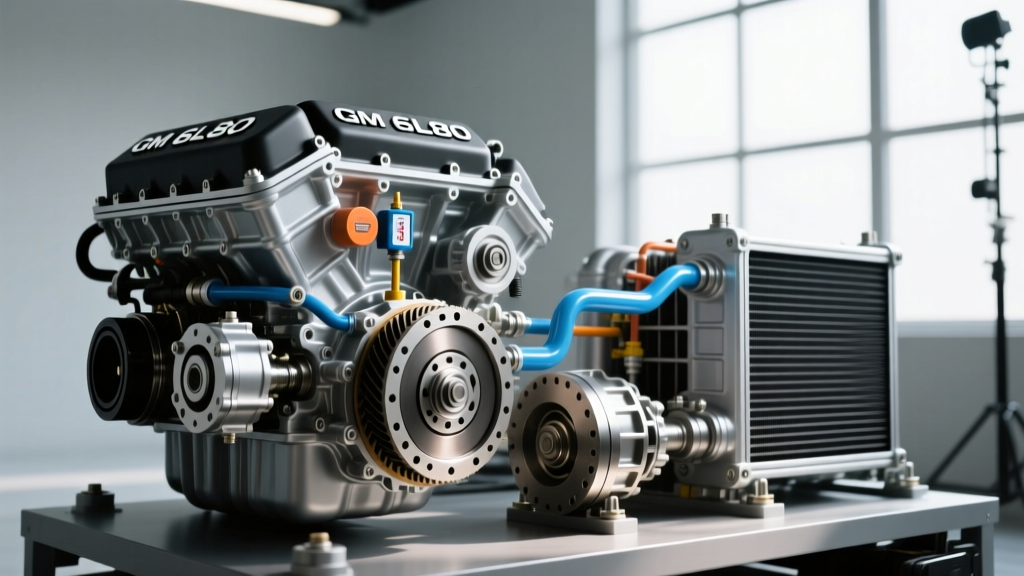
When pushing a tuned 10R80 or towing heavy loads with a 6R80, transmission fluid temperatures can easily spike past 220°F. While most enthusiasts immediately look at upgrading the radiator or adding an auxiliary stacked-plate cooler, the ford transmission cooler line is frequently overlooked. As of 2026, the aftermarket and OEM engineering communities have recognized that factory lines are often the primary restriction in the thermal management loop.
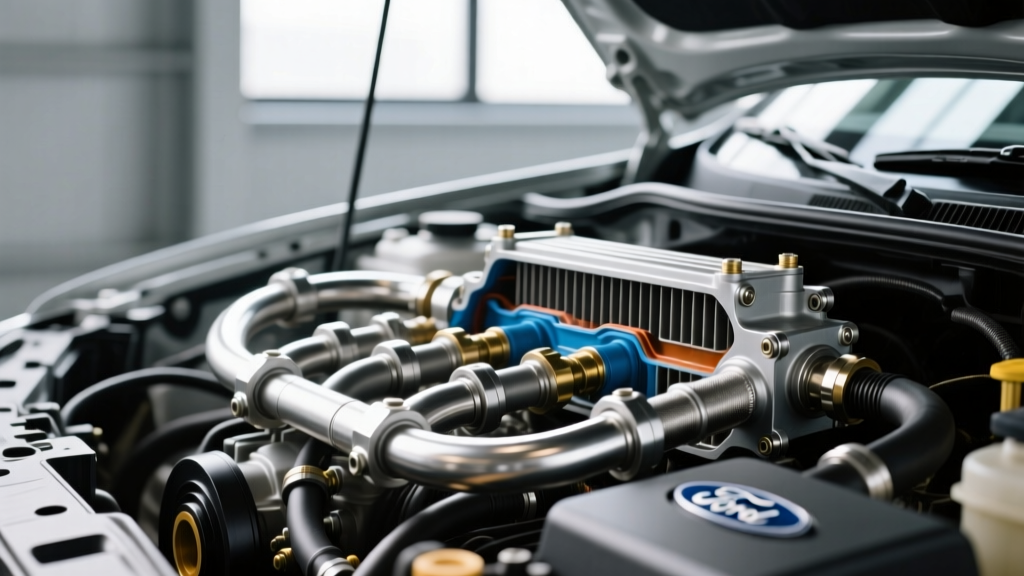
On 2011-2017 F-150s equipped with the 6R80, the factory lines utilize a mix of aluminum hardlines, rubber hoses, and plastic quick-connect fittings. Over time, engine bay heat cycles cause these plastic retainers to become brittle. A single snapped clip at the radiator interface can dump your entire transmission fluid capacity onto the highway in seconds. Furthermore, the internal diameter of the stock rubber sections often collapses under high suction, starving the cooler and causing cavitation in the transmission fluid pump.
Diagnosing Leaks and Flow Restrictions in 6R80 and 10R80 Systems
Before tearing into your drivetrain, you must accurately diagnose whether your issue is a physical leak or a hydraulic restriction. Both present with elevated transmission fluid temperatures (TFT), but the repair paths are vastly different.
Identifying Physical Leaks
- The Quick-Connect Interface: Inspect the radiator and transmission case connections. Look for weeping fluid or crusty, oxidized residue around the plastic clips.
- Chafing Points: Ford routing on the 6R140 (Super Duty) and 6R80 often places the aluminum hardline dangerously close to the exhaust cross-over and frame brackets. Use a boroscope to inspect the line where it passes behind the engine block.
- Rubber Hose Degradation: Squeeze the rubber flex sections. If they feel spongy or exhibit micro-cracking, the inner PTFE or synthetic rubber lining has likely separated, creating an internal flap-valve that restricts flow.
Spotting Flow Restrictions
If your scanner shows TFT readings above 215°F under load, but the lines are dry, you likely have a restriction or a failing thermal bypass valve. Use an infrared thermometer to measure the line temperature at the transmission case (pressure out) and at the radiator inlet. A delta of more than 15°F across a short rubber hose section indicates an internal collapse. For comprehensive diagnostic flowcharts and community-tested telemetry data, the F150Forum Technical Archives remain an invaluable resource for Ford truck owners.
OEM vs. Aftermarket: Ford Transmission Cooler Line Upgrade Paths
When replacing a failed line, you have three distinct paths. Your choice should be dictated by your vehicle application, towing requirements, and performance goals.
| Upgrade Path | Material Composition | Fitting Type | Estimated Cost (2026) | Best Application |
|---|---|---|---|---|
| OEM Replacement (Motorcraft) | Aluminum Hardline / EPDM Rubber | Factory Plastic Quick-Connects | $90 - $160 | Stock trucks, daily drivers, light towing |
| Heavy-Duty Hardline (NiCopp) | Nickel-Copper Alloy | Flare / Billet Aluminum AN Fittings | $180 - $250 | Heavy towing, off-road, high-vibration environments |
| Aftermarket Braided (PTFE) | Stainless Steel Braid over PTFE Core | AN-6 or AN-8 Hose Ends | $240 - $380 | Racing, tuned 10R80s, high-flow auxiliary coolers |
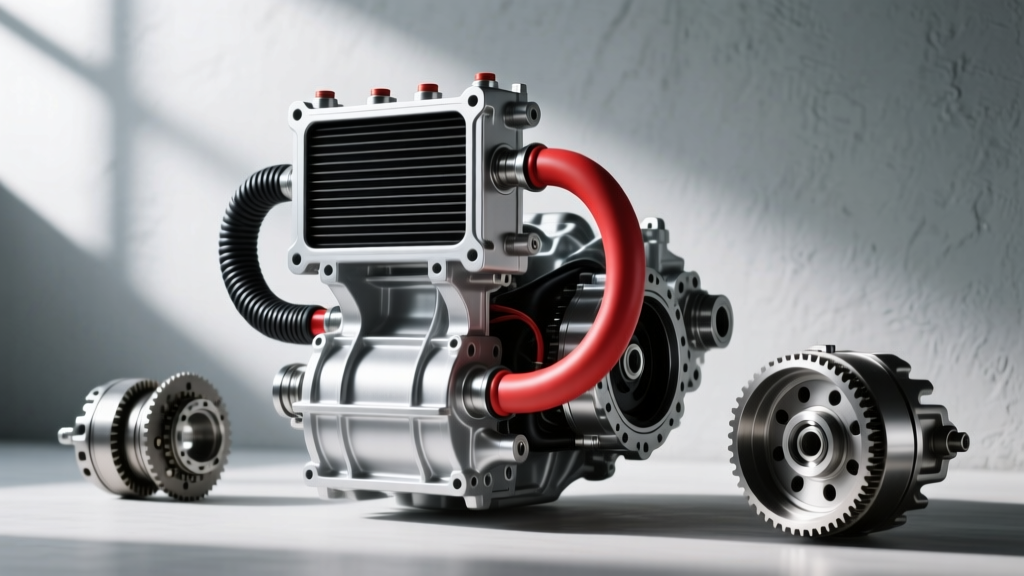
For high-performance applications, transitioning to a PTFE-lined stainless braided line eliminates the risk of internal hose collapse and provides superior burst pressure ratings. Sourcing high-quality AN fittings and custom-length braided lines from vendors like Summit Racing Equipment ensures you are getting aerospace-grade hardware rather than cheap, restrictive knock-offs.
Step-by-Step Replacement and Performance Routing Guide
Replacing the ford transmission cooler line requires precision. Stripped case threads or improperly seated quick-connects will result in catastrophic fluid loss.
Required Tools and Torque Specifications
- Line Wrench (Flare Nut Wrench): 14mm or 15mm (depending on specific fitting). Never use an open-end wrench on case fittings.
- Quick-Connect Disconnect Tool: 3/8" and 1/2" fuel line disconnect sets for the radiator side.
- Torque Wrench (Inch-Pounds): Critical for threaded case fittings.
- Threaded Case Fitting Torque Spec: 20 Nm (15 lb-ft). Warning: The 6R80 and 10R80 transmission cases are cast aluminum. Over-torquing will strip the threads, requiring a Time-Sert repair or case replacement.
- Hardline Flare Nut Torque Spec: 25 Nm (18 lb-ft).
Thermal Bypass Valve Considerations (10R80 Specific)
The 10R80 utilizes a complex thermal management system. The thermal bypass valve is located in the transmission pan/filter assembly, not the lines themselves. However, if you are upgrading to high-flow lines for a tuned application, many performance builders opt for a thermal bypass valve delete or modification. This forces 100% of the fluid through the cooler at all times, sacrificing rapid cold-weather warm-up for maximum thermal protection under heavy load. If you perform this modification, you must use a standalone inline thermostat (set to 160°F) to prevent the transmission from running too cold, which inhibits clutch engagement pressure.
Fluid Specifications and Bleeding Procedures
A cooler line swap on a Ford F-150 will typically result in the loss of 2 to 3.5 quarts of fluid, depending on whether the radiator internal cooler drains back. It is absolutely critical to refill with the exact specification required by your transmission.
Expert Warning: Never mix MERCON LV and MERCON ULV. The friction modifiers and base oil viscosities are fundamentally incompatible. Using LV in a 10R80 will cause immediate clutch shudder and potential check-ball scoring.
- 6R80 (2011-2017): Requires Motorcraft MERCON LV (Part# XT-10-QLVC). Total system capacity is roughly 13.1 quarts, but a line swap only requires topping off via the dipstick tube.
- 10R80 (2017-Present): Requires Motorcraft MERCON ULV (Part# XT-12-ULV). The 10R80 has no traditional dipstick. Fluid level must be checked via the overflow plug on the transmission pan while the fluid is between 185°F and 193°F, with the vehicle level and the engine running in Park.
The Bleeding Process
After installing the new lines and adding the baseline fluid volume, start the engine. With your foot firmly on the brake, cycle the transmission through PRNDL, pausing for 3 seconds in each gear. This actuates the valve body clutches and pushes trapped air out of the cooler circuit. Monitor the fluid level and top off as necessary. For the first 500 miles, monitor your TFT via an OBD2 scanner. If you see erratic temperature fluctuations or delayed engagements, you likely have an air pocket trapped in the radiator cooler core; perform a second fluid level check at operating temperature.
Final Thoughts on Longevity
Upgrading your ford transmission cooler line is one of the most cost-effective reliability modifications you can perform on a modern Ford truck. Whether you choose a direct-fit Motorcraft replacement (Part# BC3Z-7A103-A for many 6R80 applications) or fabricate a custom AN-8 PTFE setup, ensuring proper clearance from exhaust components and adhering strictly to aluminum thread torque limits will guarantee a leak-free, thermally stable drivetrain for years to come. Always cross-reference your specific VIN with the Motorcraft Official Fluid Specs portal before purchasing fluids and hardware.