The Infamous DPS6: Why Your Focus is Shuddering in 2026
As we navigate the used car market in 2026, the 2011–2016 Ford Focus remains a highly popular, budget-friendly commuter car. However, it is equally notorious for one major mechanical Achilles' heel: the Getrag 6DCT250 (Ford DPS6) PowerShift transmission. If you are experiencing Ford Focus dual clutch problems, specifically regarding harsh engagement, hesitation, or violent shuddering from a stop, you are not alone. This beginner-friendly explainer will demystify how your dual-clutch system operates, why engagement and disengagement failures occur, and the exact diagnostic steps you can take to fix them.
How the DPS6 Dry Dual-Clutch System Works
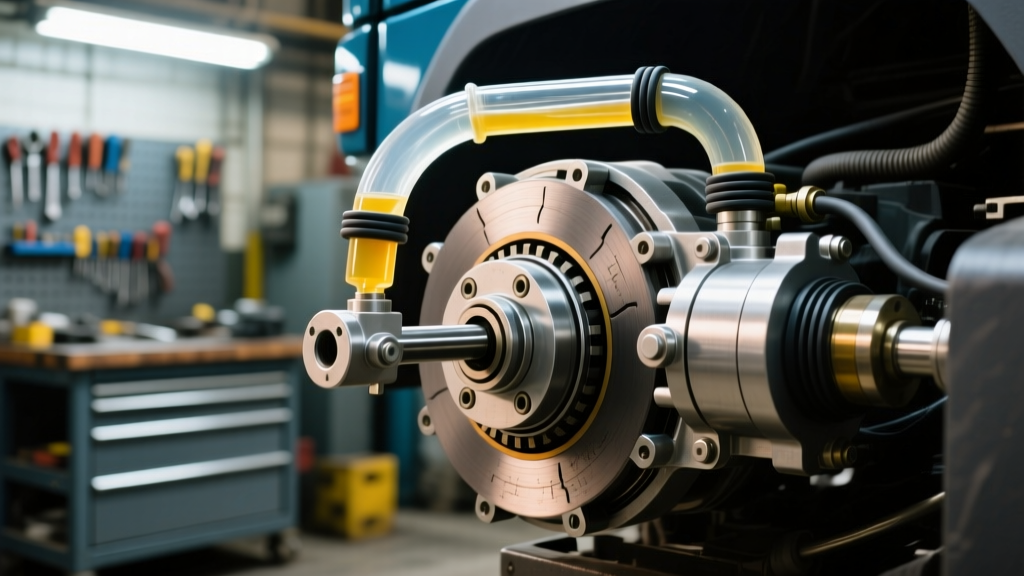
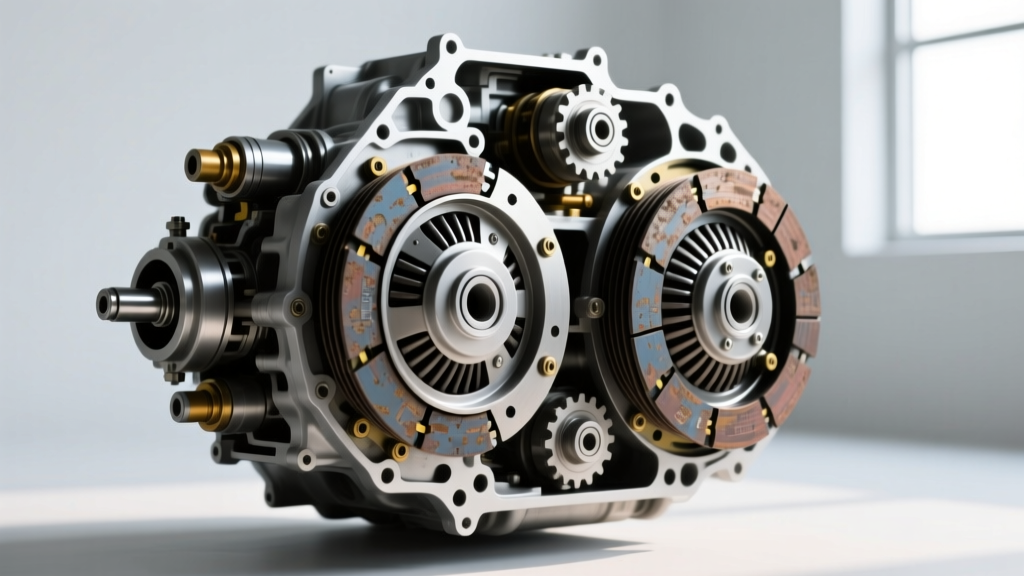
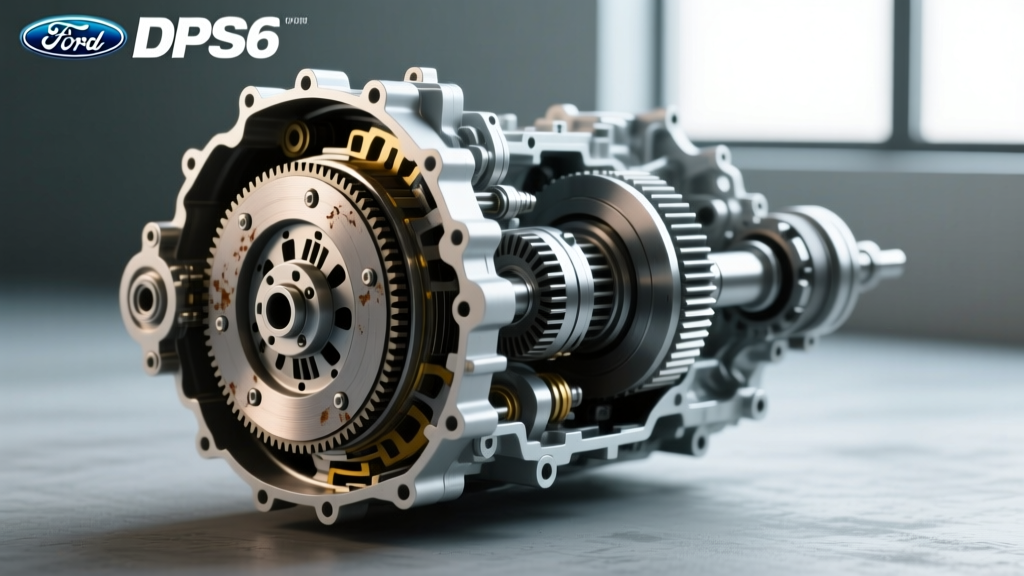
Unlike a traditional automatic transmission that uses a fluid-filled torque converter to multiply engine torque and smoothly couple the engine to the wheels, the DPS6 is essentially two manual transmissions bundled into one automated housing. It utilizes two separate dry clutches:
- Clutch 1 (Inner): Controls the odd gears (1, 3, 5) and Reverse.
- Clutch 2 (Outer): Controls the even gears (2, 4, 6).
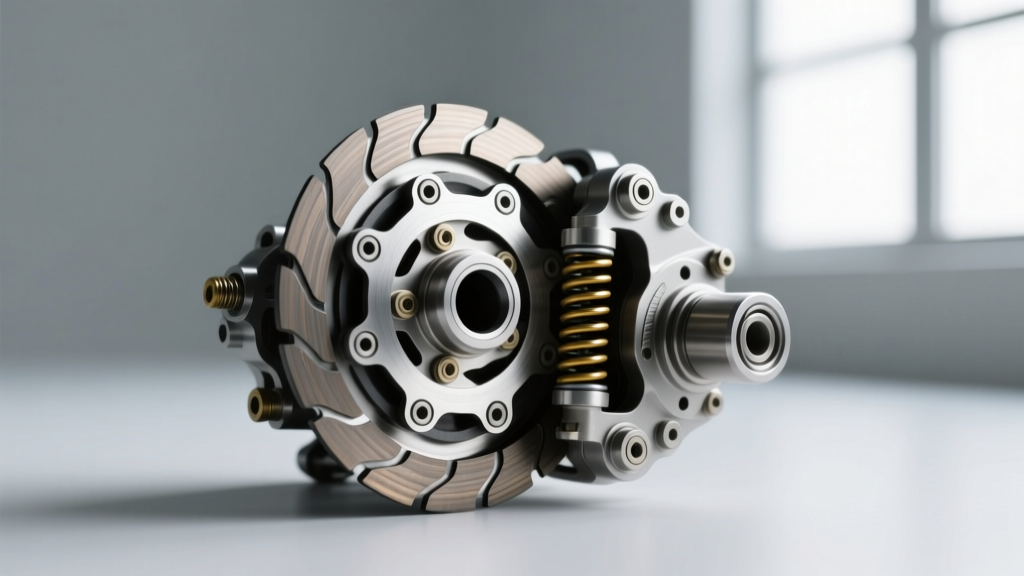
When you are stopped at a light in Drive, Clutch 1 is pre-loaded and ready to engage 1st gear, while the transmission pre-selects 2nd gear on Clutch 2. When you press the accelerator, the Transmission Control Module (TCM) commands external electric clutch actuator motors to smoothly engage Clutch 1 while simultaneously disengaging the previous state. Because the clutches are "dry" (meaning they are not bathed in cooling transmission fluid like a wet DCT), they rely entirely on precise friction material management and exact actuator calibration to prevent shuddering during low-speed engagement. Furthermore, the engine's torsional vibrations are managed by a Dual-Mass Flywheel (DMF). If the internal springs of the DMF weaken, you will feel a distinct metallic rattle and harsh engagement shudder at low RPMs.
Mapping Engagement and Disengagement Symptoms
Diagnosing clutch engagement issues requires matching your specific driving symptom to the mechanical or electronic root cause. Use the diagnostic table below to identify your primary issue:
| Symptom | Driving Condition | Likely DPS6 Root Cause |
|---|---|---|
| Violent Shudder / Vibration | 1st to 2nd gear upshift (10-15 mph) | Glazed dry clutch facings, contaminated friction material, or worn input shaft seals. |
| Hesitation on Launch | Stoplight to moving (0-5 mph) | Clutch actuator motor brush wear, TCM adaptation drift, or throw-out bearing binding. |
| "Transmission Fault" Message | Stop-and-go traffic or hot days | TCM overheating, internal solder joint failure, or clutch position sensor Hall-effect failure. |
| Grinding on Disengagement | Downshifting or coming to a complete stop | Synchronizer blocker ring wear, actuator fork binding, or incomplete clutch release. |
Deep Dive: The Actuator Motors and TCM
Clutch Actuator Motor Failures
The DPS6 uses two external electric motors with integrated Hall-effect sensors to push the clutch release levers. Over time, the carbon brushes inside these DC motors wear down, or the plastic internal gears strip. When an actuator fails to push the clutch lever with the exact millimeter precision required, the TCM detects a "clutch position error" and either defaults to limp mode or causes severe engagement shudder as it rapidly pulses the motor to find the friction bite point.
Expert Tip: If you are replacing a failed clutch actuator motor (often sold as a complete assembly with the lever), the retaining bolts must be torqued precisely to 10 Nm (89 lb-in). Over-torquing these bolts can warp the actuator housing, leading to immediate binding and premature failure.
TCM Overheating and Solder Cracks
The Transmission Control Module (TCM) is mounted directly on the side of the transmission casing. It is subjected to intense heat cycles and engine vibration. A widespread failure point on the 2011-2016 Focus TCM is the cracking of microscopic solder joints connecting the main processor to the actuator motor driver circuits. This results in intermittent disengagement issues—the TCM simply "forgets" how to command the clutch to release, leaving the car stranded in gear at a stoplight or causing it to lurch forward unexpectedly.
The "Hidden" Killer: Input Shaft Seal Leaks
Perhaps the most misunderstood of all Ford Focus dual clutch problems is the input shaft seal leak. The DPS6 gear cavity requires a highly specific fluid to protect the manual synchronizers. The dry clutch housing next to it is supposed to remain completely dry. However, the input shaft seals separating the gear cavity from the clutch housing frequently degrade due to heat and age.
When these seals weep, gear oil contaminates the dry clutch friction plates. Because dry clutches are designed to operate without lubrication, even a few ounces of gear oil will cause the friction material to glaze, slip, and shudder violently upon engagement. If you are replacing the clutch pack (Motorcraft part number kits typically designated under the 7B117 family), you must simultaneously replace the input shaft seals and thoroughly clean the bell housing with brake cleaner, or your new clutch pack will be ruined in less than 500 miles.
Step-by-Step Diagnostic Approach for Beginners
Before throwing expensive parts at the car, follow this diagnostic sequence using an advanced OBDII scanner capable of Ford-specific module access (such as FORScan Diagnostic Software).
- Verify 12V Battery Health: The DPS6 TCM is incredibly sensitive to voltage drops. If your battery drops below 11.8V during engine cranking, the TCM can experience a logic fault that corrupts the clutch adaptation memory, causing immediate engagement shudder. Load-test the battery first.
- Read TCM Codes: Look for codes like P090C (Clutch Actuator Circuit Low) or P287A (Clutch Position Sensor Performance). These pinpoint whether the issue is electrical (TCM/Actuator) or mechanical (Clutch Pack).
- Check Live Data PID: Monitor the "Clutch 1 Position" and "Clutch 2 Position" PIDs while a helper gently presses the brake and accelerator. The position should sweep smoothly from 0% to 100%. Jagged, stuttering graphs indicate a failing actuator motor or mechanical binding on the release fork.
- Perform a TCM Adaptation Reset: As clutch friction material wears, the TCM learns new bite points. If the software has drifted, performing a "Clutch Adaptation Reset" and "Touch Point Adaptation" via FORScan can instantly cure low-speed shuddering without replacing any hardware. This forces the TCM to relearn the exact physical bite point of the dry clutches.
Fluid Maintenance: Capacity and Specifications
Many beginners mistakenly drain the DPS6 and refill it with standard MERCON LV Automatic Transmission Fluid. Do not do this. The DPS6 manual gearset requires a highly specific fluid to protect the synchronizers and bearings while managing the thermal load of the adjacent dry clutches.
- Fluid Type: Motorcraft Dual Clutch Transmission Fluid (Part # XT-11-QDC)
- Capacity: 1.7 Liters (1.8 Quarts)
- Drain/Refill Interval: Every 60,000 miles (Severe) to 150,000 miles (Normal)
According to data logged in the NHTSA Vehicle Complaint Database, a significant percentage of premature transmission failures stem from incorrect fluid usage or total neglect of the gear cavity fluid, leading to synchronizer degradation that mimics clutch disengagement faults.
When to Repair vs. When to Walk Away
Repairing a DPS6 engagement issue requires a cost-benefit analysis. A standalone TCM replacement from a Ford dealer (often requiring Motorcraft Official Parts programming and anti-theft security alignment) can cost between $800 and $1,200. A complete dry clutch pack replacement with new seals, actuators, and flywheel resurfacing routinely exceeds $1,800 at an independent transmission shop.
If your Focus is exhibiting severe shudder accompanied by a burnt smell from the bell housing inspection cover, the friction material is likely obliterated. For budget-conscious owners in 2026, an increasingly popular and reliable alternative to chasing endless Ford Focus dual clutch problems is swapping the DPS6 for a factory Ford MTX-75 5-speed manual transmission harness and pedal assembly. This mechanical conversion permanently eliminates the electronic actuators and dry-clutch shudder from the vehicle's lifecycle, turning a frustrating commuter into a reliable, engaging manual driver's car.