The 2004 F-150 Cooling Circuit: A 2026 Performance Perspective
As we navigate the 2026 towing season, the 12th-generation 2004 Ford F-150 remains a popular workhorse. However, trucks equipped with the robust 4R75E 4-speed automatic transmission are now over two decades old. The OEM 2004 Ford F150 transmission cooler lines—constructed from mild steel hardlines, rubber crimp-joints, and plastic quick-disconnects—are reaching the end of their structural lifespan. When towing near the F-150’s maximum capacity, transmission fluid temperatures can easily exceed 220°F, accelerating fluid degradation and causing catastrophic O-ring blowouts in the aging cooler lines.
Whether you are restoring a heritage fleet truck or building a dedicated heavy-hauler, replacing and upgrading your transmission cooler lines is a mandatory performance modification. This guide covers the anatomy of the 4R75E cooling circuit, exact removal procedures, and how to upgrade to high-pressure PTFE braided lines and auxiliary coolers.
Anatomy of the 4R75E Cooling Flow
Before wrenching, it is critical to understand the fluid routing. The 4R75E utilizes a pressure-driven flow system originating from the transmission pump. The routing is as follows:
- Pressure Out (Hot): Fluid exits the transmission case via the rear fitting, traveling through the steel hardline to the bottom inlet of the radiator’s internal heat exchanger.
- Radiator Return: Fluid exits the top of the radiator heat exchanger and routes to the factory auxiliary cooler (if equipped with the factory tow package) or directly to the return line.
- Return In (Cool): Fluid re-enters the transmission case via the front fitting, lubricating the valve body and torque converter clutch (TCC) before returning to the pan.
Expert Note: Never reverse the flow direction on a 4R75E or 4R70W. Doing so will starve the torque converter and lube circuit, leading to immediate clutch pack failure. Always verify flow direction using the 'start-and-idle' method before finalizing line connections.
Why OEM Lines Fail Under Load
The factory 2004 Ford F150 transmission cooler lines suffer from three primary failure modes, particularly when subjected to the 250+ PSI line pressures generated in Tow/Haul mode or Reverse:
- Galvanic Corrosion: The steel hardlines connect to the aluminum radiator and auxiliary cooler brackets. Without proper isolation, galvanic corrosion seizes the fittings and rots the flare nuts.
- Crimp-Joint Weeping: The mid-line rubber hose sections are secured via factory crimp collars. Heat cycling causes the rubber to harden, leading to micro-weeping at the crimp boundaries.
- Quick-Disconnect Blowouts: The radiator side utilizes plastic-collared quick-disconnect fittings. The internal Viton O-rings flatten and crack over 20 years. A sudden spike in line pressure can blow the retaining clip, dumping 6 quarts of MERCON V onto the exhaust in seconds.
Material Upgrade Comparison: OEM vs. Performance
When replacing your lines, you have three distinct paths. The table below breaks down the performance characteristics of each option for heavy-duty applications.
| Line Material | Burst Pressure | Heat Resistance | Estimated Cost (2026) | Best Application |
|---|---|---|---|---|
| OEM Replacement (Dorman/Motorcraft) | ~400 PSI | 250°F (Rubber limits) | $80 - $140 per line | Stock daily drivers, light towing |
| Custom Hardline (NiCop / Stainless) | ~1,500 PSI | 400°F+ | $250 - $400 (Fabrication) | Concourse restorations, salt-belt regions |
| PTFE Braided Stainless (-6AN) | 3,000+ PSI | 500°F+ | $180 - $250 (Kit) | Heavy towing, off-road, performance builds |
Step-by-Step Removal and Replacement Guide
Upgrading your lines requires specific tools to avoid damaging the fragile aluminum threads on the radiator and transmission case.
Required Tools and Parts
- Lisle 39400 or OTC 4799 Quick-Disconnect Tool Set (5/16' and 3/8' sizes)
- 11mm and 14mm Flare Nut (Line) Wrenches
- Transmission Fluid Catch Pan (Minimum 10-quart capacity)
- Replacement Quick-Disconnect Retaining Clips (Ford Part # W702892-S300)
Removal Procedure
- Depressurize: Allow the truck to sit overnight. The 4R75E cooler circuit can retain residual pressure.
- Disconnect at the Radiator: Slide the appropriate Lisle quick-disconnect tool over the plastic collar. Push inward to spread the internal retaining tabs, then pull the line outward. Expect a rush of fluid; have your catch pan ready.
- Unbolt from the Case: Use a flare nut wrench on the 11mm fittings at the transmission case adapter. Torque Spec Warning: The case adapter threads into aluminum. If the fitting is seized, apply penetrating oil and use localized heat. Stripping these threads requires a Time-Sert repair kit.
- Clear the Crossmember: The OEM lines are bent to specific radii to clear the transmission crossmember and exhaust. Carefully maneuver the old lines out from underneath the vehicle.
The Ultimate Upgrade: Converting to -6AN PTFE Lines
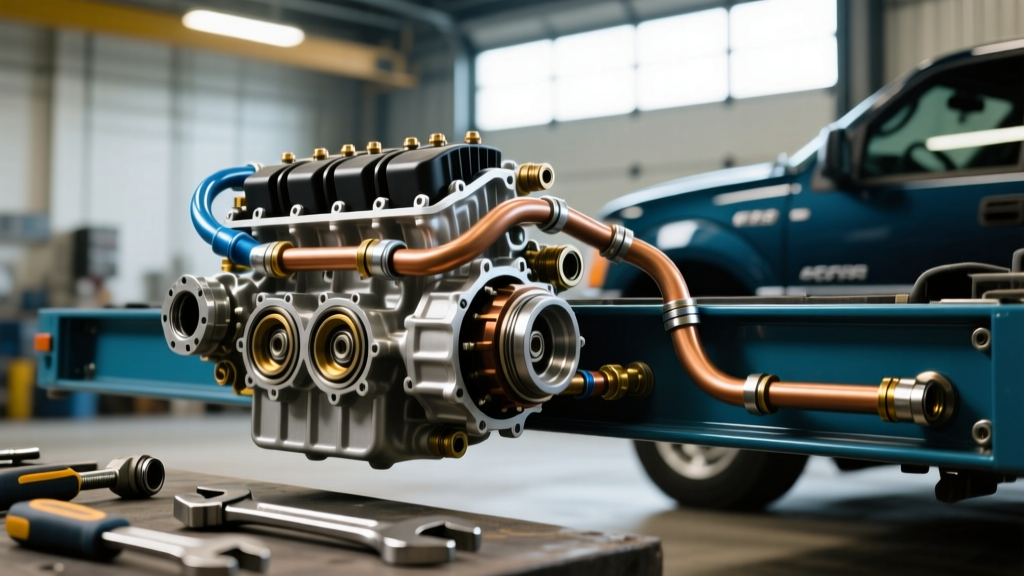
For trucks towing 5th-wheel campers or heavy equipment trailers, the factory quick-disconnects are a liability. The ultimate performance upgrade involves eliminating the quick-disconnects entirely and converting to -6AN PTFE stainless braided hoses.
By cutting the OEM hardlines near the transmission case and pressing on 5/16' barb-to-AN6 male adapters (or 3/8', depending on your specific hardline diameter), you can run continuous PTFE lines from the transmission directly to an aftermarket auxiliary cooler, bypassing the restrictive and failure-prone radiator heat exchanger.
PTFE (Polytetrafluoroethylene) hoses do not degrade with heat, resist expansion under high line pressure, and provide a clean, motorsport-grade aesthetic. When routing -6AN lines, ensure a minimum 3-inch clearance from the F-150’s catalytic converters and exhaust manifolds to prevent heat-soak.
Integrating an Auxiliary Cooler
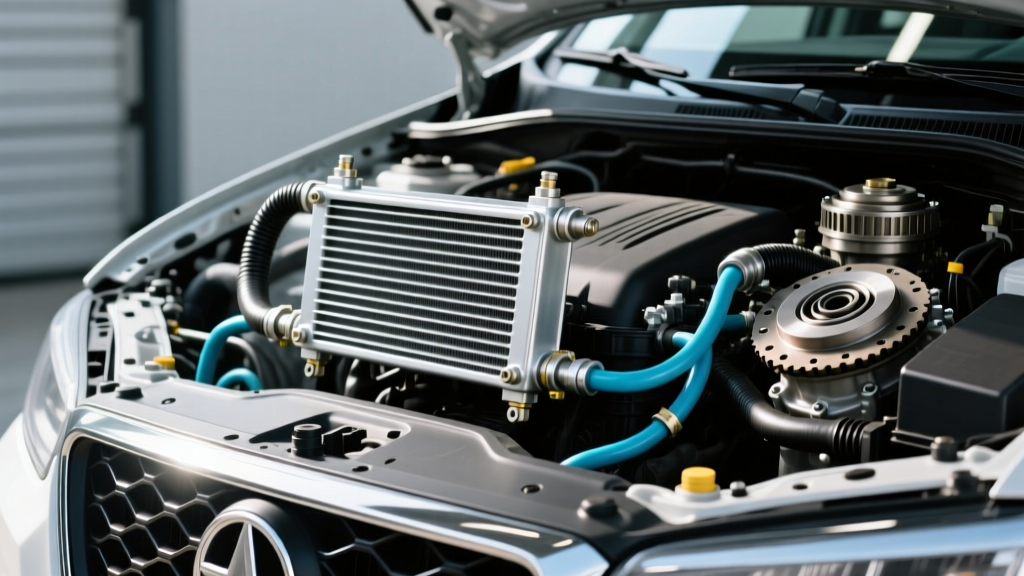
If you are replacing the lines, 2026 is the perfect time to upgrade the cooling capacity. The factory tow-package cooler is marginal for modern heavy loads. We recommend integrating a high-capacity plate-and-fin cooler.
- Derale Series 8000 Plate-and-Fin: Ideal for GVWRs up to 10,000 lbs. The turbulator plates agitate the fluid, increasing heat transfer efficiency by 30% over tube-and-fin designs. View the full catalog at Derale Performance Transmission Coolers.
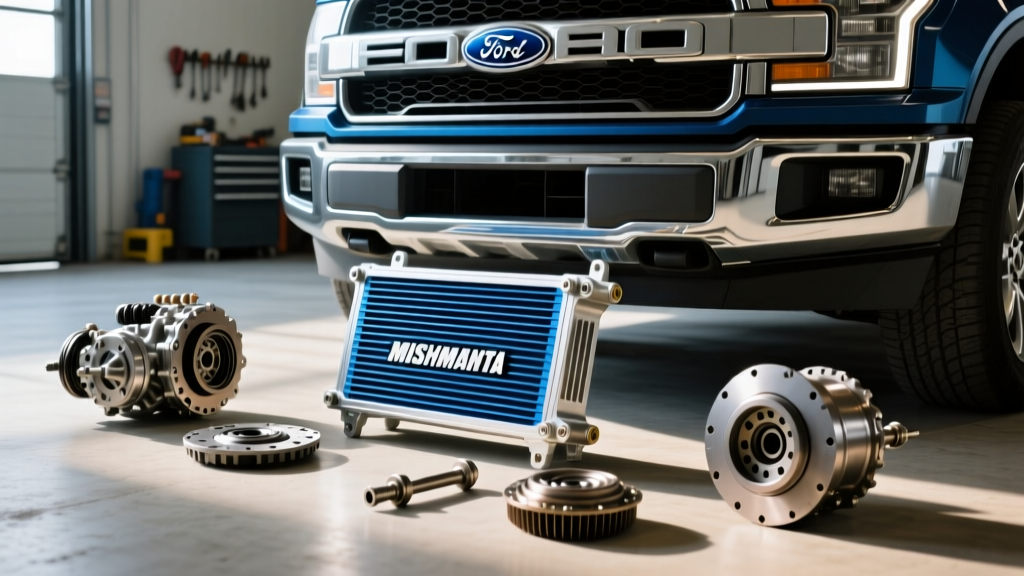
- Mishimoto Heavy-Duty Stacked-Plate: For extreme off-road or sled-pulling applications, stacked-plate coolers offer the highest surface area and structural rigidity. Check out Mishimoto Heavy-Duty Transmission Coolers for specific mounting brackets tailored to the F-150 grille.
For deep-dive wiring diagrams for cooler fans and temperature sender installations, the F150Online 2004-2008 Technical Forums remain an invaluable community resource.
Fluid Specs, Capacities, and Bleeding the System
The 4R75E is incredibly sensitive to fluid friction modifiers and viscosity. You must use fluid that meets the Ford WSS-M2C922-A1 specification.
Fluid Requirements
- Mandatory Fluid: MERCON V (Do NOT use obsolete standard MERCON or generic Dexron III).
- Total Dry Capacity: 13.9 Quarts.
- Line & Cooler Swap Volume: Expect to replace 6 to 8 Quarts, depending on the size of your auxiliary cooler and the length of your new lines.
The Bleeding Procedure
Air pockets in the cooler circuit will cause delayed engagements and TCC shudder. After installing your new hardlines or -6AN hoses and filling the pan to the 'MIN COLD' mark on the dipstick:
- Start the engine and let it idle in Park for 60 seconds.
- Cycle the shifter slowly through P-R-N-D-L, pausing for 3 seconds in each gear. This actuates the manual valve and forces fluid into the cooler circuit.
- Return to Park, leave the engine running, and check the dipstick. Add MERCON V until it reaches the crosshatch zone.
- Inspect all new fittings, crimp collars, and AN connections for weeping using a UV flashlight or clean paper towel.
Final Thoughts on 4R75E Longevity
Replacing the 2004 Ford F150 transmission cooler lines is not just a maintenance task; it is a critical performance upgrade. By eliminating the OEM plastic quick-disconnects, upgrading to PTFE braided lines or heavy-duty hardlines, and pairing the system with a modern Derale or Mishimoto auxiliary cooler, you ensure that your 4R75E operates safely below the 200°F threshold. Invest the weekend into doing this job correctly, and your F-150 will handle the heaviest 2026 towing demands without breaking a sweat.