The 2015 Toyota Yaris Drivetrain Reality Check
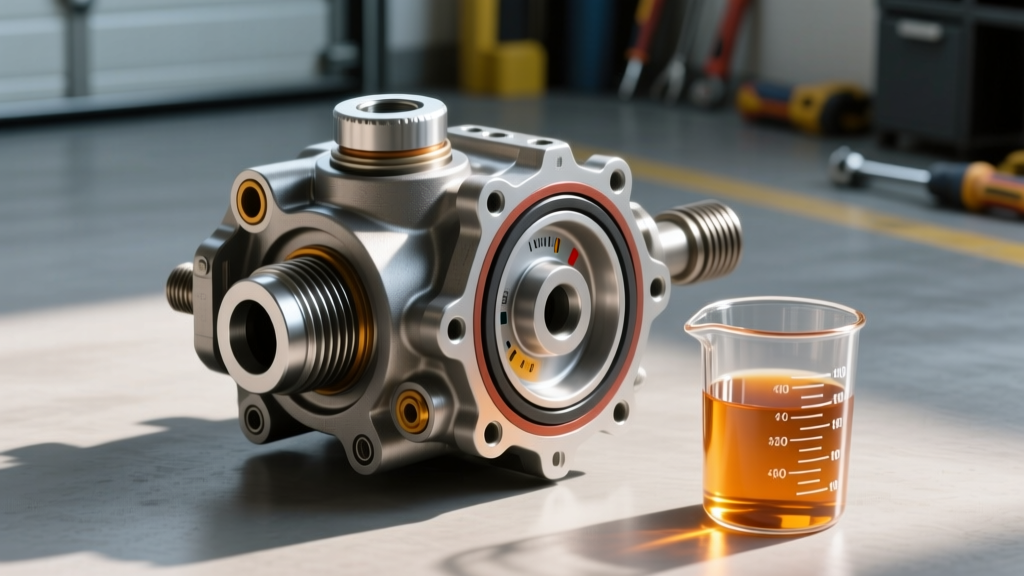
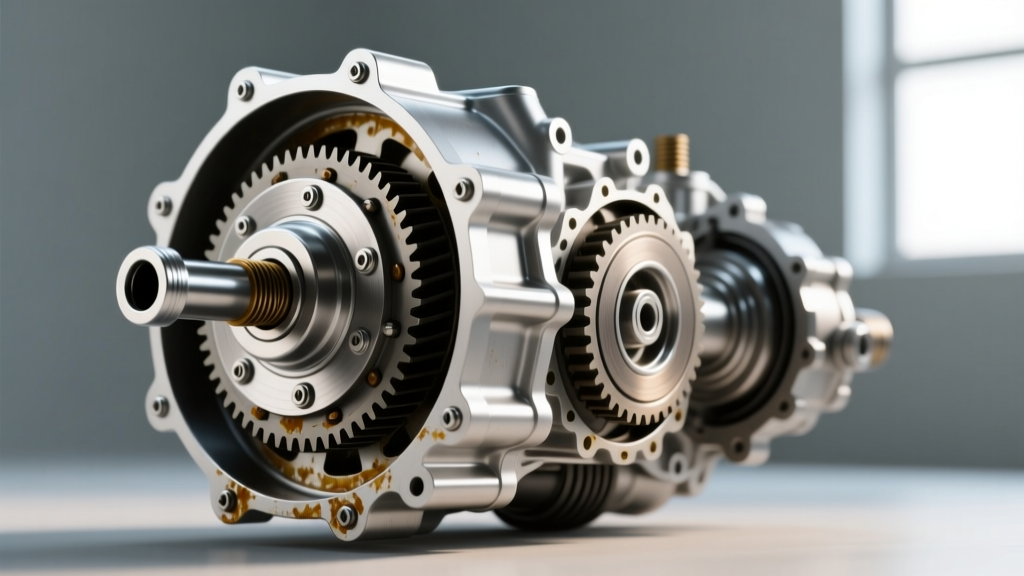
When beginners search for how to replace differential fluid on 2015 Toyota Yaris models, they often encounter a fundamental automotive misconception. The 2015 Toyota Yaris is a Front-Wheel Drive (FWD) subcompact vehicle. It does not possess a standalone rear differential or a transfer case. Instead, it utilizes a transaxle—a single integrated housing that combines the transmission, differential, and final drive gears into one compact unit.
However, understanding how to service the differential section of your Yaris transaxle is the perfect stepping stone to grasping more complex All-Wheel Drive (AWD) and Four-Wheel Drive (4WD) systems. In this beginner-friendly explainer, we will walk through the exact procedure for servicing the 2015 Yaris manual transaxle (which houses the differential) and then dive deep into the transfer case and differential relationship found in larger SUVs and trucks. Mastering both concepts is essential for any DIY mechanic looking to maintain complete drivetrain health in 2026 and beyond.
Step-by-Step: Servicing the 2015 Yaris Transaxle (Differential)
For this guide, we will focus on the 5-speed manual C50 transaxle, as it uses traditional gear oil that closely mirrors standalone differential servicing. The automatic U340E transaxle uses Toyota ATF WS, which is serviced via a drain plug and dipstick tube, but the manual version provides a better foundational learning experience for axle differentials.
Tools and Fluids Required
- Fluid: Toyota Genuine Manual Transmission Gear Oil LV 75W MT or an API GL-4 75W-90 equivalent (e.g., Red Line MT-90). Never use GL-5 in this specific transaxle, as the extreme pressure (EP) additives can corrode yellow metals like synchronizers.
- Capacity: 1.9 Liters (2.0 Quarts) for a dry fill; expect to drain about 1.7 Liters.
- Tools: 24mm socket, 3/8-inch drive ratchet, breaker bar, fluid pump, drain pan, and a torque wrench.
The Golden Rule: Remove the Fill Plug First
Before you drain a single drop of fluid, locate the fill plug on the side of the transaxle housing and remove it using your 24mm socket. If the drain plug is stripped or seized and you drain the fluid first, you will be left with an immobile vehicle and no way to refill it. Once the fill plug is off, place your drain pan underneath.
Draining and Refilling
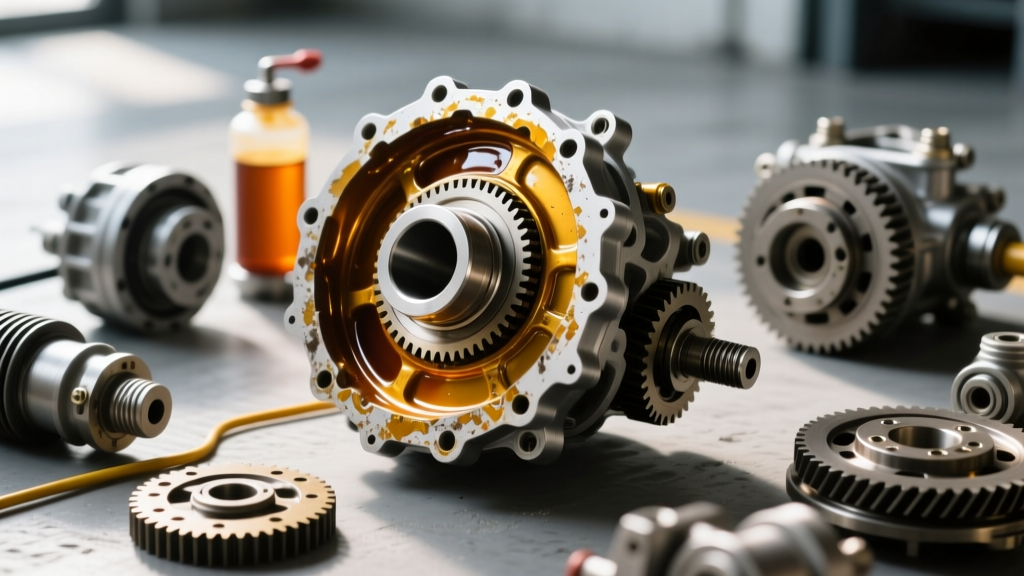
Remove the bottom drain plug and allow the dark, sheared gear oil to empty completely. Inspect the drain plug for metallic shavings; a fine metallic paste is normal for a 10-year-old vehicle, but large chunks indicate ring and pinion gear wear. Reinstall the drain plug and torque it to 29 ft-lbs (39 Nm). Using your fluid pump, inject the new 75W-90 GL-4 gear oil into the fill hole until it begins to weep out of the opening. Reinstall the fill plug and torque it to 29 ft-lbs (39 Nm). For official intervals, always cross-reference the Toyota Scheduled Maintenance Guides.
The Transfer Case and Differential Relationship Explained
Now that you have mastered the FWD transaxle, it is time to explore how power is distributed in 4WD and AWD platforms. While your 2015 Yaris sends power directly from the transaxle to the front CV axles, a 4WD vehicle like a Toyota Tacoma, 4Runner, or Jeep Wrangler relies on a highly synchronized, symbiotic relationship between the transfer case and the axle differentials.
How Power is Split: The Transfer Case
Bolted directly to the rear output shaft of the transmission, the transfer case acts as a secondary gearbox. Its primary job is to split engine torque between the front and rear drive shafts. Inside the transfer case, you will find a chain or gear-driven mechanism, and crucially, a center differential (in full-time 4WD/AWD systems) or a locking dog clutch (in part-time 4WD systems). The transfer case dictates the baseline torque split—often 50/50 in traditional off-roaders, or 40/60 in performance-biased AWD systems.
The Symbiosis: Center Diffs and Axle Diffs
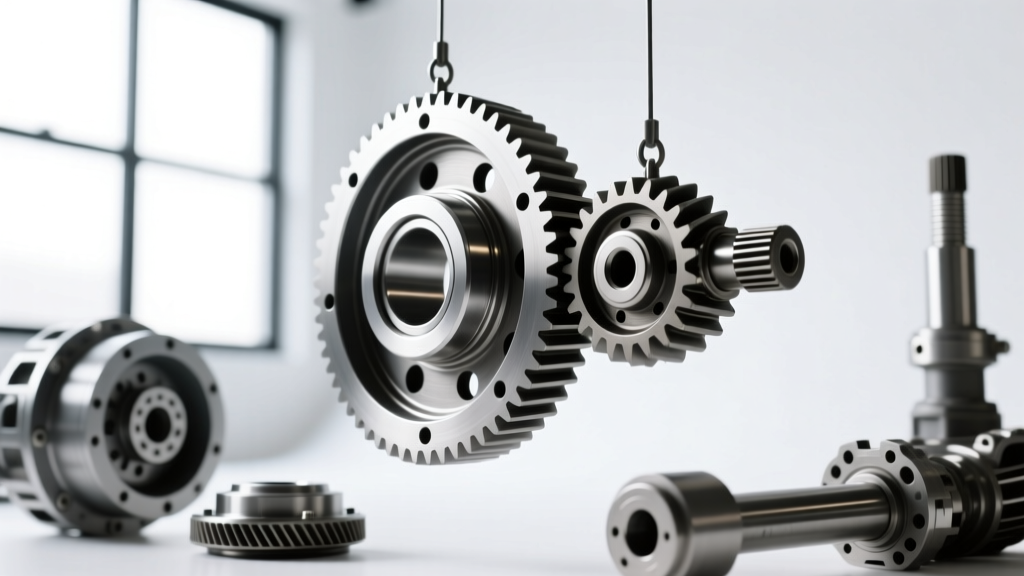
The relationship between the transfer case and the axle differentials is strictly interdependent. When a vehicle turns, the outside wheels must spin faster than the inside wheels. The front and rear axle differentials handle this left-to-right speed variance. However, the front and rear axles also travel different distances over uneven terrain. This is where the center differential inside the transfer case comes into play, allowing the front and rear drive shafts to rotate at different speeds to prevent drivetrain binding.
If the transfer case fluid degrades and the center differential binds, the resulting torque wind-up will aggressively transfer stress down the drive shafts, ultimately shattering the ring and pinion gears in the front or rear axle differentials. According to lubrication experts on Bob Is The Oil Guy Forums, neglecting transfer case fluid is the leading cause of premature axle differential failure in full-time 4WD trucks.
Diagnosing Drivetrain Noise: Transfer Case vs. Differential
Beginners often confuse a failing transfer case with a failing axle differential because both components utilize gear oil and produce similar whining noises. Here is an expert diagnostic framework to tell them apart:
- Differential Whine (Ring & Pinion): Typically changes pitch based on load. If the whine occurs only during acceleration (load) and disappears when coasting, the drive side of the ring gear is worn. If it whines on deceleration, the coast side is worn. This noise is isolated to the specific axle (front or rear).
- Transfer Case Noise (Chain & Bearings): A stretched transfer case chain will produce a rhythmic slapping or clunking sound under heavy acceleration, often felt in the floorboards. Failing output shaft bearings in the transfer case will emit a continuous, high-pitched whine that correlates directly with vehicle speed, regardless of whether the vehicle is in 2WD or 4WD mode.
- Binding and Hopping: If your 4WD vehicle hops or binds during tight, low-speed turns on dry pavement, your transfer case center differential is either locked (user error) or seized due to fluid starvation, forcing the axle differentials to fight against one another.
Drivetrain Fluid Comparison Chart
Understanding the distinct fluid requirements across the drivetrain is critical. Using the wrong fluid can lead to catastrophic failure. Below is a comparative breakdown of standard drivetrain components found in modern vehicles.
| Drivetrain Component | Typical Fluid Specification | Average Capacity | Drain Plug Torque | Service Interval |
|---|---|---|---|---|
| FWD Transaxle / Diff (Yaris MT) | 75W-90 GL-4 Gear Oil | 1.9 Liters | 29 ft-lbs (39 Nm) | 60,000 Miles |
| Transfer Case (e.g., Toyota VF4B) | 75W-85 GL-5 Gear Oil | 1.4 Liters | 27 ft-lbs (37 Nm) | 60,000 Miles |
| Rear Solid Axle Differential | 75W-90 GL-5 Gear Oil | 2.5 - 3.5 Liters | 30 ft-lbs (41 Nm) | 60,000 Miles |
| Front Independent Diff (e.g., RAV4) | 75W-85 GL-5 Gear Oil | 0.5 - 0.8 Liters | 29 ft-lbs (39 Nm) | 60,000 Miles |
Note: Always verify exact specifications in your vehicle's factory service manual. Torque specs and capacities vary by manufacturer and model year.
Pro Tips for Drivetrain Maintenance in 2026
Whether you are servicing the transaxle on a commuter car or the transfer case and axle differentials on a heavy-duty truck, adherence to best practices separates amateur mechanics from seasoned professionals. Always use a dedicated fluid pump for gear oil; attempting to pour thick 75W-90 from a bottle into a horizontal fill plug is an exercise in frustration and wasted money. Furthermore, if your vehicle features a limited-slip differential (LSD) in the rear axle, ensure your gear oil contains the necessary friction modifier additive to prevent clutch pack chatter during tight cornering.
For a deeper dive into the mechanical theory of how these gears interact, the engineering diagrams available at How A Car Works: Differential Basics provide excellent visual aids for understanding ring and pinion geometry. By respecting the delicate relationship between your transfer case and differentials, and by properly maintaining the transaxle on your daily driver, you ensure maximum longevity, optimal traction, and a whisper-quiet drivetrain for hundreds of thousands of miles.