The Intersection of Gear Ratios and Differential Thermodynamics
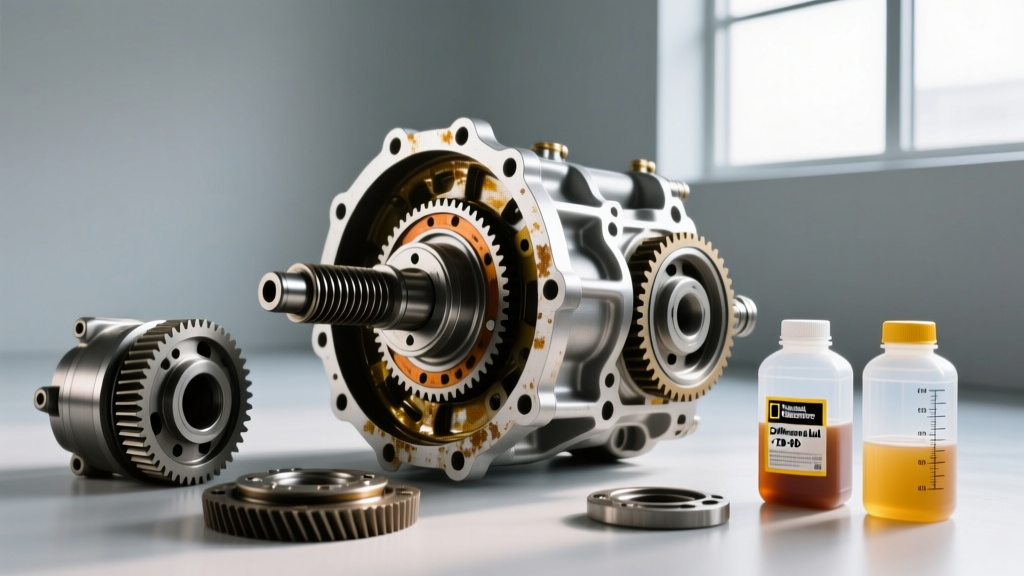
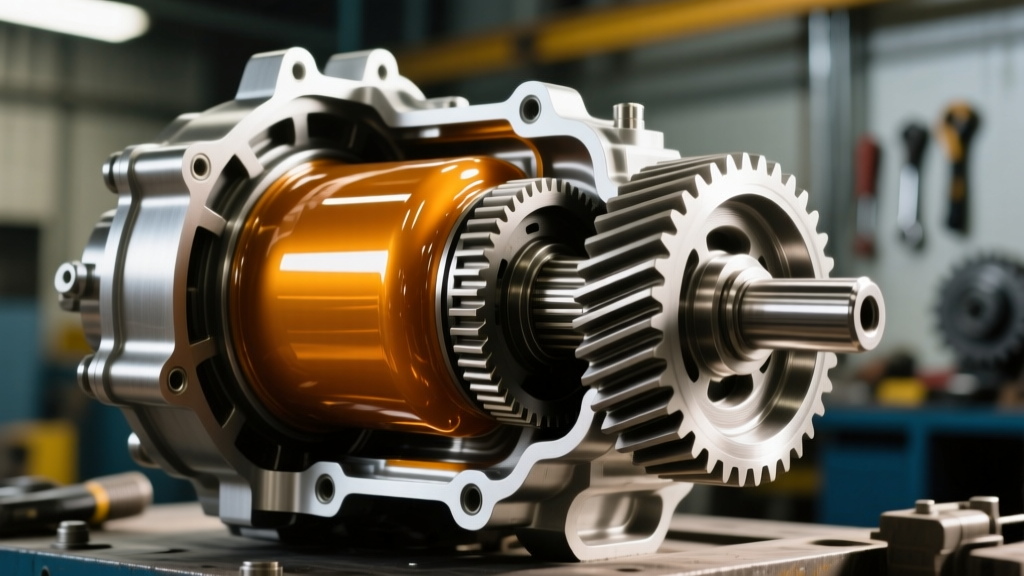
When evaluating the drivetrain of the modern Ford F-150, most owners focus on engine output or transmission shift points. However, the F-150 rear differential fluid plays an equally vital, yet frequently overlooked, role in translating torque to the pavement. Specifically, your truck's rear axle gear ratio dictates the thermodynamic and shear-stress environment inside the differential housing.
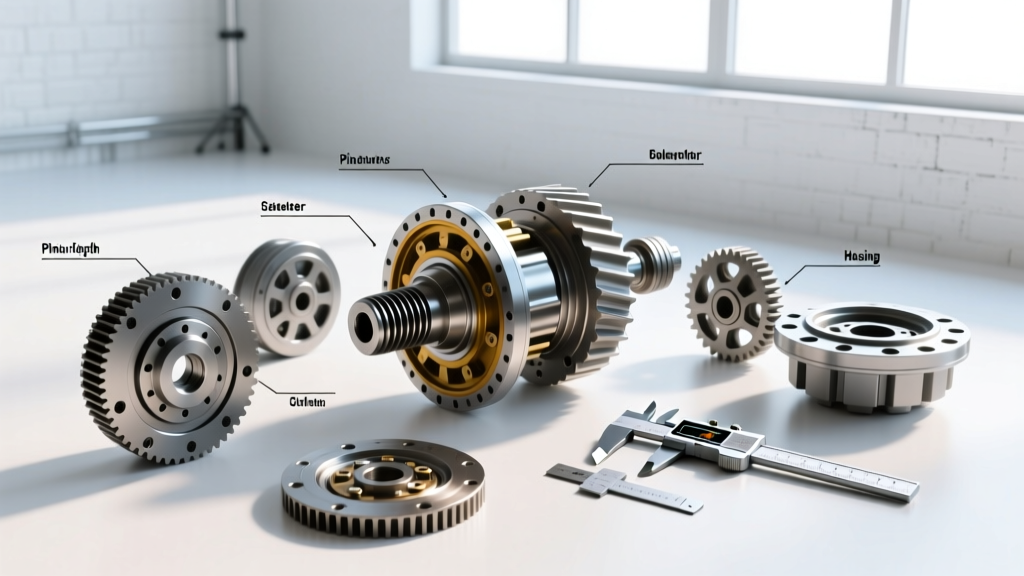
In a hypoid gear set, the pinion gear sits below the centerline of the ring gear, creating a severe sliding friction action alongside the rolling contact. If your F-150 is equipped with a 4.10:1 gear ratio (common in Max Tow and Heavy Duty Payload packages), the pinion gear must rotate 4.1 times for every single revolution of the axle shaft. Compare this to a 3.15:1 highway-oriented ratio, and the 4.10 setup generates significantly more churning friction and baseline heat. This thermal load directly impacts the shear stability and oxidation resistance of your differential gear oil.
F-150 Axle Configurations and Fluid Capacities
Ford utilizes three primary rear axle architectures in the F-150 lineup. Matching the correct fluid viscosity and capacity to your specific axle and gear ratio is critical for preventing premature ring and pinion wear.
| Axle Type | Common Gear Ratios | Fluid Capacity | Recommended Viscosity |
|---|---|---|---|
| Ford 8.8" (Super 8.8 / 31-Spline) | 3.15, 3.31, 3.55 | 2.2 - 2.5 Quarts | SAE 75W-140 Synthetic |
| Ford 9.75" (Semi-Floating) | 3.31, 3.55, 3.73 | 2.8 - 3.0 Quarts | SAE 75W-140 Synthetic |
| Ford 10.5" (Full-Floating) | 3.55, 3.73, 4.10 | 3.5 - 4.0 Quarts | SAE 75W-140 Synthetic |
Note: Always verify the exact capacity on the fill plug level. The F-150 rear differential fluid level should sit exactly at the bottom edge of the fill hole, not above it.
Viscosity and Shear Stability: Why 75W-140 Dominates
While older F-150s often called for 75W-90, modern trucks—especially those with lower numerical gear ratios (higher numerical, like 3.73 and 4.10) designed for towing—require SAE 75W-140 synthetic gear oil (Motorcraft Part # XY-75W140-QL). Why the shift?
- Hydrodynamic Film Strength: The 140-grade high-temperature viscosity maintains a thicker protective wedge between the ring and pinion teeth when towing heavy loads up steep grades.
- Shear Resistance: Higher numerical gear ratios increase the sliding velocity of the hypoid gears. Conventional 75W-90 fluids can shear out of grade under these extreme localized pressures, dropping to a 75W-80 equivalent and risking metal-on-metal contact.
- Thermal Oxidation: Synthetic 75W-140 formulations resist sludge formation even when differential sump temperatures exceed 250°F (121°C) during sustained mountain towing.
Model-Specific Repair Guide: Step-by-Step Fluid Service
Performing a differential service on an F-150 requires precision, particularly regarding the limited-slip clutch packs. Below is the definitive procedure for servicing the 9.75-inch and 10.5-inch rear axles.
Step 1: Preparation and Draining
Unlike front differentials or transfer cases, most F-150 rear axles do not feature a traditional drain plug. You must remove the differential cover to evacuate the old fluid.
- Jack up the rear of the truck and support it securely on jack stands. Ensure the axle housing is level.
- Remove the fill plug first (using a 3/8-inch drive ratchet or appropriate hex bit). Critical Rule: Never remove the cover bolts before confirming the fill plug is out. If the fill plug is seized, you do not want to be stuck with an open differential and no way to refill it.
- Place a drain pan beneath the axle. Use a gasket scraper or putty knife to break the seal on the differential cover.
- Remove the 10 cover bolts (10mm or 1/2-inch depending on the axle year) and drain the fluid.
Step 2: Cleaning and Gasket Selection
Scrape all old RTV silicone or gasket material from both the axle housing and the stamped steel cover. Use brake cleaner to wipe down the interior, ensuring no metallic sludge remains near the ABS tone ring or wheel speed sensors.
Expert Upgrade Tip: Abandon the messy Motorcraft RTV silicone. Upgrade to a reusable Lube-Locker differential gasket. These O-ring sealed gaskets prevent leaks, eliminate cure times, and make future F-150 rear differential fluid changes significantly faster.
If using RTV, apply a 1/8-inch continuous bead, wait 10 minutes for it to skin over, and reinstall the cover.
Step 3: Torque Specifications and Refilling
Reinstall the cover bolts and tighten them in a crisscross pattern to ensure even clamping force. The torque specification for the Ford 9.75" and 10.5" cover bolts is 35 to 45 lb-ft. For the 8.8" axle, torque to 28 to 33 lb-ft.
Pump the new 75W-140 synthetic fluid into the fill hole until it begins to weep out. Reinstall the fill plug and torque to 33 lb-ft.
The Friction Modifier Dilemma: eLSD vs. Torsen
One of the most common mistakes DIYers make when changing F-150 rear differential fluid is the improper application of friction modifiers. Ford has utilized two distinct limited-slip technologies in recent F-150s, and they require entirely different chemical treatments.
Ford eLSD (Electronic Limited-Slip Differential)
Found in many Tremor and FX4 packages, the eLSD uses a clutch-based pack actuated by an electromagnetic coil. This system requires the addition of Motorcraft XL-3 Friction Modifier Additive (Part # EST-M2C118-A). Without it, the clutch packs will chatter violently during low-speed cornering, leading to premature failure. Typically, 4 oz of modifier is added before the gear oil.
Torsen (Torque-Sensing) Differentials
Found in high-performance applications and certain Raptor configurations, the Torsen differential relies on a helical gear binding mechanism rather than friction clutches. According to differential engineering standards outlined by Yukon Gear & Axle technical resources, Torsen units do not require and should not use friction modifiers. Adding XL-3 to a Torsen differential reduces the coefficient of friction on the helical gears, effectively neutering the torque-biasing capability of the unit.
Diagnosing Gear Ratio-Specific Fluid Degradation
When you drain your F-150 rear differential fluid, its condition tells a story about how your specific gear ratio is handling the load.
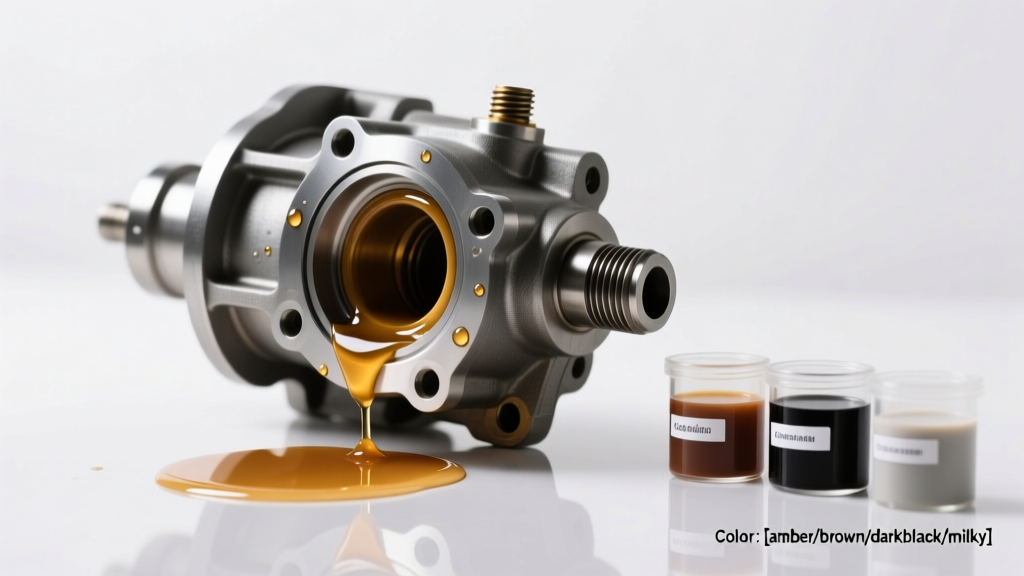
- Glitter/Silver Sheen: Normal for the first 15,000 miles as the ring and pinion wear in. High-mileage trucks with 4.10 gears that still show heavy glitter indicate inadequate fluid shear strength or overloading.
- Burnt Smell / Dark Black Fluid: Indicates severe thermal breakdown. This is highly prevalent in 3.73 and 4.10 gear sets used for towing without an aftermarket differential cover equipped with cooling fins.
- Water Contamination (Milky Emulsion): Caused by submerging the axle during boat launching. The rapid cooling of the hot axle housing creates a vacuum, pulling water past the axle seals. This destroys the boundary lubrication layer and will rapidly pit the gear teeth.
Performance Upgrades: Cooling and Flow
If your F-150 is equipped with a 3.55 or 3.73 gear ratio and you frequently tow near the truck's maximum Gross Combined Weight Rating (GCWR), the factory stamped-steel differential cover is a thermal bottleneck. Upgrading to a cast-aluminum differential cover (such as those from PPE or Mag-Hytec) increases fluid capacity by up to 1.5 quarts and utilizes external cooling fins to drop sump temperatures by 20°F to 30°F. This thermal headroom allows the 75W-140 fluid to maintain its designed viscosity, protecting the hypoid gear set from micro-pitting and spalling under extreme torque multiplication.
For comprehensive maintenance schedules and factory-approved fluid specifications, always cross-reference your specific VIN with the Ford Motor Company official maintenance portal. Proper fluid selection, matched to your F-150's exact gear ratio and axle architecture, is the single most cost-effective way to ensure drivetrain longevity.